

Trade War Clouding on China E10 Promotion & Energy Import Peaks
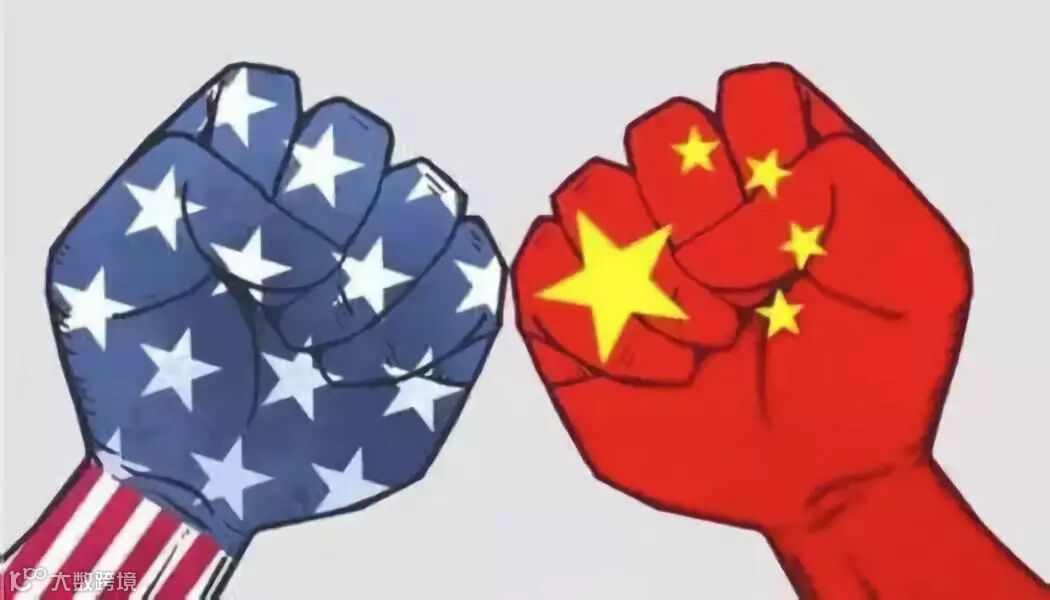
President Trump of the U.S. approved the tariff list involving $50 bn China-origin commodities on June 15, and China stroke back at the same day with an equivalent list adding agricultural and energy products, including soybeans, corn, crude oil, natural gas, LPG, aromatics, etc. So, yes, now it’ll be a war officially this time, according to China’s Ministry of Foreign Affairs’ definition of conflict and war in a previous announcement. And yes, when the conflict comes into a war from July, the agricultural and energy products are involved as estimated before, but in unexpected massive scale and strong firm hands.
Note: The natural gas in the list is the gaseous natural gas (27112100), and LNG (27111100) is not included in the list yet.
Imposing 25% tariff on fishery, soybean and corn, in the wake of the fuel ethanol, will directly close the door of agricultural product from the U.S. to China. China’s promoting E10 nationwide, and the potential demand for fuel ethanol is approximate to 10 Mtpa. The U.S. is the largest fuel ethanol producer and exporter of the world and also is the only country providing low-priced corn-based fuel ethanol instead of expensive sugarcane-based ethanol. Due to the supply shortage, China is estimated to import a tremendous amount of fuel ethanol in at least three years to fulfill the E10 promotion, and the U.S. seems the only choice. However, another 25% tariff adding to the current 45% which is already very high, will squeeze all profit out in the trading, and China’s import may remain stagnant as the same in 2017, despite the matter of fact that the surplus of U.S.’s corn and corn products are very serious, whilst China’s ethanol shortage is enormous as well.
The same thing happens in the energy field. The U.S. has become a major player in the global crude and LNG export with its cheap and adequate shale gas exploitation, however, China’s also the major buyer in the global energy trade flows. For example, the U.S. plans to expand its LNG export to 20 Mtpa by 2020 and 40 Mtpa by 2030, but the actual incremental imports mostly come from China. When a tariff fence rises, the U.S. will lose its main export destination of LNG in the future, while China will also lose one of its major LNG suppliers, which is estimated to be the third largest very soon. Together with the LPG, aromatics and many other kinds of chemicals, the petrochemical trading between world’s largest two economic entities will face an embarrassing moment.
Besides, China only announced to impose tariffs on soybeans, corn, crude oil and natural gas but without the implementation date. This may be a signal to the U.S. for the last chance, and it’s not the end of everything yet.

For more information please contact us at
overseas.sales@sci99.com
overseas.info@sci99.com
+86-533-6296499