


China Stirs Wider Air Pollution Control to Beat Airpocalypse

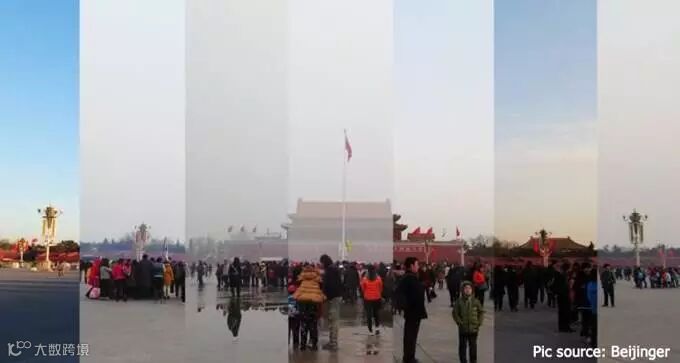
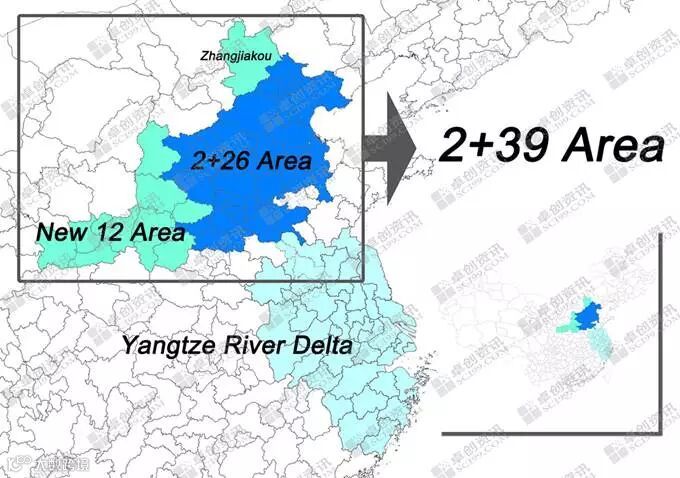
Recently, China’s top authorities such as NDRC, MEE, MOFCOM constantly show a laser-focused intention to the winter heating season’s air pollution control endeavor so-called the blue sky campaign, and the historically strictest control area, the 2+26 area, was also add with 13 new entrants to a bigger 2+39 area. MEE also added the Yangtze River Delta area to its environmental protection supervision coverage. All those maneuvers indicate that Beijing carries on its ambition to treat the airpocalypse as one of the most important national strategies, no matter what it takes to the economy.
According to the government officials, aiming for the essential improvement of the air quality, the industrial production restriction will last for half a year from October to March in the upcoming winter. Within this period, all industrial polluters and dust contributors will suffer an obligatory shutdown or production restriction, involving iron and steel, construction materials, cement, ceramics, chemical, printing and dyeing, and many other industrial sectors. Even more, many plants using clean energy may also be involved into the great shutdown, ironically, for easier management purpose.
On the other hand, residents in northern China have been breathing some of their cleanest air in a decade as they begin to enjoy the benefits of all those maneuvers. Beijing’s July pollution levels averaged 44 micrograms of airborne particles per cubic meter, the seventh lowest since recordings began in 2008.
It is clear that since President Xi’s Blue Sky Campaign started in 2013 has been proved efficient to beat the airpocalypse in northern China, those eye-catching policies, such as the great shutdown and the coal-to-gas switch, will be implemented much wider, firmer and stronger, resulting in better air quality as well as the cooling down economy.

For more information please contact us at
overseas.sales@sci99.com
overseas.info@sci99.com
+86-533-6296499