


 作者|结森
作者|结森
   public ConfirmOrderResultVO batchConfirmPurchaseOrders(Long taobaoUserId, List<String> bizOrderIds) throws TCException {
        ………………………………………………………………
        for (String bizOrderId : bizOrderIds) {
            // 推单成功进入successList,否则进入failedList
            if (confirmPurchaseOrder(taobaoUserId, bizOrderId)){
                successList.add(Long.valueOf(bizOrderId));
            }else {
                failedList.add(Long.valueOf(bizOrderId));
            }
        }
        ………………………………………………………………
    }
   @Transactional
public Boolean confirmPurchaseOrder(Long taobaoUserId, String bizOrderId) throws TCException {
      logger.warn("|ConfirmPurchaseOrder|UserId:"+taobaoUserId+",orderId:"+bizOrderId);
      …………………………
      return ture;
}
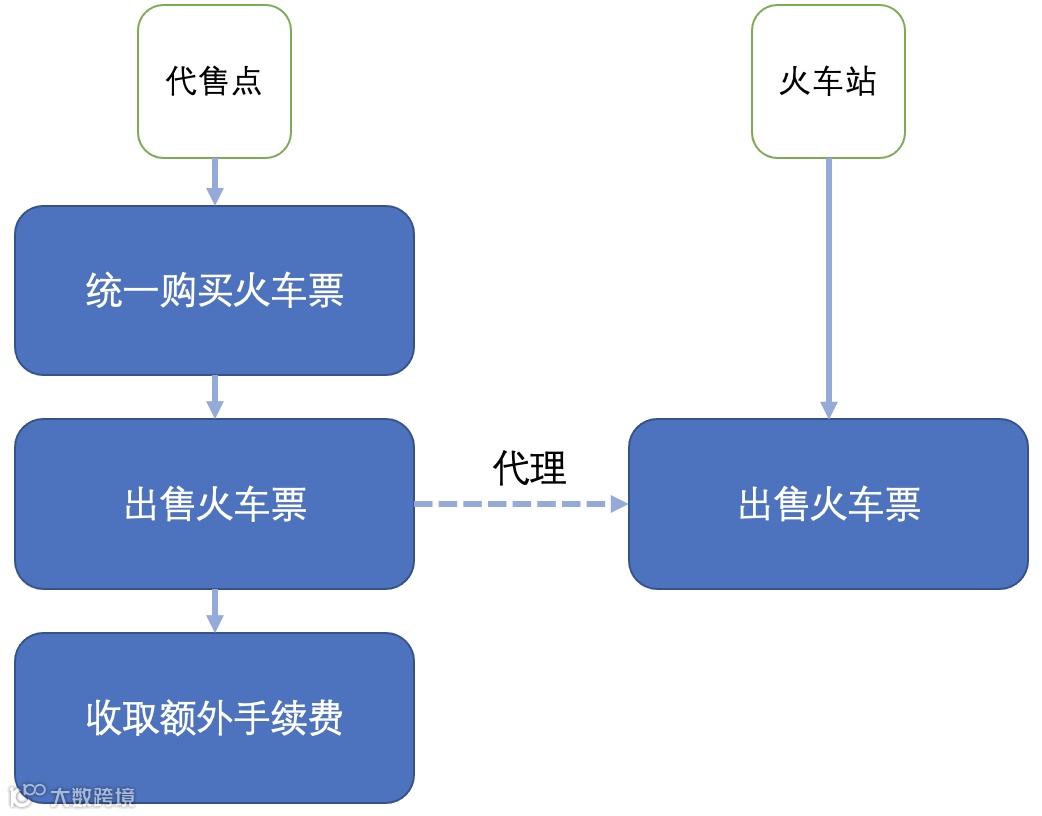
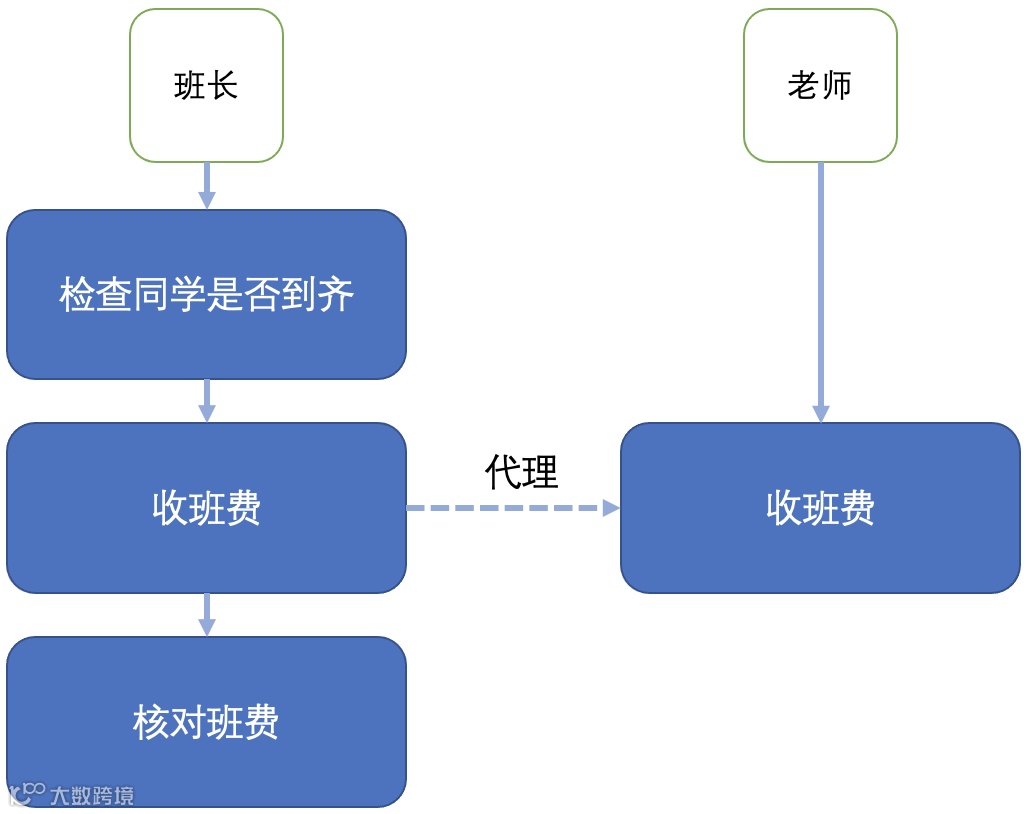
   public interface Homework {
    void doHomework();
}
   public class XiaoHong implements Homework{
    @Override
    public void doHomework() {
        System.out.println("XiaoHong did homework casually");
    }
}
   public class XiaoWang implements Homework{

    // 持有Homework属性
    private Homework homework;
    // 通过构造函数初始化Homework
    public XiaoWang(Homework homework){
        this.homework=homework;
    }

    //代理实现
    @Override
    public void doHomework() {
        doStudy();
        homework.doHomework();
        System.out.println("XiaoWang helps with MathHomework");
        doCheck();
    }

    // 额外方法
    private void doCheck() {
        System.out.println("XiaoWang is checking-----------------");
    }
    // 额外方法
    private void doStudy() {
        System.out.println("XiaoWang is studying---------------");
    }
}
   public class XiaoZhang implements Homework{

    // 持有Homework属性
    private Homework homework;
    // 通过构造函数初始化Homework
    public XiaoZhang(Homework homework){
        this.homework=homework;
    }

    //代理实现
    @Override
    public void doHomework() {
        doStudy();
        homework.doHomework();
        System.out.println("XiaoZhang helps with EngHomework");
        doCheck();
    }

    // 额外方法
    private void doCheck() {
        System.out.println("XiaoZhang is checking-----------------");
    }
    // 额外方法
    private void doStudy() {
        System.out.println("XiaoZhang is studying---------------");
    }
}
   public static void main(String[] args) {
        // 实例化一个目标对象
        XiaoHong xiaoHong = new XiaoHong();
        // 把目标对象通过构造函数传递给代理对象
        XiaoZhang xiaoZhang =new XiaoZhang(xiaoHong);
        XiaoWang xiaoWang =new XiaoWang(xiaoHong);
        // 调用代理对象的方法
        xiaoZhang.doHomework();
        xiaoWang.doHomework();
    }
   XiaoZhang is studying---------------
XiaoHong did homework casually
XiaoZhang helps with EngHomework
XiaoZhang is checking-----------------

XiaoWang is studying---------------
XiaoHong did homework casually
XiaoWang helps with MathHomework
XiaoWang is checking-----------------
动态代理
JDK实现动态代理
   // 实现InvocationHandler
public class RobotProxy implements InvocationHandler {

    // 持有一个Object类型的目标对象target
    private Object target;

    // 通过构造函数实例化目标对象target
    public RobotProxy(Object target) {
        this.target = target;
    }

    // 重写invoke方法
    @Override
    public Object invoke(Object proxy, Method method, Object[] args) throws Throwable {
        doStudy();
        // 执行目标对象的方法
        Object invoke = method.invoke(target, args);
        doCheck();
        return invoke;
    }

    // 额外动作
    private void doStudy() {
        System.out.println("Robot is studying------------");
    }
    // 额外动作
    private void doCheck() {
        System.out.println("Robot is checking------------");
    }
}
   public static void main(String[] args) {
  // 实例化一个目标对象
  XiaoHong xiaoHong = new XiaoHong();
  // 传入实现的接口 new Class[]{Homework.class}
  // 以及代理类 new RobotProxy(xiaoHong)
  Homework homework = (Homework)Proxy.newProxyInstance(ClassLoader.getSystemClassLoader(), new Class[]{Homework.class}, new RobotProxy(xiaoHong));
  homework.doHomework();
}
   Robot is studying------------
XiaoHong did homework casually
Robot is checking------------
Cglib实现动态代理
   // 实现MethodInterceptor方法(要引入cglib包)
public class RobotV2Proxy implements MethodInterceptor {

    // 重写intercept方法
    @Override
    public Object intercept(Object o, Method method, Object[] objects, MethodProxy methodProxy) throws Throwable {
        doStudy();
        Object invoke = methodProxy.invokeSuper(o, objects);
        doCheck();
        return invoke;
    }

    // 额外动作
    private void doStudy() {
        System.out.println("RobotV2 is studying------------");
    }
    // 额外动作
    private void doCheck() {
        System.out.println("RobotV2 is checking------------");
    }
}
   public static void main(String[] args) {
    // 创建增强类
    Enhancer enhancer = new Enhancer();
    // 设置父类
    enhancer.setSuperclass(XiaoHong.class);
    // 设置回调
    enhancer.setCallback(new RobotV2Proxy());
    // 创建目标对象
    XiaoHong xiaoHong = (XiaoHong)enhancer.create();
    // 调用目标方法
    xiaoHong.doHomework();
}
   RobotV2 is studying------------
XiaoHong did homework casually
RobotV2 is checking------------
-
基于字节码,生成真实对象的子类。 -
运行效率高于JDK代理 -
不需要实现接口
注解型事务
注解型事务使用
事务执行原理
PlatformTransactionManager
   public interface PlatformTransactionManager extends TransactionManager {

  /**
  * 获取事务
  /*
  TransactionStatus getTransaction(@Nullable TransactionDefinition definition) throws TransactionException;

  /**
  * 提交事务
  /*
  void commit(TransactionStatus status) throws TransactionException;

  /**
  * 回滚事务
  /*
  void rollback(TransactionStatus status) throws TransactionException;
}
   @Override
  public final TransactionStatus getTransaction(@Nullable TransactionDefinition definition)
      throws TransactionException {

    // 获取事务定义(该类保存了当前事务的相关属性,例如传播规则、隔离规则等)
    TransactionDefinition def = (definition != null ? definition : TransactionDefinition.withDefaults());
    // 获取真正的事务(doGetTransaction方法由具体的持久层框架实现)
    Object transaction = doGetTransaction();
    boolean debugEnabled = logger.isDebugEnabled();

    // 如果已经存在事务,则根据传播规则执行相应的处理
    if (isExistingTransaction(transaction)) {
      return handleExistingTransaction(def, transaction, debugEnabled);
    }

    // 检查当前事务的超时时间
    if (def.getTimeout() < TransactionDefinition.TIMEOUT_DEFAULT) {
      throw new InvalidTimeoutException("Invalid transaction timeout", def.getTimeout());
    }

    // 如果当前不存在事务,检查传播级别和隔离级别,开始执行事务 startTransaction()
    if (def.getPropagationBehavior() == TransactionDefinition.PROPAGATION_MANDATORY) {
      throw new IllegalTransactionStateException(
          "No existing transaction found for transaction marked with propagation 'mandatory'");
    }
    else if (def.getPropagationBehavior() == TransactionDefinition.PROPAGATION_REQUIRED ||
        def.getPropagationBehavior() == TransactionDefinition.PROPAGATION_REQUIRES_NEW ||
        def.getPropagationBehavior() == TransactionDefinition.PROPAGATION_NESTED) {
      SuspendedResourcesHolder suspendedResources = suspend(null);
      if (debugEnabled) {
        logger.debug("Creating new transaction with name [" + def.getName() + "]: " + def);
      }
      try {
        return startTransaction(def, transaction, debugEnabled, suspendedResources);
      }
      catch (RuntimeException | Error ex) {
        resume(null, suspendedResources);
        throw ex;
      }
    }
    else {
      // Create "empty" transaction: no actual transaction, but potentially synchronization.
      if (def.getIsolationLevel() != TransactionDefinition.ISOLATION_DEFAULT && logger.isWarnEnabled()) {
        logger.warn("Custom isolation level specified but no actual transaction initiated; " +
            "isolation level will effectively be ignored: " + def);
      }
      boolean newSynchronization = (getTransactionSynchronization() == SYNCHRONIZATION_ALWAYS);
      return prepareTransactionStatus(def, null, true, newSynchronization, debugEnabled, null);
    }
  }
     public final void commit(TransactionStatus status) throws TransactionException {
    // 如果当前事务已经完成,抛出异常
    if (status.isCompleted()) {
      throw new IllegalTransactionStateException(
          "Transaction is already completed - do not call commit or rollback more than once per transaction");
    }
    DefaultTransactionStatus defStatus = (DefaultTransactionStatus) status;
    // 如果当前事务设置了回滚标识,则进行回滚操作
    if (defStatus.isLocalRollbackOnly()) {
      if (defStatus.isDebug()) {
        logger.debug("Transactional code has requested rollback");
      }
      processRollback(defStatus, false);
      return;
    }
    // 如果全局事务设置了回滚标识,则进行回滚操作(也就是事务嵌套的场景)
    if (!shouldCommitOnGlobalRollbackOnly() && defStatus.isGlobalRollbackOnly()) {
      if (defStatus.isDebug()) {
        logger.debug("Global transaction is marked as rollback-only but transactional code requested commit");
      }
      processRollback(defStatus, true);
      return;
    }
    // 提交事务
    processCommit(defStatus);
  }
   public final void rollback(TransactionStatus status) throws TransactionException {
    // 如果当前事务已经完成,抛出异常
    if (status.isCompleted()) {
      throw new IllegalTransactionStateException(
          "Transaction is already completed - do not call commit or rollback more than once per transaction");
    }

    DefaultTransactionStatus defStatus = (DefaultTransactionStatus) status;
    processRollback(defStatus, false);
  }
   private void processRollback(DefaultTransactionStatus status, boolean unexpected) {
    try {
      boolean unexpectedRollback = unexpected;

      try {
        triggerBeforeCompletion(status);
        // 如果当前事务存在保存点,则回滚到保存点的状态
        if (status.hasSavepoint()) {
          if (status.isDebug()) {
            logger.debug("Rolling back transaction to savepoint");
          }
          status.rollbackToHeldSavepoint();
        }
        // 如果是新的事务,则执行doRollback方法
        else if (status.isNewTransaction()) {
          if (status.isDebug()) {
            logger.debug("Initiating transaction rollback");
          }
          doRollback(status);
        }
        else {
          // 如果有嵌套事务,则执行doSetRollbackOnly方法
          if (status.hasTransaction()) {
            if (status.isLocalRollbackOnly() || isGlobalRollbackOnParticipationFailure()) {
              if (status.isDebug()) {
                logger.debug("Participating transaction failed - marking existing transaction as rollback-only");
              }
              doSetRollbackOnly(status);
            }
            else {
              if (status.isDebug()) {
                logger.debug("Participating transaction failed - letting transaction originator decide on rollback");
              }
            }
          }
          else {
            logger.debug("Should roll back transaction but cannot - no transaction available");
          }
          // Unexpected rollback only matters here if we're asked to fail early
          if (!isFailEarlyOnGlobalRollbackOnly()) {
            unexpectedRollback = false;
          }
        }
      }
      catch (RuntimeException | Error ex) {
        triggerAfterCompletion(status, TransactionSynchronization.STATUS_UNKNOWN);
        throw ex;
      }

      triggerAfterCompletion(status, TransactionSynchronization.STATUS_ROLLED_BACK);

      // Raise UnexpectedRollbackException if we had a global rollback-only marker
      // 发生了不期望的回滚异常
      if (unexpectedRollback) {
        throw new UnexpectedRollbackException(
            "Transaction rolled back because it has been marked as rollback-only");
      }
    }
    finally {
      cleanupAfterCompletion(status);
    }
  }
DynamicAdvisedInterceptor
   private static class DynamicAdvisedInterceptor implements MethodInterceptor, Serializable {

    private final AdvisedSupport advised;

    public DynamicAdvisedInterceptor(AdvisedSupport advised) {
      this.advised = advised;
    }

    @Override
    @Nullable
    public Object intercept(Object proxy, Method method, Object[] args, MethodProxy methodProxy) throws Throwable {
      Object oldProxy = null;
      boolean setProxyContext = false;
      Object target = null;
      TargetSource targetSource = this.advised.getTargetSource();
      try {
        if (this.advised.exposeProxy) {
          // Make invocation available if necessary.
          oldProxy = AopContext.setCurrentProxy(proxy);
          setProxyContext = true;
        }
        // Get as late as possible to minimize the time we "own" the target, in case it comes from a pool...
        target = targetSource.getTarget();
        Class<?> targetClass = (target != null ? target.getClass() : null);
        List<Object> chain = this.advised.getInterceptorsAndDynamicInterceptionAdvice(method, targetClass);
        Object retVal;
        // Check whether we only have one InvokerInterceptor: that is,
        // no real advice, but just reflective invocation of the target.
        if (chain.isEmpty() && Modifier.isPublic(method.getModifiers())) {
          // We can skip creating a MethodInvocation: just invoke the target directly.
          // Note that the final invoker must be an InvokerInterceptor, so we know
          // it does nothing but a reflective operation on the target, and no hot
          // swapping or fancy proxying.
          Object[] argsToUse = AopProxyUtils.adaptArgumentsIfNecessary(method, args);
          retVal = methodProxy.invoke(target, argsToUse);
        }
        else {
          // We need to create a method invocation...
          retVal = new CglibMethodInvocation(proxy, target, method, args, targetClass, chain, methodProxy).proceed();
        }
        retVal = processReturnType(proxy, target, method, retVal);
        return retVal;
      }
      finally {
        if (target != null && !targetSource.isStatic()) {
          targetSource.releaseTarget(target);
        }
        if (setProxyContext) {
          // Restore old proxy.
          AopContext.setCurrentProxy(oldProxy);
        }
      }
    }
List<Object> chain = this.advised.getInterceptorsAndDynamicInterceptionAdvice(method, targetClass)
retVal = new CglibMethodInvocation(proxy, target, method, args, targetClass, chain, methodProxy).proceed();
TransactionInterceptor
   public class TransactionInterceptor extends TransactionAspectSupport implements MethodInterceptor, Serializable {
    @Nullable
    public Object invoke(final MethodInvocation invocation) throws Throwable {
        // 获取目标类
        Class<?> targetClass = invocation.getThis() != null ? AopUtils.getTargetClass(invocation.getThis()) : null;
        // 执行事务方法
        return this.invokeWithinTransaction(invocation.getMethod(), targetClass, new CoroutinesInvocationCallback() {
            @Nullable
            public Object proceedWithInvocation() throws Throwable {
                return invocation.proceed();
            }

            public Object getTarget() {
                return invocation.getThis();
            }

            public Object[] getArguments() {
                return invocation.getArguments();
            }
        });
    }
}
invokeWithinTransaction
   @Nullable
protected Object invokeWithinTransaction(Method method, @Nullable Class<?> targetClass,
      final InvocationCallback invocation) throws Throwable {

   // If the transaction attribute is null, the method is non-transactional.
   TransactionAttributeSource tas = getTransactionAttributeSource();
   // 获取事务属性类TransactionAttribute
   final TransactionAttribute txAttr = (tas != null ? tas.getTransactionAttribute(method, targetClass) : null);
   // 根据事务属性选择合适的事务管理器(如PlatformTransactionManager)
   final TransactionManager tm = determineTransactionManager(txAttr);
   ………………………………………………………………………………
}
getTransactionAttribute
   public TransactionAttribute getTransactionAttribute(Method method, @Nullable Class<?> targetClass) {
   if (method.getDeclaringClass() == Object.class) {
      return null;
   }

   // 从缓存中获取TransactionAttribute
   Object cacheKey = getCacheKey(method, targetClass);
   TransactionAttribute cached = this.attributeCache.get(cacheKey);
   if (cached != null) {
      // Value will either be canonical value indicating there is no transaction attribute,
      // or an actual transaction attribute.
      if (cached == NULL_TRANSACTION_ATTRIBUTE) {
         return null;
      }
      else {
         return cached;
      }
   }
   else {
      // 如果缓存中没有TransactionAttribute,则构建一个新的TransactionAttribute
      TransactionAttribute txAttr = computeTransactionAttribute(method, targetClass);
      // Put it in the cache.
      if (txAttr == null) {
         this.attributeCache.put(cacheKey, NULL_TRANSACTION_ATTRIBUTE);
      }
     ………………………………………………………………………………
}
     protected TransactionAttribute computeTransactionAttribute(Method method, @Nullable Class<?> targetClass) {
    // 校验当前注解的方法是否是public的(也就是@Transactional注解的方法必须是public的)
    if (allowPublicMethodsOnly() && !Modifier.isPublic(method.getModifiers())) {
      return null;
    }

    // 获取真实目标对象的方法(获取代理对象真正代理的目标对象的执行方法)
    Method specificMethod = AopUtils.getMostSpecificMethod(method, targetClass);

    // 从目标对象的方法中获取事务属性(其实就是在找注解,先找方法上有没有注解)
    TransactionAttribute txAttr = findTransactionAttribute(specificMethod);
    if (txAttr != null) {
      return txAttr;
    }

    // 从目标对象的类中获取事务属性(再找类上有没有注解)
    txAttr = findTransactionAttribute(specificMethod.getDeclaringClass());
    if (txAttr != null && ClassUtils.isUserLevelMethod(method)) {
      return txAttr;
    }

    if (specificMethod != method) {
      // Fallback is to look at the original method.
      txAttr = findTransactionAttribute(method);
      if (txAttr != null) {
        return txAttr;
      }
      // Last fallback is the class of the original method.
      txAttr = findTransactionAttribute(method.getDeclaringClass());
      if (txAttr != null && ClassUtils.isUserLevelMethod(method)) {
        return txAttr;
      }
    }

    return null;
  }
invokeWithinTransaction
   PlatformTransactionManager ptm = asPlatformTransactionManager(tm);
    final String joinpointIdentification = methodIdentification(method, targetClass, txAttr);

    if (txAttr == null || !(ptm instanceof CallbackPreferringPlatformTransactionManager)) {
      // Standard transaction demarcation with getTransaction and commit/rollback calls.
      TransactionInfo txInfo = createTransactionIfNecessary(ptm, txAttr, joinpointIdentification);

      Object retVal;
      try {
        // 动态代理调用目标对象本身的数据库操作
        // This is an around advice: Invoke the next interceptor in the chain.
        // This will normally result in a target object being invoked.
        retVal = invocation.proceedWithInvocation();
      }
      catch (Throwable ex) {
        // 如果发生异常要进行回滚(内部是获取相应的TransactionManager,执行rollback方法)
        // target invocation exception
        completeTransactionAfterThrowing(txInfo, ex);
        throw ex;
      }
      finally {
        // 释放事务资源
        cleanupTransactionInfo(txInfo);
      }

      if (retVal != null && vavrPresent && VavrDelegate.isVavrTry(retVal)) {
        // Set rollback-only in case of Vavr failure matching our rollback rules...
        TransactionStatus status = txInfo.getTransactionStatus();
        if (status != null && txAttr != null) {
          retVal = VavrDelegate.evaluateTryFailure(retVal, txAttr, status);
        }
      }
      // 提交事务(内部是获取相应的TransactionManager,执行commit方法)
      commitTransactionAfterReturning(txInfo);
      return retVal;
    }