

Bridgestone Develops High-Performance Rubber
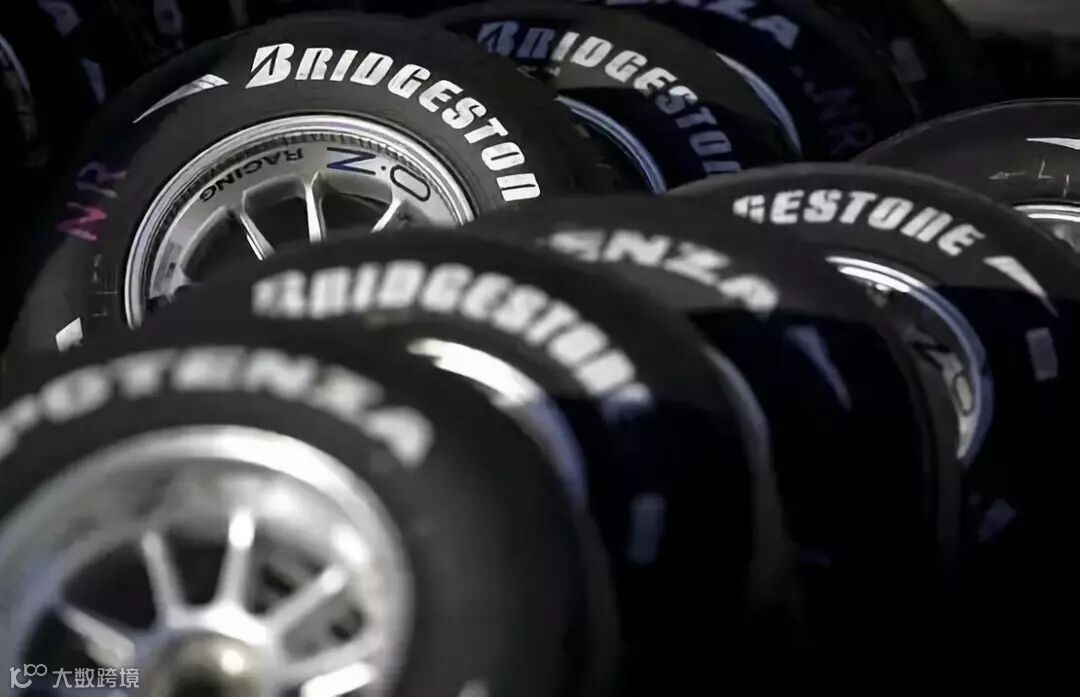
Recently, Bridgestone announced that it has developed a high-strength rubber (HSR) made from a combination of rubber and resin at the molecular level, and that the hybrid material would have excellent properties of both rubber and resin. The company’s researchers stated that HSR was synthesized under Bridgestone's original Gd catalyst, which promotes conjugated diene (such as butadiene and isoprene) and olefins (such as ethylene) copolymerization at the molecular level. Bridgestone technical director Kaita pointed out that although a mixture of rubber and resin already existed, HSR was the only polymer that dispersed the vinyl resin component throughout the rubber. Kaita said that the company was already studying the application of HSR in tire manufacturing, and even that the material can be used without vulcanization, which greatly enhances the recyclability of the material.
According to the Japanese Industrial Standards test, the crack resistance of HSR is 5 times higher than that of natural rubber. After vulcanization, its abrasion resistance is about 2.5 times stronger than that of natural rubber, and the tensile strength under the same conditions is about 1.5 times higher than that of natural rubber. At the same time, in the ozone resistance test, HSR is more resistant to aging due to the presence of resin, indicating that it is more weather resistant than natural rubber and synthetic rubber.

For more information please contact us at
overseas.sales@sci99.com
overseas.info@sci99.com
+86-533-6296499