
BSM CEO: We Must Take the Next Generation Seriously
Visit the homepage of Bernhard Schulte Shipmanagement (BSM), and one phrase stands out: “Our people are at the heart of all we do.” It’s a rare statement to see so prominently in a maritime world built on tonnage, technology, and turnaround time. But for Sebastian von Hardenberg, BSM’s new CEO, it’s not just a slogan, it’s the foundation of a strategy.
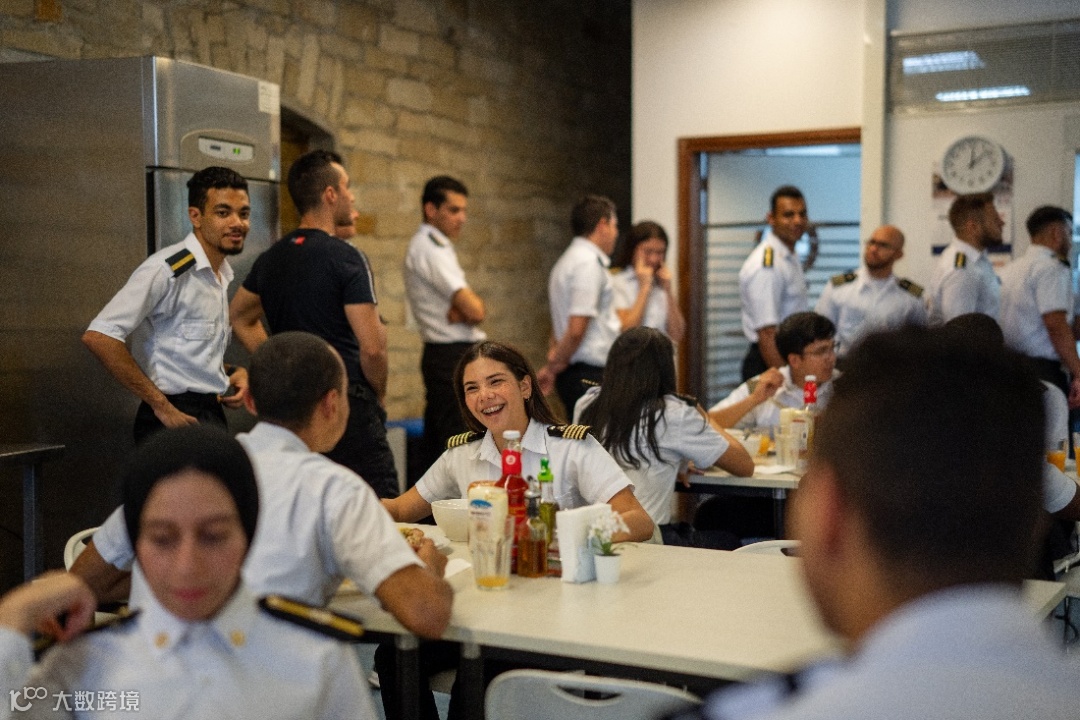
Our people are at the heart of all we do. @BSM
In an exclusive interview with Xinde Marine News, von Hardenberg referenced “people” more than ten times in just 30 minutes. This emphasis offers a glimpse into how one of the industry’s oldest family-owned enterprises continues to thrive in times of transition.
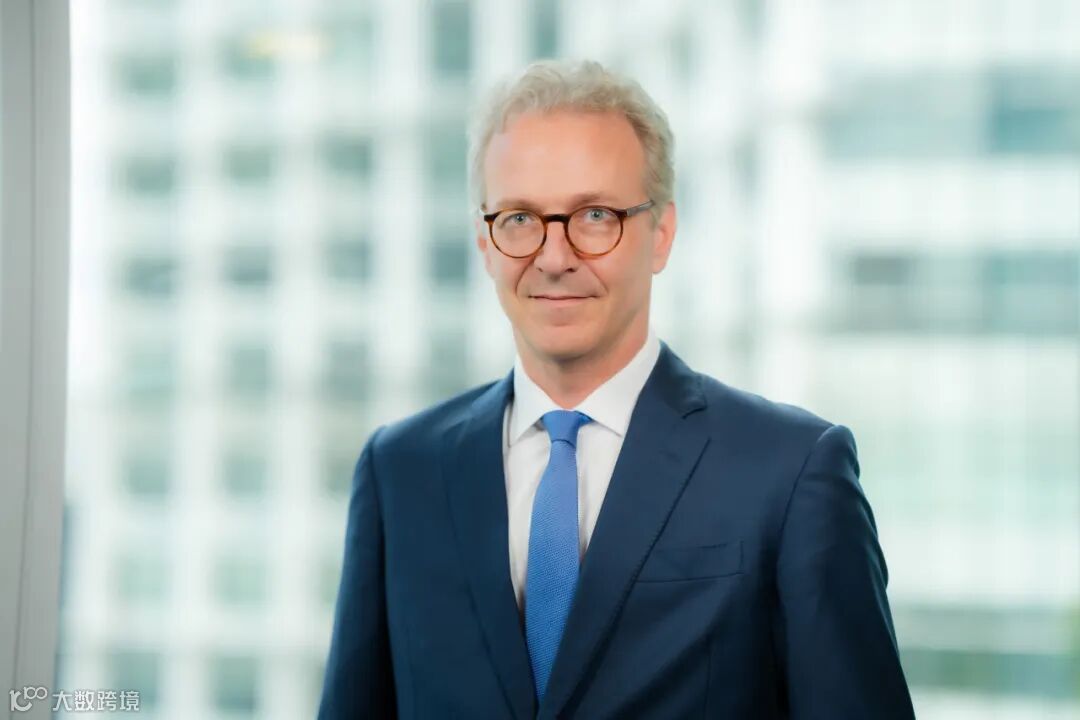
Sebastian von Hardenberg
CEO of BSM
Having joined BSM in 2005, von Hardenberg has held key roles in finance, risk, and strategy. In early 2025, he assumed the role of CEO and concurrently serves as Chairman of InterManager, where he champions industry-wide collaboration on safety, digitalization, and decarbonization.
Building on a Century of Stability
Xinde Marine News
What is the secret to BSM’s resilience over the past decades? How do you balance heritage with innovation?
Sebastian von Hardenberg
Our stability comes from being 100% family-owned. That allows us to focus on our core mission—vessel safety, the well-being of our people, and long-term customer relationships.
We take a generational view of decision-making. It’s never just about the next year, but the next decade. At the same time, innovation is essential—and that often comes from younger generations entering the company with new ideas and energy.
Heritage and innovation are not contradictions. Our legacy provides the direction for targeted, sustainable progress. The combination of long-term vision and young talent is what drives our success.
Seafarers Today Expect More and So They Should
Xinde Marine News
Crew shortages are a major industry concern. How is BSM responding?
Sebastian von Hardenberg
First, we work hard to remain attractive to the next generation of seafarers. For them, it’s no longer just about wages. They expect a better quality of life, access to mental health support, seamless digital tools, and even connectivity for social media and digital wallets. We’ve adapted to meet these expectations.
Second, we maintain a diversified global crewing pool. BSM operates 28 crew service centres worldwide. This allows us to remain resilient when geopolitical events disrupt availability in specific regions. That flexibility comes from long-standing investment in crew development and sourcing diversity.
Digital and Green Shift Starts with Talent
Xinde Marine News
Do you see digitalization as the next major growth driver in ship management?
Sebastian von Hardenberg
Absolutely. It is transforming how we operate, collaborate, and stay compliant.
At BSM, we’ve developed a fully integrated digital ecosystem. Our proprietary platforms—SmartPAL and LiveFleet—consolidate over 45 core ship management modules into one database. This enables predictive maintenance, AI-assisted decision-making, and automated compliance reporting.
But digitalization is not just about technology—it’s about people. We believe in human-tech synergy. Through VR-based training, AI tools, and fleet-wide digital literacy programs, we empower seafarers to thrive, not just cope.
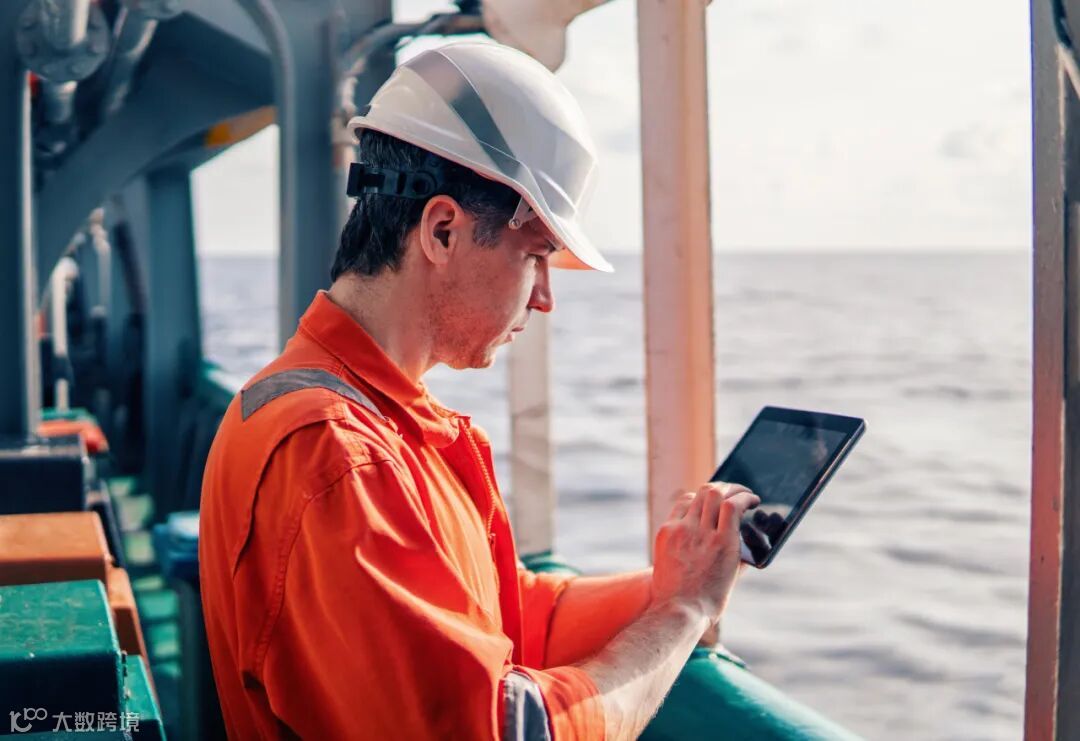
At BSM, we consider digitalisation to be a
key competitive factor. @BSM
Xinde Marine News
You’ve also described BSM as “fuel-agnostic.” How do you see the energy transition unfolding?
Sebastian von Hardenberg
Choosing the right fuel is one of the most complex decisions for shipowners today. Our job is to support whichever route they choose, whether LNG, methanol, or ammonia, and help them implement it safely and efficiently.
We’ve always followed a fuel-agnostic approach. We don’t commit to one fuel; we prepare for all. BSM now manages the world’s largest third-party fleet of LNG vessels over 70 ships. Our first methanol dual-fuel vessels are joining the fleet this year, and we’re actively involved in shaping ammonia safety standards through industry and IMO collaboration.
But none of this works without people. The fuel transition is not just a technical challenge, but also a training challenge. Across our six global training centres, we’re building a future-ready workforce with the skills to operate next-generation vessels.
We can’t predict the fuel mix of the future, but we can make sure our seafarers are ready to operate it.
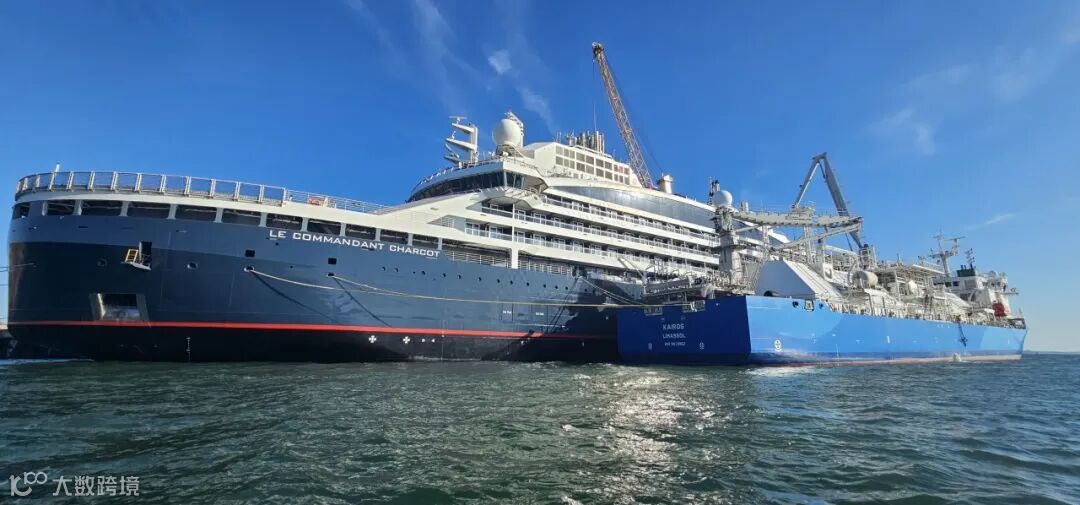
BSM empowers energy transition through fuel-agnostic
expertise, demonstrating third-party ship
management leadership in action. @BSM
A Stronger, Smarter Partnership with Shipowners
Xinde Marine News
Beyond talent shortages, what are the key risks you see in the maritime sector? How can third-party managers help?
Sebastian von Hardenberg
We’re dealing with a far more complex operating environment: geopolitical tensions, trade fragmentation, sanctions, and evolving regulatory frameworks. Large owners may have the in-house expertise to handle this. Many smaller and mid-sized owners do not.
That’s where experienced third-party managers come in. We have the scale, systems, and know-how to help owners navigate this complexity, whether it’s through digital platforms, regulatory support, or crewing continuity. Our role is to turn uncertainty into opportunity.
Xinde Marine News
Has the relationship between shipowners and managers evolved?
Sebastian von Hardenberg
I see shipowners and managers as one team. The manager should act as the owner’s trusted agent and long-term partner, not a vendor. I don’t believe in an “us versus them” mindset. The manager’s role is not to impose, but to listen, support and deliver. That’s how real partnerships work.
Chinese seafarers represent globally leading high-calibre talent.
Xinde Marine News
BSM has significantly increased its China market investment in recent years. Could you outline your strategic priorities there?
Sebastian von Hardenberg
China holds pivotal importance in our global strategy. Our presence dates to the 1980s in Hong Kong, where we were among the first wholly foreign-owned third-party ship managers to enter China, reflecting BSM’s enduring commitment to this region.
Currently, BSM operates two hubs in China: Hong Kong and Shanghai. Beyond serving as a key ship management centre, Shanghai hosts a training facility with advanced bridge simulators, delivering quality training for local and Asia-Pacific seafarers.
To further strengthen local crew resources, we established a joint venture called BSM-HMC Maritime Services (Hainan) Co., Ltd. in November 2024 in Haikou, together with Huayang Maritime Centre. This entity focuses on developing future fuel-ready Chinese seafarers to support the industry’s green transition.
Moving forward, we prioritise two areas: supporting Chinese shipowners with green compliance (e.g., EU ETS management, FuelEU Maritime solutions, digital tools); and advancing SmartPAL system localisation to better serve domestic digitalisation needs.
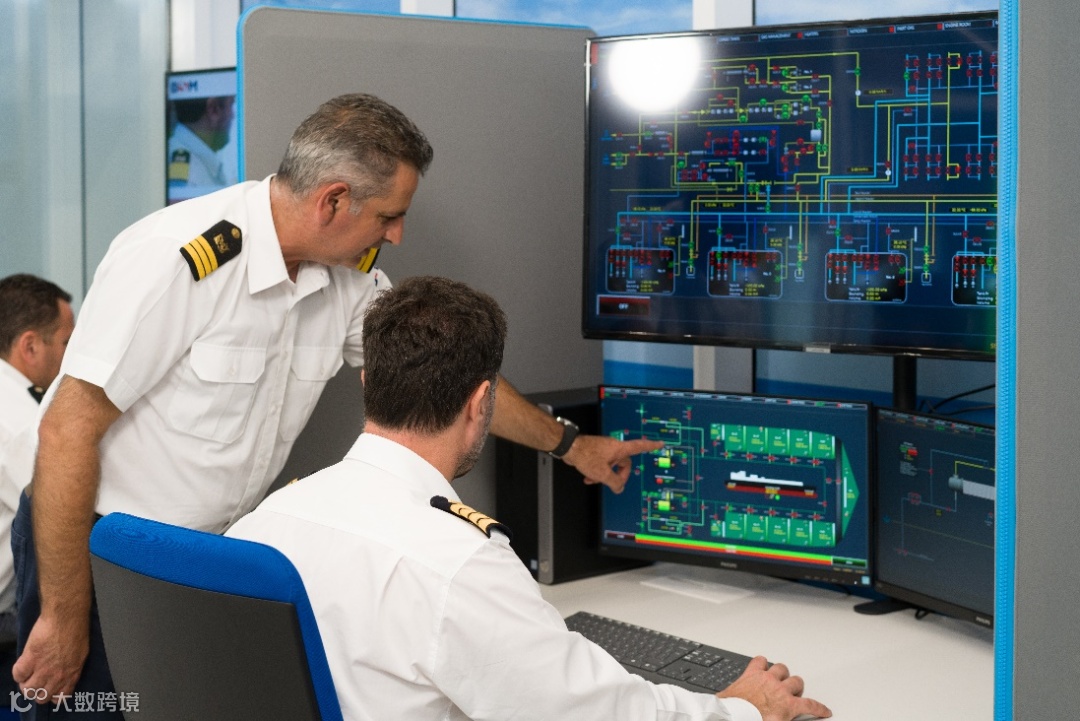
We can’t predict the fuel mix of the future, but we can make
sure our seafarers are ready to operate it. @BSM
Xinde Marine News
How do you assess Chinese seafarers’ role in BSM’s global crewing strategy?
Sebastian von Hardenberg
China, with its approximately two million registered seafarers and robust maritime education system, serves as a strategic pillar for our global crewing strategy. It ranked as our third-largest crew source nation, with a pre-pandemic seafarer pool reaching 2,000 personnel. We recognise Chinese seafarers’ high professionalism, accountability, and operational competence – attributes that ensure their continued critical role throughout our global fleet.
Outstanding Chinese seafarers typically demonstrate strong accountability and rapid adaptability to digital systems, superior cross-cultural communication skills in multinational environments, and an uncompromising commitment to safe vessel operations – our foremost priority.
Conclusion
Amid global complexities, this established ship manager proactively redefines operations through human-centricity. As Sebastian states: "Prioritising people ensures we navigate future challenges together."
【投稿】【提供线索】【转载】请后台留言或电邮投稿,主题格式为【投稿】+文章标题,发送至media@xindemarine.com邮箱。
联系主编 Contact
陈洋 Chen Yang
电话/微信:15998511960
yangchen@xindemarine.com