

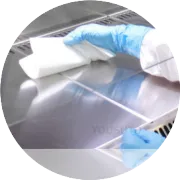
Swab sampling is an essential method for cleaning validation of small pharmaceutical equipment, where traditional rinse sampling may be impractical. It allows precise assessment of surface residues in compact or complex devices.
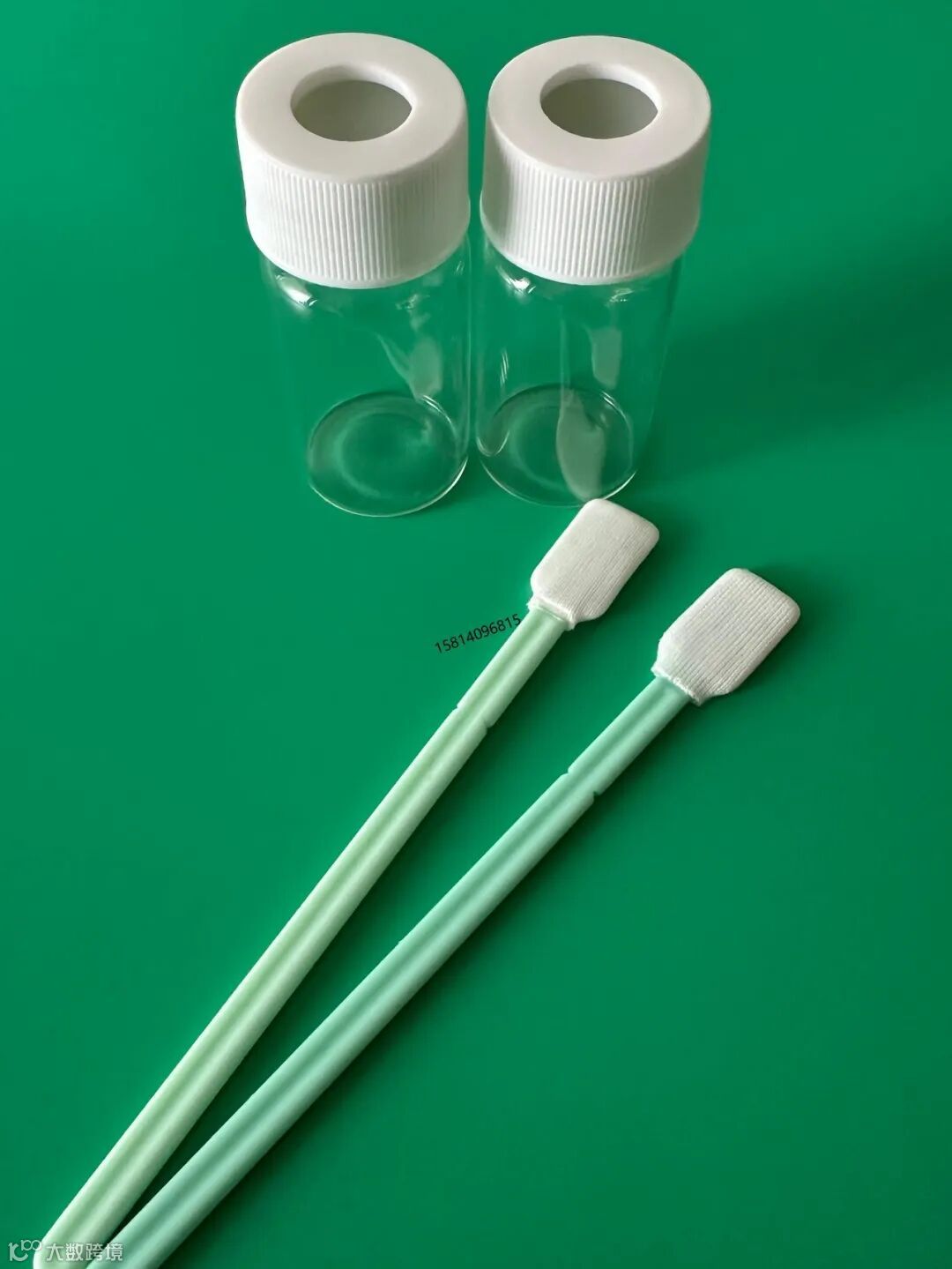
Application Process:
Identify Critical Surfaces: Focus on areas prone to residue accumulation, such as joints, valves, and narrow passages.
Select Appropriate Swabs: Use sterile, low-lint swabs compatible with the device materials and target residues.
Sampling Technique: Wipe defined surface areas using standardized patterns and consistent pressure to ensure reproducible results.
Analytical Methods: Analyze swabs using TOC, HPLC, or residue-specific assays to quantify remaining contaminants.
Documentation: Record all sampling procedures, results, and deviations to support regulatory compliance and validation reporting.
Benefits:
Swab sampling provides accurate, reproducible measurements of residues, identifies cleaning inefficiencies, and verifies that small equipment meets predefined cleanliness standards. This ensures product quality, reduces cross-contamination risk, and supports GMP compliance in pharmaceutical operations.