

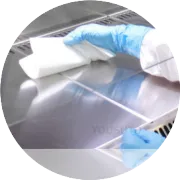
Swab sampling is a fundamental technique in pharmaceutical cleaning validation, used to assess the effectiveness of cleaning procedures and ensure equipment surfaces are free from harmful residues. The method involves using sterile, pre-wetted or dry swabs to collect residues from predefined surface areas. These swabs are then analyzed using analytical methods such as High-Performance Liquid Chromatography (HPLC), Total Organic Carbon (TOC), or other residue-specific assays to quantify remaining contaminants.
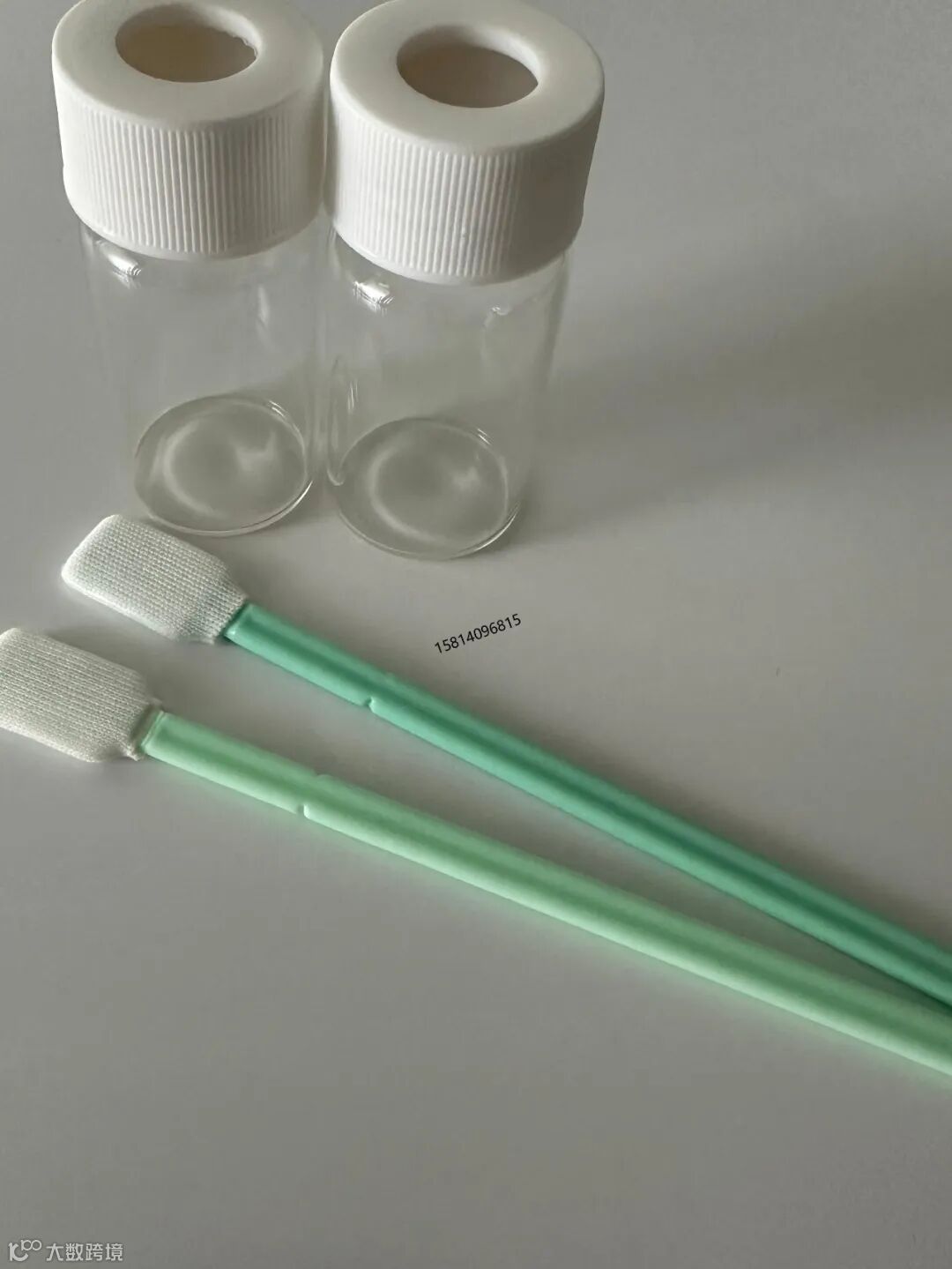
Swab validation is particularly valuable for small, intricate, or hard-to-reach areas where visual inspection cannot guarantee cleanliness. It provides precise, reproducible data that helps evaluate whether cleaning procedures meet pre-established acceptance criteria. By comparing results across multiple surfaces and equipment, swab testing enables the identification of cleaning inefficiencies and supports the optimization of cleaning protocols.
Integrating swab sampling with other analytical methods, such as TOC measurement, offers a comprehensive view of surface cleanliness. This combination ensures compliance with regulatory guidelines, enhances product quality, and minimizes the risk of cross-contamination, particularly in high-risk pharmaceutical manufacturing environments.
Swab validation is therefore an essential tool in maintaining stringent cleaning standards, ensuring both operational efficiency and patient safety.