点击“蓝字”
关注+星标我们

联系电话 |021-5407-5836
联系邮箱 |PR@frostchina.com

FROST & SULLIVAN GROWTH OPPORTUNITY NEWS
Top 10 Strategic Imperatives Revolutionizing the Global Power and Energy Industry
BY Janani Hari
The global power and energy industry is experiencing rapid transformation as electrification, decentralization, and digital innovation redefine how energy is generated, managed, and consumed. At the same time, the expansion of distributed energy resources, from renewables and battery storage to heat pumps and electric vehicles (EVs), is accelerating the shift toward smarter, cleaner energy systems. So, how will your organization adapt amid this competitive and dynamic landscape?
To remain future-ready amid emerging energy megatrends, providers are aligning with these 10 strategic imperatives that are reshaping conventional energy ecosystems:
Industry Convergence
Advancing EV Infrastructure Through Cross-sector Collaboration: Auto manufacturers, utilities providers, and cities are increasingly coordinating on interconnection, grid upgrades, and cost-sharing to accelerate public, workplace, and home charging deployment. This integrated approach improves implementation and utilization while reducing costs and delays. As a result, large-scale EV adoption is becoming more viable and economically sustainable.
Is your organization leveraging cross-sector collaboration to accelerate EV infrastructure growth?
Competitive Intensity
Driving Energy Efficiency Through AI-powered Platforms: AI is rapidly transforming renewables, storage systems, EVs, and smart buildings. This integration enables dynamic grid optimization, automated balancing, and predictive control, lowering costs and improving reliability across diverse networks. As this shift gains momentum, providers are expanding AI integration across the energy value chain.
Transformative Megatrends
Building Local Resilience Through Decentralized Energy Systems: Localized generation, storage, and microgrids are reducing dependence on centralized grids, strengthening energy security, and ensuring a reliable supply even amid climate risks and shifting demand patterns. This move toward decentralized systems drives communities and industries to achieve greater energy independence and long-term sustainability.
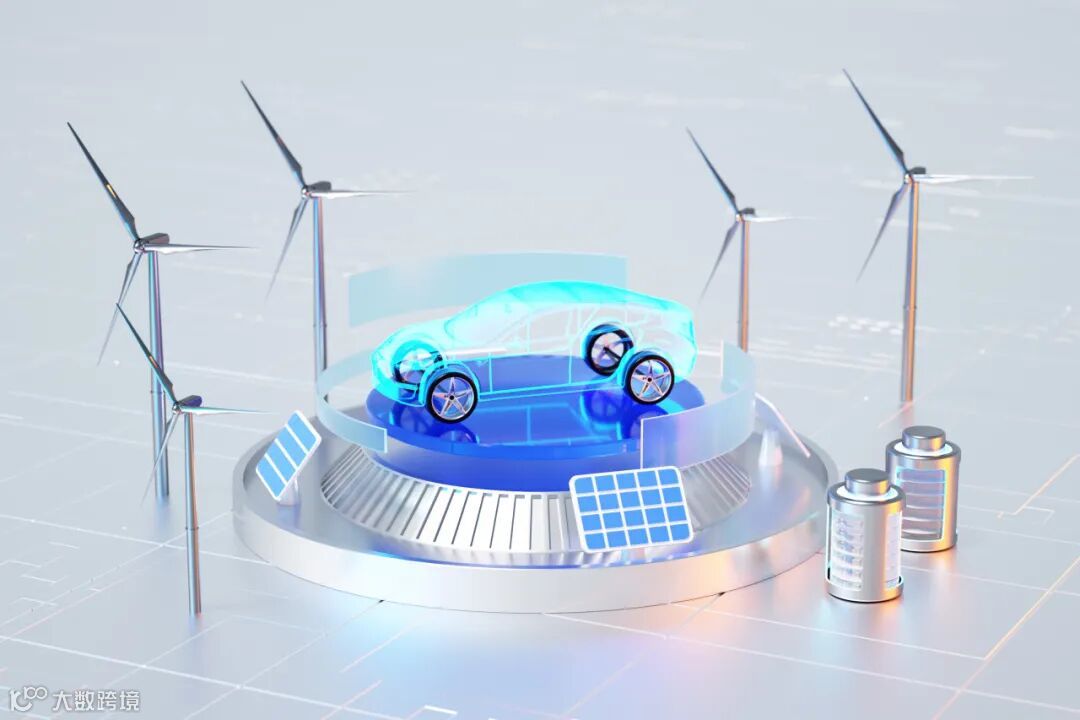
How are you aligning decentralized energy investments with your long-term sustainability goals?
Compression of Value Chains
Maximizing Efficiency with IoT-Enabled Grid Intelligence: Internet of Things (IoT) sensors, AI, and edge computing are enabling real-time visibility into asset performance, allowing operators to anticipate and address potential issues before they escalate. This technological synergy in value chains is pushing operators to transition toward data-driven operations that minimize downtime and strengthen grid reliability.
Innovative Business Models
Unlocking Growth Through Digital Convergence: The integration of AI, blockchain, and IoT is driving new business models like dynamic contracts, subscription models that enhance operational efficiency and customer engagement. These technologies enable companies to streamline processes, reduce costs, and deliver greater value. In response, providers are rethinking traditional approaches to remain agile and competitive in an increasingly digital energy landscape.
How will your teams implement new business models that unlock new revenue streams?
Disruptive Technologies
Delivering Reliable Clean Power Through AI-optimized Networks: AI integration, advanced analytics, and decentralized grid control are transforming how renewable and modular reactors work together. These technologies dynamically balance fluctuations and optimize energy flows to ensure continuous, low-carbon power for hyperscale data centers and digital infrastructure. This is enabling providers to strengthen reliability while advancing the clean energy transition.
Industry Convergence
Accelerating Grid Modernization Through Strategic Partnerships: AI analytics and IoT sensor networks are driving predictive maintenance, dynamic demand response, and decentralized grid management across residential, commercial, and industrial sectors. These technologies are creating adaptive systems that enhance grid reliability and efficiency. As a result, providers are fostering digital collaboration to build smarter and reliable grids.
Which digital partnerships and best practices will help you accelerate grid modernization?
Internal Challenges
Modernizing Legacy Systems for Smarter Energy Operations: Aging control and IT systems have long constrained digital progress across the energy sector. Phased modernization is now enabling the adoption of AI, IoT, and cloud-native technologies, reducing operational risks while enhancing scalability and interoperability. This is pushing providers to renew their infrastructure and build efficient, future-ready energy networks.
Transformative Megatrends
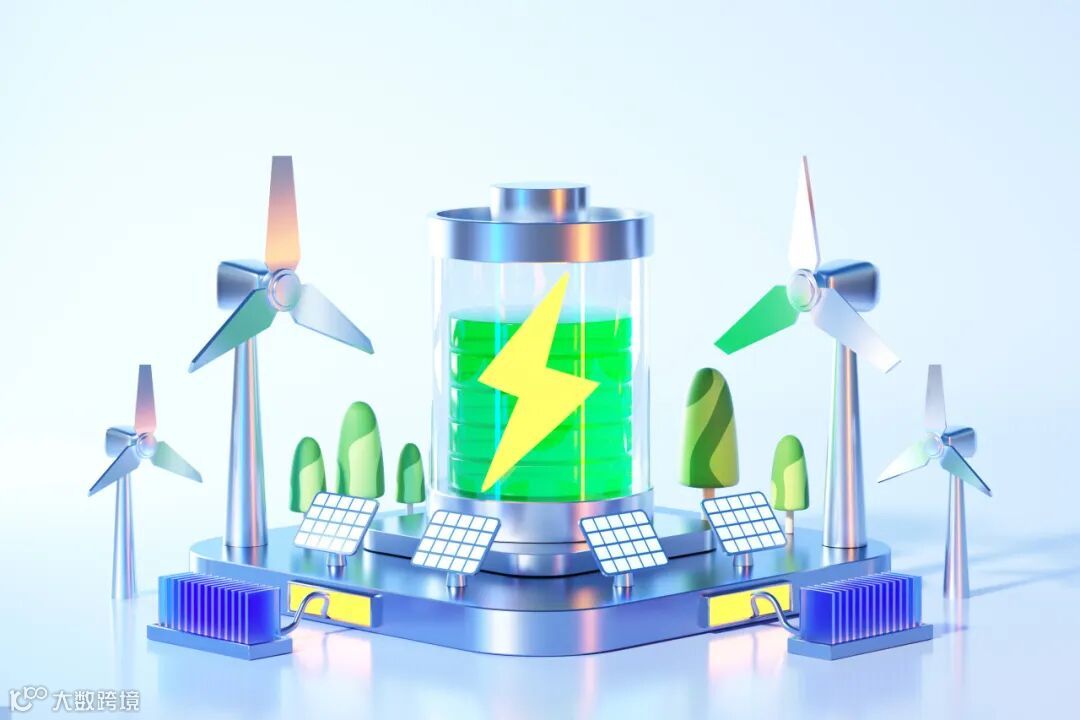
Accelerating Battery Innovation for Next-generation Storage: Sodium-ion batteries are progressing quickly from lab-scale development to industrial deployment. As production capacity grows and technology matures, they are strengthening their cost and safety advantages. By the 2030s, sodium-ion batteries could emerge as a mainstream alternative to lithium-ion batteries, driving the next phase of energy storage innovation.
Which growth processes will help you capitalize on new opportunities emerging from this transformation?
Compression of Value Chains
Enhancing Network Reliability with Automated AI Diagnostics: AI-powered fault detection is transforming how utilities monitor and maintain grid operations. With real-time visibility and predictive insights, these systems enable early issue detection, optimized maintenance schedules, and reduced downtime. As adoption expands, utility providers are evolving toward predictive networks that ensure stable and reliable power delivery.
Building the Foundation for a Smarter, Cleaner Energy Ecosystem
From decentralized systems and AI-driven grids to low-carbon solutions and advanced storage technologies, each strategic imperative is redefining the future of the power and energy landscape.
Utility providers, technology innovators, and energy-intensive industries now stand at a defining inflection point to move beyond incremental change and embrace digital, sustainable, and customer-centric business models. Those that act decisively today will not only strengthen resilience but also lead to the future of clean, smart, and interconnected energy ecosystems.

联系电话:021-5407-5836

联系邮箱:PR@frostchina.com
转载须知
感谢您对沙利文的关注与支持。如若想转载我司微信公众号的文章,请:
在原文留言,告知转载机构的名称、介绍及微信公众号ID;
在编辑页作者处填写“沙利文”;
所有转载不得对原文进行任何篡改、曲解、诠释和改编。沙利文保留对所有原创文章的版权及解释权。如有违反,沙利文保留依法追究相应法律责任的权利。
关于沙利文
全球增长咨询公司,弗若斯特沙利文(Frost & Sullivan,简称“沙利文”)融合全球64年的咨询经验,27年来竭诚服务蓬勃发展的中国市场,以全球化的视野,帮助超10,000家客户加速企业成长步伐,助力客户在行业内取得增长、科创、领先的标杆地位,实现融资及上市等资本运作目标。
沙利文深耕全球资本市场及企业咨询服务,通过创新性提出的“全域投资管理 (Total Investment Management, TIM)”为企业提供全方位的投融资及其他各类专业咨询服务,包括投融资CDD、估值服务、技术顾问、财务顾问、ESG、募投可研、债券发行行业顾问、行业顾问、评估服务、奖项服务、行业白皮书、战略及管理咨询、规划咨询、技术洞察等。
沙利文中国的投融资业务实现了对中国国民经济的全行业覆盖,包括对新经济、新基建等所有经济热点的高度关注,涵盖数字基础设施、消费电子、双碳新能源、医疗与生命科学、餐饮与新零售、半导体与集成电路、智能家居、汽车与出行、康养服务、食品与饮料、信息通信技术、金融科技、地产与物业、矿业冶炼、美容时尚、大数据与人工智能、物流与供应链、建筑科技与装饰装潢、特种新材料、文化娱乐、企业级服务、跨境电商贸易、基础设施建设、环保节能科技、教育与培训等。
沙利文团队为企业领袖及其管理团队开展投融资顾问咨询服务以来,已帮助近三千家公司成功在香港及境外上市,是国内投融资战略咨询领域的领军企业。近10年来,沙利文连年蝉联中国企业赴香港及境外上市专业行业顾问市场份额的领导地位;且近年来,沙利文报告也被广泛引用于业内领先的A股、科创板等上市公司的招股文件、一级和二级市场研究报告及其他资本市场公示文件中。
64年以来,沙利文通过其遍布全球的近50个办公室,利用强大的数据库和专家库、运用丰富的专业知识和咨询工具,帮助大量客户(包括全球1,000强公司、国内外顶级金融机构以及其他各类领先企业等)完成了包括但不限于尽职调查、估值分析和第三方评估工作等工作,达成了战略目标;创立一系列市场地位研究工具及方法论,创新性提出“FSBV沙利文品牌价值模型”,已向超1,000家企业提供市场地位研究及品牌价值评估服务,持续助力大量中国品牌实现国内与出海增长战略。