

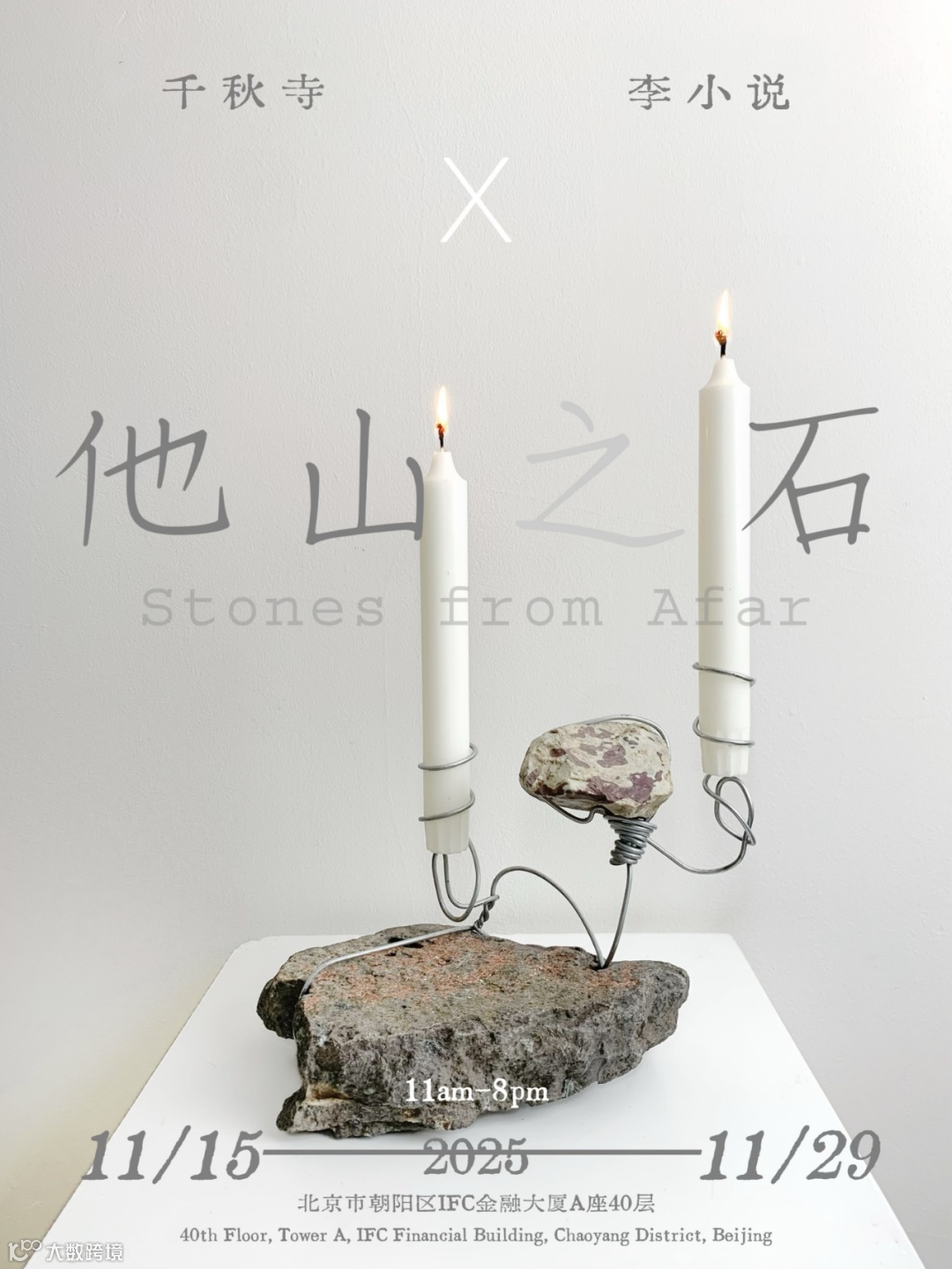
名为“他山之石”的这一系列艺术作品,以其质朴的材料——石头与铁丝,构建了一个充满张力与哲思的视觉现场。它们形似烛台,却以铁丝替代了本当燃尽的烛芯,从而悬置了其最核心的功能。这种“像烛台又不是烛台,有用又无用”的特质,并非简单的形式游戏,而是艺术家深入艺术史脉络后,对物之本质、功能性与仪式感的一次精妙叩问。
作品与上世纪六七十年代的贫穷艺术和物派运动产生了强烈的共鸣。贫穷艺术的代表艺术家,如库奈里斯,曾直接将石头、钢铁、麻袋等材料并置,让物质自身“言说”,在材料的原始属性与文化隐喻之间建立诗意的联系。“他山之石”中的石头,是自然的、时间的沉淀;而铁丝,则是工业的、人为的、带有束缚与构建意味的符号。二者的结合,是自然物与人造物的对话,也是“他山”之石被引入当下语境所发生的化学反应。
然而,这系列作品最核心的颠覆性在于其对功能的“悬置”。一个烛台,因其能承载燃烧的蜡烛而被定义。但当烛芯本身被替换为永不消耗的铁丝时,燃烧的可能性被彻底抽离。这使其从一件“用具”转变为一件“证物”,见证着功能的缺席。它指向了那个本该发生、却永不会发生的“事件”——燃烧、熔化、消逝。这种“无用之用”,深得东方哲学的精髓,如同一个为未发生的仪式所设立的祭坛,充满了期待与落空之间的永恒张力。观众在面对它时,会不自觉地在其形式(烛台)与本质(非烛台)之间徘徊,被迫思考:我们究竟是在使用中定义物件,还是在观照中理解其存在?
《庄子∙山木》中“处于材与不材之间”的思想深刻影响着中国的文化、艺术和知识分子的人格塑造,用一种看似矛盾的说法,挑战人们僵化的功利思维,揭示一种更深邃的价值存在方式,更高级的生命哲学。“他山之石”不仅仅是几件静默的雕塑。它们是观念的载体,是艺术史中关于“物”的思辨在当下的回响。它们用最谦卑的材料,挑战了日常用品的功能性霸权,邀请我们重新审视那些看似确定无疑的范畴,在“有用”与“无用”的边界上,开辟出一片沉思与诗意的飞地。
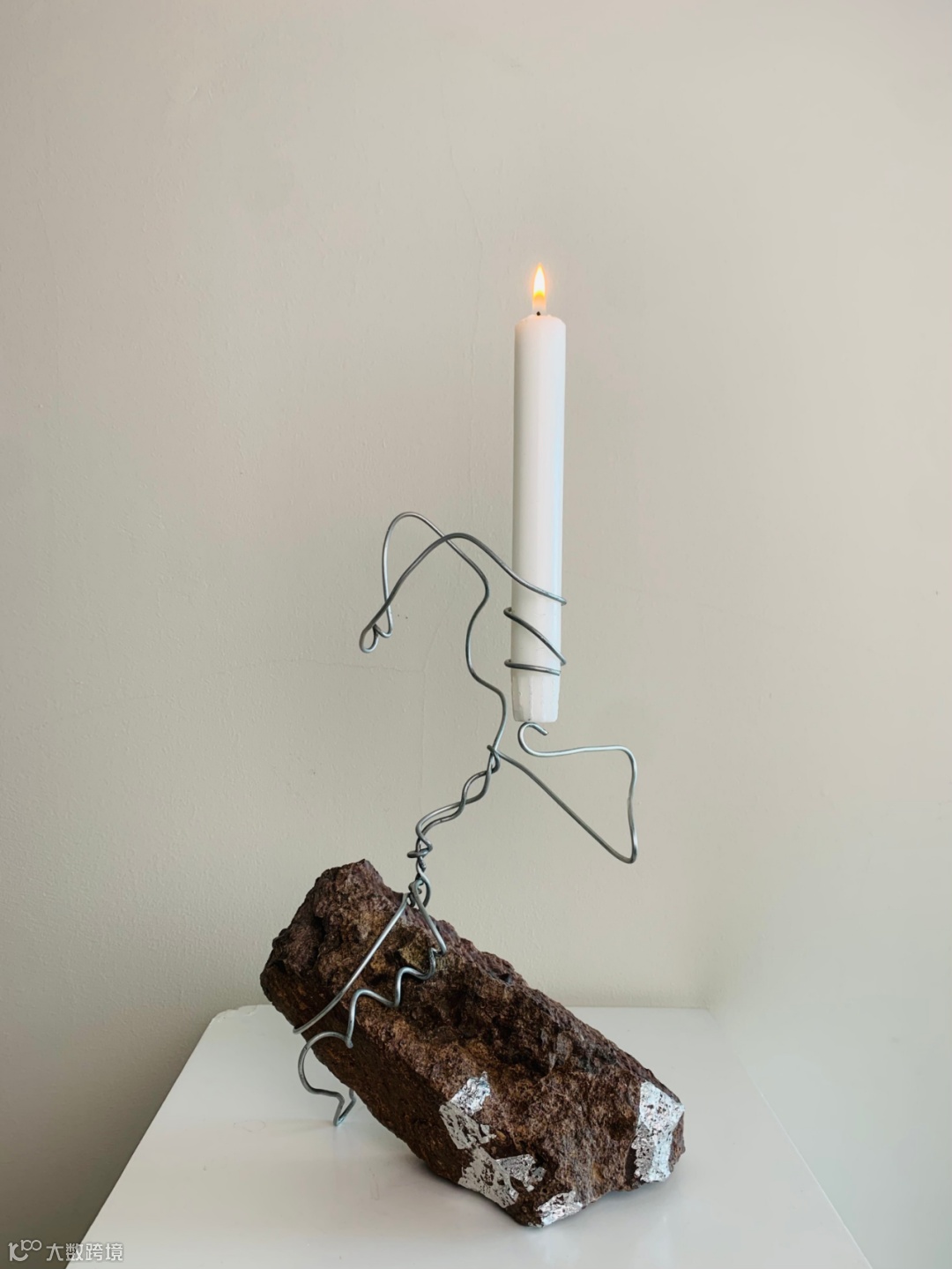
他山之石(拾肆)
USELESSSTONE NO.14,2025
20x10x36cm
岩石,铁,铝,蜡
Stone,Iron,Aluminium,Wax
The series of artworks titled "Stones from Afar" constructs a visual field brimming with tension and philosophical contemplation through its humble materials—stone and iron wire. Resembling candlesticks yet replacing the consumable wick with iron wire, the works suspend their most fundamental function. This characteristic of being "like a candlestick yet not a candlestick, both useful and useless" is not merely a formal game, but rather a sophisticated inquiry by the artist—deeply rooted in art history—into the essence of objects, functionality, and ritual.
The works resonate strongly with the Arte Povera and Mono-ha movements of the 1960s and 70s. Representative artists of Arte Povera, such as JannisKounellis, directly juxtaposed materials like stone, steel, and burlap, allowing the materials themselves to "speak," thereby establishing poetic connections between their raw properties and cultural metaphors. The stones in "Stones from Afar" are sediments of nature and time; while the iron wire is a symbol of the industrial, the man-made, carrying connotations of restraint and construction. The combination of the two initiates a dialogue between the natural and the artificial, a chemical reaction that occurs when stones from ”afar" are introduced into a contemporary context.
However, the most fundamentally disruptive aspect of this series lies in its "suspension" of function. A candlestick is defined by its ability to hold a burning candle. But when the wick itself is replaced by perpetually unconsumed iron wire, the possibility of burning is utterly removed. This transforms it from a "utensil" into a "witness," testifying to the absence of function. It points towards that which should have occurred but never will—the burning, melting, and vanishing. This "usefulness of the useless" captures the essence of Eastern philosophy, akin to an altar erected for a ritual that never takes place, brimming with the perpetual tension between anticipation and letdown. When confronting it, the viewer unconsciously oscillates between its form (candlestick) and its essence (non-candlestick), compelled to ponder: do we define objects through their use, or comprehend their existence through contemplation?
The concept of "dwelling in the space between utility and uselessness" from Zhuangzi ∙ The Mountain Tree has profoundly influenced Chinese culture, art, and the character formation of intellectuals. Through a seemingly paradoxical expression, it challenges rigid utilitarian thinking and reveals a more profound mode of existence—a higher philosophy of life. "Stones from Afar" is more than just a few silent sculptures. They are vessels of concepts, echoes of the speculative discourse on the "object" within art history resonating in the present. Using the most humble materials, they challenge the functional hegemony of everyday objects, inviting us to re-examine seemingly fixed categories, and opening up an enclave for contemplation and poetry on the boundary between the "useful" and the "useless."
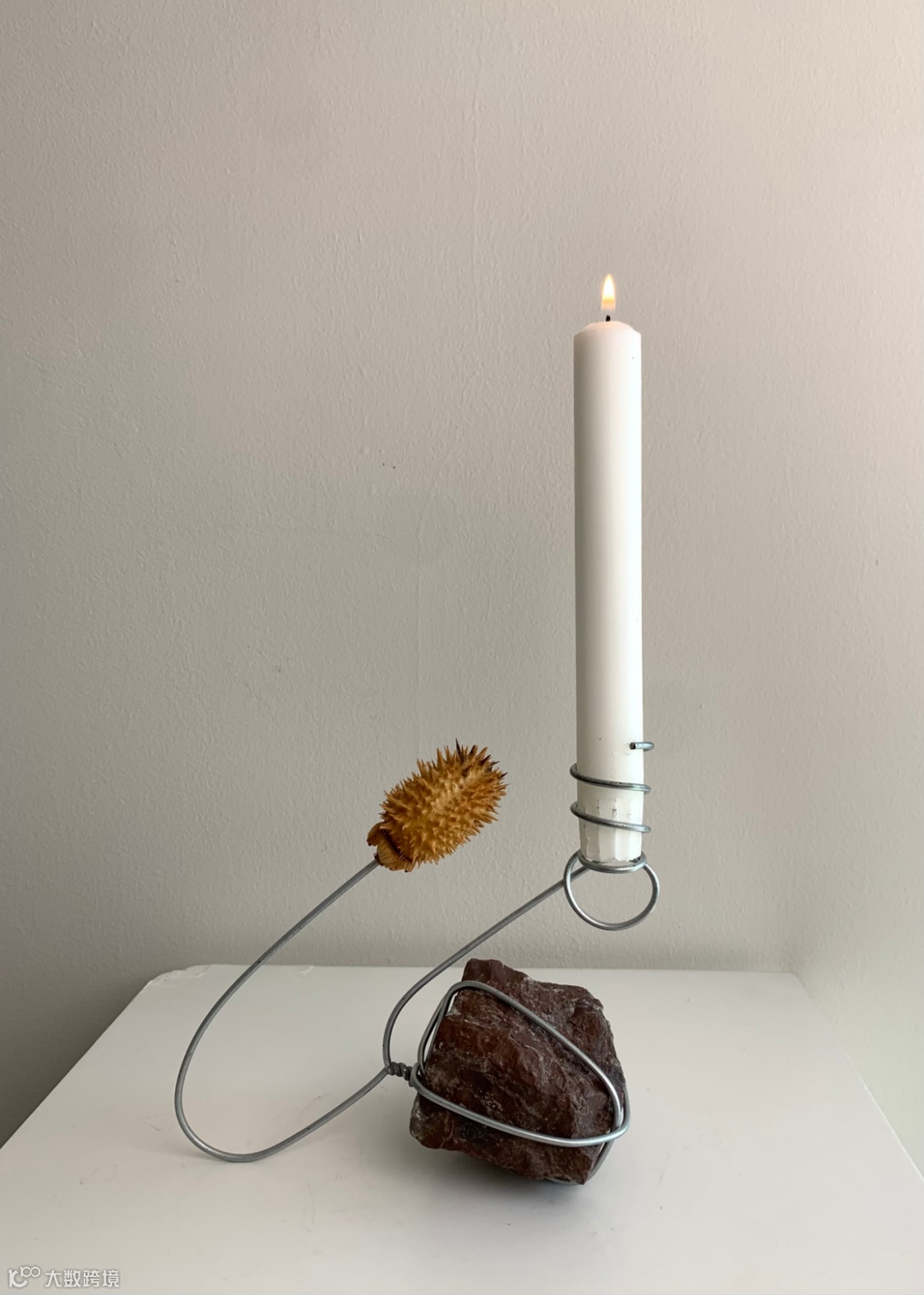
他山之石(壹)
USELESSSTONE NO.1,2025
14x8x27cm
岩石,铁,曼陀罗果实,蜡
Stone,Iron,Datura,Wax
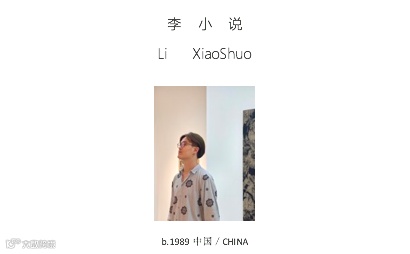
李小说是一位立足于中国当代艺术语境,以植物为独特媒介的跨界创作者。他拥有电影学硕士学位,这种叙事艺术的学术背景,深度塑造了其艺术创作的镜头感与内在戏剧性,使其善于捕捉并呈现复杂微妙的情感流动。
艺术家的创作核心,是借植物这一古老而充满生命力的语言,构建一个与当代人精神世界对话的场域。他将目光投注于都市化、数字化时代下,个体与群体所经历的疏离、焦虑、渴望与韧性等复杂情绪。通过对植物形态、质感与生命周期的精准把控,艺术家将这些无形的情感物化为可感知的视觉诗篇。其作品并非停留在美学表层,而是主动融入社会学的前沿思考,从人际关系、身份认同到环境伦理,由表及里,直击观者内心,引发深层次的共鸣与反思。
其艺术表达意识深深植根于东方文化的土壤,同时又积极吸收世界不同文化背景与艺术门类的营养。这种跨文化的淬炼与融合,最终形成了其兼具国际视野与东方哲思的强烈个人风格,并试图在全球化语境中,创造一种根植传统又面向未来的全新植物艺术美学。
得益于对自然天生的敏锐洞察力,艺术家的创作视野并不仅限于植物王国。他广泛涉猎其他自然领域,将诸如石头等地质材料也纳入其创作体系。这些源自大地的原始物料,携带着时间与历史的印记,与植物所代表的鲜活生命体并置,共同构筑起一个更为宏大、厚重的自然叙事。
艺术家独特而敏感的艺术触角,及其作品所蕴含的融合气质,已受到来自艺术、设计、时尚与商业等多个领域的广泛关注与青睐。其合作方包括但不限于:PRADA、BOTTEGA VENETA、JW ANDERSON 等国际时尚品牌;GQ智族、WALLPAPER*卷宗 等一线媒体;回到二十世纪画廊、噫吁唏艺术馆、东景缘Temple 、高山艺术中心等知名艺术机构;以及缦合北京、阿那亚EOSO雲颂酒店 等高端生活空间,并与众多杰出艺术家及创作者展开深度对话。
李小说以其跨学科的学术背景、广泛的兴趣爱好以及对自然材料的深刻理解,成功塑造了一种极具个人特色且富有哲学思辨的艺术实践。他的作品不仅是自然之美的颂歌,更是一面映照当代人灵魂的镜子,邀请我们重新审视自身的情感、彼此的联系以及我们在这个世界中的位置。
Li Xiaoshuo is a cross-disciplinary creator anchored in the context of contemporary Chinese art, renowned for using plants as his unique medium. Holding a Master's degree in Film Studies, his academic background in narrative arts has profoundly shaped the cinematic sensibility and inherent drama in his artistic practice, enabling him to expertly capture and convey complex and subtle emotional undercurrents.
The core of his creative work lies in employing plants—an ancient and vibrant language—to construct a space for dialogue with the inner world of contemporary individuals. He focuses on the complex emotions experienced by people in this era of urbanization and digitalization—feelings of alienation, anxiety, longing, and resilience. Through precise control of the forms, textures, and life cycles of plants, the artist materializes these intangible emotions into tangible visual poetry. His works transcend mere aesthetic appeal, actively engaging with cutting-edge sociological reflections on interpersonal relationships, identity, and environmental ethics. They move from surface appearance to inner essence, striking a chord with viewers and evoking deep resonance and contemplation.
His artistic expression is deeply rooted in the soil of Eastern culture, while simultaneously drawing nourishment from diverse cultural backgrounds and art forms across the globe. This process of cross-cultural refinement and fusion has resulted in a strong personal style that merges international perspectives with Eastern philosophy. He aims to create anewplant art aesthetic that is both rooted in tradition and future-oriented within a global context.
Benefiting from a natural, keen insight into nature, the artist's creative vision is not confined to the plant kingdom. He extensively explores other natural domains, incorporating materials such as stones and other geological elements into his creative system. These primal materials, sourced from the earth and bearing the imprint of time and history, are juxtaposed with the living entities represented by plants. Together, they construct a more expansive and profound narrative of nature.
Li Xiaoshuo has successfully developed a highly distinctive and philosophically contemplative artistic practice through his interdisciplinary academic background, wide-ranging interests, and profound understanding of natural materials. His works are not merely odes to the beauty of nature; they also serve as mirrors reflecting the contemporary soul, inviting us to re-examine our own emotions, our connections with one another, and our place in this world.
Li Xiaoshuo's uniquely sensitive artistic vision and the integrative essence of his works have garnered extensive attention and acclaim across diverse fields such as art, design, fashion, and commerce. His collaborators include, but are not limited to: international fashion houses like PRADA, BOTTEGA VENETA, and JW ANDERSON; premier media outlets such as GQ China and **Wallpaper**; renowned art institutions including Gallery of the 20th Century, Yixuxi Art Museum, and The Temple Hotel; as well as luxury lifestyle spaces like Man He Beijing and Aranya EOSO Yun Song Hotel. He has also engaged in profound dialogues with numerous distinguished artists and creators.
Through his interdisciplinary academic foundation, wide-ranging interests, and deep understanding of natural materials, Li Xiaoshuo has successfully cultivated an artistic practice that is deeply personal and rich in philosophical inquiry. His works are not merely odes to the beauty of nature; they also serve as a mirror reflecting the contemporary soul, inviting us to re-examine our own emotions, the connections between us, and our place in this world.
他 山 之 石 x 登 楼 游 园
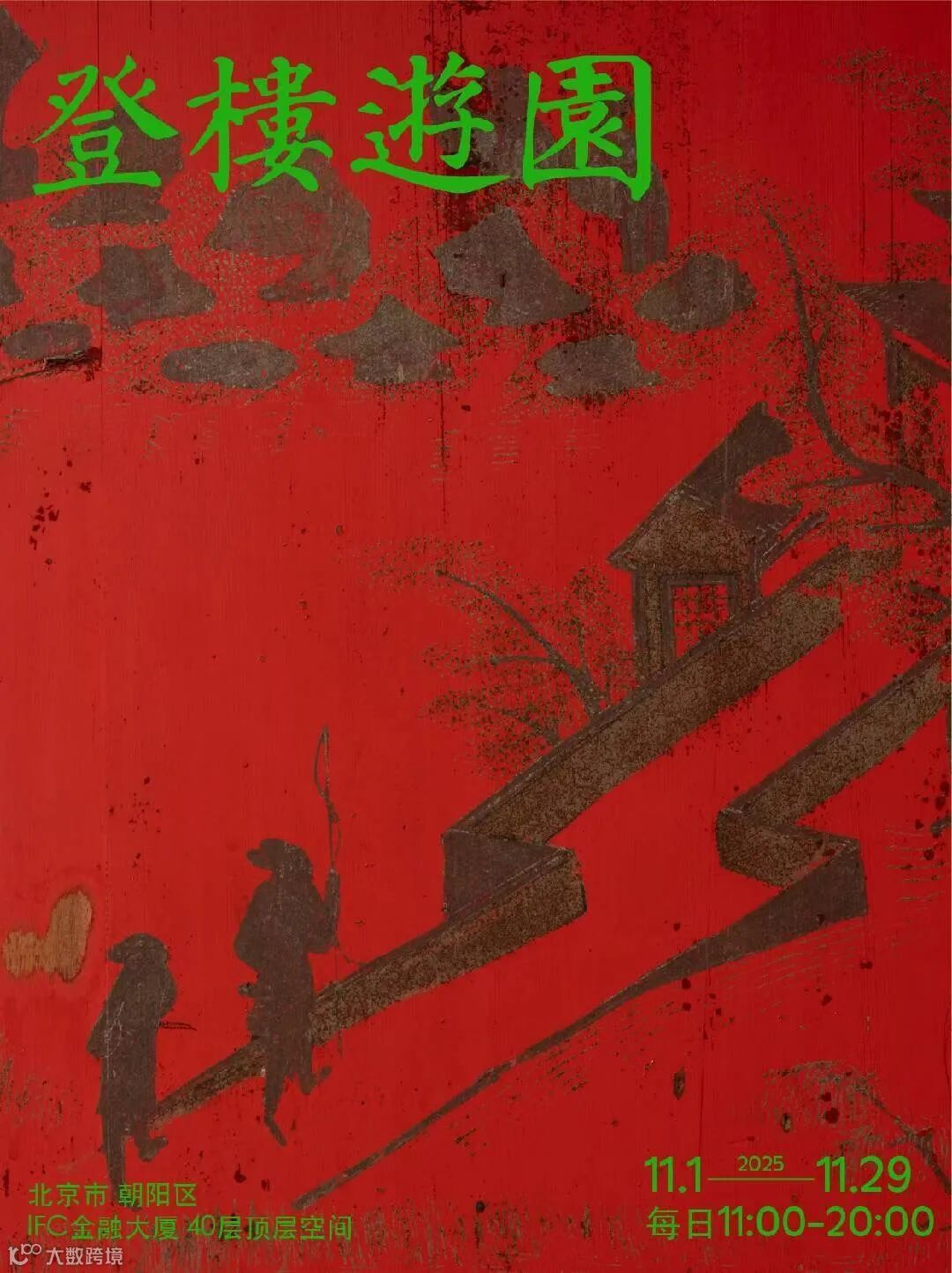
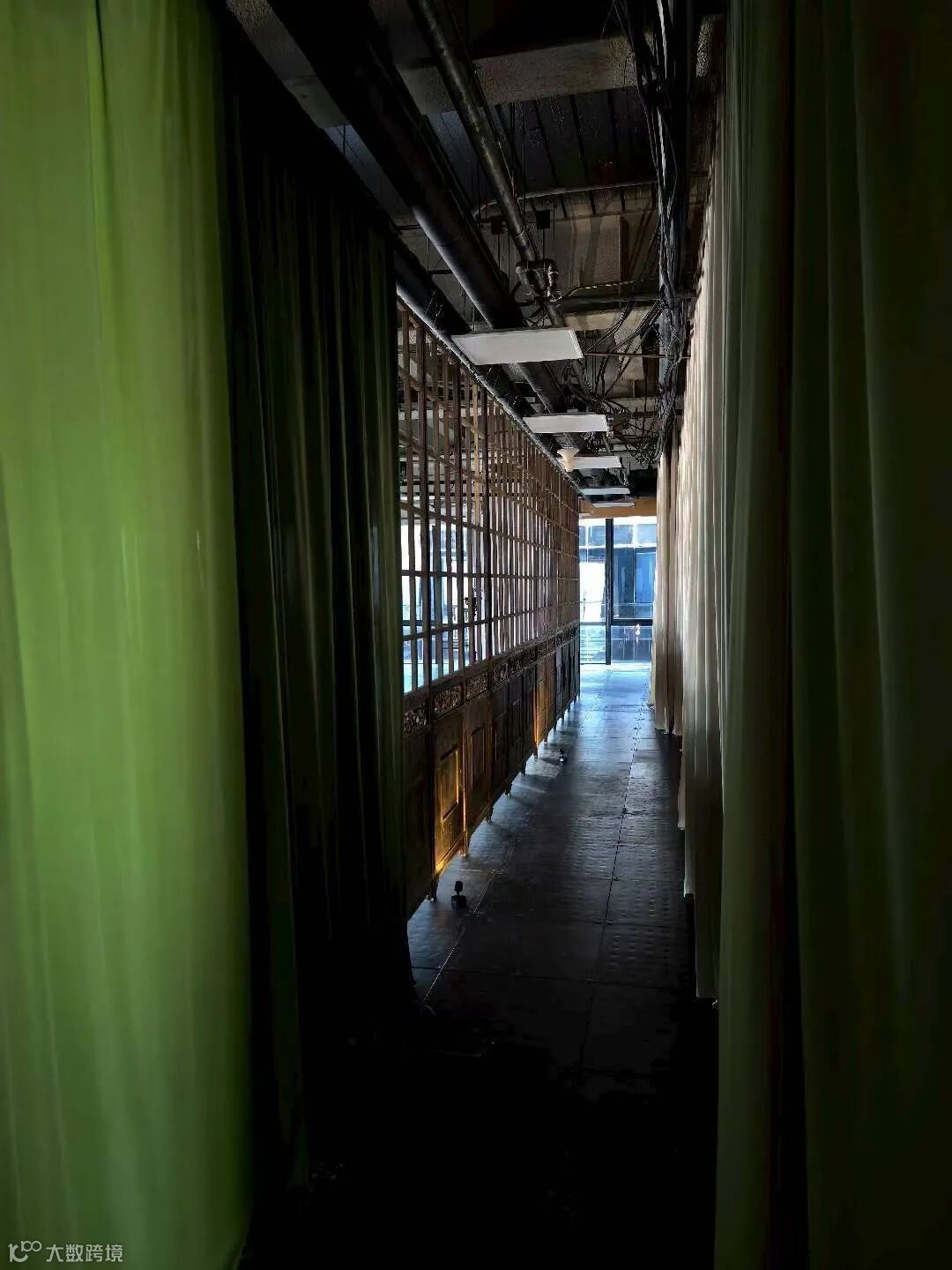
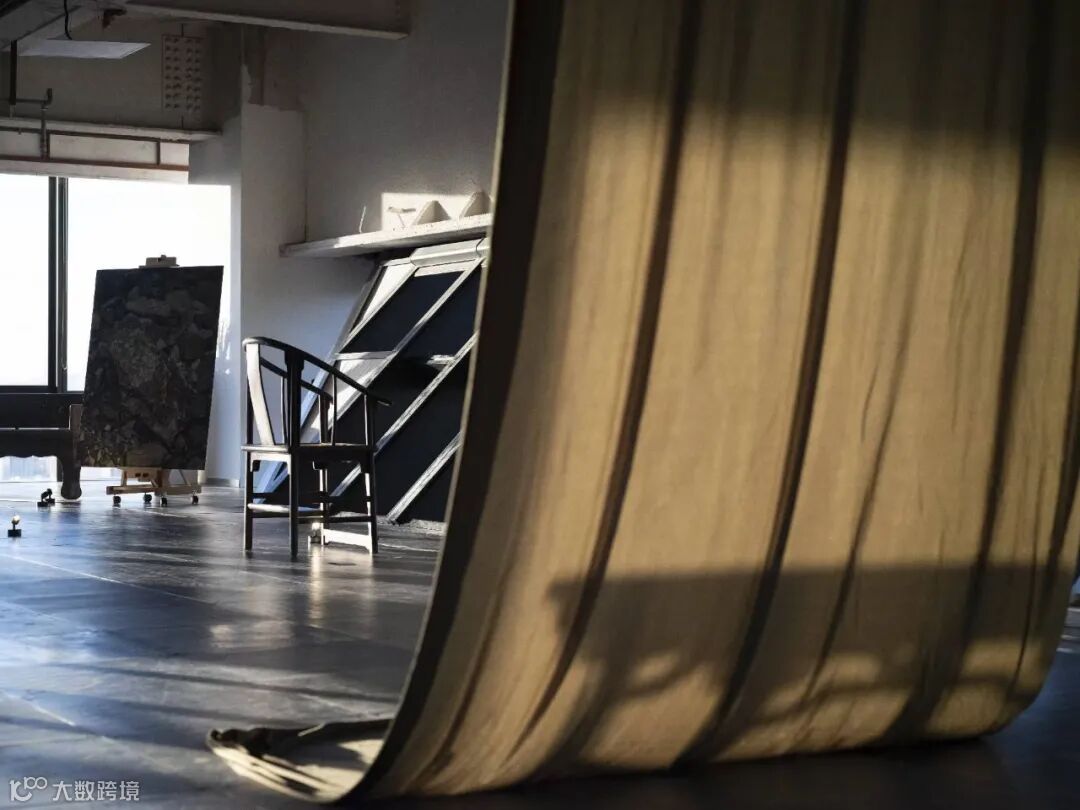
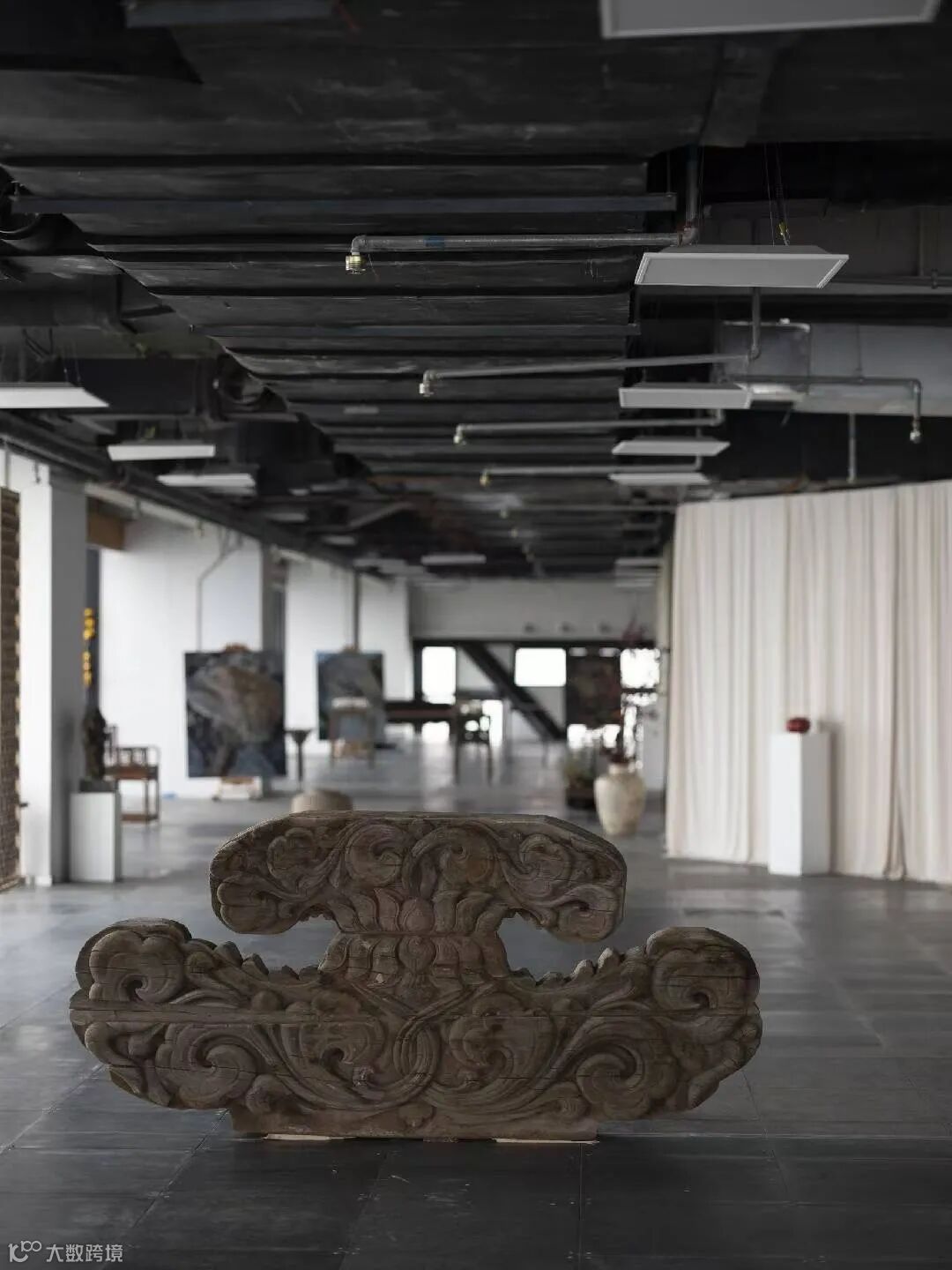
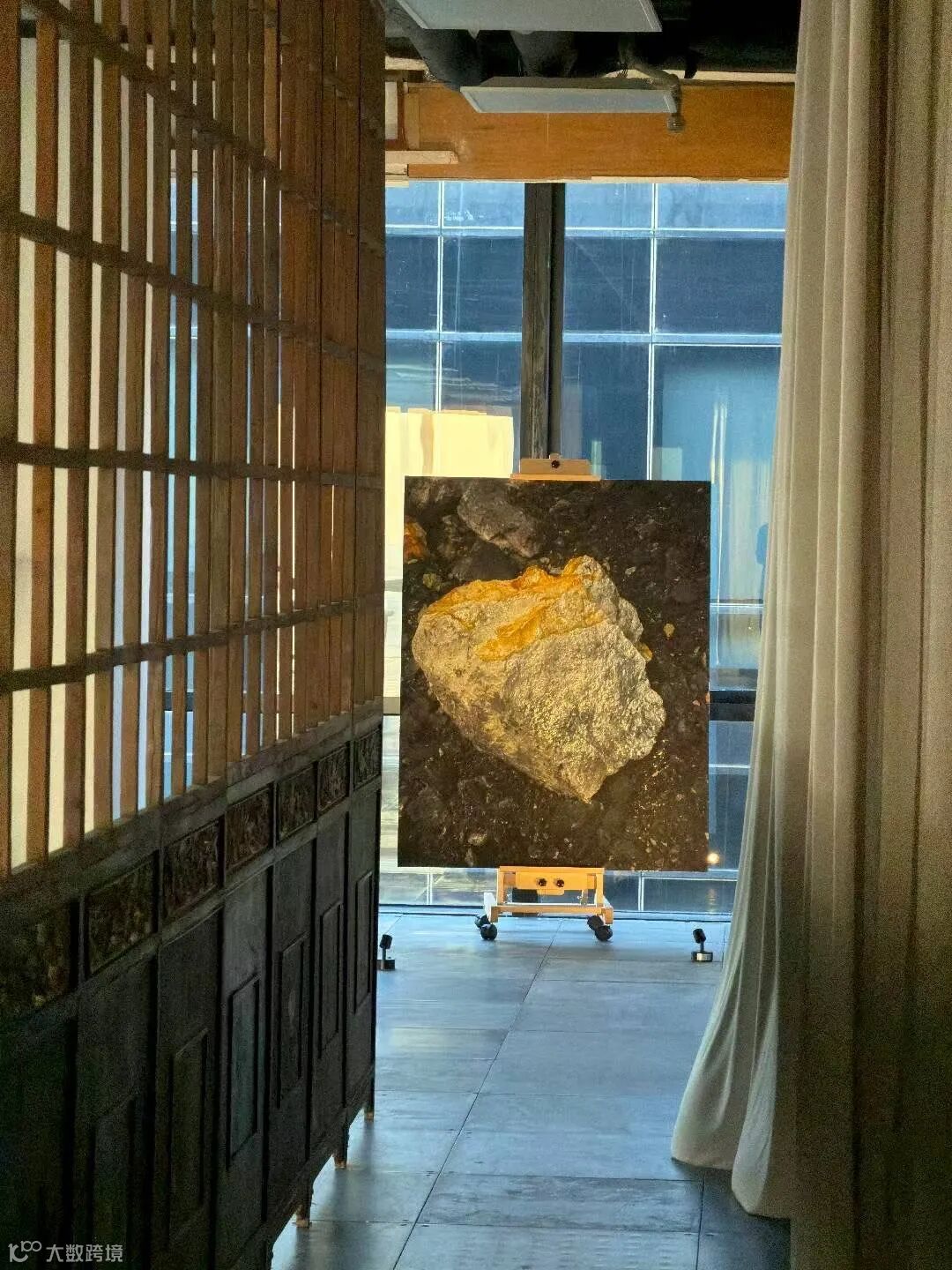
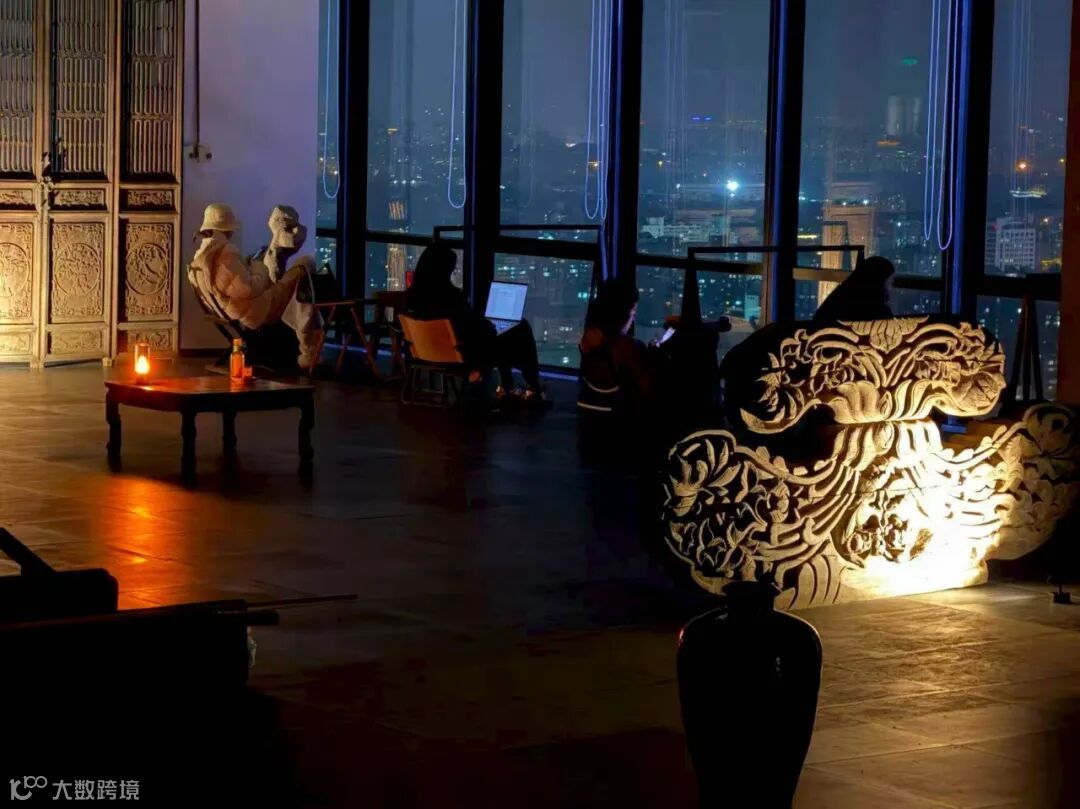
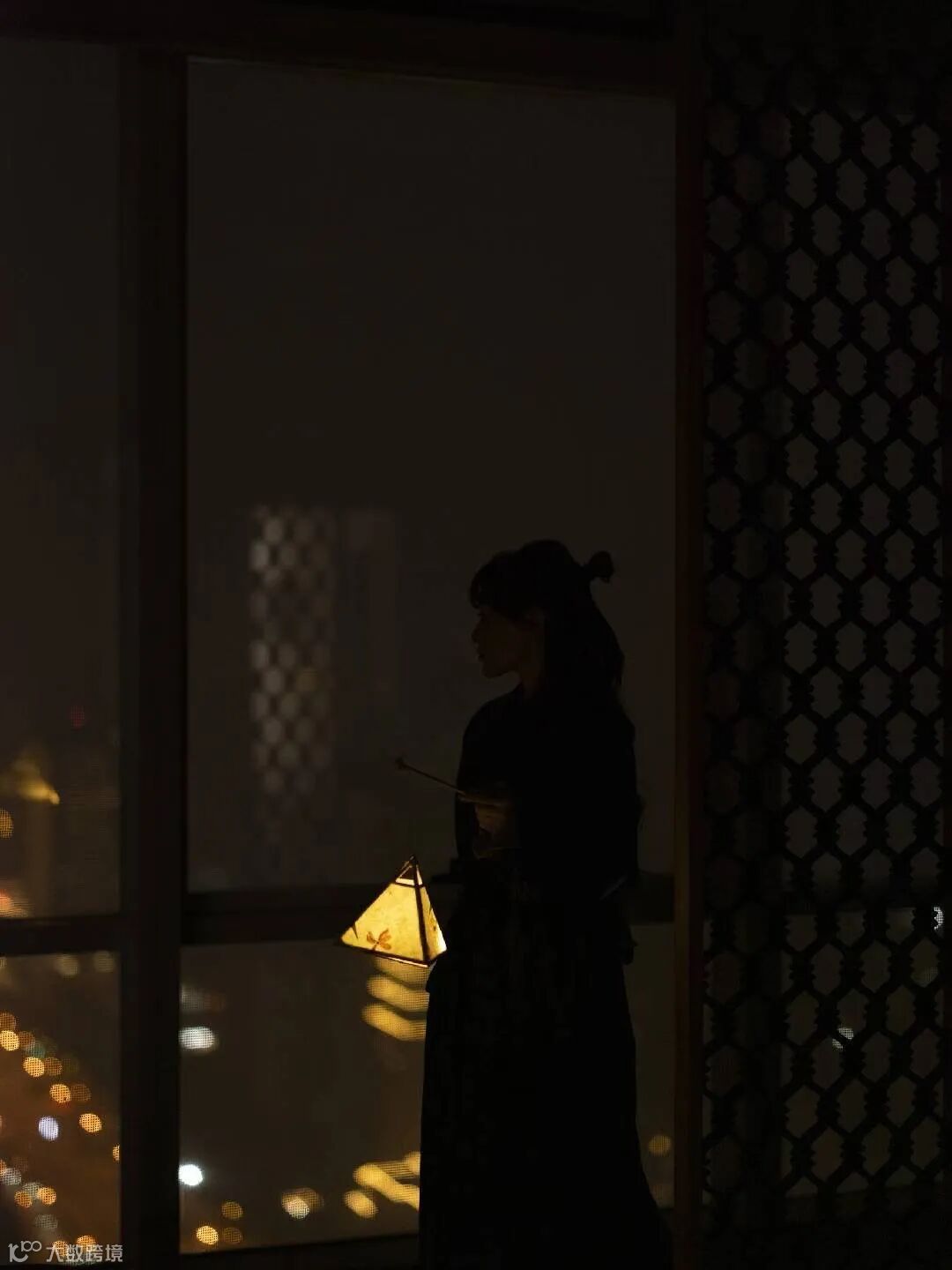
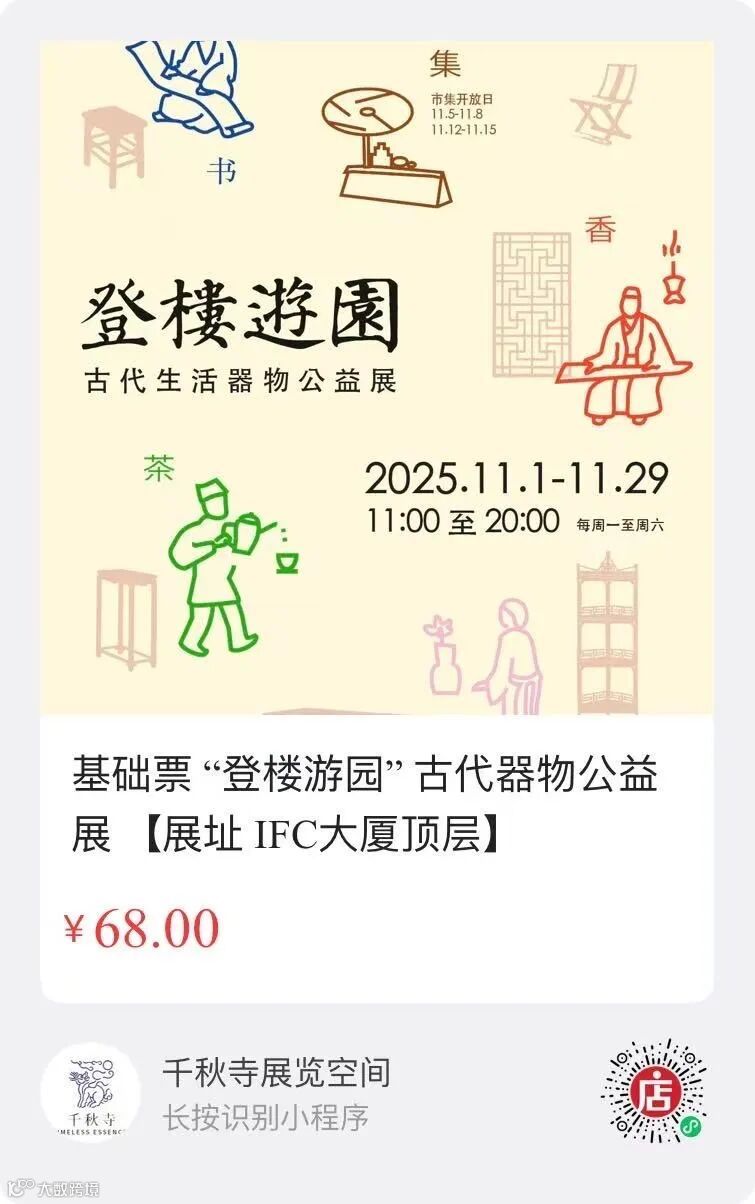
登楼游园以“庭院”为题,将古代器物置于高楼之上,梦回庭院意趣,又可自由的走入当下场域。庭院作为古人居室与山野的外延,其中的古物成为了自然、个体与审美互相感应的载体。展中所出现的中国古代家具与器物,将引领观者探察期间的气息与意象。
购票
68元
本次展览为公益展,门票收益将会捐赠给公益基金会用于公益事业发展
特别鸣谢
指导单位
北京市朝阳区人民政府建外街道办事处
主办单位
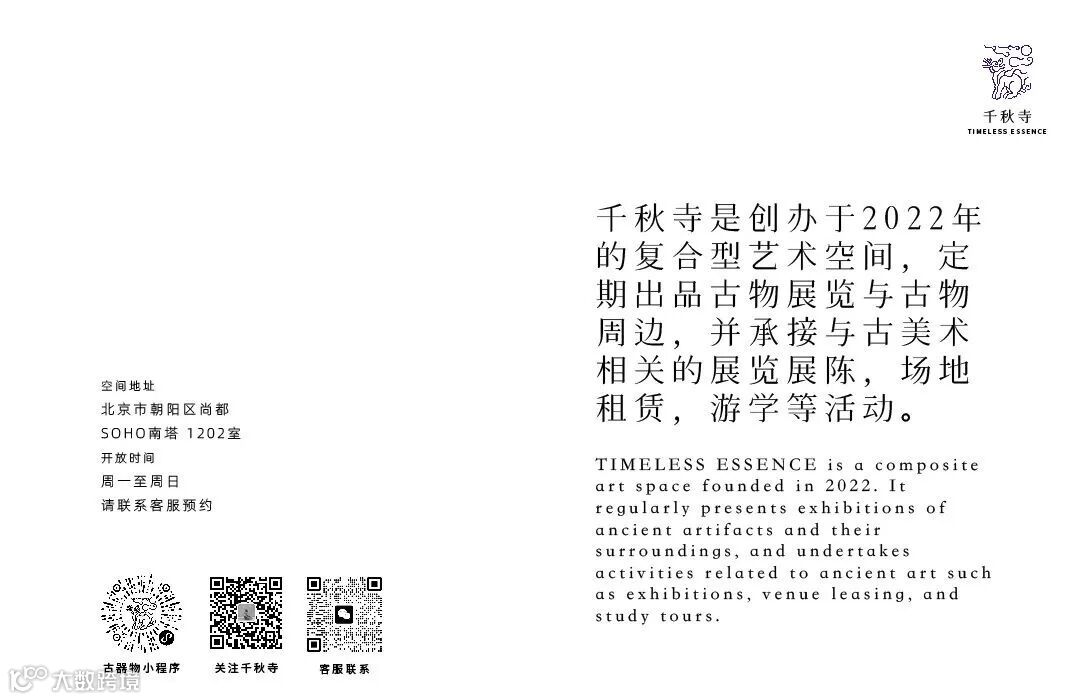
千秋寺/北京与古与古艺术文化传播有限公司
公益协办单位
“建外红”共富联盟
北京乐予慈善基金会
协办单位
中国邮政集团有限公司北京市朝阳区建国门邮政支局
北京建机天润资产管理有限公司
瑞众人寿保险有限责任公司北京分公司
PKBJ 展览 | Dear+东莞空间举办“如翚斯飞”家具&艺术跨界群展
PKBJ 展览 | Dear+(蒂尔家)| “如翚斯飞”家具&艺术跨界群展将于3月15日在东莞Dear+空间举办
PKBJ 艺术 | 张士华个人项目“《耀动》Yao Dong —艺医共融·耀美新境” 将于2025年3月5日在嘉美信万通店举办
PKBJ 艺术 | 韩建美术馆|高人杰&傅天天双个展“昼与夜”于北京韩建美术馆正式开幕
PKBJ 艺术 | 河南首届新国潮艺术展:城墙下·新国潮于2025年元旦在郑州阜民里顺利开幕
PKBJ 艺术 | 喆里绘馆新展预告 | 张士华个展:“巳时吉辰”将于2024年12月26日在汇京双子座喆里绘馆开幕
PKBJ 艺术 | 勒木画廊Le Rime Gallery新展 | 驻于幕间 Settling Down将于6月22日开幕
PKBJ 艺术家 | 表现主义的凝视:傅天天笔下的闭目者与现代精神困境

赞助合作、项目发布、进PKBJ微信社群等
请发邮件至:nicky_meng@qq.com
其它社交媒体
微博:@PechaKuchaBeijing \ @NickyMeng
小红书、抖音、快手、B站:@NickyMeng
别错过更多艺术展览资讯和优秀设计案例
请将PechaKuchaBeijing设置为“星标”!
