
大数跨境
0
0

Wang Huiyao: China and Brazil in a New Phase of Partnership

Wang Huiyao: China and Brazil in a New Phase of Partnership 全球化智库CCG
2025-10-18
1
导读:Keynote Address by Dr. Henry Huiyao Wang,President, Center for China and Globalization (CCG)


Wang Huiyao: China and Brazil in a New Phase of Partnership: From Broad Trade to Deep Economic Cooperation

Keynote Address by Dr. Henry Huiyao Wang,
President, Center for China and Globalization (CCG)
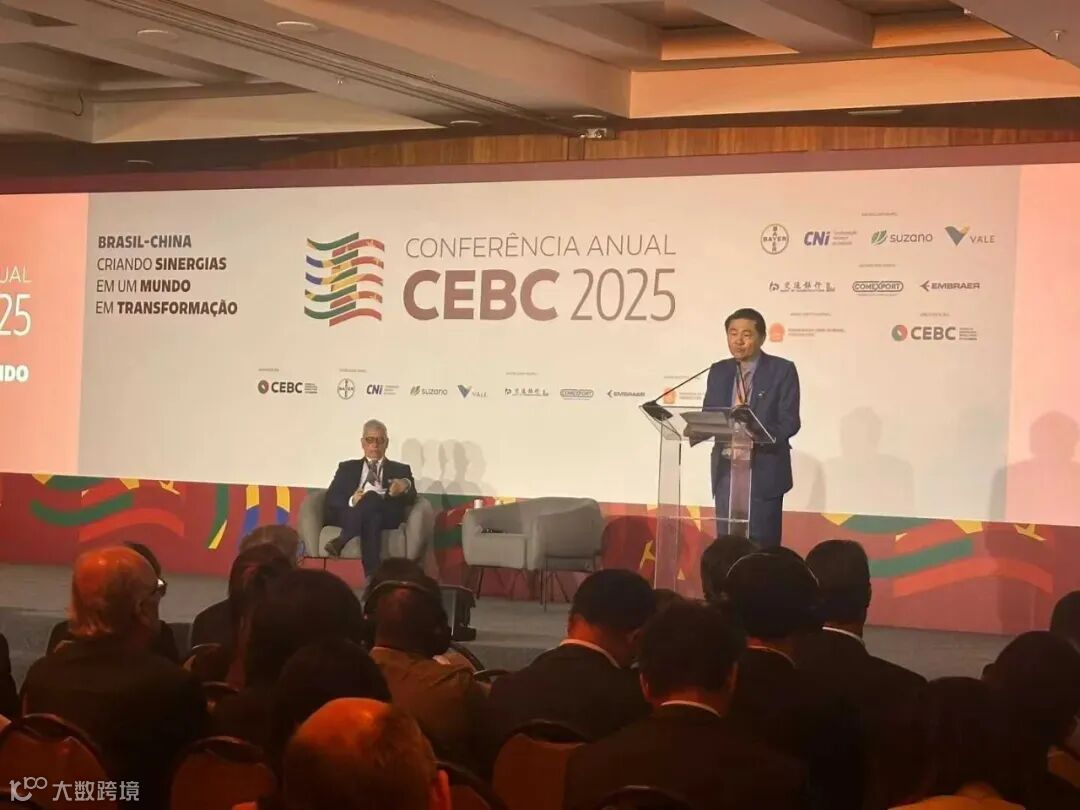


Your Excellencies, Ambassador Luiz Augusto de Castro Neves, Ambassador Marcos Caramuru, and Ambassador Zhu Qingqiao,

Distinguished senior government officials, ambassadors, business leaders, friends, ladies and gentlemen.

Good morning. It is a great pleasure to join you here in São Paulo for this year’s annual Brazil–China Business Council Conference. I wish to thank the Council, its leadership, and secretary general, who have worked tirelessly to build the bridges that connect our economies and our peoples.

This year marks a significant moment in the 50-yeardevelopment of Brazil–China relations. For half a century, our nations have walked side by side through transformation and modernization. We began as partners in commodities and manufacturing trade. Today, we stand as collaborators in manufacturing, innovation, green growth, and global governance. We are indeed entering a new phase of partnership — from broad trade to deep economic cooperation.
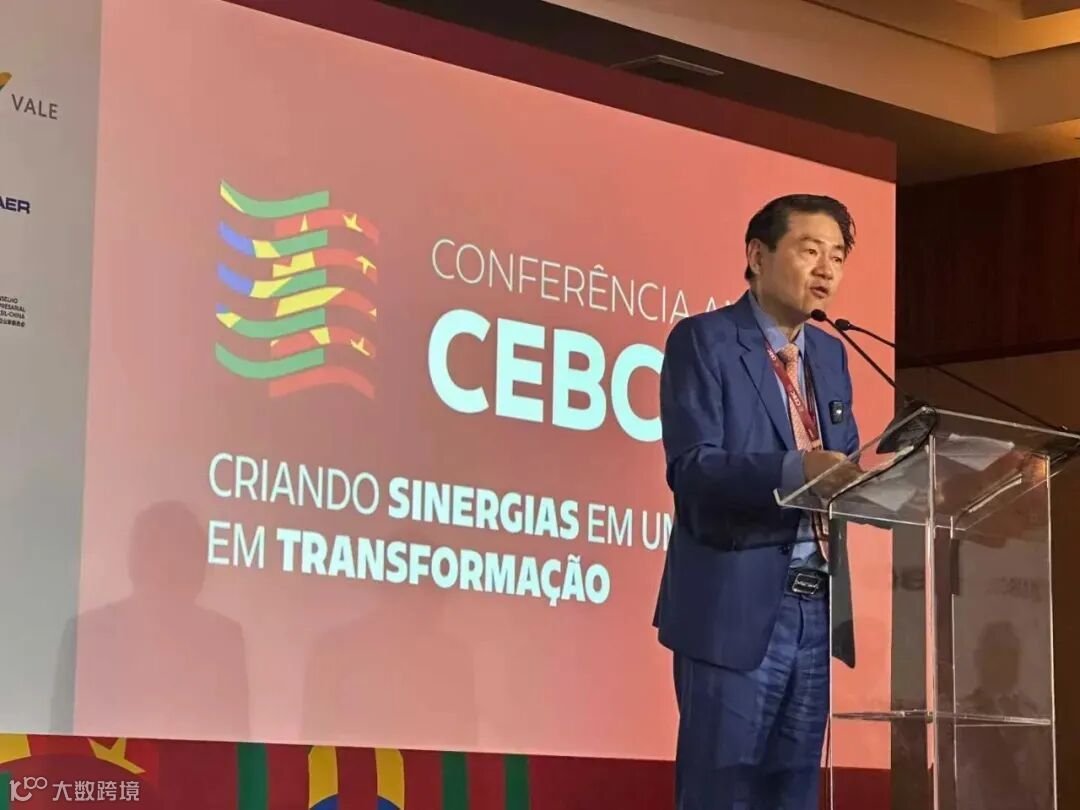

Shared Achievements and Deepening Ties

Brazil is China’s largest trading partner in Latin America, and China has been Brazil’s top trading partner for 15 consecutive years. Bilateral trade surpassed USD 180 billion in 2024, representing nearly one-third of Brazil’s total global trade. China imports Brazilian soybeans, iron ore, oil, beef, and poultry and in turn, exports machinery, electronics, and increasingly electric vehicles and digital products.

Now, Chinese firms are moving beyond trade into diversified economic cooperation in a record 39 projects in Brazil across a more diverse array of industries, reaching a total of 4.2 billion dollars, found in a CEBC study released recently.

Chinese investment in Brazil now stands in excess of USD 79 billion since 2007, and it continues to diversify. More than ten thousand kilometers of transmission lines have been built, including the Belo Monte–Rio de Janeiro ultra-high-voltage corridor, which powers millions of homes. SPIC — the State Power Investment Corporation — has invested in wind and solar farms across Bahia and Paraíba and has recently put 147 million dollars’ worth of assets towards two new wind energy projects in Rio Grande do Norte expected to begin operations in 2026.

In Bahia, where the sun beats strong and the sea wind never rests Chinese and Brazilian Engineers have revived the once idle Ford plant in Camaçari, bringing thousands of new jobs in BYD’s electric-vehicle and battery complex. It is a symbol of renewal and of green innovation and green growth that is bringing prosperity.  With the first locally assembled BYD Dolphin Mini rolling off the line in July 2025. Today the plant’s solar-powered assembly lines and locally sourced lithium-iron-phosphate batteries now serve not only Brazil’s domestic market but also export hubs across the Americas. The green cooperation between China and Brazil is enormous!

And this story does not stand alone. In São Paulo state, Great Wall Motors has undertaken a similar transformation, refurbishing the former Mercedes-Benz facility in Iracemápolis into a new hub for hybrid and electric vehicle production

At the same time Huawei continues to partner with Brazilian operators to advance 5G connectivity and train local engineers. And companies such as CRRC and China Communications Construction Company are exploring infrastructure partnerships that can modernize Brazil’s logistics network. In addition digital companies such as, Tik-Tok, 99 (Didi), Keeto (Meituan), and Kwai (Kuaishou) are all expanding investment into Brazil.

A Shared Vision in a Changing World

The world economy is undergoing profound change. Protectionism and unilateralism have resurfaced; supply chains are being redrawn; the digital and green transitions are reshaping competition. Amid these shifts, China and Brazil — as major emerging economies and members of BRICS — stand together as stabilizing forces committed to openness, inclusivity, and sustainable development.

Together we face the same challenges, and together we share the same vision. Last Month BRICS Leaders had a virtual summit where both President Xi and President Lula made great remarks on BRICS new role in our turbulent world.

Both nations share a belief that the 21st century should not be defined by confrontation, but by cooperation. Both nations have faced the same countervailing winds. Within BRICS, within the G20, and within multilateral frameworks, Brazil and China have consistently advocated fairness, reform, and a stronger voice for the Global South.  

Six Pathways Toward Deeper Strategic Cooperation

Today, allow me to outline six areas where we can turn shared vision into concrete action.

First, we should deepen infrastructure collaboration — the backbone of economic integration. Here China’s experience has already been felt ranging from transmission lines ranging from transmission lines that span thousands of kilometers, to port modernizations and highway upgrades built in partnership with Brazilian counterparts. But it can yet grow further and bring with it greater opportunities fom high-speed rail, smart ports, and logistics corridors can align with Brazil’s national development priorities. Together we could start a flagship high-speed modern rail corridor linking São Paulo and Rio de Janeiro. A project that would reduce freight congestion, cut carbon emissions, and stimulate new industries.

Second, let us strengthen financial cooperation by expanding the use of local-currency settlement, particularly the Renminbi (RMB) and the Brazilian Real reducing dependence on a single currency, lowering transaction costs, giving exporters greater flexibility, and increasing resistance to economic shocks.

Local-currency settlement between the RMB and Real is expanding rapidly, since mid-2023 more than 30 percent of bilateral trade invoices have been settled directly without U.S.-dollar mediation. Establishing RMB-clearing banks in São Paulo and Rio would help institutionalize this shift as well as further stabilize trade, hedge exchange-rate risk, and encourage cross-border investment funds dedicated to green infrastructure and digital start-ups.

Third, we must seize the momentum of the green transition and green growth. Brazil’s New Industry Plan and Accelerated Growth Program (PAC) aim to reindustrialize with green and digital priorities. Joint laboratories — for example, between SENAI Cimatec and Huawei or between EMBRAPII and Chinese AI firms — could accelerate Brazil’s “Industry 4.0” transition while giving Chinese partners a springboard for Latin America’s innovation market.

All the while Brazil’s rich renewable resources — hydropower, wind, solar, and biofuels — present an incredible opportunity and complement China’s strengths in renewable technology production and financing.

Already electric cars and joint ventures such as SPIC’s renewable parks and CTG Brasil’s hydro assets point to the potential. The next frontier should include green hydrogen production, smart grids, and joint research on carbon capture and storage.


Together, we can make the Brazil–China partnership a global model for sustainable industrialization.

Fourthly, we should expand cooperation in the digital economy, artificial intelligence, and robotics.

Huawei’s 5G rollout, Alibaba Cloud’s regional services, and partnerships with Brazilian fintech firms show how innovation can drive inclusivity. From integration of new platforms that leverage data and network effects like 99 (Didi), Tik-Tok, Keeto (Meituan), and Kwai (Kuaishou) to the building of new joint digital-innovation centers — for example, in agritech, healthcare, and smart logistics — we can harness both countries’ talent and data strengths.

Here too China’s synergies and new wave of sustainable quality development can find a natural partner in Brazil’s emerging technology sectors. With China’s existing strengths in AI, robotics, automation, and scale enabling Brazilian agritech and industrial firms among others to leapfrog development through joint labs, hardware transfer, and co-investment. 

Fifth, we should broaden people-to-people connections. The number of Chinese visitors to Brazil remains far below potential, while Brazil’s rich cultural and natural diversity makes it a prime destination. Expanding direct flights, simplifying visa procedures, and launching joint promotional campaigns would greatly increase two-way travel.

On education, more scholarships, student exchanges, university partnerships, and Portuguese–Chinese language programs can build mutual understanding and prepare the next generation for cross-continental cooperation.

Finally, we should deepen academic and thinktank exchange.

Institutions such as the Center for China and Globalization (CCG) a top 100 Think Tank with UN secial consultative status and the Brazil–China Business Council (CEBC) and the Brazilian Center for International Relations (CEBRI) are already playing this bridging role. By establishing a regular Brazil–China Think-Tank Forum, we can foster dialogue on issues ranging from global governance reform to trade facilitation and investment to sustainable finance.

Partnerships and joint policy research will ensure that business and government decisions are informed by fresh, evidence-based perspectives. People-to-people diplomacy — through media, arts, and cultural programs — can complement these efforts, strengthening public trust on both sides.

Conclusion: A Partnership for the 21st Century

China and Brazil have proven that the partnership between two great developing nations can be both pragmatic and visionary. From the first soybean shipments decades ago to today’s joint ventures in the digital realm, EVs, and AI, our cooperation has grown broader, deeper, and more resilient.

Today Brazil stands as an ideal location for China’s manufacturing investment. Yet In this new phase, let us continue to look beyond the horizon — to build railways of connection, digital bridges of innovation, and green corridors of growth. Let us make our bilateral partnership not only a success story for our peoples, but also a source of inspiration for the entire Global South. 

Together, we can ensure that the next fifty years of China–Brazil relations will be defined not merely by investment and trade flows, but by shared development, shared responsibility, and shared prosperity.

Thank you.


CCG Books
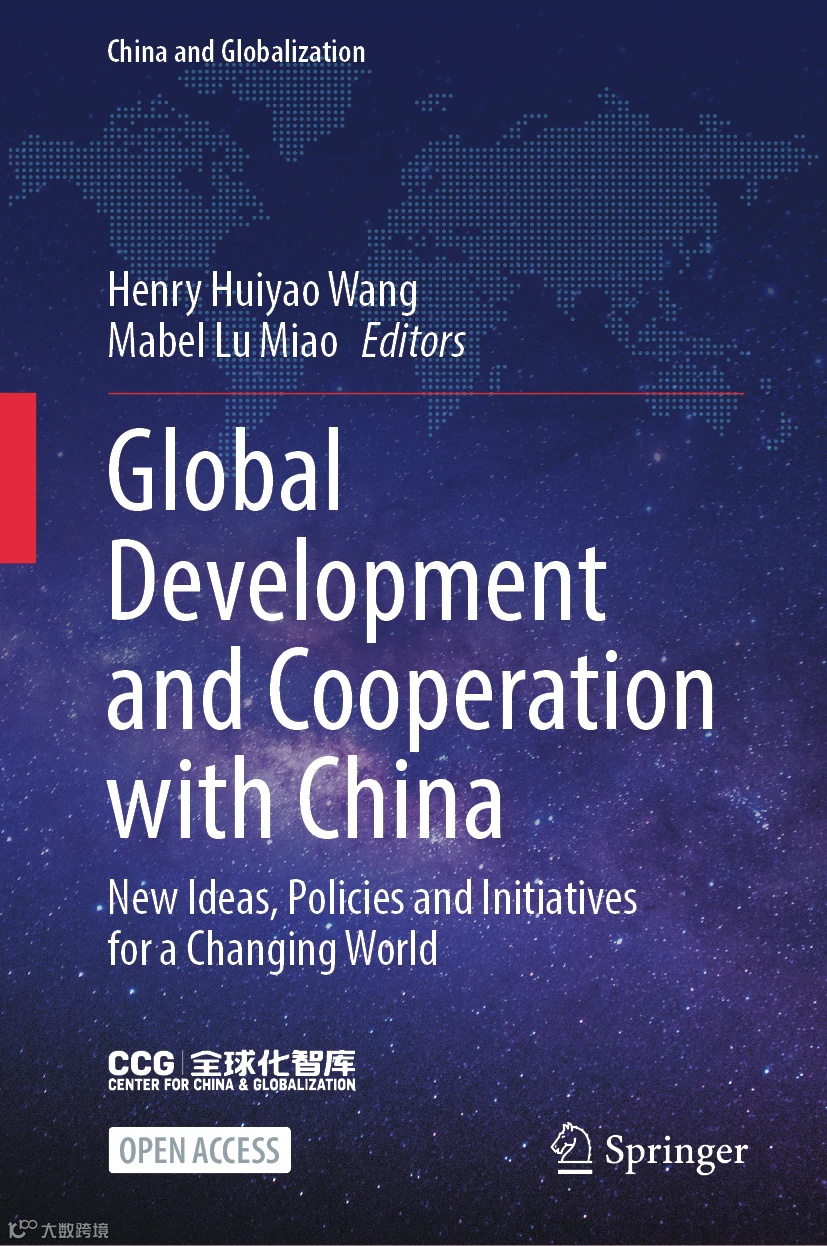


● Published by Springer 

● Editors: Henry Huiyao Wang, Mabel Lu Miao


More Information

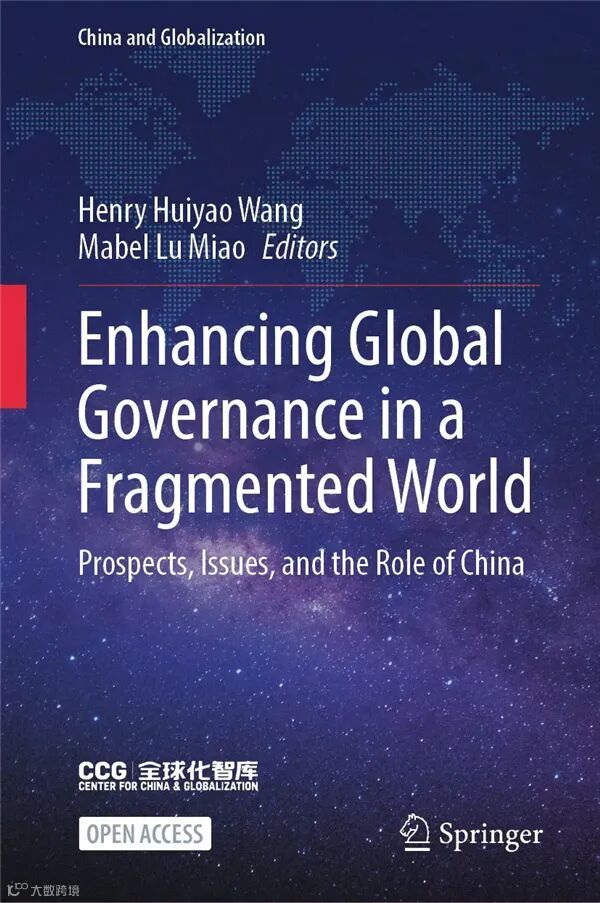
This new book focuses on the latest trends in four major areas—global governance, trade and economics, science and technology, and culture and exchange—providing the reader with information on the latest developments in these areas with a special focus on China and its relevant contributions. It is hoped that this book will inspire deeper discussion and consideration of the issues we face as a global community and how non-governmental entities can play a stabilizing role in global communication and in exploring solutions to common challenges.


● Links:

https://link.springer.com/book/9789819624515


● Published by Springer 

● Editors: Henry Huiyao Wang, Mabel Lu Miao


More Information

This open access book explores the ‘polycrisis’ currently affecting nearly all nations by exploring key themes such as multilateralism and globalization from the perspective of think tanks from nearly every continent, searching for various solutions to the ills that currently plague the world and a way to create a future in which everyone benefits.


As China’s preeminent non-governmental think tank, the Center for China and Globalization (CCG) has invited 30 leading figures from the global think tank community to sift through the myriad layers of multilateralism and global governance and provide a contextual analysis of major themes both from a theoretical and practical perspective, focusing on China in detail, but also examining the world as a whole.


● Links:

https://link.springer.com/book/10.1007/978-981-97-2558-8


● Published by Springer 

● Editors: Henry Huiyao Wang, Mabel Lu Miao


More Information

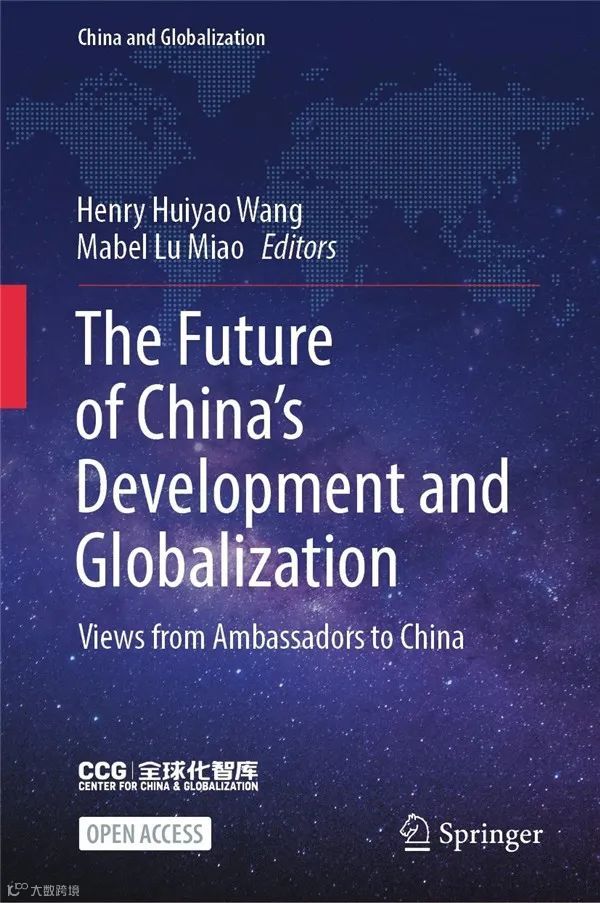
As the world continues to recover from the fear and uncertainty of the Covid-19 pandemic, a new set of challenges like increased geopolitical tensions and climate change have become increasingly prominent. This open access book, which contains the views of ambassadors to Beijing on topics ranging from bilateral relations to potential cooperation, global development and even more of the most immediate issues, aims to help readers make sense of our changing world and China’s role in it.


Building on the success of our previous volume China and the World in a Changing Context: Perspectives from Ambassadors to China, the Center for China and Globalization (CCG) has invited 27 ambassadors to examine China’s role in this context of constant flux, focusing specifically on China’s perspective, including its trade and investment ties with other countries, as well as its role in multilateral regional relations and global governance.


● Links:

https://link.springer.com/book/10.1007/978-981-99-7512-9


● Published by Springer 

● Authors: Wang Huiyao


More Information

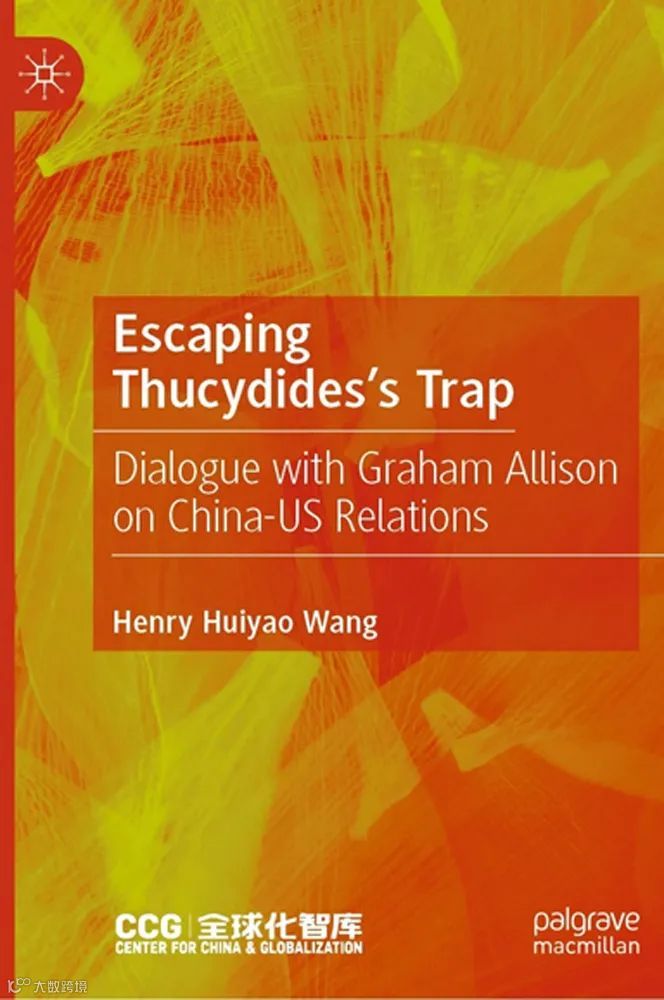
The book raised the question of how relations between the US and China will unfold is one of the most consequential of the 21st century. In the past decade, perhaps no thinker has had a greater influence on how this question is understood in both the US and China than eminent Harvard scholar Graham Allison, who developed the idea of the Thucydides Trap to warn of the risk of war erupting between a rising power and a ruling power in the power transition process.


This book presents a comprehensive collection of Allison’s views and writings on US-China relations from 2017 to 2022, covering a range of topics including the balance of power between the two sides, where the relationship is headed, and lessons from history on how conflict can be avoided.


● Links:

https://link.springer.com/book/10.1007/978-981-99-2236-9


● Published by Springer 

● Authors: Joseph S. Nye


More Information

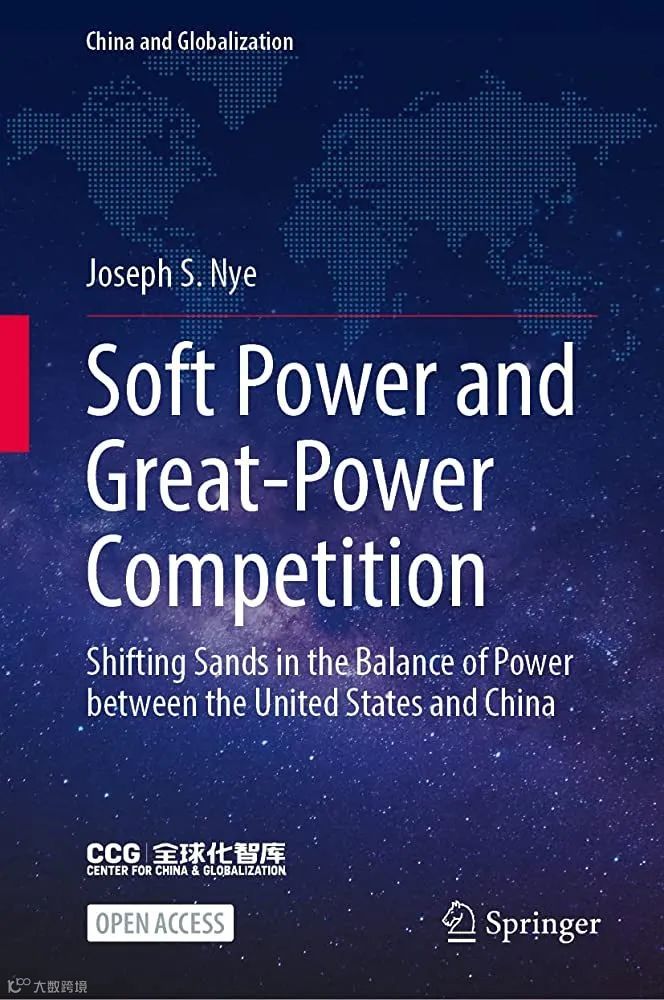
This open access book consists of essays selected from Joseph S. Nye, Jr.’s last three decades of writing and illustrate a variety of perspectives on the nature of power, the role of the United States in the world and US-China relations. Through this collection, it is hoped that readers will gain a better understanding of today’s global environment and find that while great power competition may be inevitable in a world as centers of power shift, cooperating to address transnational challenges can be a positive sum game.


● Links:

https://link.springer.com/book/10.1007/978-981-99-0714-4


● Published by Palgrave Macmillan Singapore

● Editors: Wang Huiyao, Miao Lu


More Information

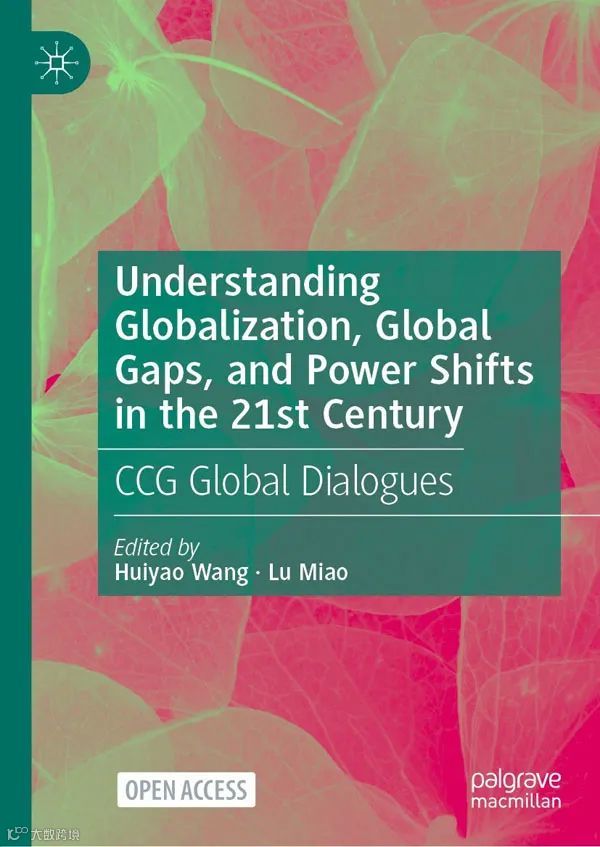
This book aims to help readers make sense of our changing world by sharing the views of global thought leaders on some of the most important issues of our time, from US-China relations and global governance to climate change and the COVID-19 pandemic.


The ten dialogues in this book were part of the “China and the World” series of online discussions hosted by the Center for China and Globalization (CCG). The series features CCG President Huiyao Wang in conversation with experts from a range of fields, from renowned scholars of international relations, economics, and history, to journalists, policymakers, and business leaders.


● Links:

https://link.springer.com/book/10.1007/978-981-19-3846-7


● Published by Springer 

● Authors: Wang Huiyao


More Information

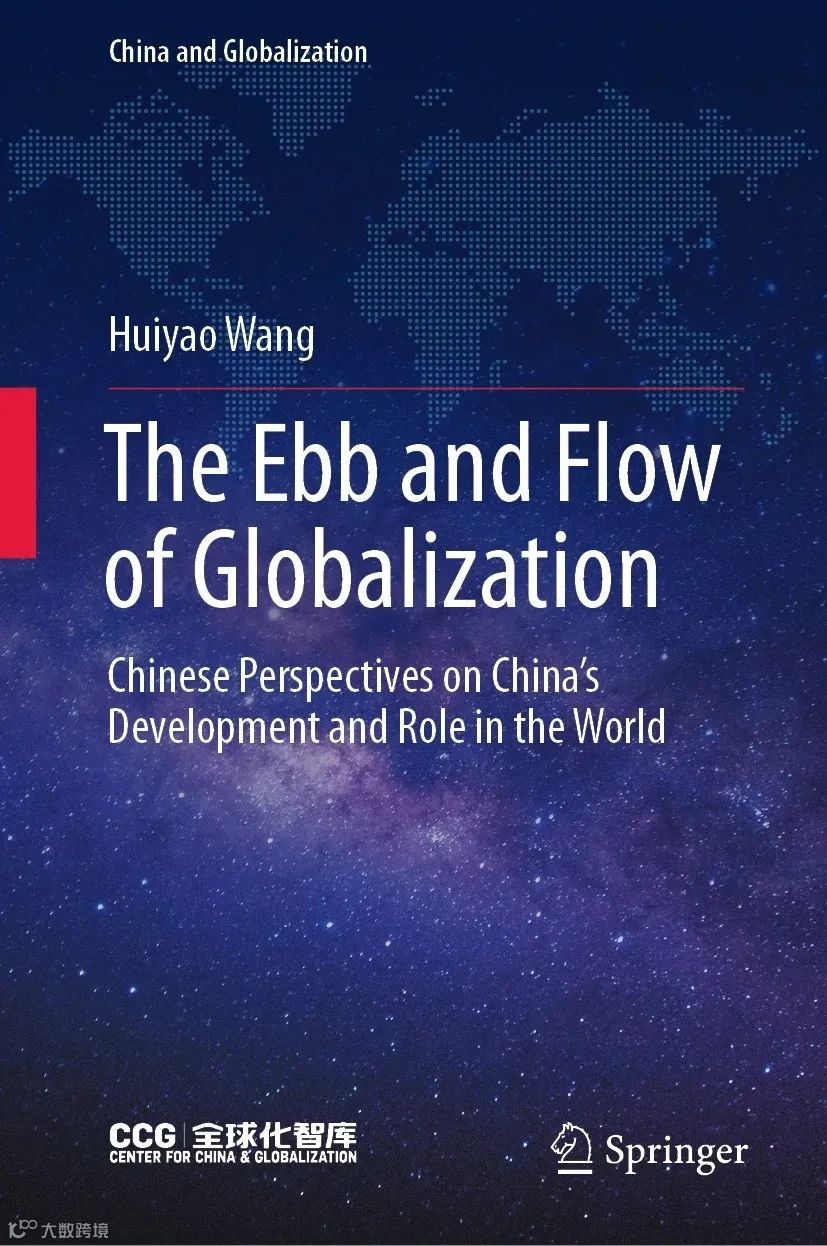
This book focuses on globalization and China’s evolving role in the world, offering unique perspectives on a number of developments during a tumultuous period that began with Donald Trump’s election and ended with the outbreak of the Covid-19 pandemic. This period saw the global landscape reshaped by China’s continued rise, intensifying great power competition, and a public health crisis that has changed how we live.


The essays center on three interconnected themes – China’s remarkable development under its policy of Reform and Opening-up, China’s deepening integration into the global economy and rise in an increasingly multipolar world, as well as the quest to revitalize global governance and multilateralism to address the pressing global challenges of the 21st century.


● Links:

https://link.springer.com/book/10.1007/978-981-16-9253-6


● Published by Springer 

● Edited by Wang Huiyao and Miao Lu 


More Information

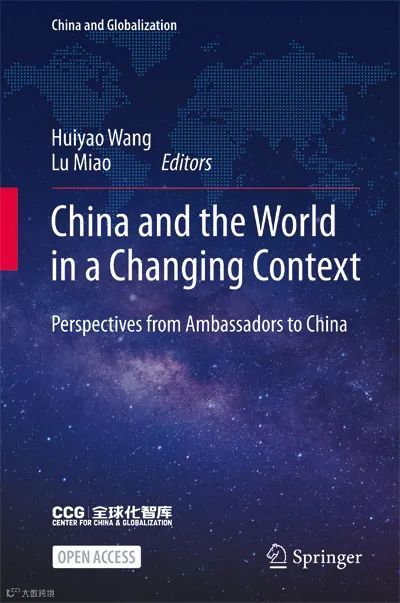
China and the World in a Changing Context-Perspectives from Ambassadors to China is the latest volume in CCG’s “China and Globalization” series, which seeks to create a balanced global perspective by gathering the views of highly influential scholars, practitioners, and opinion leaders from around the world on issues of policy and governance.


Ambassadors are a kind of vehicle and bellwether for globalization. These diplomatic envoys serve as pivotal contact points between nations across a wide range of fields, from economics and culture, to health and the environment. The special group of ambassadors in this book – all based in Beijing – are at the forefront of what, for many countries, is one of their most important bilateral relationships and the platform for one of the most striking and consequential developments in global affairs in the 21st century: the rise of China on the world stage.


● Links:

https://link.springer.com/book/10.1007/978-981-16-8086-1


● Published by Springer 

● Edited by Wang Huiyao and Miao Lu 


More Information

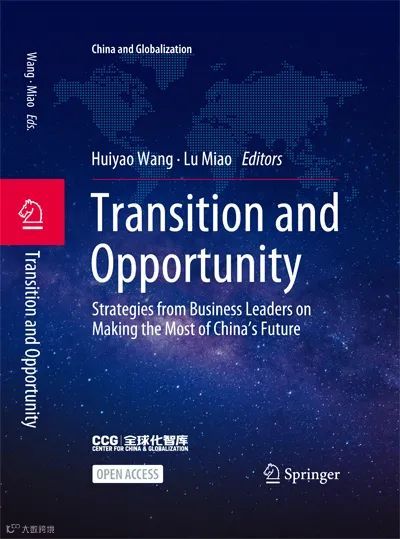
Released nearly two years after the outbreak of COVID-19, Transition and Opportunity brings together an array of CEOs and senior executives from leading multinationals, leaders of foreign trade associations and representatives of advocacy groups on the ground in China to share their views on the potential and risks China holds for business as the world economy recovers.


The 22 entries in this book include contributions from the heads of Beijing-based chambers of commerce representing the EU, the US, France, Switzerland and Brazil and others, CEOs and senior executives of MNCs like Airbus, Royal DSM, Michelin, LinkedIn and Herbalife as well as representatives of global consulting firms like KPMG, PwC, Accenture and Roland Berger.


Divided into three parts - ‘The Big Picture,’ ‘Analysis and Advice,’ and ‘On the Ground’ - content progresses from looking at how countries balance their own interests with China’s for that elusive ‘win-win’ formula, to the role consultancies and advisors play in helping companies succeed,  then looking at the experiences of individual companies to see how they have adapted and thrived in China.

.


● Links:

https://link.springer.com/book/10.1007/978-981-16-8603-0


● Published by Springer 

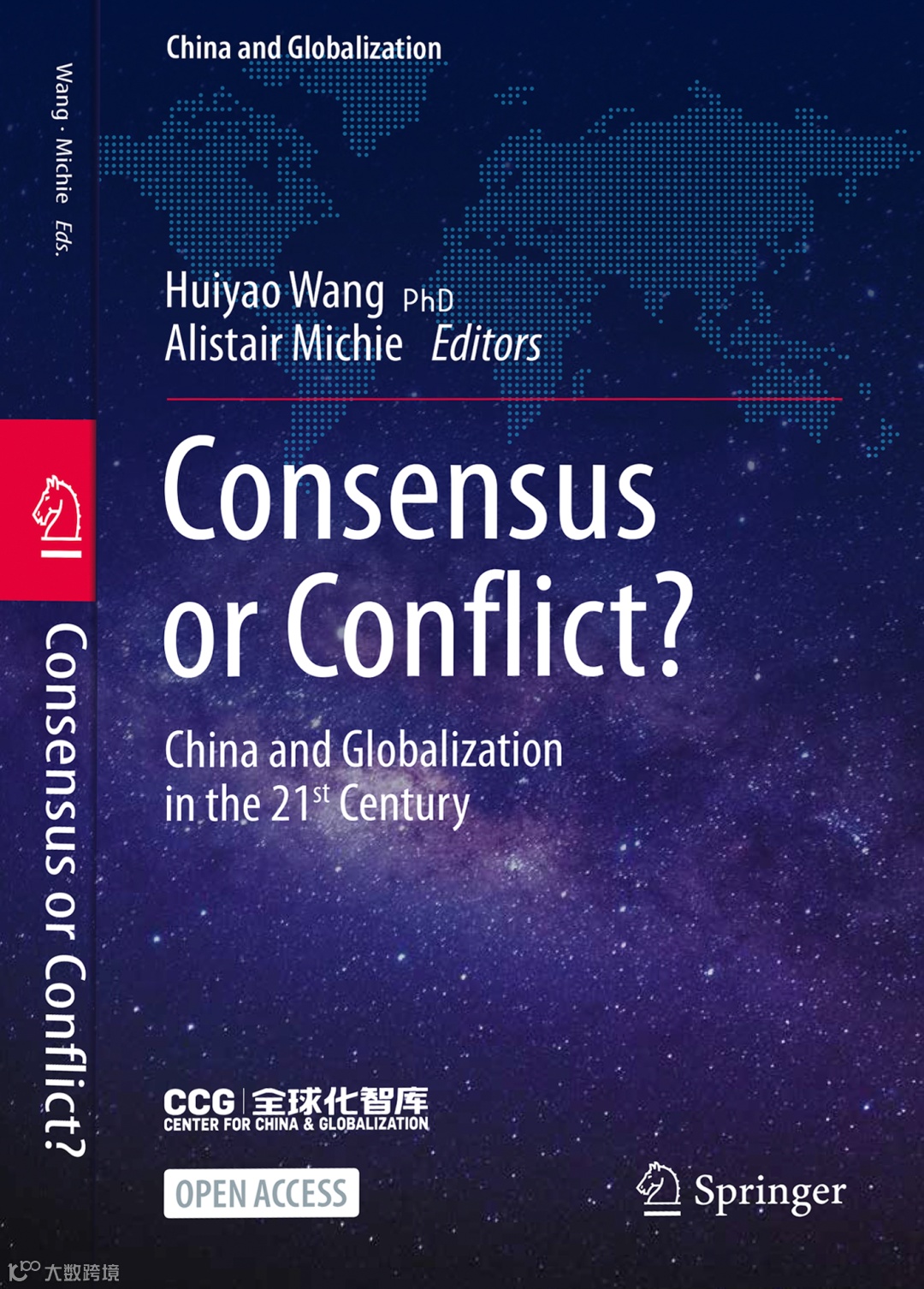
● Edited by Wang Huiyao and Alistair Michie 


More Information

This book brings together leading international scholars and policy-makers to explore the challenges and dilemmas of globalization and governance in an era increasingly defined by economic crises, widespread populism, retreating internationalism, and a looming cold war between the United States and China. It provides the diversity of views on those widely concerned topics such as global governance, climate change, global health, migration, S&T revolution, financial market, and sustainable development.


● Links:

https://link.springer.com/book/10.1007/978-981-16-5391-9


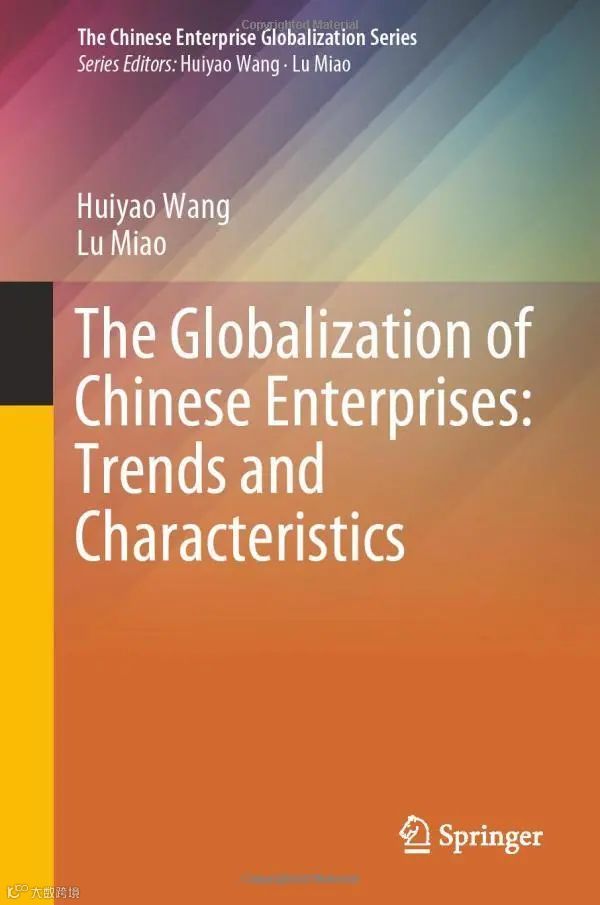
● Published by Springer 

● Edited by Wang Huiyao, President and Miao Lu, Vice President, Center for China and Globalization(CCG), Beijing, China 


More Information

The internationalization of Chinese enterprises is one of the most notable aspects of economic globalization in the 21st century. Despite the 2008 financial crisis and weak global outbound investment, under the “go global“ initiative, Chinese outbound investment has gone from strength to strength, while also diversifying in terms of investment modalities, destinations, and industries. However, growing anti-globalization sentiment in some countries has also created new challenges for Chinese firms expanding internationally.


Drawing on nearly 3000 data samples, using both quantitative and qualitative research methods, this book presents unique insights into the features and patterns of Chinese enterprises’ globalization. The analysis provides a useful reference for enterprises that have already gone global and those that plan to. In particular, this book investigates challenges confronted by Chinese companies when doing business in foreign countries. It summarizes research covering three angles, namely: the current situation, causation analysis and corresponding solutions, and recommendations for firms, government agencies and other institutions.


This book provides a comprehensive overview to help readers to grasp the broad picture of the international expansion of Chinese enterprises. It has important reference value for enterprises to help devise foreign investment strategy, seize opportunities, and navigate challenges in the course of globalization.


● Links:

https://www.springer.com/cn/book/9789811546457


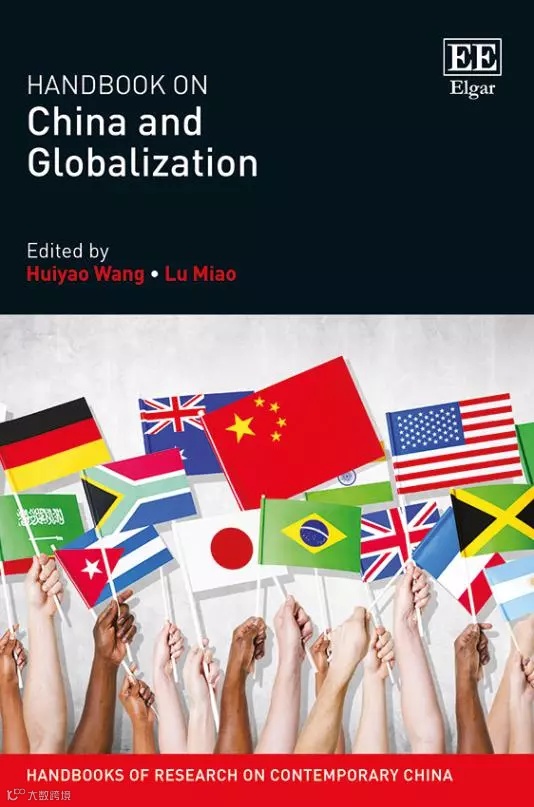
● Published by Edward Elgar 

● Edited by Wang Huiyao, President and Miao Lu, Vice President, Center for China and Globalization(CCG), Beijing, China 


More Information

An excellent guide for understanding the trends, challenges and opportunities facing China through globalization, this Handbook answers the pertinent questions regarding the globalization process and China’s influence on the world.

With contributions from leading experts and international researchers, each chapter covers key topics regarding China’s participation in globalization, including: China’s new role in global economic governance; outward direct investment; China’s soft power and the implications for foreign relations; global migration, diaspora and talent. An enriching range of case studies and extensive empirical research are used to explore the successes and failures of globalization in China, and to discuss the dilemmas facing decision makers in today’s globalized world. A major contribution to the field, this Handbook offers valuable insights to China’s often misunderstood globalization process.

An essential reference for academics and researchers looking for a go-to empirical resource, this Handbook provides scholars of economics, politics and East Asian studies with an exemplary selection of contemporary research on China and globalization.


● Links:

https://www.e-elgar.com/shop/handbook-on-china-and-globalization


● Published by Springer

● Authors: Wang Huiyao, President and Miao Lu, Vice President, Center for China and Globalization(CCG), Beijing, China 

The first effort to address the gap regarding higher-end talent within the scholarly work on internal labor migration in China

Provides an essential overview of the major milestones in China’s talents attraction policies, as well as several recommendations to help further improve those policies

Investigates corresponding policies in Germany, Japan, and Singapore to serve as a basis for comparison

Provides a snapshot of first-hand reference material for relevant stakeholders involved in cooperation with China


More Information

This book offers the most comprehensive, up-to-date assessment of China’s domestic and international migration. Restructuring economic development requires large numbers of educated and skilled talents, but this effort comes at a time when the size of China’s domestic workforce is shrinking. In response, both national and regional governments in China have been keen to encourage overseas Chinese talents and professionals to return to the country. Meanwhile, the Chinese government has initiated a number of policies to attract international highly-skilled talents and enhance the country’s competitiveness, and some Chinese policies have started attracting foreign talents, who are coming to the country to work, and even to stay. Since Chinese policies, mechanisms, and administration efforts to attract and retain skilled domestic or overseas talents are helping to reshape China’s economy and are significantly affecting the cooperation on migration and talent mobility, these aspects, in addition to being of scholarly and research interest, hold considerable commercial potential.


● Links:

https://www.springer.com/gp/book/9789811362552#aboutBook


Other CCG News:


Global Talent Summit 2025 Holds in Beijing Sub-Center


300 Participants from 60 Countries Attend CCG Annual Forum


CCG Conducts Track Two Visit to US


In review: CCG in 2024


CCG hosted the 9th China Global Think Tank Innovation Forum


2024 GYLD Annual Forum successfully held  in Beijing


11th China Inbound-Outbound Forum Successfully Held @2024 CIFTIS


60 Countries’ Participants Joined China and Globalization Forum


CCG seminar on global governance & future of China and Africa


Senior Diplomats from 20 countries discuss China's green transition


Text of Pascal Lamy and Chinese trade experts @ CCG VIP Luncheon


Book Launch: Enhancing Global Governance in a Fragmented World


Transcript of CCG session in WTO Public Forum


20 US media leaders attended special dinner held to welcome CCG


Transcript of EU-China think tank exchange


Turkish Foreign Minister Hakan Fidan speaks at CCG


Wang Huiyao in Dialogue with Stephen Roach


CCG Holds 8th China Global Think Tanks Innovation Forum


Joseph Nye | Understanding  Global Power Shifts in 21st Century


New Book | The Global Power Shifts in the 21st Century


Josep Borrell’s scheduled speech at CCG on EU-China relations


Justin Vaïsse speaks at CCG on the eve of Macron's visit


Brazilian Ministerial Visiting Event Held at CCG


CCG Global Dialogue:Building a floor for China-US relations


CCG President in Dialogue with CFR President Richard Haass


Video | 7th Annual China Global Think Tank Innovation Forum


CCG 2nd International Visit in Pandemic 2022


Wang Huiyao in Dialogue with Fred Bergsten


9th China Inbound-Outbound Forum


“China and Globalization” book series downloads top 2.3 million!

CCG’s first overseas visit since the pandemic


First Chinese Think Tank to Visit Europe since Pandemic


First Chinese Think Tank Visits Washington DC since Pandemic


New York: CCG Delegation's First Stop in the US


CCG Delegation of Experts Visits Singapore


Selected Video of CCG Global Dialogue (Ⅰ)


Selected Video of CCG Global Dialogue (Ⅱ)


CCG Book Launch Welcomes 20 Ambassadors to China


CCG and UN Women hold symposium on International Women's Day


CCG event on MNCs opportunities and challenges in China


Video | The rise of Asia and its implications


Fireside Chat with The Hon. Sec. Henry Paulson and Mr. WANG Shi


Text and Video: Wang Huiyao in Dialogue with Wolfgang Ischinger


Wang Huiyao in dialogue with Lawrence Summers on Global Economy


Wang Huiyao in Dialogue with Yale Professor Stephen Roach


CCG New Year Message for 2022


CCG Audio Calendar of 2022


Climate change, inequality, and sustainable development


CCG holds seminar on “Twenty years of China’s WTO membership


CCG holds Sixth Annual China Global Think Tank Innovation Forum


Wang Huiyao in dialogue with CSIS President John Hamre


Wang Huiyao in dialogue with Lord Jim O'Neill & Leslie Maasdorp


CCG Dialogue with David Lampton on China Laos Railway and BRI


Wang Huiyao in dialogue with Kishore Mahbubani


CCG holds Francophonie Ambassadors Symposium


Dialogue between Wang Huiyao and Carter Center on Sino-US Relations


CCG Dialogue with Neil Bush and David Firestein


Dialogue on trade among Wendy Cutler, Pascal Lamy & Wang Huiyao


CCG Dialogue with John Thornton, Stapleton Roy and Adam Posen


Dialogue among Susan Thornton, Ronnie Chan and Wang Huiyao


World Bank and CCG launching the latest World Economic Prospects


Dialogue Between Yale Historian Valerie Hansen & Dr. Wang Huiyao


CCG Dialogue with Nobel Laureate Sir Angus Deaton


Conversation with Martin Wolf, Chief Economics Commentator at FT


CCG Roundtable Commenmorating China's Accession to the  WTO


CCG Dialogue with Harvard Professor Anthony Saich


CCG Dialogue with Joseph S. Nye Jr.


A Dialogue Between Graham Allison and Wang Huiyao


A Dialogue Between Thomas L. Friedman and Wang Huiyao


40 Ambassadors and Diplomats Attend CCG Open Day


Dr. Miao Lu posted the first question at the MSC 2021


CCG releases new book on global talent studies
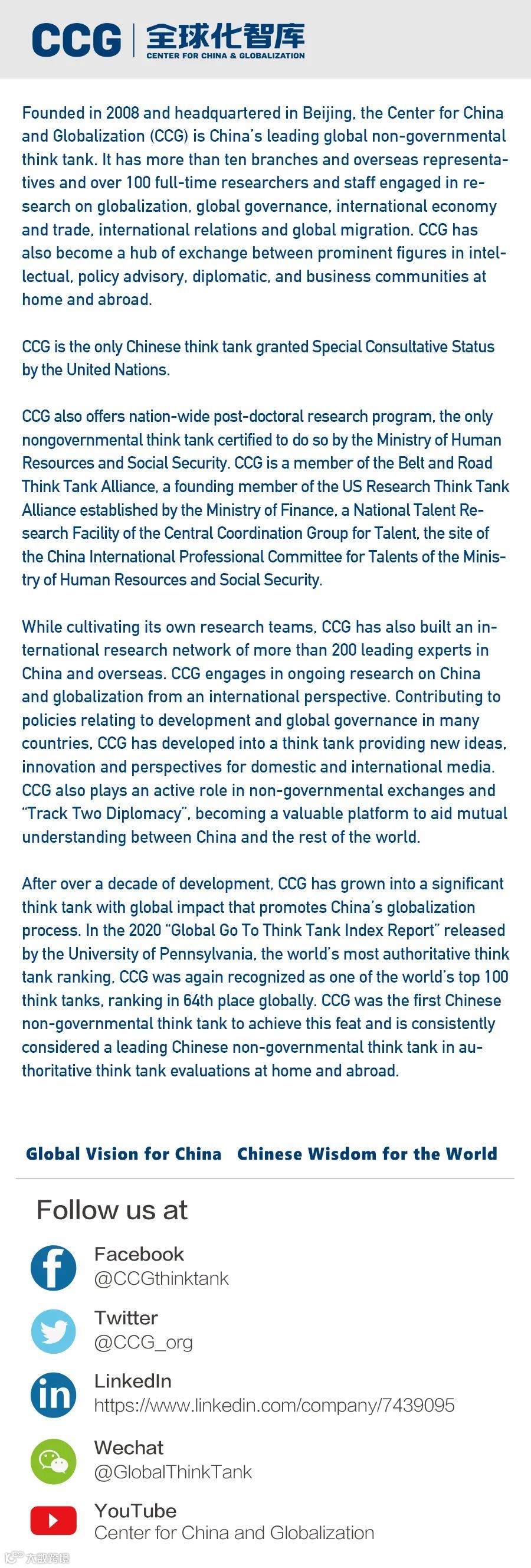

CCG Ranked 64th in the World's Top 100 Think Tanks


【声明】内容源于网络
0
0
全球化智库CCG
中国领先的位列世界百强的全球化智库,也是唯一获得联合国特别咨商地位的中国智库。拥有全职研究和工作团队近百人,致力于全球化、全球治理、国际关系、国际经贸、人才全球化、企业全球化等领域的研究与活动,获得国家授予的独立招收博士后资质。
内容 8139
粉丝 0
全球化智库CCG 中国领先的位列世界百强的全球化智库,也是唯一获得联合国特别咨商地位的中国智库。拥有全职研究和工作团队近百人,致力于全球化、全球治理、国际关系、国际经贸、人才全球化、企业全球化等领域的研究与活动,获得国家授予的独立招收博士后资质。
总阅读11.1k
粉丝0
内容8.1k