



Editor's Note
This essay is selected from the bookGlobal Development and Cooperation with China: New Ideas, Policies and Initiatives for a Changing World, which is the ninth volume of the “China and Globalization Series” books. This book series seek to create a balanced global perspective by gathering the views of highly influential policy scholars, practitioners, and opinion leaders from China and around the world. The open access book Global Development and Cooperation with China combines the insights and wisdom of 26 representatives from a wide range of international organizations into a collection of 21 essays, focusing on the latest trends in four major areas—global governance, trade and economics, science and technology, and culture and exchange—providing the reader with information on the latest developments in these areas with a special focus on China and its relevant contributions.
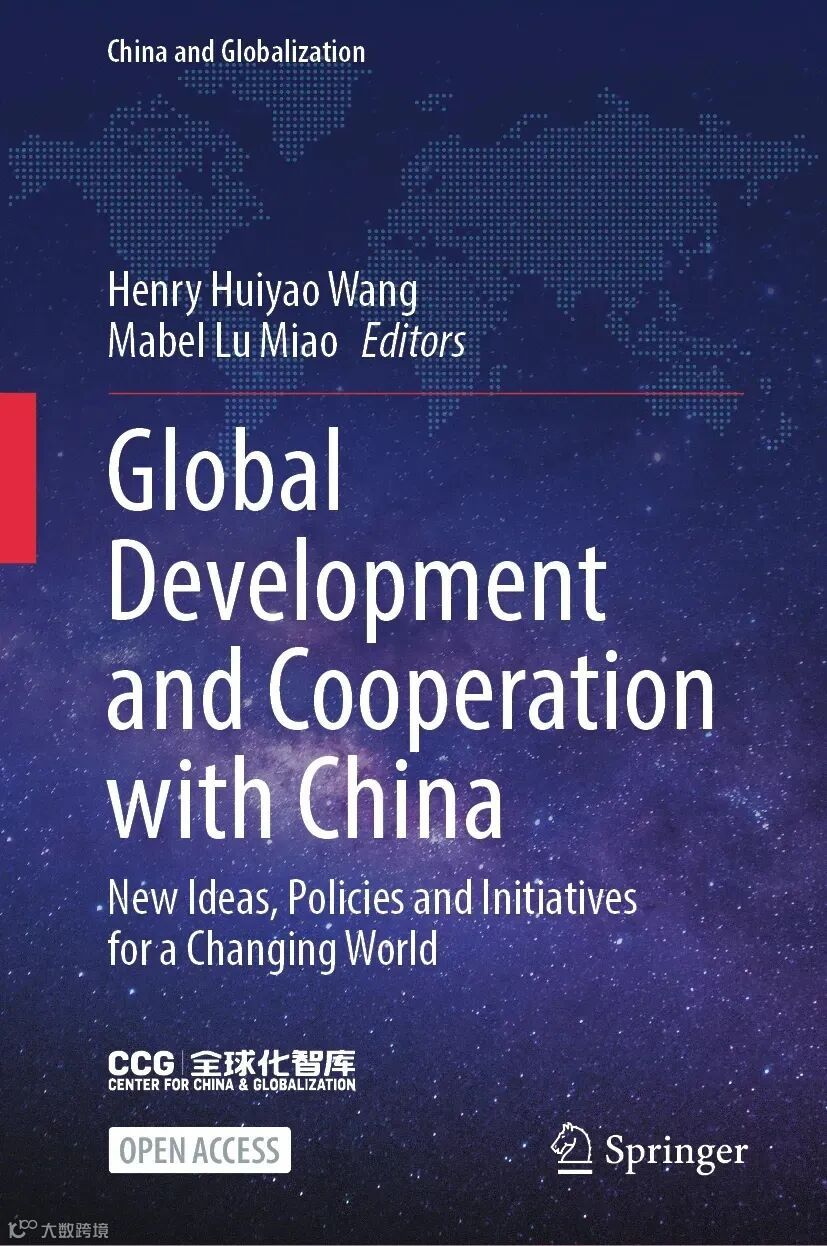
Editors: Henry Huiyao Wang, Mabel Lu Miao
ISBN: 978-981-96-2452-2
Published in April, 2025
Publisher: Springer Nature
CCG Book Launch: Global Development and Cooperation with China
Bai Chunli: The Role of Mega-science Facilities
Building a Green and Inclusive Future
Progress for Children Is Progress for Everyone
Bamboo: A Potential Tool for Climate Change Mitigation
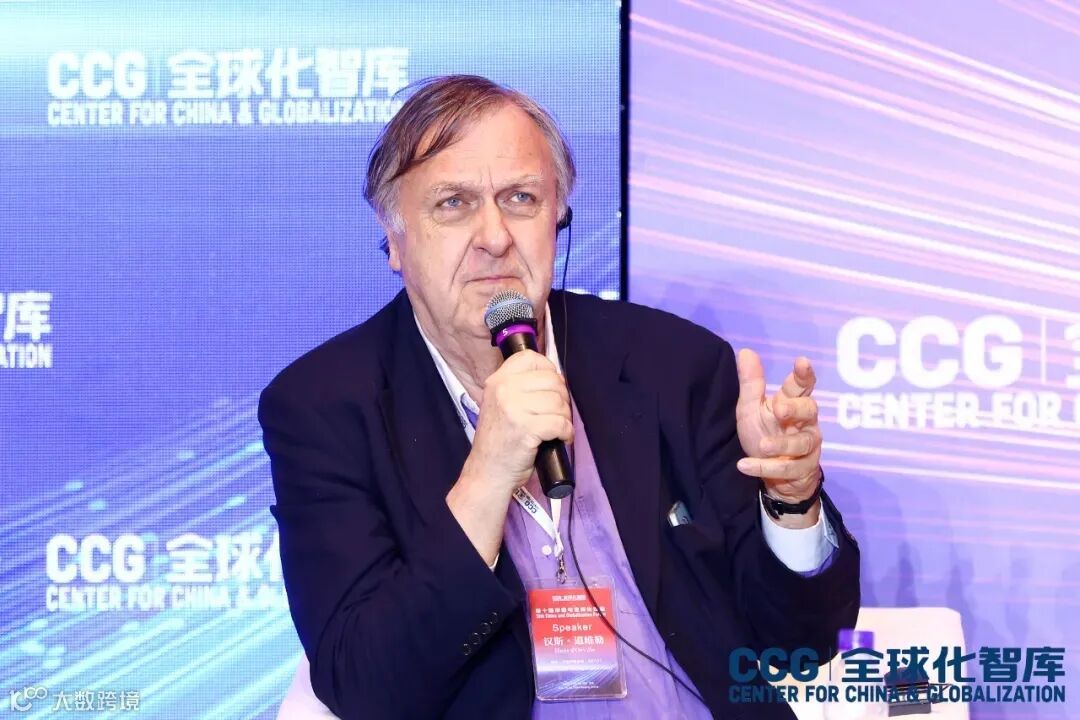
By Hans d’Orville, Special Advisor to the Director-General of UNESCO
Multilateral institutions provide the platforms for putting multilateralism into action and are the basic architecture underpinning global governance. The twenty-first century has experienced a panoply of crises and new governance challenges that have often been triggered by different processes of globalization and their outcomes.
These myriad crises include worsening climate change, the inconclusive race to realize the Sustainable Development Goals (SDGs), environmental degradation, biodiversity loss, earthquakes and natural disasters, successive COVID-19 waves or pandemics, increasing food insecurity worldwide, deepening inequalities, the ongoing war in Ukraine and other new and lasting conflicts, and instabilities of global consequences with attendant dramatic humanitarian crises. These crises are also coupled with a set of new global challenges: the quest to strengthen health systems, the impact of new technologies, the scope of digital and economic trans- formations, and the management of ungoverned global common spaces, such as the seabed, outer space or Antarctica, as well as the responsibility for common custody of global public goods.
…
…
Emerging technologies like artificial intelligence and digital ecosystems also play a fundamental role in the digital development and facilitation of STI while science diplomacy can also entail strategic foresight exercises on global and regional challenges of a geostrategic nature, the conduct of technology assessments, and the establishment of a mapping system, thus encouraging a structured debate among stakeholders toward creating a shared understanding of the implications of rapid technological change.
New technologies increasethedemandfordigital skillsandcompetencies. Education, training, and capacity-building in science, technology, and innovation have the potential to not only provide new skills and widen employment opportunities, but also address market needs and solidify governance structures.
To sum up, science, technology, and innovation, including environmentally sound technologies and information and communications technologies, are critical in the pursuit of sustainable development and are one of the key means of implementation of the intergovernmentally agreed development outcomes, including the 2030 Agenda and its Sustainable Development Goals. Action in these fields will determine the new facets of global governance.

Dr. Hans d’Orville is Special Advisor to the Director-General of UNESCO. He also previously served as Assistant Director-General for Strategic Planning of UNESCO, Vice-Chair of UN Development Group (UNDG), and Director of the Information Technologies at the UNDP. He is Member and Co-founder of the Africa Leadership Forum based in Ota, Ogun State, Nigeria, and has served Advisor to President of the Federal Republic of Nigeria, Economic Counselor to the Governor of Guangdong Province, and Honorary Professor at South China University of Technology’s Institute for Public Policy.
Click↙【read more】for Full Text