


YIDA

It's a good day to be happy
Logistics Info
01
Tariffs,Strikes & Freight Forwarder Thunderstorms! Alarms are sounding in the Mexican supply chain!
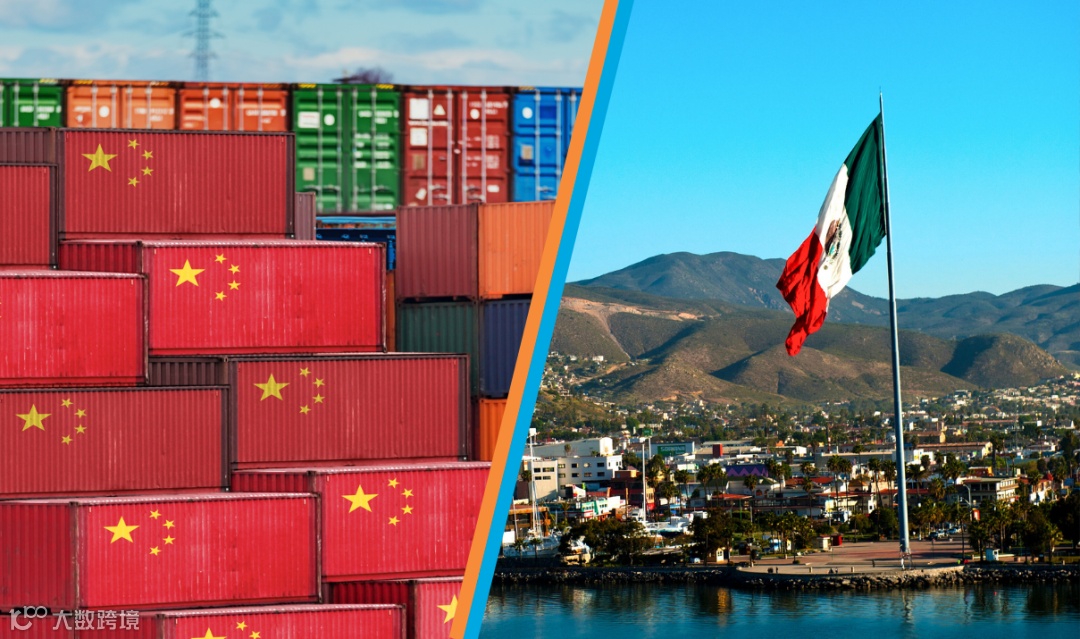
Mexico's logistics environment is facing multiple challenges. First, the Mexican Senate passed a new tariff bill that proposes to impose 5-50 per cent tariffs on products from China and other countries, a move that adds uncertainty to bilateral trade. At the same time, a nationwide strike that lasted two weeks severely impacted U.S.-Mexico cross-border logistics, with tens of thousands of trucks backed up at key ports such as Ciudad Juárez, and it is expected to take more than 10 days for clearance to be restored, leading to fresh goods losses and capacity constraints. In addition, the specialised freight forwarder ‘American Star’ has suffered a thunderstorm, with more than a hundred containers stranded in the port, involving ten million yuan of cargo value, exposing the capital chain and compliance risk under the tightening of the customs clearance policy in Mexico (such as the additional cost of about 2,200 yuan per container). The industry suggests shippers to choose a reputable logistics partner and make a good risk plan.
02
Portugal's national strike paralysed the logistics network

Portugal's largest national strike in more than a decade has led to a near shutdown of its logistics infrastructure. Disruptions to rail transport and mass cancellations of flights have had a direct impact on the European supply chain, which relies on access to the Iberian Peninsula. The strike stems from disputes over labour law reforms, and logistics recovery in the short term depends on progress in labour negotiations. It is recommended that companies with cargo routed through or destined for Portugal immediately contact their freight forwarders to confirm the latest status, assess transit alternatives, and prepare for possible medium- to long-term delays.
03
Backlog of trucks at the Kazakhstan-Russia border began to be cleared, Central Asia logistics corridor ushered in a window of policy
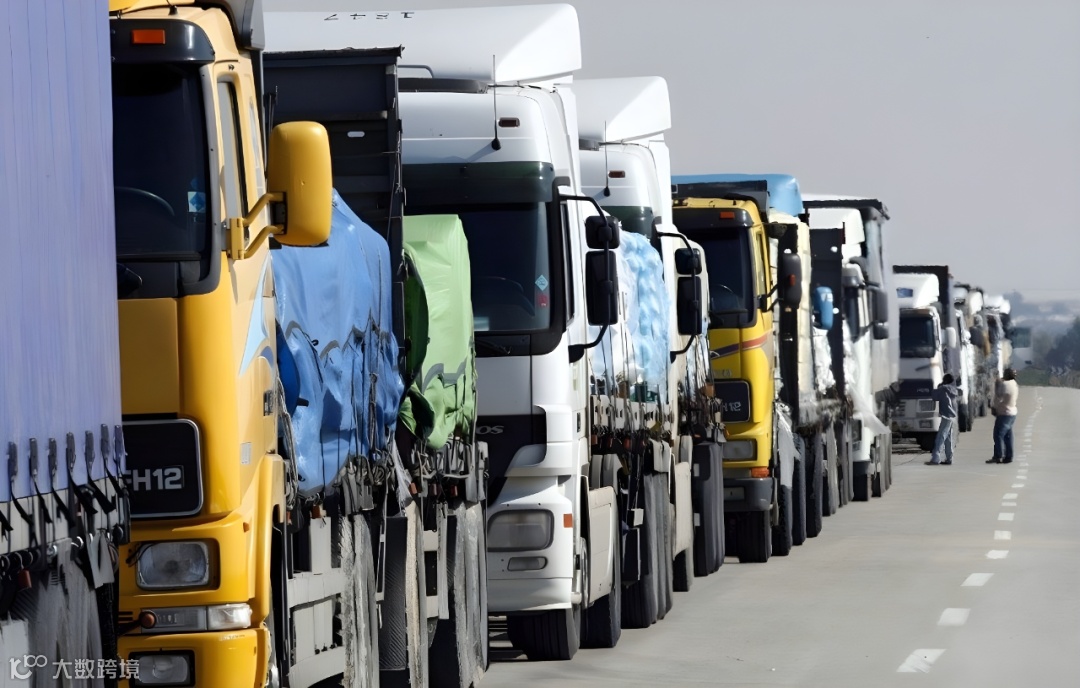
In order to ease the border congestion, the Russian presidential decree allows thousands of trucks stranded at Kazakhstan ports to enter the country and clear customs with simplified documents before 25 December. This temporary policy is a short-term relief measure for ‘grey customs clearance’, which aims to pave the way for the launch of the new customs system of the Eurasian Economic Union (implementation of commodity traceability) in April next year. Logistics operators should take advantage of the current window to deal with backlogs, but must be aware that this is only a transitional arrangement. In the long run, the compliance requirements for the Central Asian corridor will be significantly higher, and preparations for electronic document docking and commodity compliance must be completed in advance.
04
European UPS suffered systematic delays, year-end peak season capacity planning failure
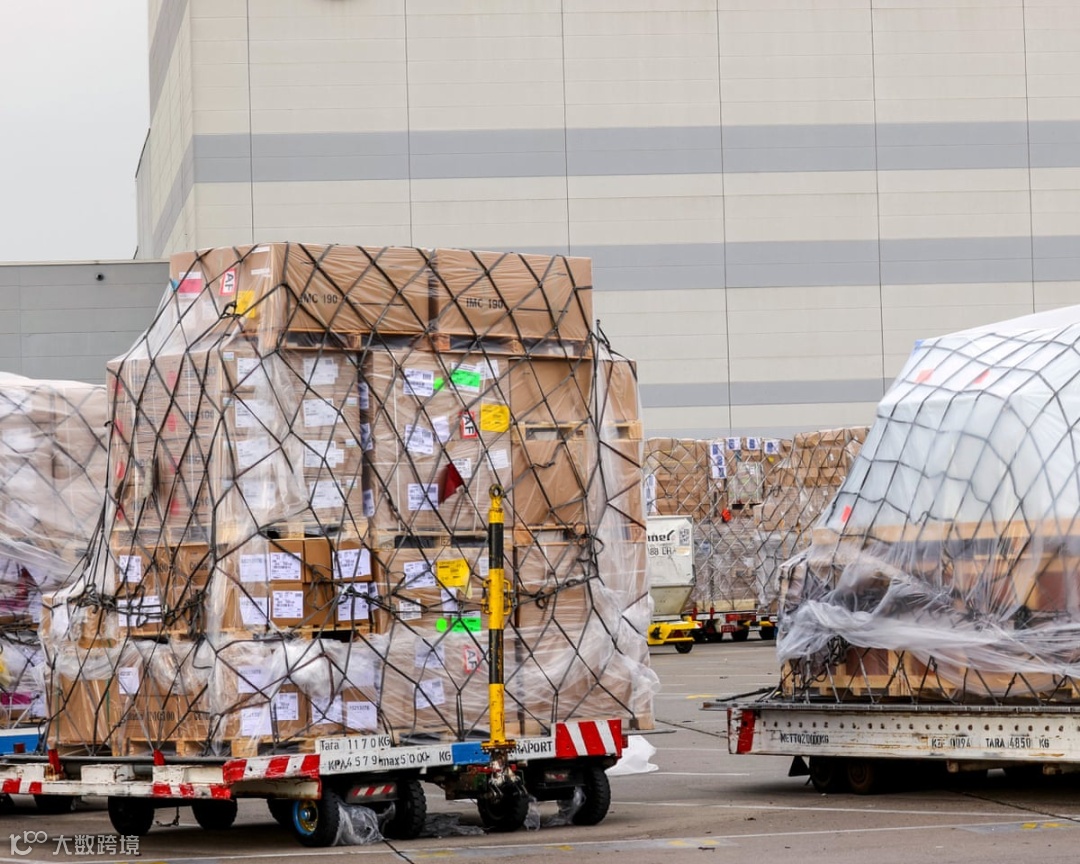
European core logistics hub in the peak season suffered a systematic collapse. German UPS and other sites burst their warehouses due to cargo overload and cancelled FBA appointments, resulting in over 10 days of cargo queuing in Hong Kong, Korea and other places, and sellers missed out on the key selling season. The delay was caused by a combination of factors such as surge in cargo volume, lack of capacity and safety incidents (e.g. lorry fire in Holland), exposing the vulnerability of a single logistics route. The emergency plan shows that transferring goods to overseas warehouses and then dispatching them through multiple channels is the current mainstream response, but overseas warehouses have also been under pressure. This warns practitioners that they must adopt a decentralised logistics strategy of multi-hub, multi-channelduring peak seasons.
E-commerce Info
China's Foreign Trade Turnover 41.21 Trillion in the First 11 Months, Structural Optimisation but External Challenges Intensity
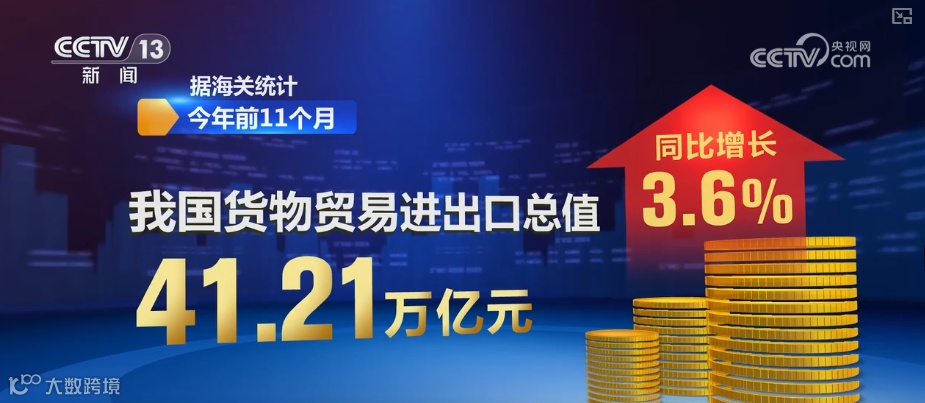
In the first 11 months of 2025, China's total import and export volume reached RMB 41.21 trillion, up 3.6% year-on-year, demonstrating resilience. Structural highlights stand out: private enterprises accounted for more than 57 %, exports of electromechanical products accounted for 60.9%, and exports of automobiles and integrated circuits grew strongly. However, trade with the United States fell by 16.9%, highlighting the direct impact of geopolitics on traditional trade routes. Foreign trade growth is shifting from ‘quantity’ to ‘quality’, with anti-risk capacity being strengthened through market diversification, development of cross-border e-commerce and overseas warehouses and other new business models. For the logistics industry, it will be a key opportunity to serve the export of high value-added products and layout of logistics networks in emerging markets.
Joint pressure from eight EU countries, cross-border platform compliance and tax risk soaring

Eight EU countries, including France and Italy, have jointly demanded that Chinese e-commerce platforms such as Shein and Temu strengthen their supervision, signalling a further tightening of the EU compliance environment. The core demands include launching formal investigations, strengthening customs and consumer protection scrutiny, and imposing a uniform tax on low-value parcels. This move will directly increase compliance costs and customs uncertainty for sellers on the relevant platforms. Logistics service providers need to foresee the future of the EU Customs review of small parcels will be more stringent, must assist customers in advance to improve the product CE certification, VAT and compliance documents, and to consider the possible increase in the cost of taxes and fees on the impact of the logistics programme.
Singapore's consumption front online, higher requirements for cross-border fulfilment of time-sensitive requirements
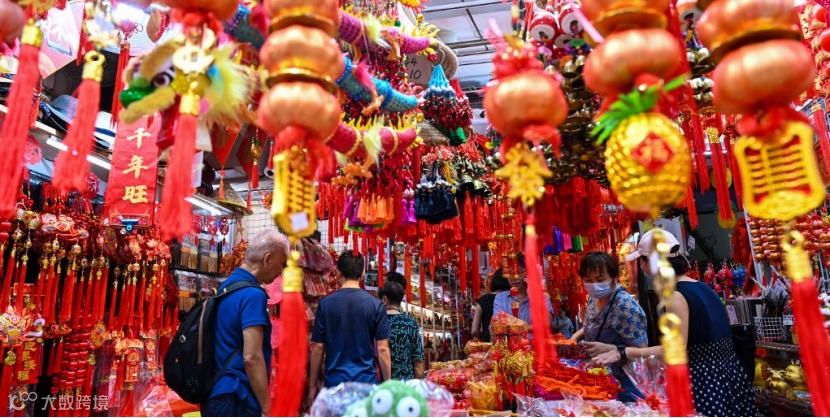
Consumption trends in Singapore show that year-end shopping is significantly ahead of schedule (34% of consumers started in October) and has become more online. Nearly half of consumers plan to increase online spending and see fast delivery as a core decision-making factor. This requires cross-border supply chains to have stronger end-to-end timing control and peak season resilience. At the same time, the contradiction between concentrated shipments during the promotional season and the lack of local fulfilment capacity is highlighted, and nearly 40% of SMEs are strengthening their local fulfilment layout. For cross-border logistics providers, in-depth co-operation with local high-quality warehousing and distribution resources, and the provision of stable and fast ‘last kilometre’ services have become the key competitiveness in capturing the Singapore market.
部
分图册或摘自网络,意为分享: