
BODEIS IN MOTION
本文使用新译翻译工具翻译,智能+人工校对
点击蓝字 关注我们
bodies in motion
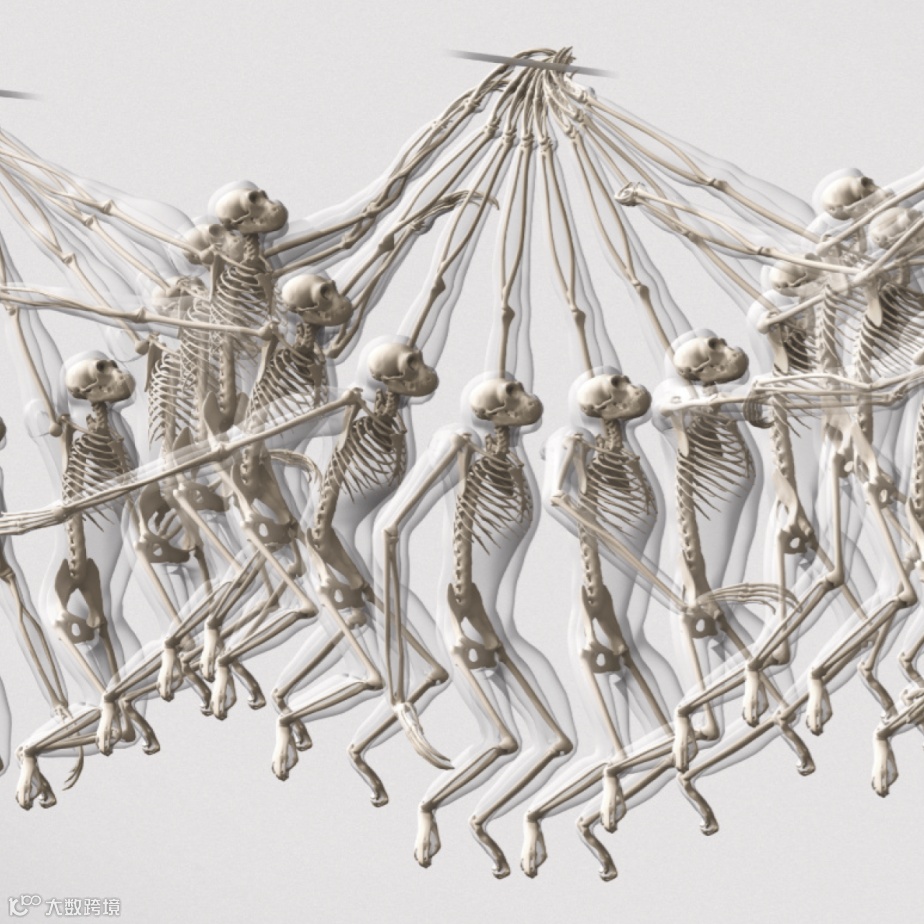
Gibbons
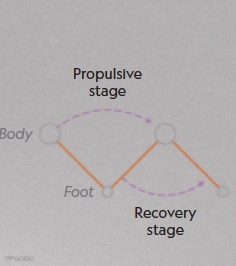
Hylobates lar Gibbons can swing like pendulums below close handholds, a movement called brachiation. At high speeds they release both hands to go completely airborne between supports.
白掌长臂猿可以像摆锤一样用手在支架下面摆动,这个动作叫做臂跃。它们松开双手,以高速在支架之间完全悬空移动。
鱼类
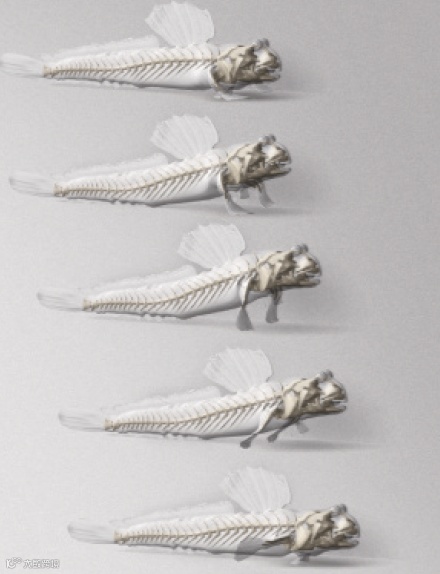
Some modern fish can move overland by pushing their bodies up with their fins and flopping forward. The limbs of tetrapods, four legged vertebrates, including amphibians evolved from the fins of ancestral fish species. Feet developed underwater, but the search for food and safety may have coaxed some early walkers onto dry ground.
一些现代的鱼可以用它们的鳍把身体向上推,然后向前扑动,从而在陆地上移动。四足动物的四肢,四足脊椎动物,包括两栖动物,是由其祖先鱼类的鳍进化而来的。脚虽然在水下发育,但是寻找食物和对安全的需求可能诱使一些早期的步行者到干燥的地面上。
/
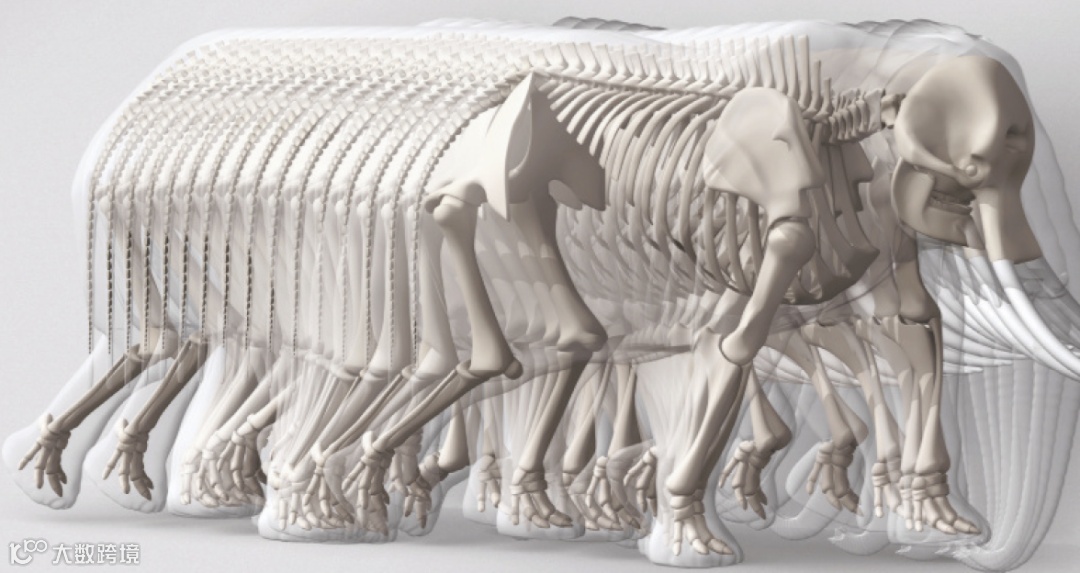
非
洲
象
Loxodonta africana Titans on
tiptoes, elephants can amble
quickly but can’t trot or gallop.
A pad behindthe toes lets their
raised-heel, digitigrade bone
structurework like humans’ flat
feet.
非洲象拥有巨大脚趾的大象
能快步慢行,但不能小跑或
疾驰。脚趾后的爪垫让他们
的脚后跟抬起,趾行动物的
骨骼结构像人类的平足一样
工作。
原文作者 | JASON TREAT, BRAD SCRIBER & PATRICIA HEALY
插图作者 | BRYAN CHRISTIE DESIGN
翻译 | 新译科技AI
排版、编辑 | 许嘉伦
往期推荐