

本文使用新译翻译工具翻译,智能+人工校对
《十三邀》
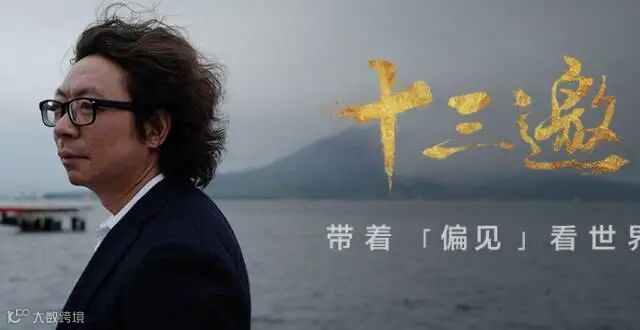
一改传统新闻访谈节目客观中立的态度,《十三邀》以许知远偏见的视角,带领观众在与13位“社会切片”的对话中,观察和理解这个世界。
Changing the objective and neutral attitude of traditional news interview program, Thirteen Invitation leads the audience to observe and understand the world in the dialogue with 13 "social slices" from the angle of prejudice.
这档节目强调的一直是“每个人都是带着成见来看待世界的,如果你没有带着成见,那你对世界根本没有看待方式”。然后许知远会说一段小独白:我是一个不太靠谱的作家,试图去捕捉时代的精神,却又厌恶时代的流行情绪;一个勉强的创业者,努力获得商业上的成功,却又不完全相信商业上的逻辑。“很矛盾的感觉,许知远拎着一本书,开始一次不太漫长的访谈。
"Everyone sees the world with prejudice, and if you don't have prejudice, you don't have a way to look at the world." And then Xu Zhiyuan would say a little monologue: I am a less reliable writer, trying to capture the spirit of the times, but hate the popular mood of the times; A reluctant entrepreneur who strives to achieve commercial success but does not fully believe in business logic. "Very contradictory feeling, Xu Zhiyuan carrying a book, began a not too long interview.
在前几期,他不仅打响了节目的标语,在采访过程中,他自己有很强烈的主观色彩对待被采访者,似乎在说“你来我这档节目,我就必须带着成见的有色眼镜去看你”,这会让很多嘉宾觉得不太得劲,嘉宾心理认同感和尊重感不高。
In previous issues, he not only played the slogan of the program, in the interview process, he himself has a very strong subjective color to the interviewee, seems to say, "You come to my program, I must take stereotyped color glasses to see you", this will make many guests feel not very good, guest psychological identity and respect is not high.
《十三邀》是一档质疑和求证的客观节目,节目定位准确,受众定位针对精英人群。精英人群对世界的不认同,判断的分歧叫偏见,普通老百姓对认识的不同不叫偏见,是反对,不理解,不赞同,比较简单。随着受众教育程度不断提升,对世界的认识越来越复杂和全面,才能存在偏见。所以这档节目,找准了自己的定位。
"Thirteen Invitations" is an objective program of questioning and seeking evidence, with accurate program orientation and audience orientation aimed at elites. Elite people do not agree with the world, the difference of judgment is called prejudice, ordinary people do not call prejudice to the difference of cognition, is opposed, do not understand, disapproval, relatively simple. With the increasing education level of the audience, the understanding of the world becomes more and more complex and comprehensive, so that there is prejudice. So this shows, find their own position.
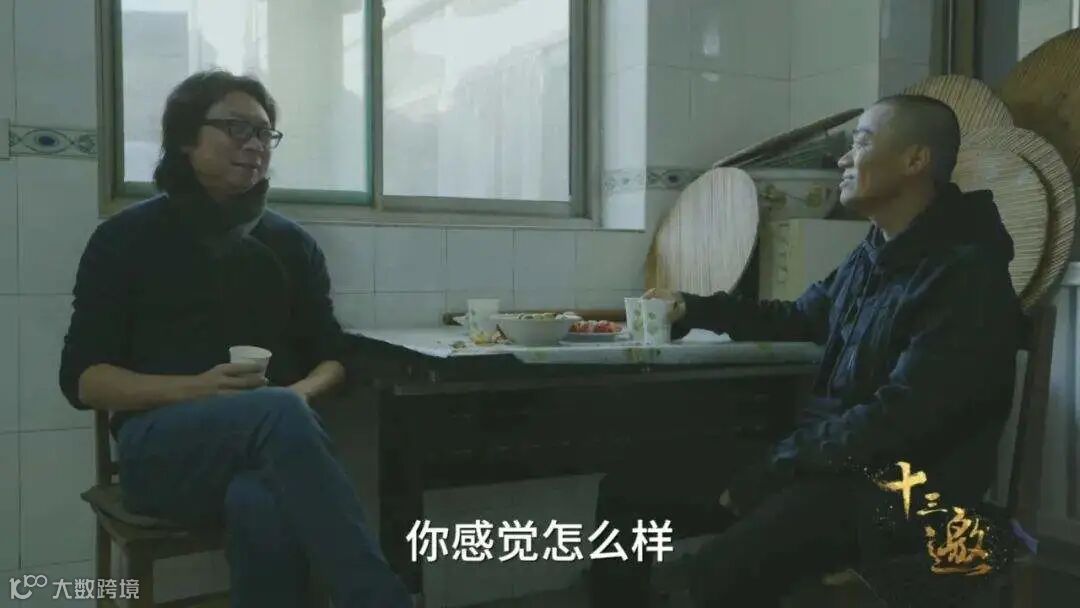
许在节目之前的筹备工作全部展现给观众,采访陈冲那一期,他将陈冲以前的照片拿给在夜店玩的小年轻看,问现在的年轻人对陈冲的看法。收集了看法,他并没有在采访中一味得去传达讯息,而是将同样的能引起陈冲回忆的道具照片让陈冲自己对自己评价和描述,然后引出年轻人对她的看法
Xu's preparations before the show were all presented to audiences, interviewing Chen Chong's issue. He brought his previous photos to youngsters playing in the nightclub and asked today's young people what Chen Chong thought. Instead of trying to convey the message in the interview, he asked Chen Chong himself to evaluate and describe himself, instead of trying to convey the message in the interview. Instead, he asked Chen Chong to evaluate and describe himself, and then draw out young people's views on her
许从来不问对错,是否等闭合性问题,他总是给被采访者一支笔,让他们自己作画,而他做的不是锦上添花,而是不断的递给嘉宾沾有不同色彩的工具。
Xu never asked right or wrong, whether to wait for the closed question, he always give the interviewee a pen, let them paint themselves, and he does not on the brocade to add flowers, but to constantly hand the guest with different color tools.
陈冲是上海人,许跑到美国纽约采访她,他找到了一座具有海派风味的洋楼,俩人在里边吃不太正宗的上海本帮菜,窗外淅淅沥沥下着雨。他对于场景和人物的联系,做了大量工作,为敏锐的嘉宾提供熟悉的感觉。
Chen Chong, a Shanghai native, went to New York to interview her. He found a sea-style foreign building in which the two people ate less authentic Shanghai cuisine, draining rain outside the window. He did a lot of work on the connection between scenes and characters, providing a familiar feeling for keen guests.

prejudice n. 偏见
Monologue n. 长篇独白
Stereotype n. 刻板印象
文章来源|知乎
翻译|新译智能AI
编辑|董昕
新译科技订阅号
扫码关注
获取更多翻译知识