

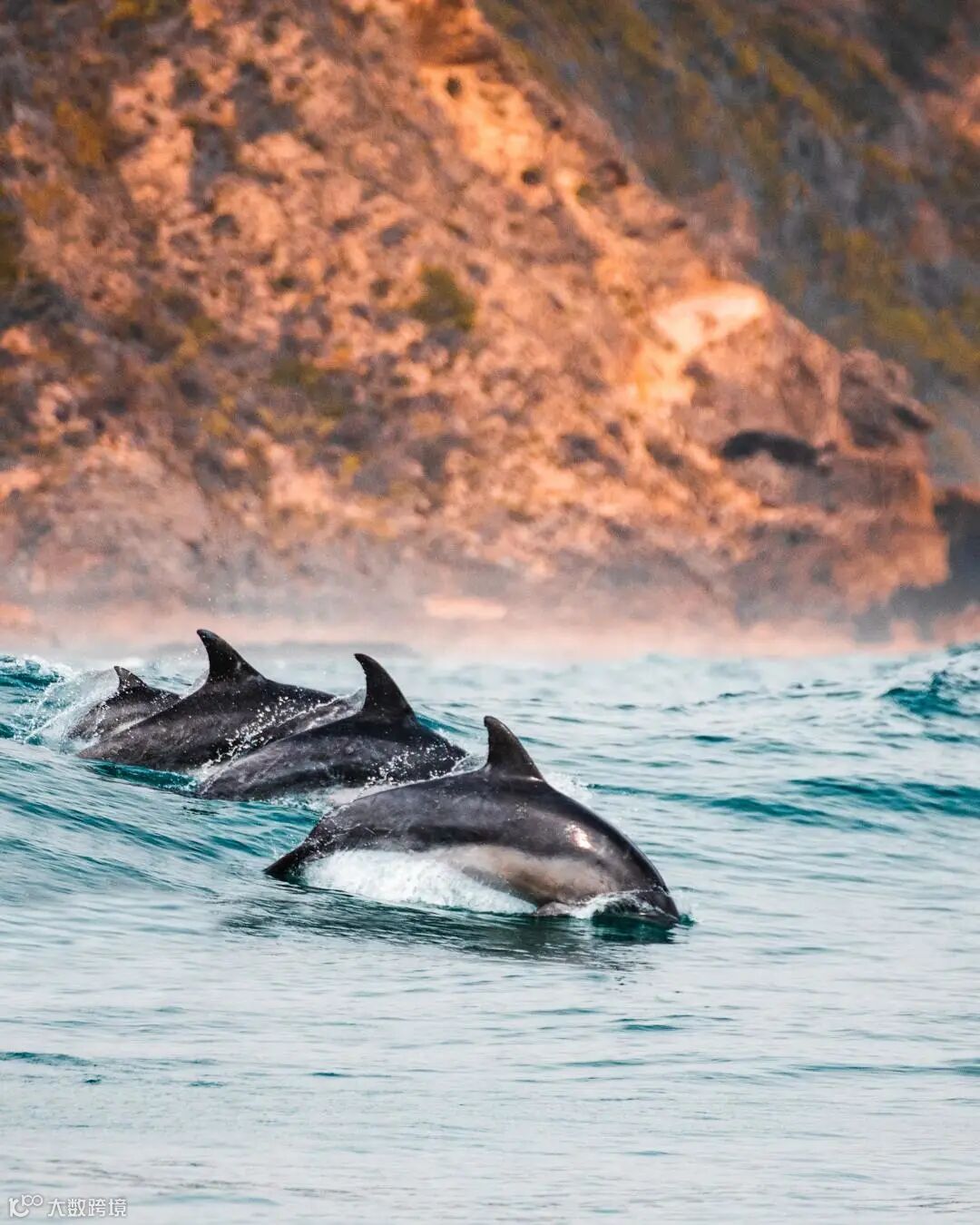


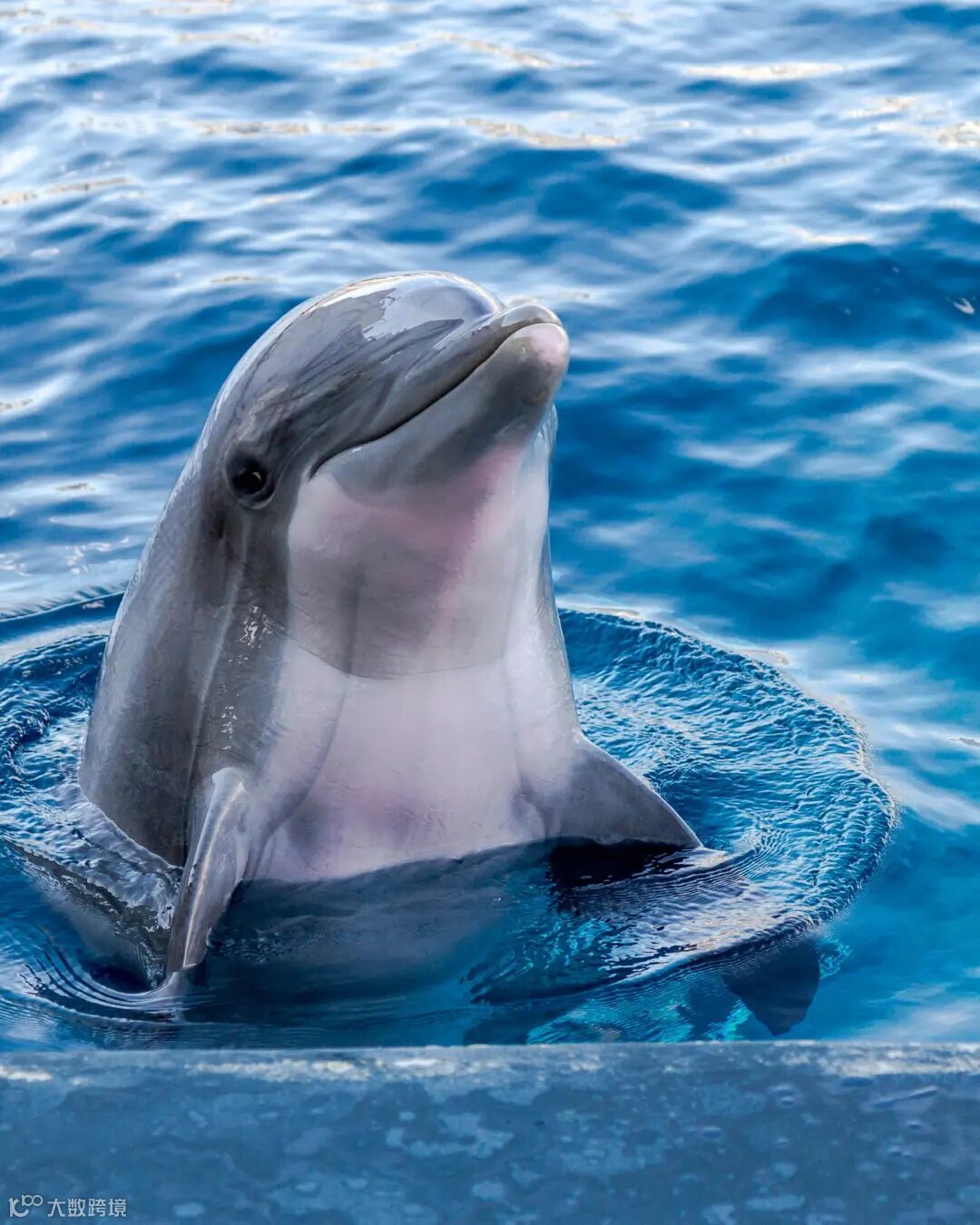


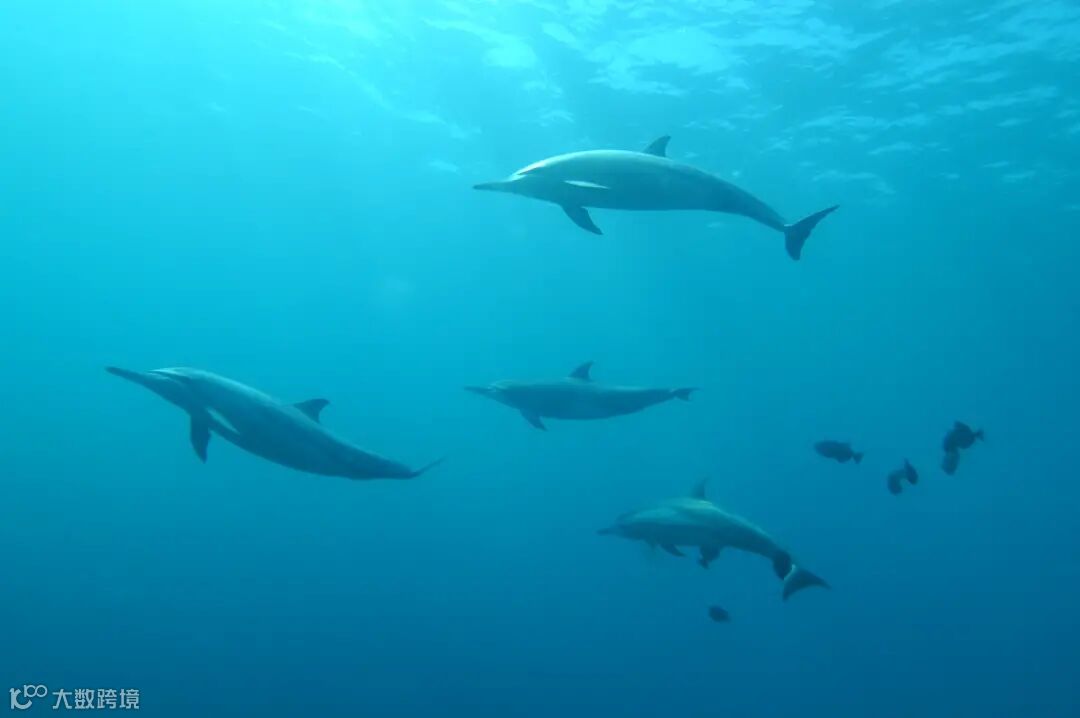
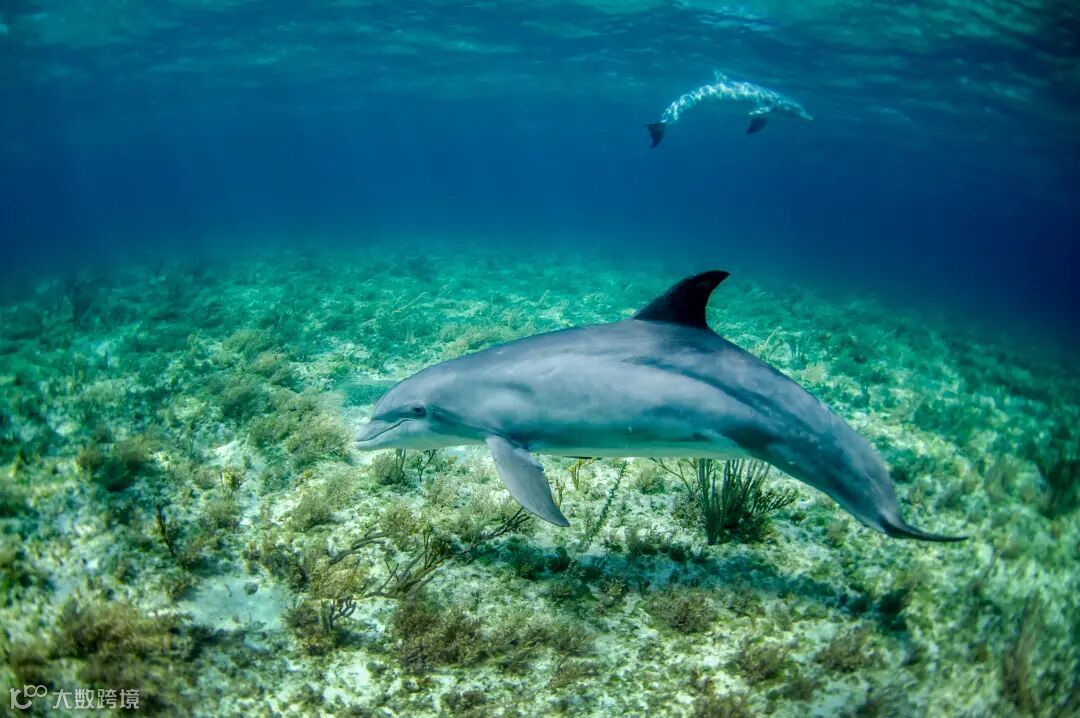
We humans rely on a suite of cues to recognize our friends, such as their smiles, their voices, or the way they walk. Biologists have known for several decades that dolphins form close friendships, and that the cetaceans identify pals by their unique whistles. Now new surprising research suggests bottlenose dolphins use their sense of taste to discern their friends’ urine from unrelated dolphins.
我们人类依靠一系列线索来识别我们的朋友,例如他们的微笑、声音或走路方式。几十年来,生物学家已经知道海豚之间会有亲密的友谊,而鲸目动物通过它们独特的哨声来识别伙伴。现在新的研究表明,宽吻海豚利用它们的味觉来区分它们朋友和陌生海豚的尿液。
Jason Bruck's original goal was to test whether dolphins use their signature whistles in the same way people rely on names. But to do that, he needed a second way for dolphins to identify each other. To find out if dolphins could associate a whistle with a specific dolphin, Bruck turned to an unlikely substance: urine. A scientist had previously observed wild dolphins purposefully swimming through plumes of urine, leading Bruck to suspect they were gathering information from it.
杰森·布鲁克的最初目标是测试海豚是否像人们依靠名字一样使用自己的标志性哨声。但要做到这一点,他需要另一种让海豚相互识别的方法。为了弄清楚海豚是否可以将哨声与特定的海豚联系起来,布鲁克转向了一种不太可能的物质:尿液。一位科学家此前曾观察到野生海豚有目的地在尿液中游动,布鲁克怀疑它们正在从中收集信息。



The researchers’ first step was to see whether dolphins could detect urine in the seawater. Over evolutionary time, bottlenose dolphins have lost their sense of smell but retained a strong sense of taste. In expansive pools containing temporarily separated dolphins, the scientists poured water with ice into the water and then watched to see how each animal responded. Next, the team needed to test whether the animals' reactions to ice water and urine varied, and whether they responded differently to familiar versus unfamiliar urine.
研究人员的第一步是观察海豚是否可以检测海水中的尿液。随着进化时间的推移,宽吻海豚失去了嗅觉,但保留了强烈的味觉。在包含暂时分离的海豚的广阔水池中,科学家们将加冰的水倒入水中,然后观察每只海豚的反应。接下来,研究小组需要测试海豚对冰水和尿液的反应是否不同,以及它们对熟悉和不熟悉的尿液的反应是否不同。
The team knew which dolphins were familiar with each other based on who had lived together for at least five years. So the researchers poured about 20 milliliters of both familiar and unfamiliar dolphin urine into the pool, one after another, with the order determined by coin flip. The dolphins spent about three times longer investigating the familiar urine than the unfamiliar urine, with a few individuals sampling the familiar substance for more than 20 seconds.
研究团队根据是否共同生活至少五年来了解哪些海豚彼此熟悉。研究人员将大约 20 毫升熟悉的和陌生的海豚尿液依次倒入水池中,顺序由掷硬币决定。海豚研究熟悉的尿液的时间大约是不熟悉的尿液的三倍,一些海豚研究熟悉的尿液超过20秒。


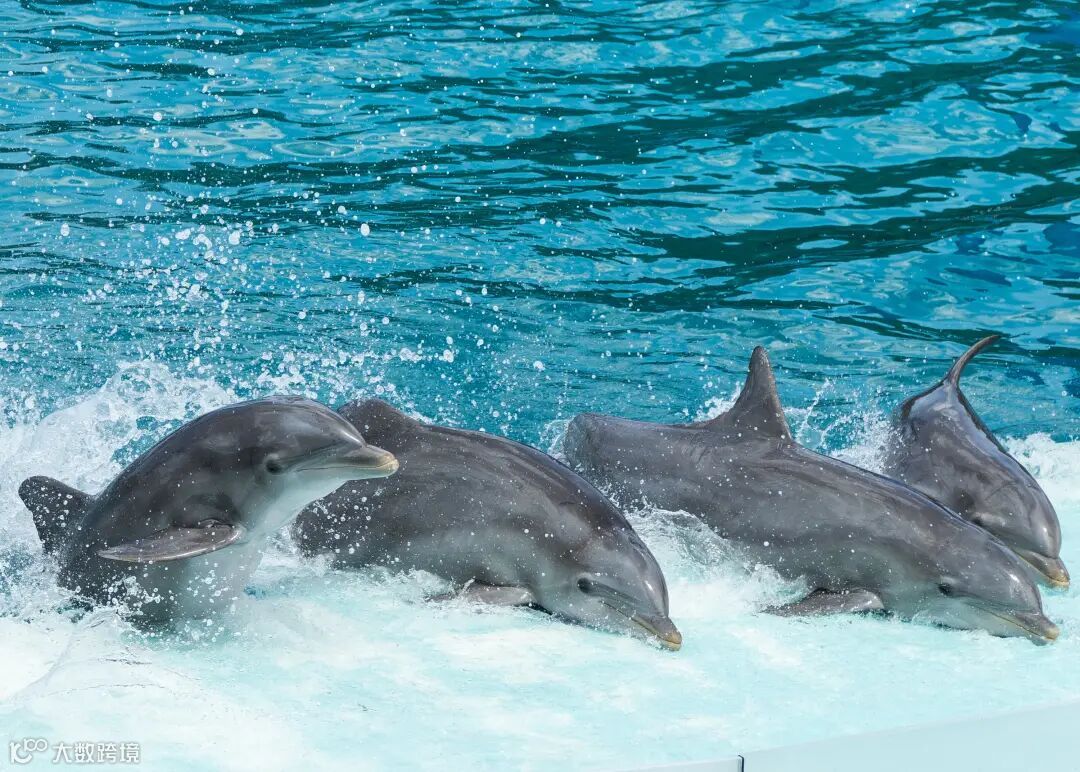
The findings are the first robust evidence of an animal identifying other members of its species using taste. As for Bruck, he’s eager to delve next into what biological mechanism the dolphins use to taste urine. A promising possibility is lipids in urine, which can be detected with a physical “antenna” on their taste buds. It’s especially pressing, he adds, as it’s unknown what impact human-made pollution has on the dolphins’ taste-based abilities.
这些发现是动物使用味觉识别其物种其他成员的第一个有力证据。至于布鲁克,他希望接下来深入研究海豚品尝尿液的生物学机制。一种很有希望的可能性是尿液中存在脂质,这种脂质可以通过味蕾上的物理“触须”检测到。他补充说,这尤其紧迫,因为尚不清楚人为污染对海豚的味觉能力有何影响。


图文来源 | National Geographic
翻译 | 新译科技AI+人工校对
编辑、排版 | 金诗怡