

HISTORY
0
用脚步丈量世界
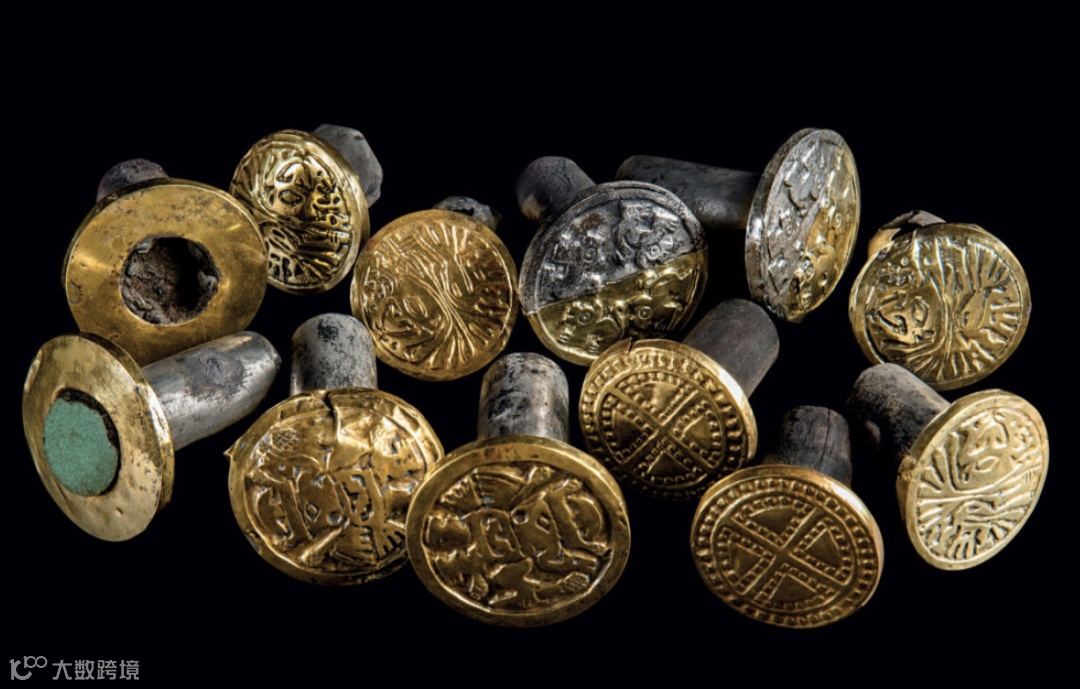
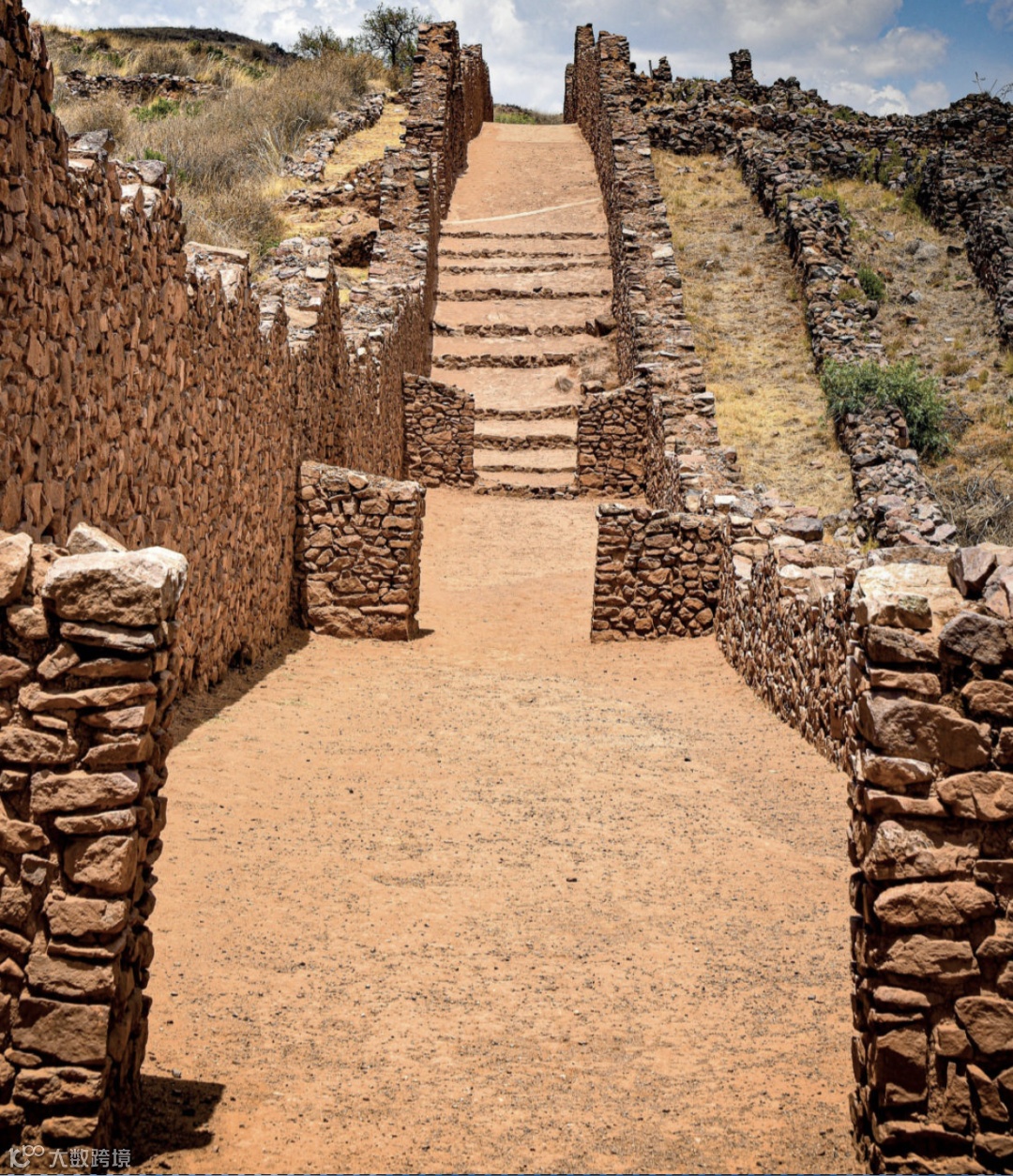
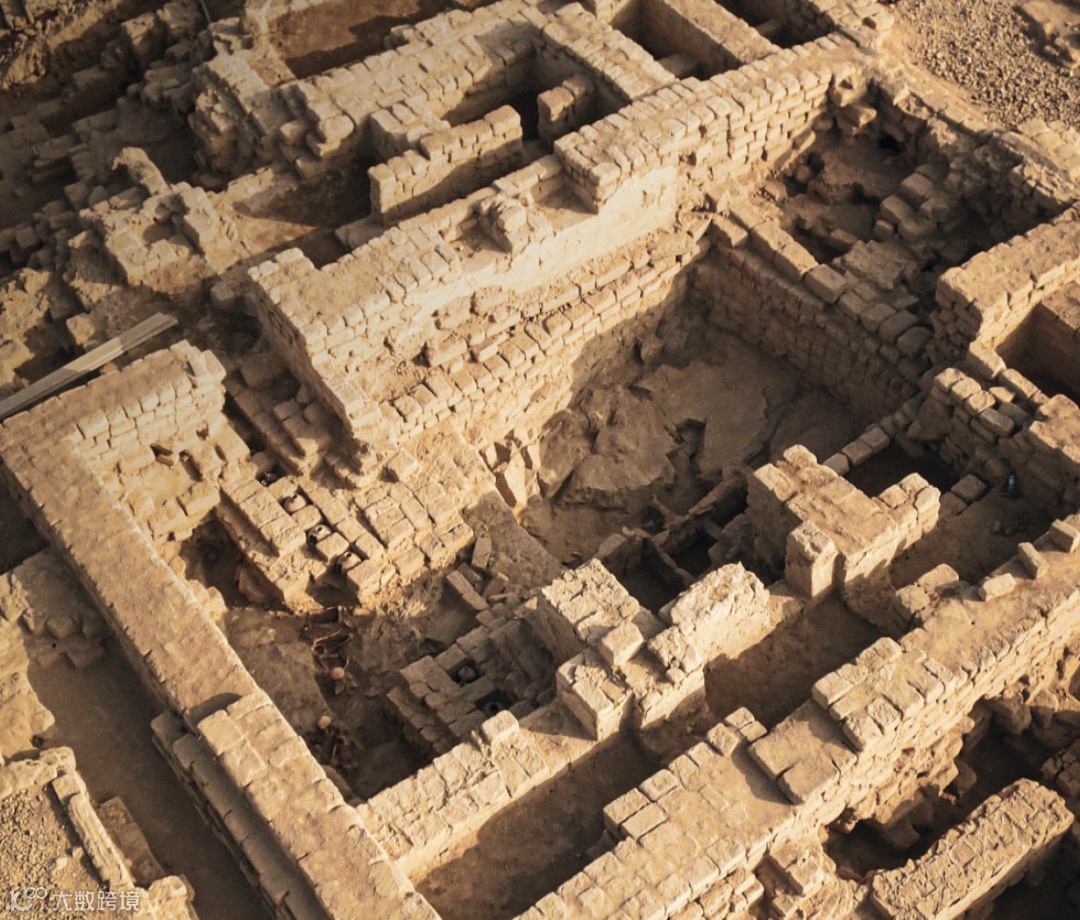
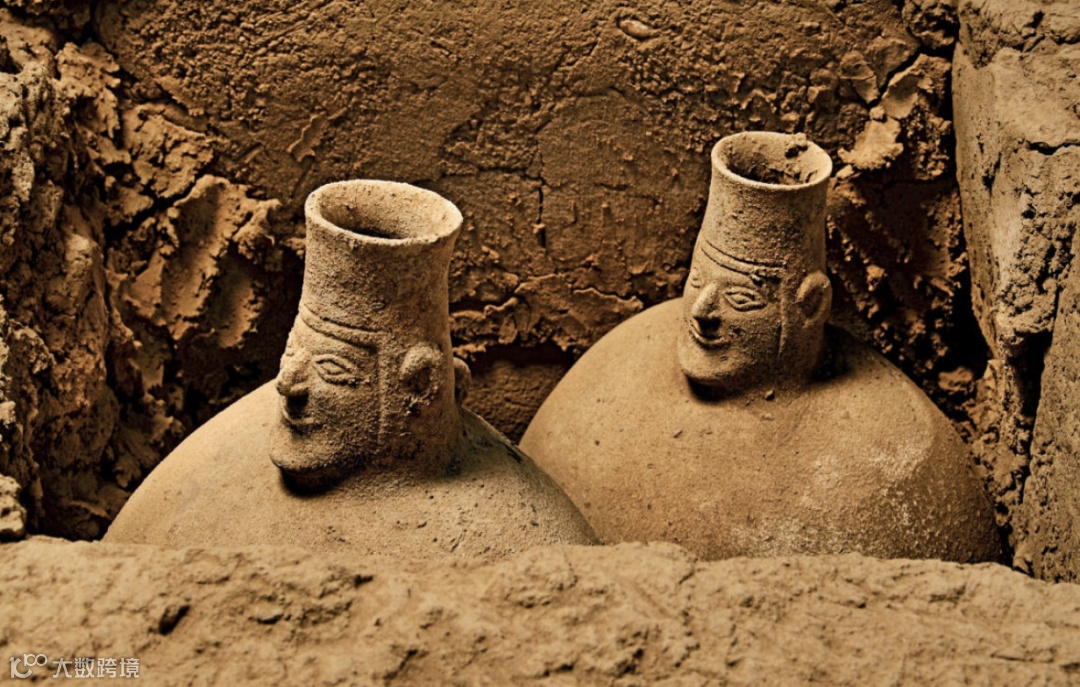
Between a.d. 700 and 1000, the Wari ruled the coastal highlands of modern-day Peru. Many of their royal tombs had been looted over the centuries, but one intact tomb was found. Holding the body of a queen, the grave at El Castillo de Huarmey revealed the rich culture of the Wari people.
公元700年至1000年间,瓦里人统治着现代秘鲁的沿海高地。几个世纪以来,他们的许多皇室陵墓被洗劫一空,但人们发现了一座完整的陵墓。埃尔·卡斯蒂略·德·瓦尔梅(El Castillo de Huarmey)的墓穴中有一具女王的尸体,展现了瓦里人丰富的文化。
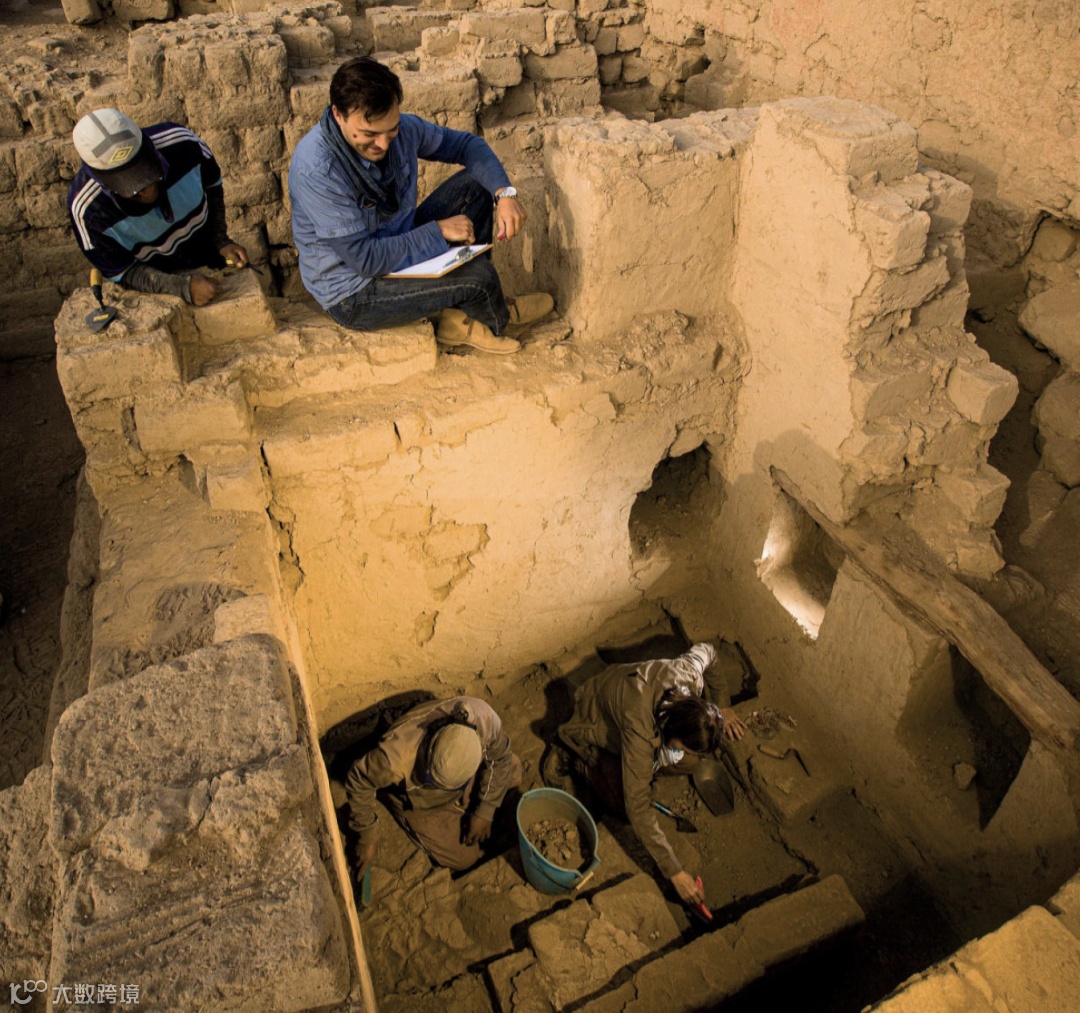
More than a thousand years ago in what is now Peru, the site of El Castillo de Huarmey was among the land’s most sacred places; University of Warsaw archaeologist Miłosz Giersz was sure of it. Plenty of people had warned Giersz that excavating there would be difficult and almost certainly a waste of time and money. Looters had already been tunneling into the massive hill, searching for ancient tombs and treasure. Located on the coast, a fourhour drive north of Lima, what was once a holy place was pitted with holes, looking more like a moonscape littered with ancient human bones, and strewn with modern trash.
一千多年前,在现在的秘鲁,El Castillo de Huarmey遗址是这块土地上最神圣的地方之一;华沙大学考古学家米奥斯.吉尔兹对此表示肯定。很多人警告吉尔斯说,在那里挖掘会很困难,而且几乎肯定会浪费时间和金钱。抢劫者已经在这座巨大的山上挖隧道,寻找古墓和宝藏。位于利马以北四小时车程的海岸上,曾经是圣地的地方布满了洞穴,看起来更像是一个满布着古代人类骨骼、散落着现代垃圾的月球景观。
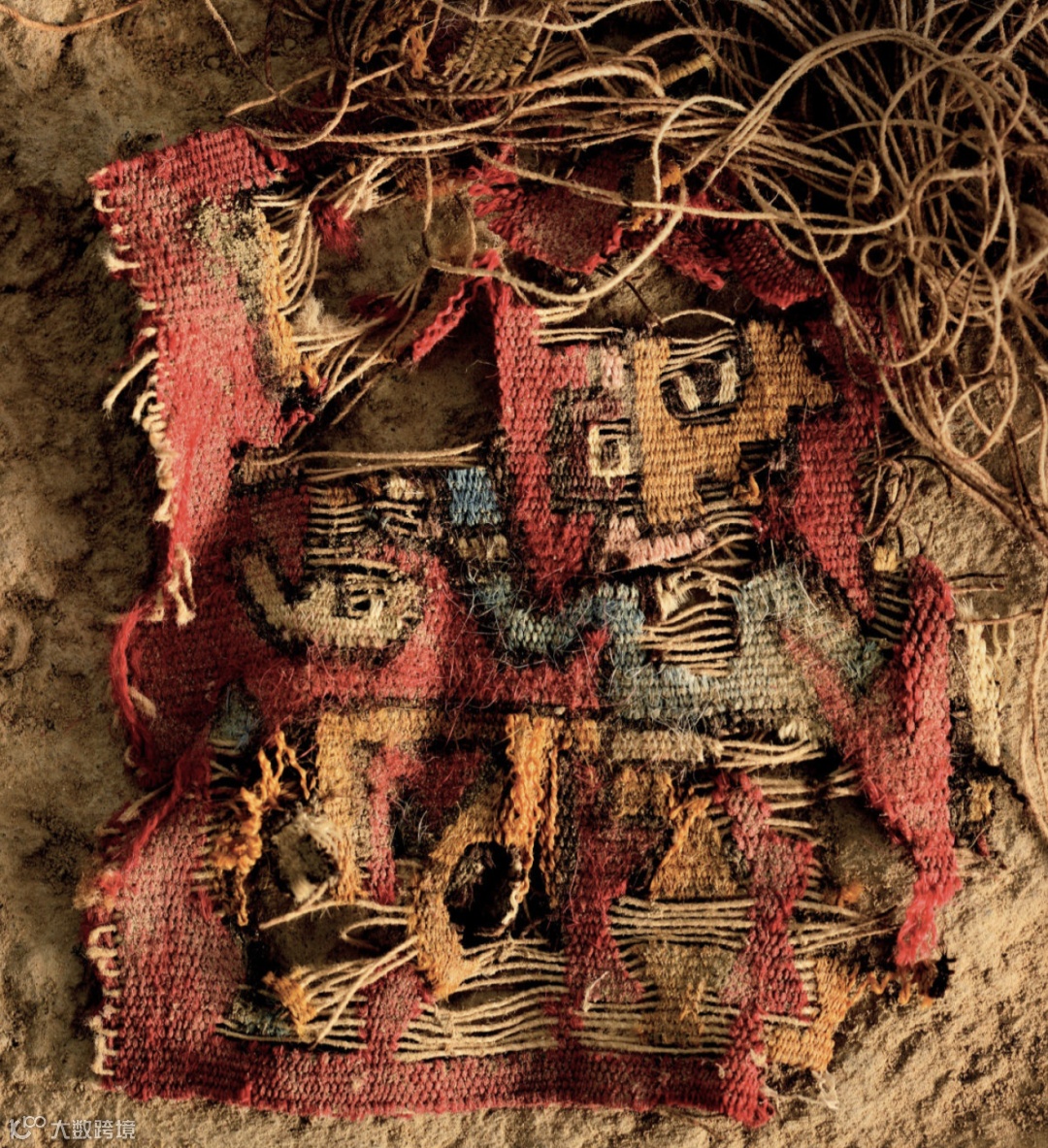
Looking past the debris, Giersz was entranced
by the bits of textiles and broken pottery he saw
dotting the slopes. They came from Peru’s littleknown
Wari civilization, whose heartland lay far
to the south. In 2010 Giersz and a small research
team began investigating by imaging what lay
underground with a magnetometer and taking
aerial photos from a camera sailing above on a
kite. The results revealed something that generations
of grave robbers had missed: the faint
outlines of buried walls running along a rocky
southern spur.
从废墟旁望过去,吉尔斯被他看到的点缀在斜坡上的纺织品碎片和碎陶器吸引住了。他们来自秘鲁鲜为人知的瓦里文明,其中心地带位于遥远的南方。2010年,吉尔斯和一个小型研究小组开始调查,用磁强计对地下的东西进行成像,并用风筝上的相机拍摄空中照片。研究结果揭示了几代盗墓者都没有注意到的一点:沿着一条多岩石的南部丁坝,隐约可见的掩墙轮廓。
往期推荐:
编辑、排版 | Jamin
图文来源 | National Geographic
翻译 | 新译科技AI+人工校对