

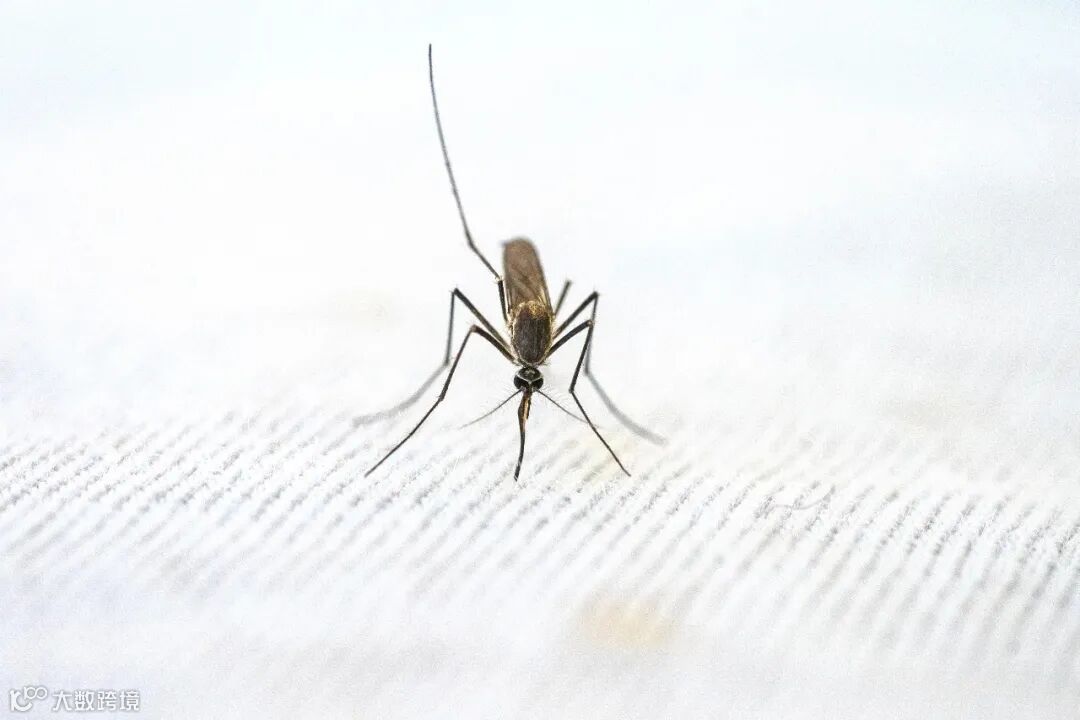
Malaria is the mosquito-transmitted disease, which kills over one million per year, most of them children.
疟疾是一种通过蚊子传播的疾病,每年造成100多万人死亡,其中大多数是儿童。
Malaria occupies a unique place in the annals of history. Over millennia, its victims have included Neolithic dwellers, early Chinese and Greeks, princes and paupers. In the 20th century alone, malaria claimed between 150 million and 300 million lives. Although its chief sufferers today are the poor of sub-Saharan Africa, Asia, the Amazon basin, and other tropical regions, 40 percent of the world's population still lives in areas where malaria is transmitted.
疟疾在历史上占有独特的地位。几千年来,它的受害者包括新石器时代的居民,早期的中国人和希腊人,王子和乞丐。仅在20世纪,疟疾就夺走了1.5亿到3亿人的生命。尽管目前疟疾的主要患者是撒哈拉以南非洲、亚洲、亚马逊盆地和其他热带地区的穷人,但世界上40%的人口仍然生活在疟疾传播地区。
Ancient writings and artifacts testify to malaria's long reign. Clay tablets with cuneiform script from Mesopotamia mention deadly periodic fevers suggestive of malaria. Malaria antigen was recently detected in Egyptian remains dating from 3200 and 1304 BC. Indian writings of the Vedic period (1500 to 800 BC) called malaria the “king of diseases.”

古代文献和文物证明了疟疾的长期存在。来自美索不达米亚的带有楔形文字的泥板上提到了致命的周期性发烧,这暗示着疟疾。最近,在公元前3200年到1304年的埃及遗骸中发现了疟疾抗原。印度吠陀时期(公元前1500年至公元前800年)的著作称疟疾为“疾病之王”。
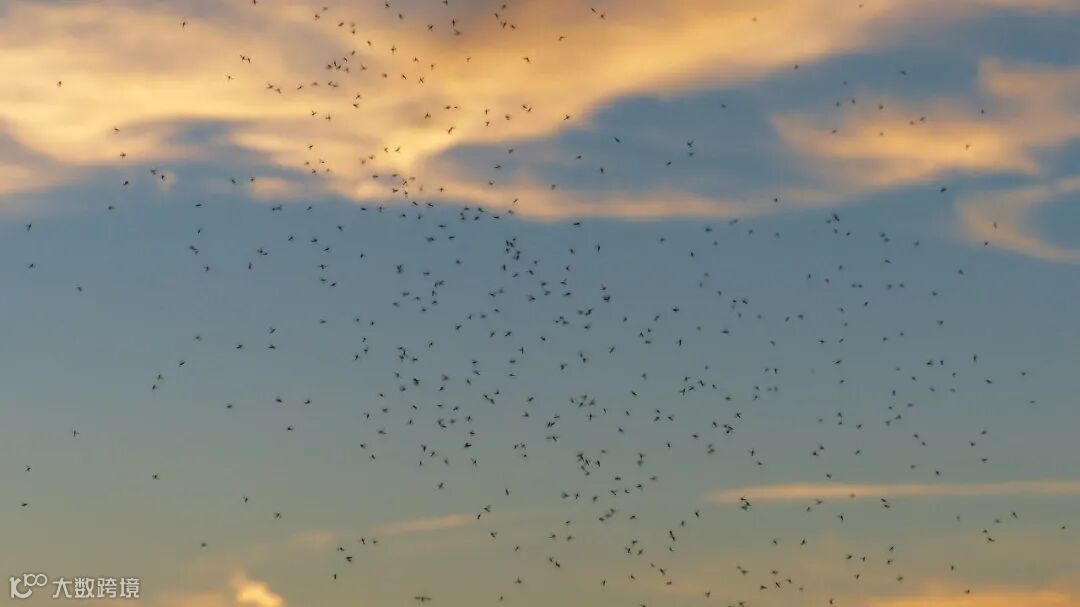
Malaria's probable arrival in Rome in the first century AD was a turning point in European history. For the next 2,000 years, wherever Europe harbored crowded settlements and standing water, malaria flourished, rendering people seasonally ill, and chronically weak. In India and China, population growth drove people into semitropical southern zones that favored malaria.
疟疾可能在公元1世纪到达罗马,这是欧洲历史上的一个转折点。在接下来的2000年里,在欧洲任何有拥挤的定居点和积水的地方,疟疾都会肆虐,导致人们季节性生病,长期地虚弱。在印度和中国,人口增长迫使人们迁移到亚热带南部地区,那里更容易感染疟疾。
For centuries the only widely known malaria remedy was quinine, which came from the bark of the cinchona tree of Peru and Ecuador. Then, in the 1940s, a synthetic drug was created using the compound chloroquine. Around the same time, the insecticide known as DDT was developed. These weapons eradicated the disease in many areas, including the United States and southern Europe.
几个世纪以来,唯一广为人知的治疗疟疾的药物是奎宁,它来自秘鲁和厄瓜多尔的金鸡纳树的树皮。然后,在20世纪40年代,一种使用复方氯喹的合成药物被创造出来。大约在同一时间,被称为双对氯苯基三氯乙烷(DDT)的杀虫剂被开发出来。这些武器在许多地区根除了这种疾病,包括美国和南欧。

In the past two decades, the world has made enormous progress toward curbing malaria thanks to widespread use of bed nets, rapid diagnosis, and the seasonal use of preventive antimalarial drugs. In 2019, the world saw an estimated 229 million cases of malaria, 94 percent of which occurred in Africa. Millions of cases of malaria also occurred across Asia, the Middle East, and the Americas.
To drive meaningful progress against malaria once again, the WHO has been eager to introduce a malaria vaccine into the mix. More than 140 different malaria vaccine candidates are in development.
在过去20年里,由于广泛使用蚊帐、快速诊断和季节性使用预防性抗疟药物,世界在遏制疟疾方面取得了巨大进展。2019年,全球估计有2.29亿例疟疾病例,其中94%发生在非洲。亚洲、中东和美洲也发生了数百万例疟疾病例。
为了在抗击疟疾方面再次取得有意义的进展,世界卫生组织一直渴望将一种疟疾疫苗引入到混合疫苗中。140多种不同的候选疟疾疫苗正在研制中。
资料来源 | Saving Lives, Buying Time: Economics of Malaria Drugs in an Age of Resistance; National Geographic
翻译 | 新译科技AI+人工校对
编辑、排版 | 王仔洋