



When the Prussian naturalist Alexander von Humboldt arrived in South America in 1799, the colours astonished him. “Look at the blossoms, the birds,” he wrote. “Even the crayfish are blue and yellow.”

1799年,当普鲁士博物学家亚历山大·冯·洪堡特抵达南美洲时,他看到的颜色使他大吃一惊。他写道,“看花儿,鸟儿,连小龙虾都是蓝黄相间的。”
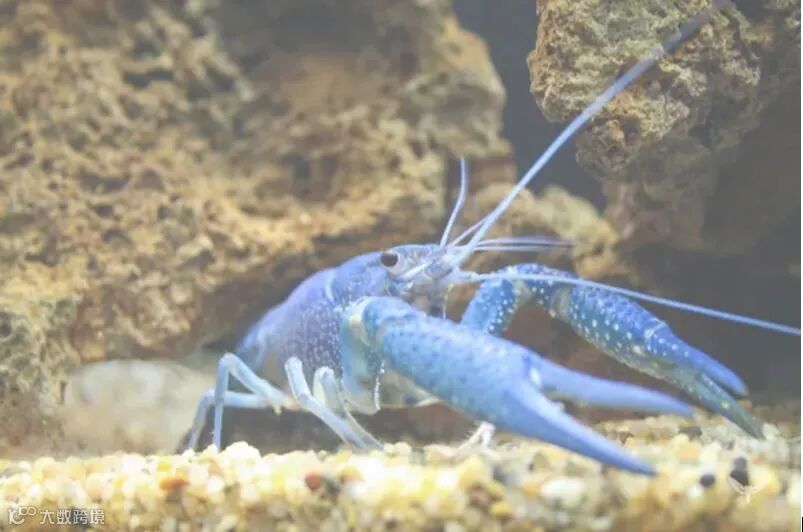

In the intervening centuries, Humboldt’s musings have morphed into an informal, hypothesis about the world’s living things: that organisms in equatorial climes are more colourful than those nearer the poles.
在中间的几个世纪里,洪堡尔特的想法已经演变成一个关于世界生物的非正式假设:赤道气候中的生物比靠近极地的生物更具绚丽多彩。
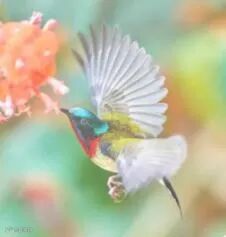

Equatorial birds, the researchers found, were indeed more colourful than their cousins in temperate regions, with colourfulness declining with latitude. The birds sampled at the equator had, on average, between 90 and 100 different colours, while birds at 60 degrees latitude had closer to 70 colours.

研究人员发现,赤道鸟类确实比它们的温带地区的表亲多姿多彩,色彩丰富度随着纬度升高而下降。在赤道取样的鸟类平均颜色在90-100种之间,而纬度为60°的鸟类则拥有接近70种颜色。
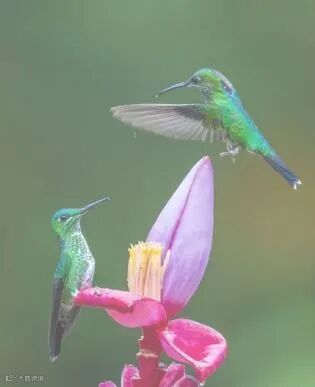


Such trends related to latitude are not uncommon in ecology, with species diversity also having been shown to peak at the equator. Some have speculated that warmer climates make more resources available to their inhabitants, allowing them to spend energy on developing adornments. Others have suggested that the bright colours may arise from chemical compounds in their diet.
这种与纬度有关的趋势在生态学中并不罕见,物种多样性也在赤道达到顶峰。一些人推测,更暖的气候会使生物获得更多资源,使它们能够把精力花在装饰上。另一些人则认为明亮的颜色可能来自他们饮食中的化合物。
图文来源 丨 The Economist
翻译 丨 新译科技AI+人工校对
编辑、排版 丨 闫艺林