WEEKLY 聚焦于当下最具灵感与深度表达的设计、艺术与生活方式的作品。每周我们将从印际官网发布的内容中精心甄选,呈现一个内容窗口,作为通往更广阔创意世界的切入点。通过这一持续更新的栏目,我们希望与大家一同探讨的是,创作如何回应时代的语境,回应日常的情感,也回应每一位生活其中的个体。
WEEKLY focuses on the most inspiring and thoughtfully articulated works in design, art, and lifestyle today. Each week, we carefully select highlights from projects published on our official website, presenting them through a curated window—an entry point into a broader world of creativity.Through this regularly updated series, we hope to explore how creative work responds to the context of our times, to the emotions of everyday life, and to the lived experiences of each individual.
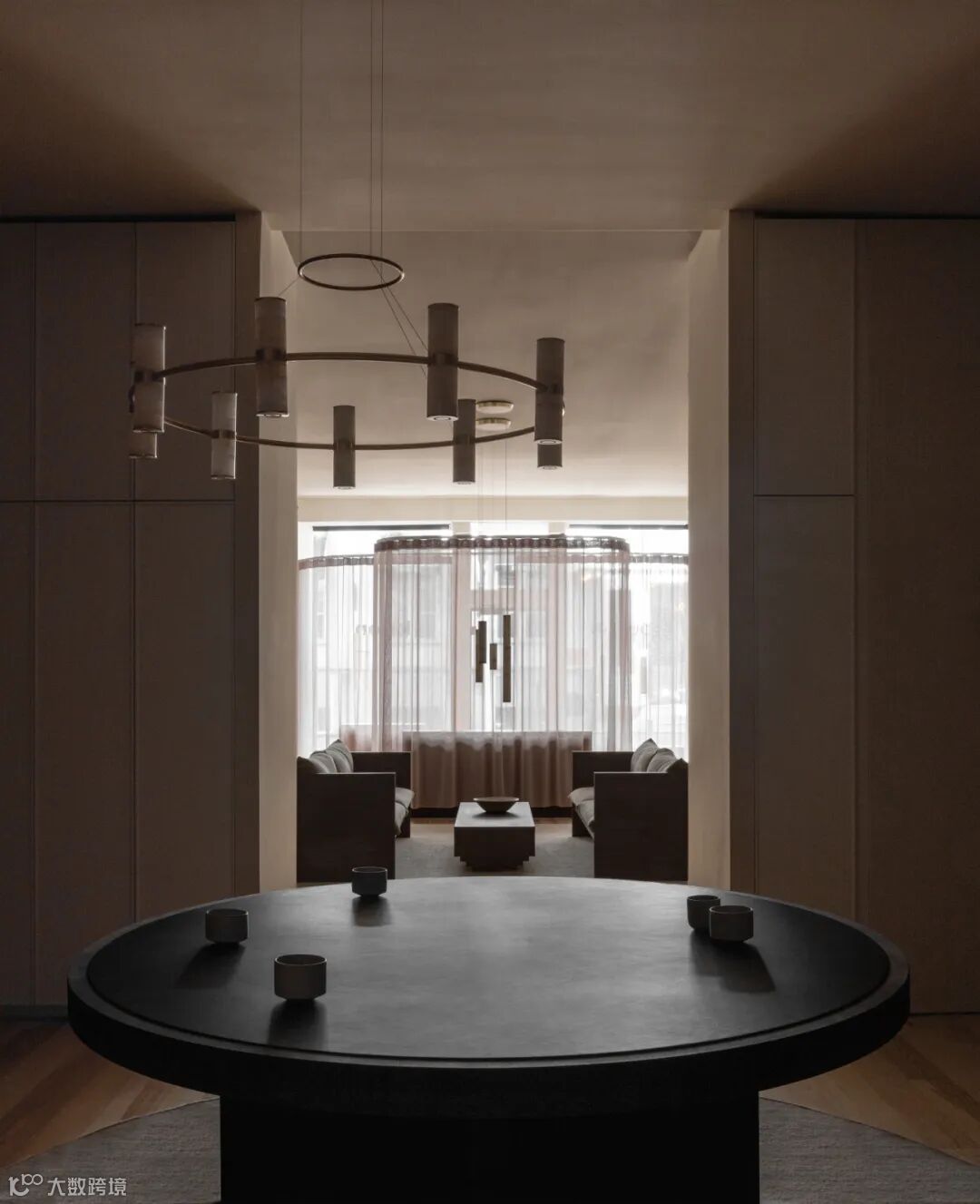
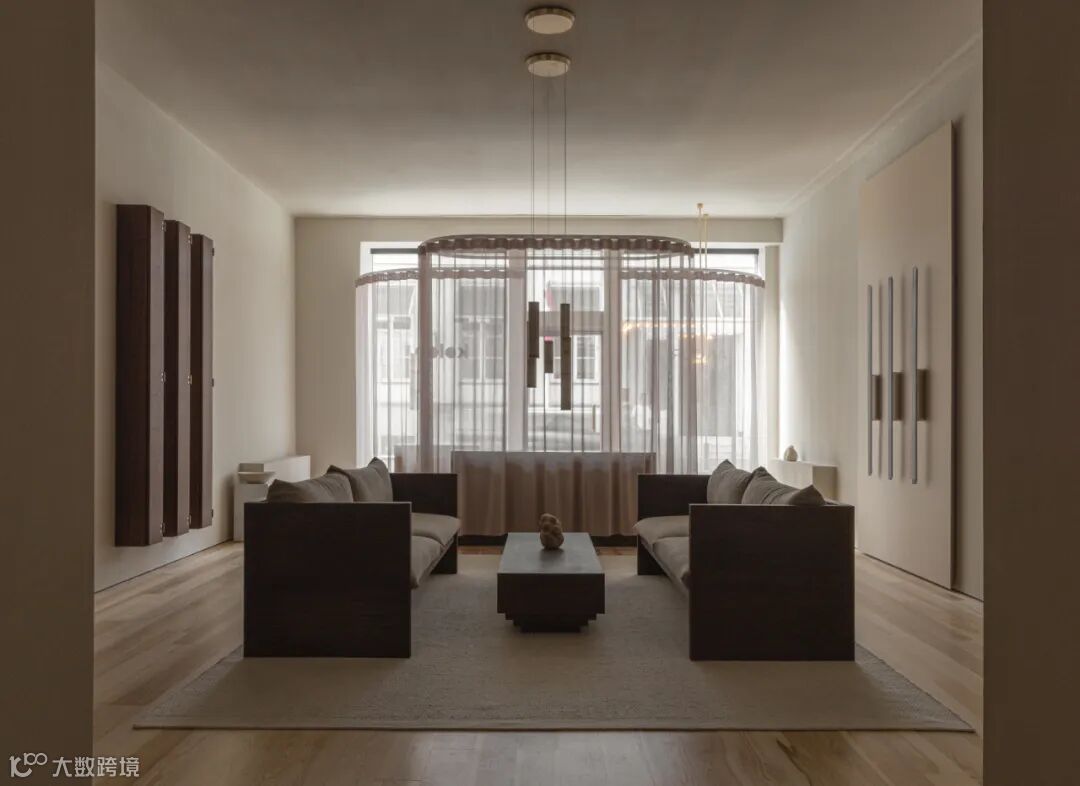
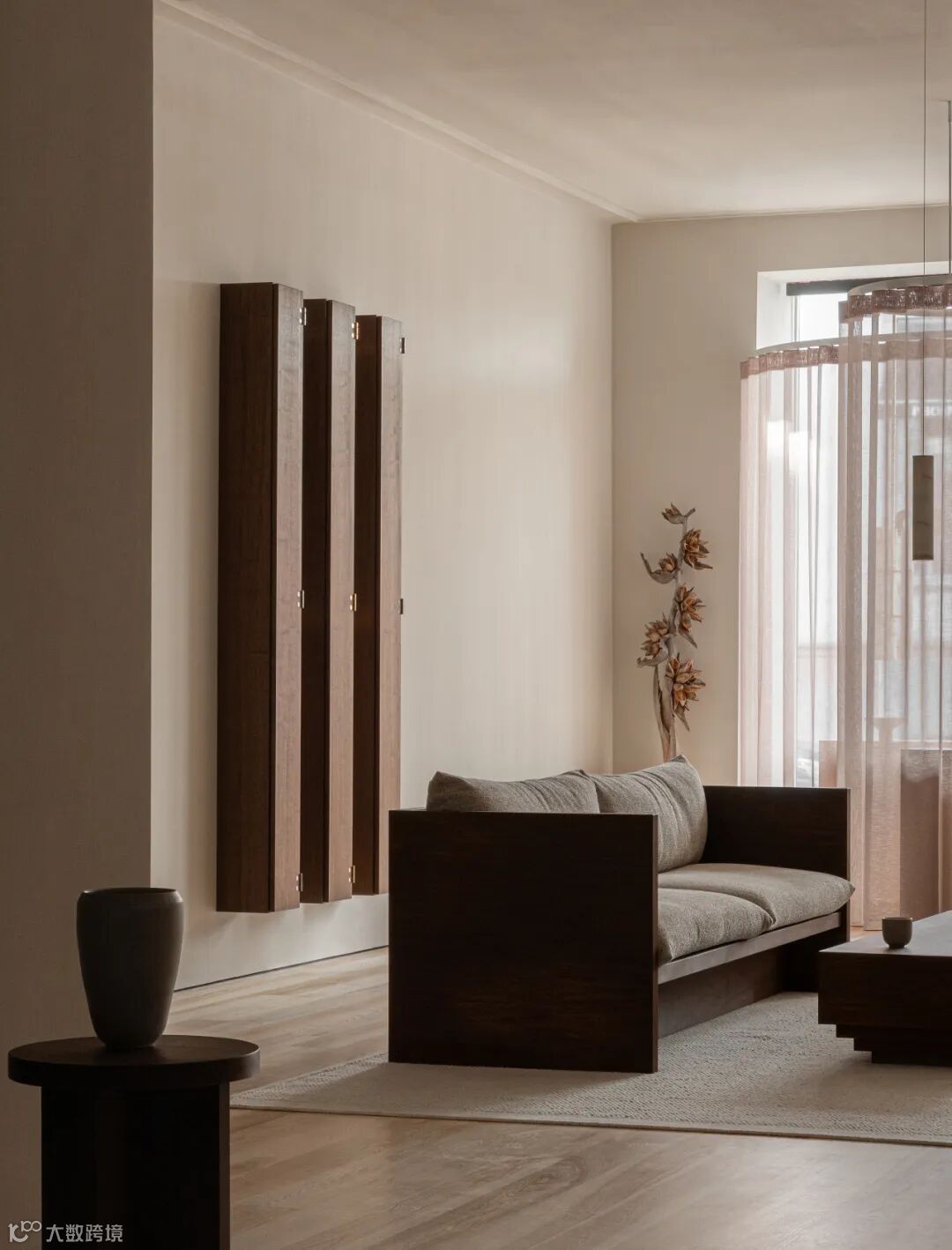
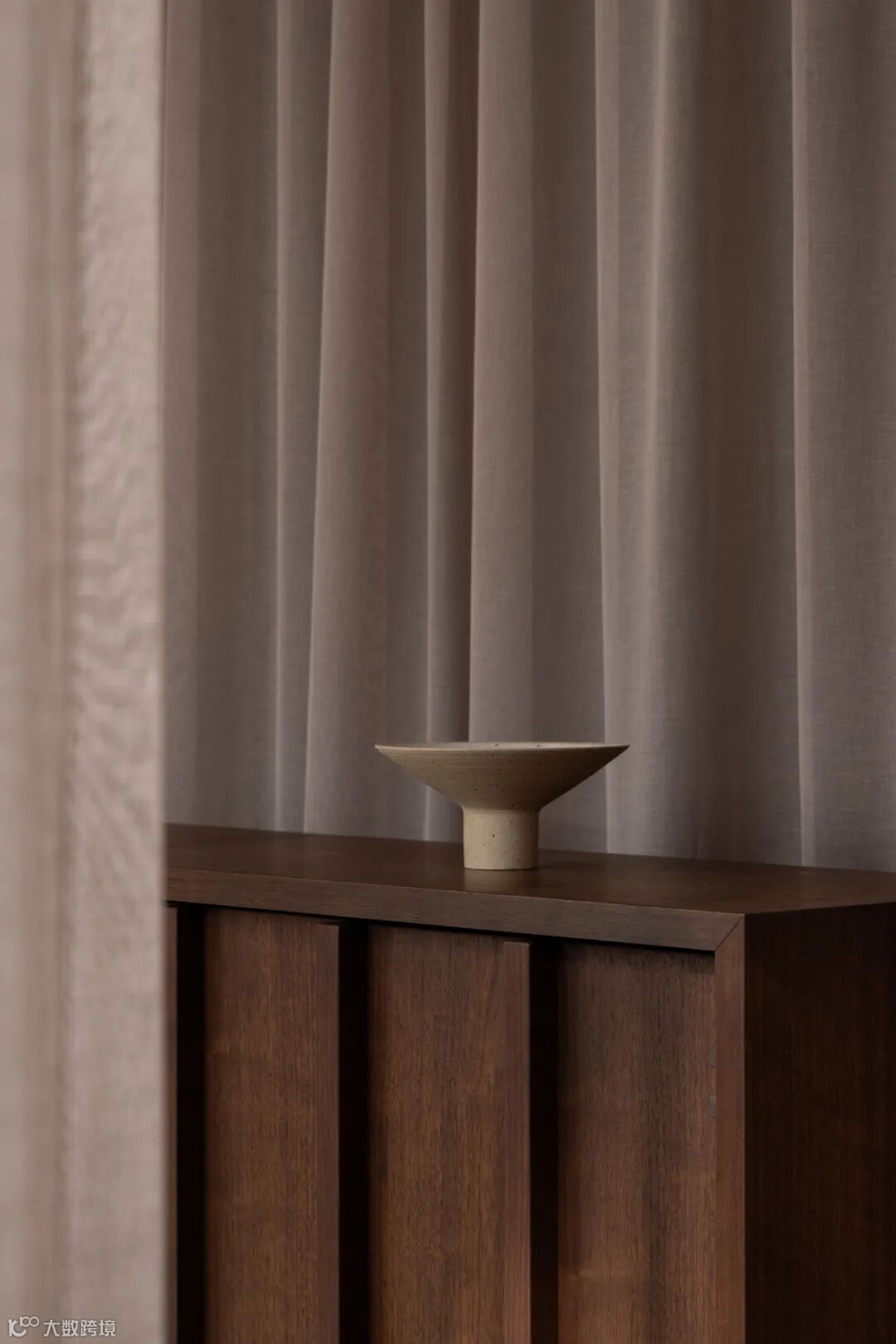
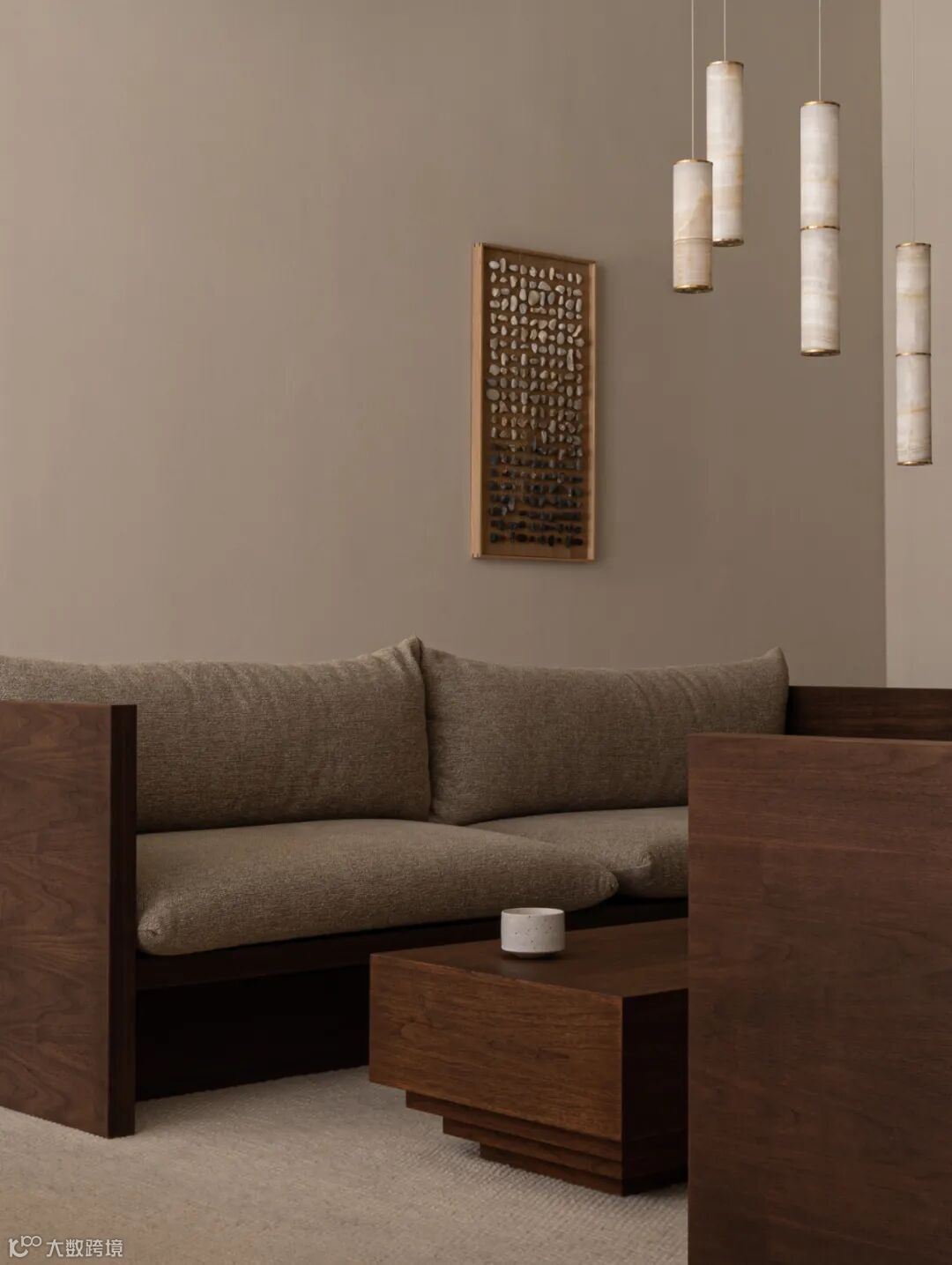
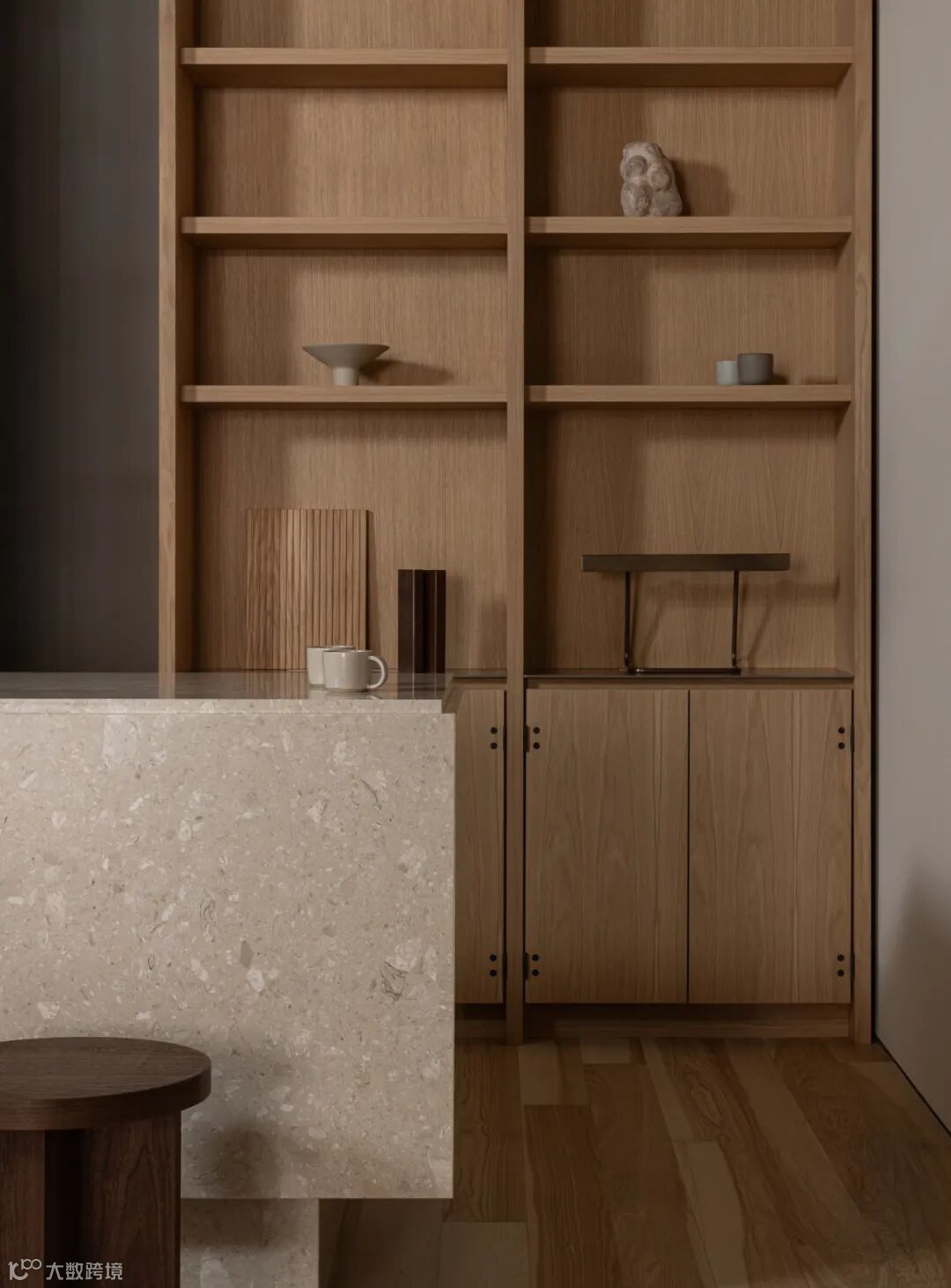
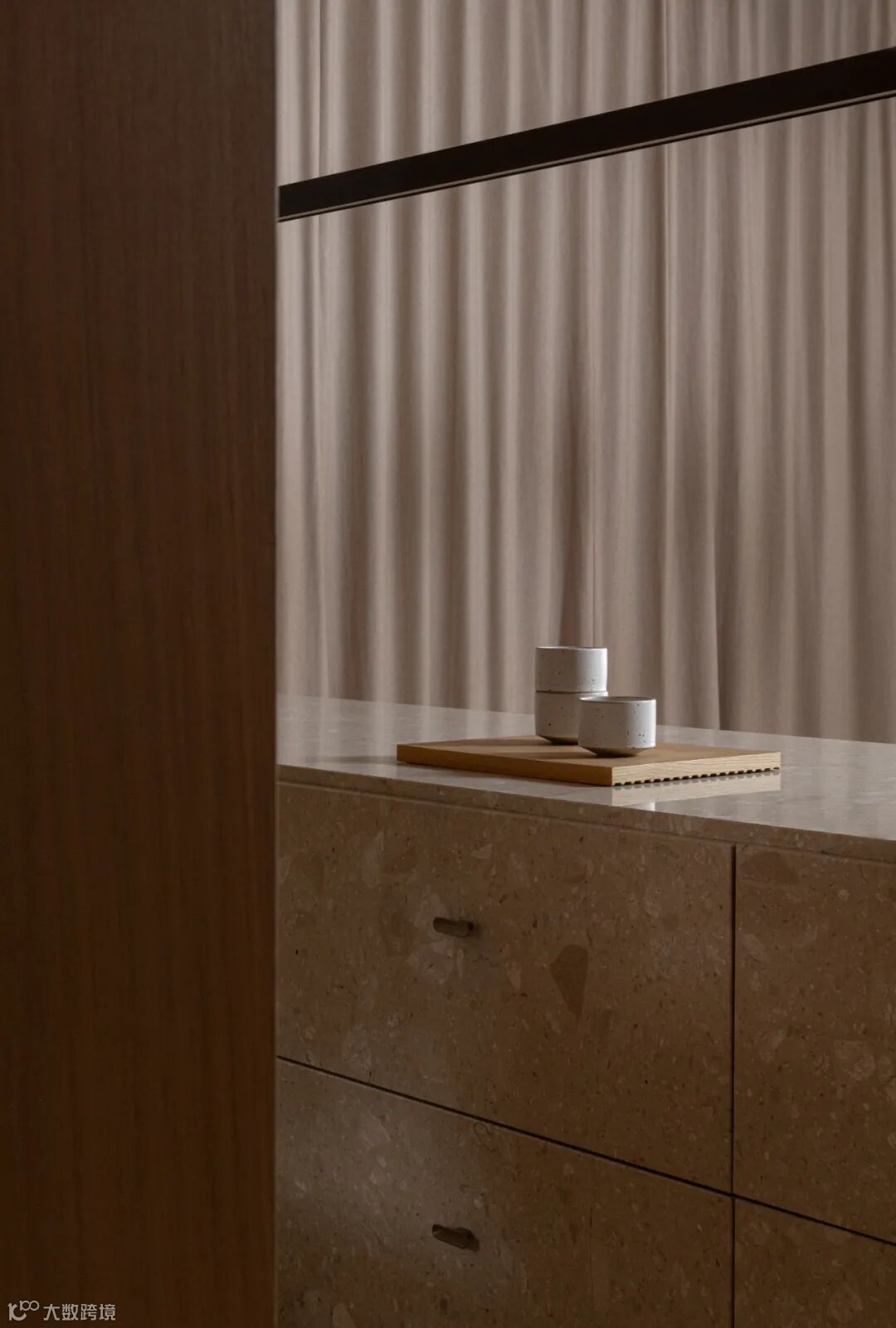
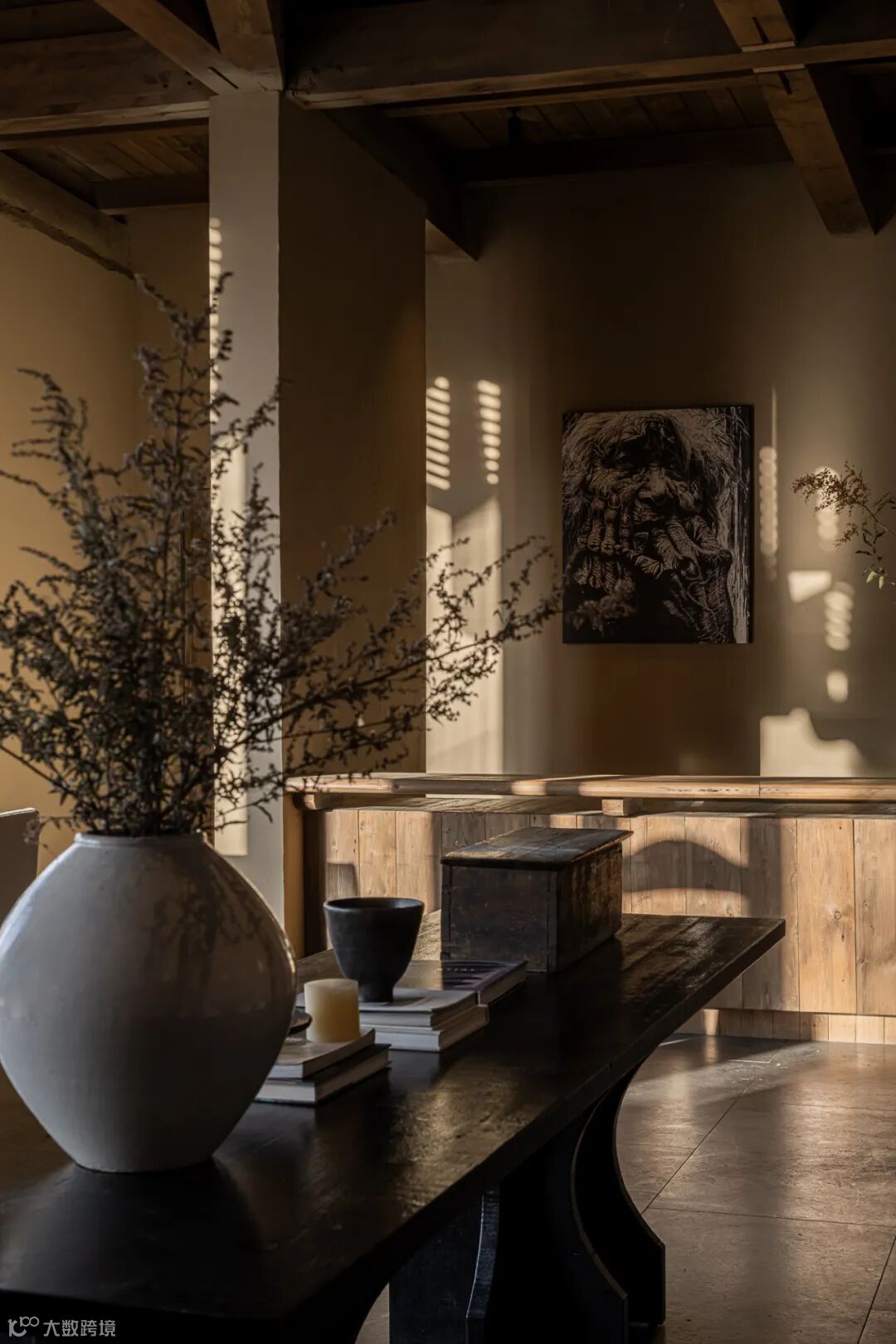
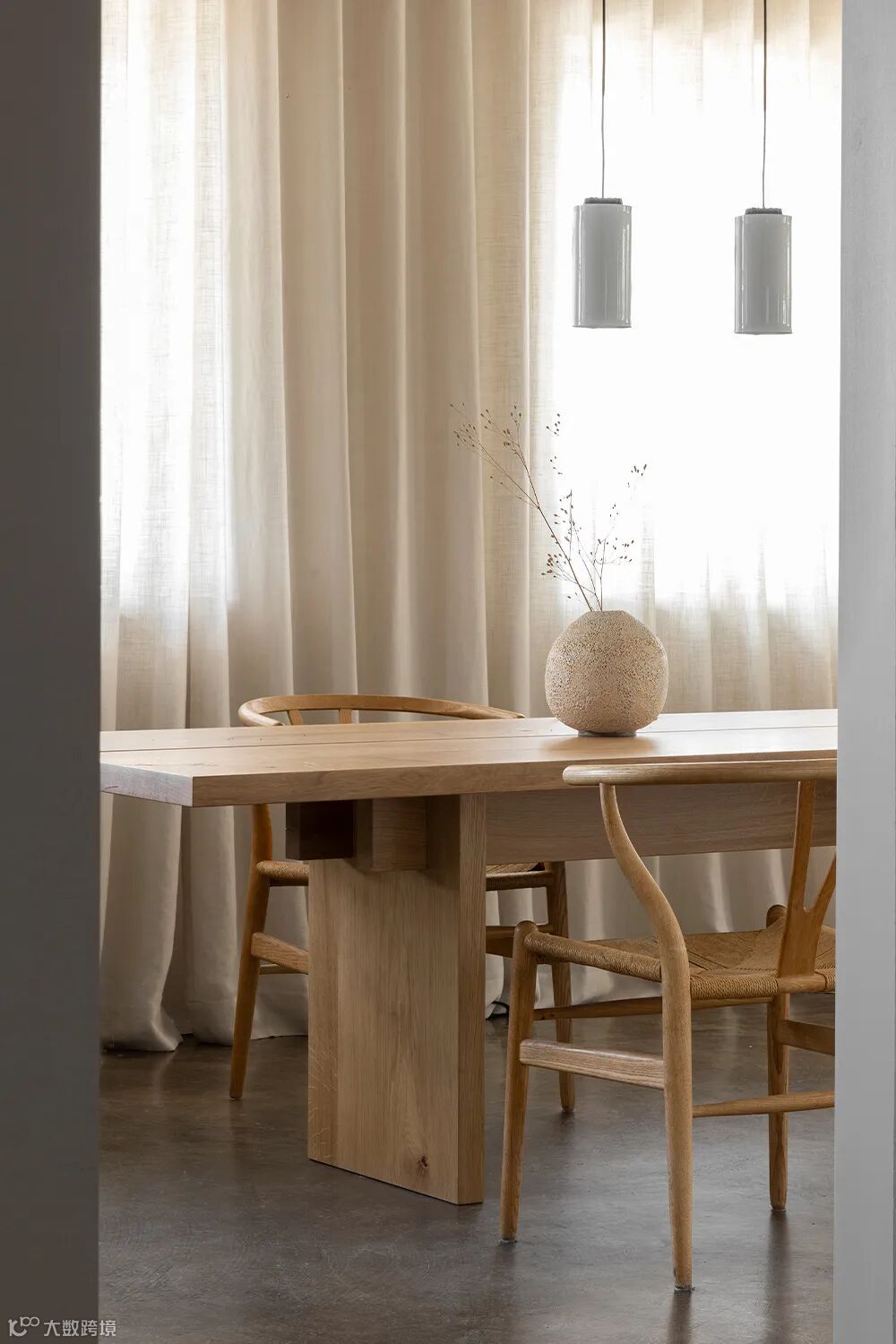
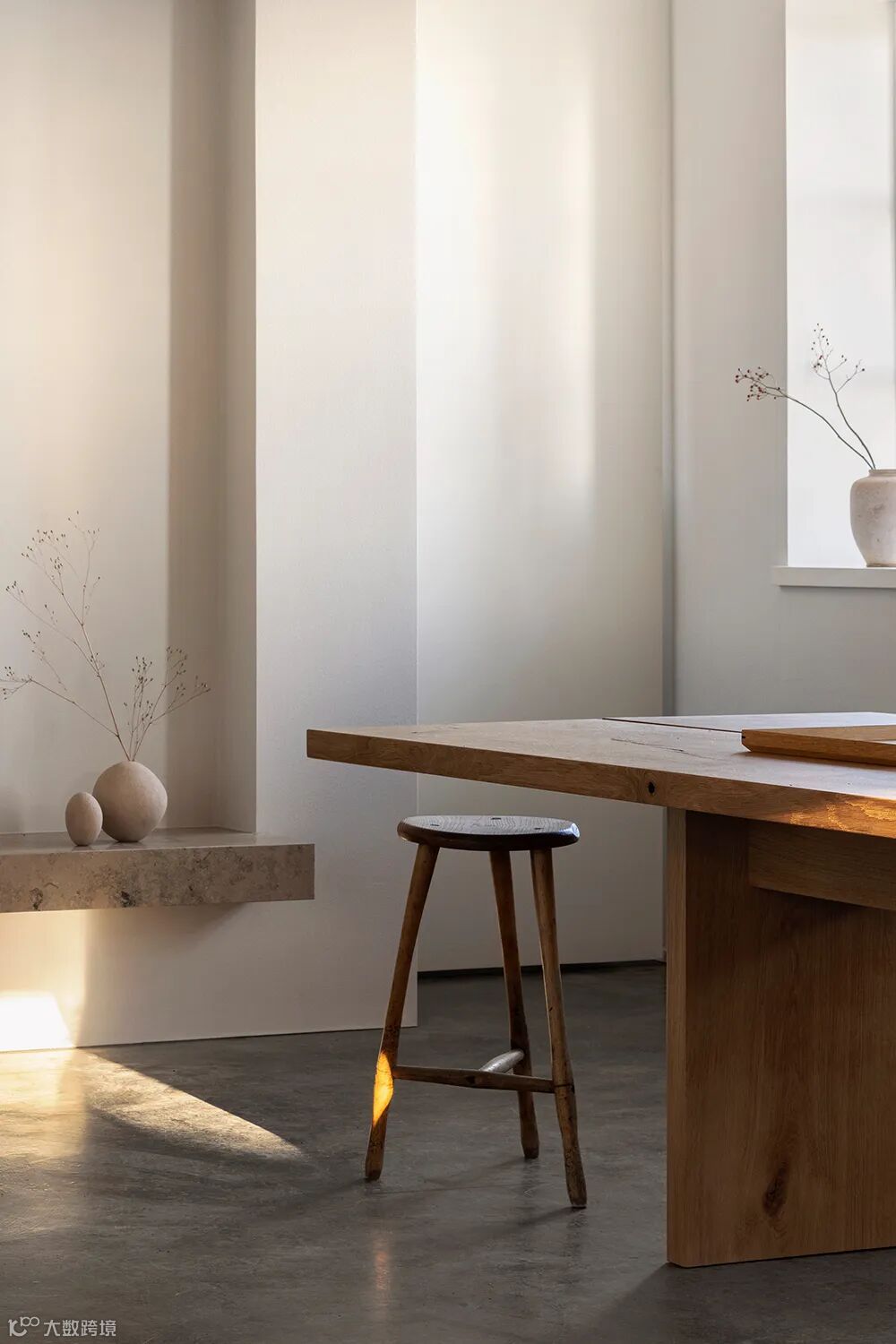
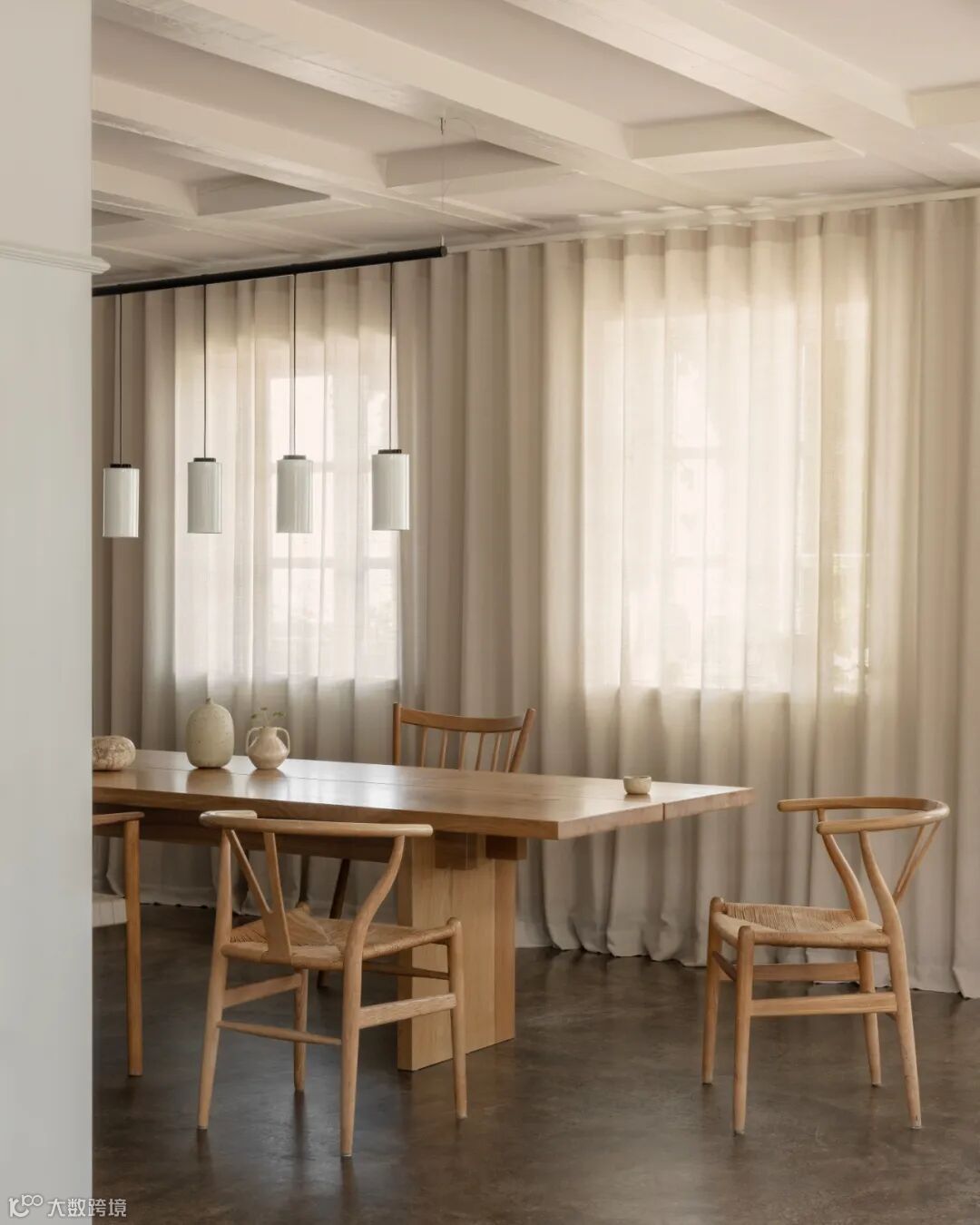
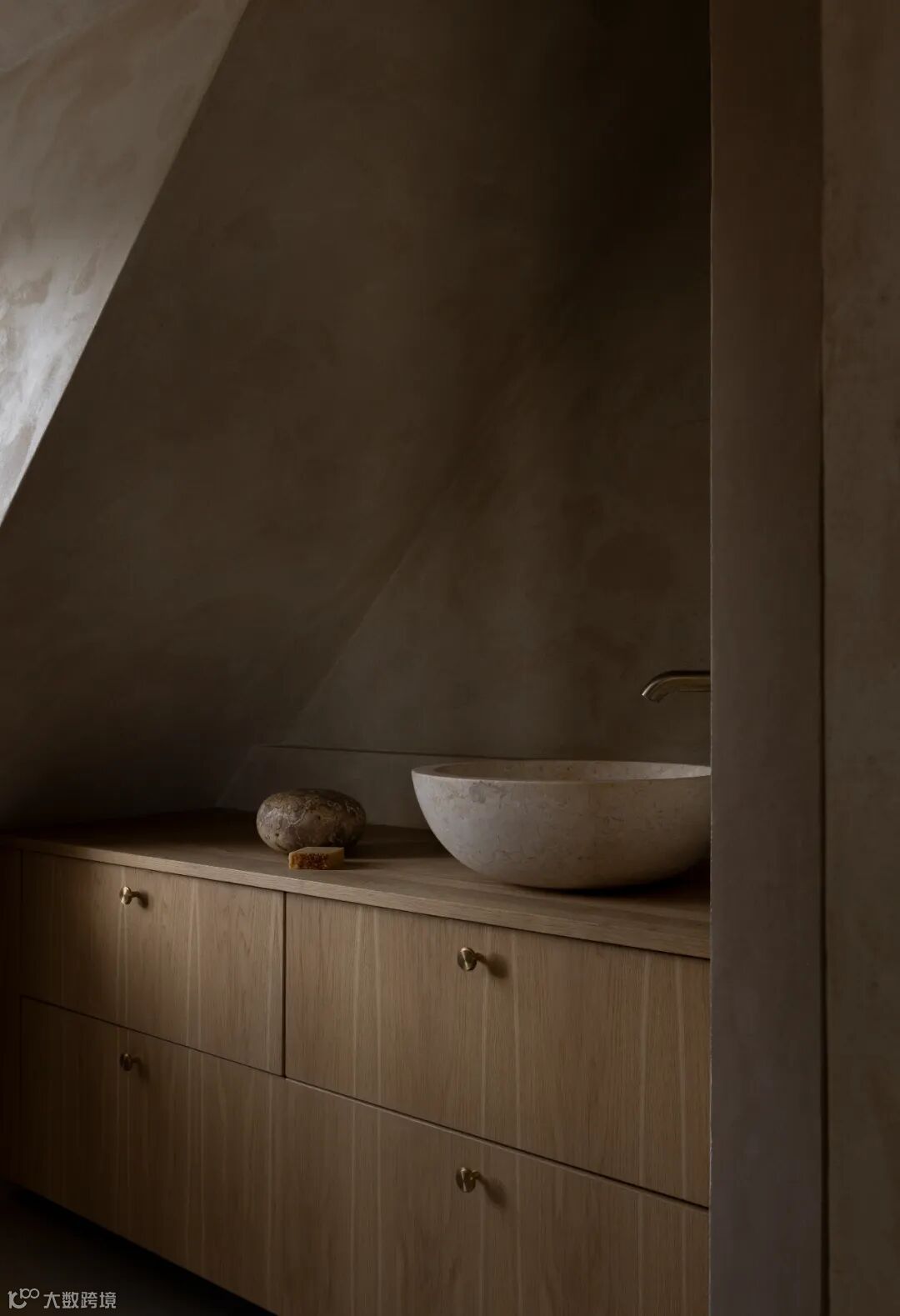
由丹麦橱柜制造商 Kolon 与灯具公司 Anour 共同打造的新展厅,位于哥本哈根 Brodgade 街中心,经过深思熟虑的设计,成为了一个宁静而富有触感的空间,颂扬本土工艺与材料的真实感。室内以温暖的中性色调和自然质感为主,从橡木、胡桃木到拉丝金属和柔和色彩的纺织品,为展出的家具和灯具营造出平静的背景。光影与实虚之间的柔和对比,使空间拥有安静的节奏,引人沉思与交流。
Located in the heart of Copenhagen’s Bredgade, the new joint showroom for Danish cabinetmaker Kolon and lighting company Anour has been thoughtfully designed as a calm, tactile space celebrating local craftsmanship and material honesty. The interior unfolds in a palette of warm neutrals and natural textures – from oak and walnut to brushed metal and softly colored textiles – forming a serene backdrop for the furniture and lighting on display. Gentle contrasts between light and shadow, solid and void, lend the space a quiet rhythm that invites reflection and dialogue.
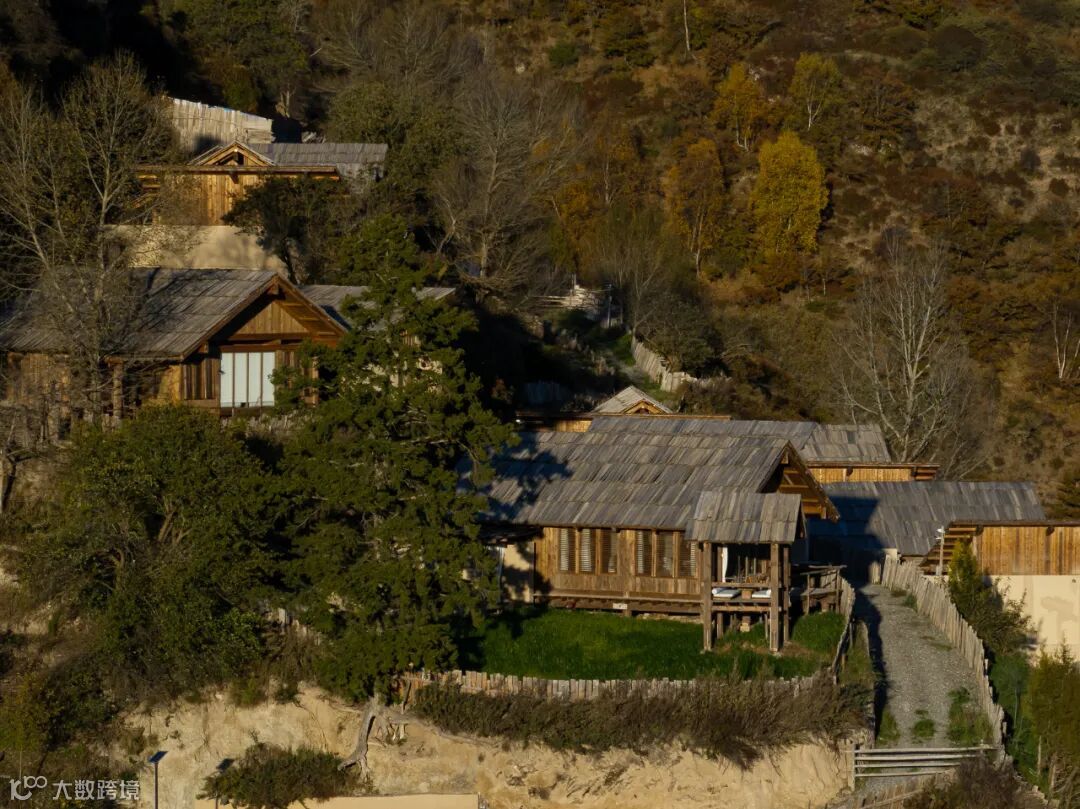
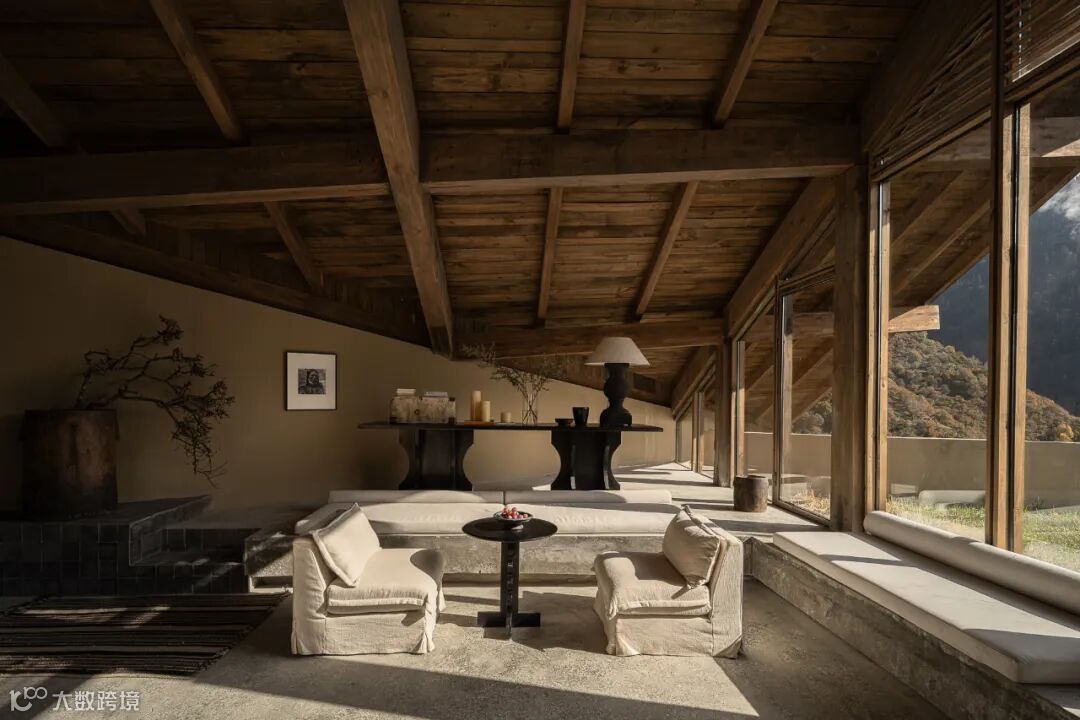
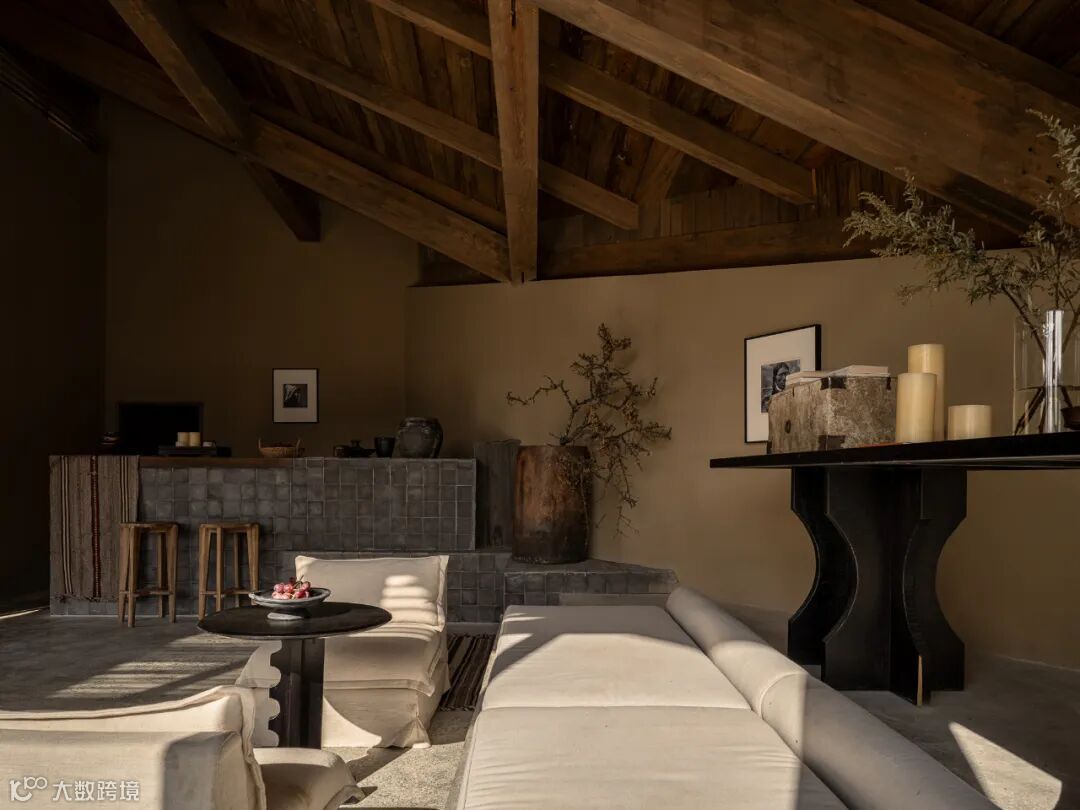
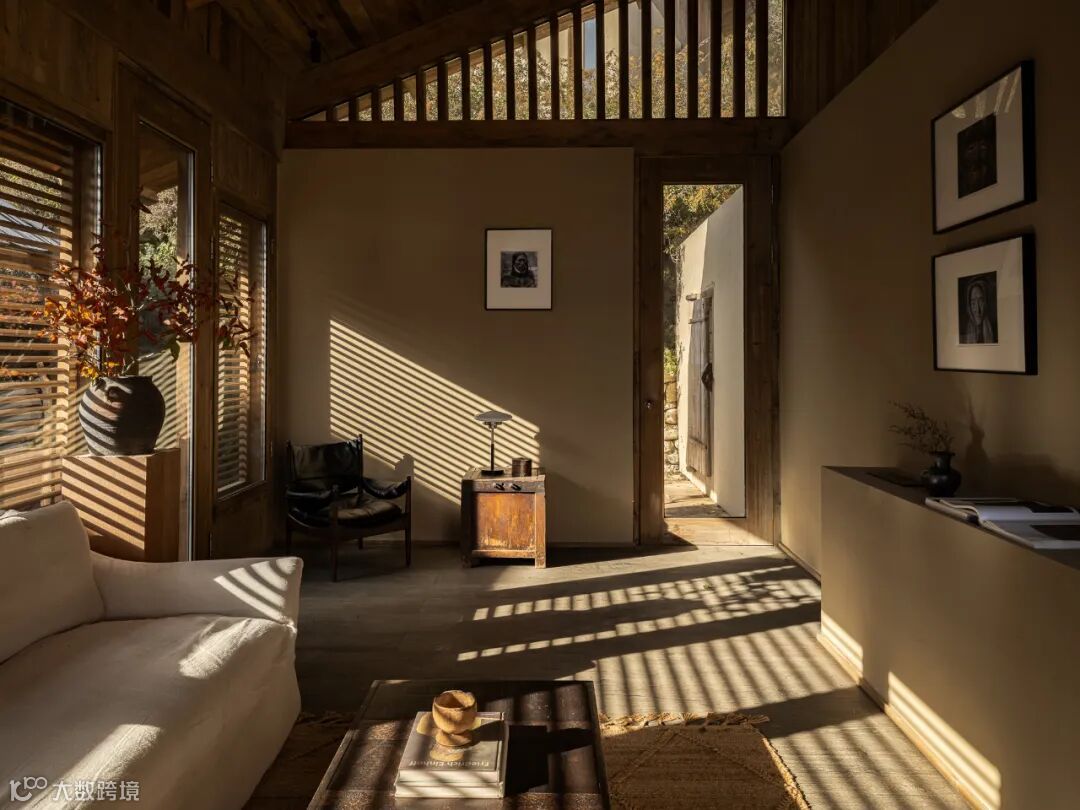
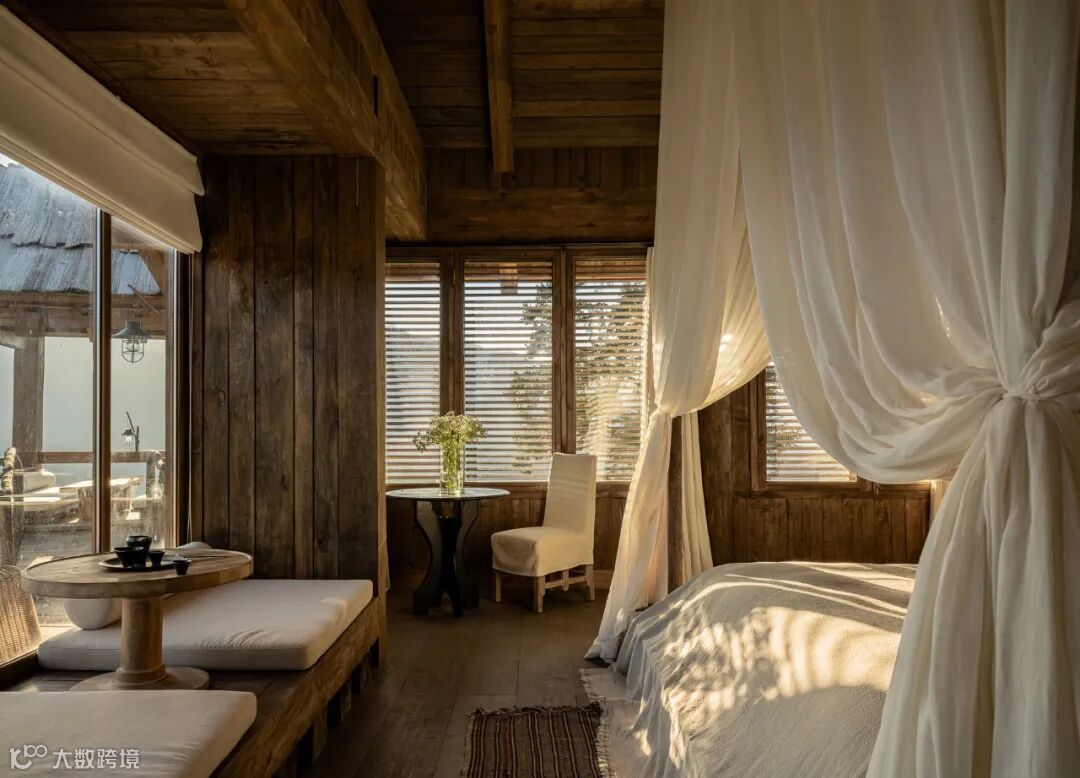
在九寨沟海拔3000米的脊线之上,藏着一个仅由八栋木屋组成的微型村落——中国最小的行政村。它像被风钉在云端,与云雾、冷杉、砾石共生。而我们要将这片特殊的土地设计为度假酒店。设计不是“改造”,而是一次“召回”:召回尘封土地的记忆、藏于山林木材的呼吸、深埋叠山时间的痕迹。让旧木再燃、让老屋再立、让山泉再唱。让每一根老木回归山坡,让每一道裂缝叙述风霜。
On a 3,000-meter-high ridge in Jiuzhaigou, nestled a micro-village of just eight wooden cabins — China's smallest administrative village. It appears pinned against the sky by the wind, coexisting with clouds, fir trees, and gravel. And now, we are tasked with designing this unique land into a resort. Design here is not "renovation," but a process of "recalling": recalling the memory sealed within the dusty land, the breath hidden in the mountain forests and timber, and the traces of time buried in the layered mountains. Let aged wood be rekindled, let old houses rise again, let mountain springs sing once more. Let every piece of old timber return to the slopes, and let every crack tell the story of wind and frost.
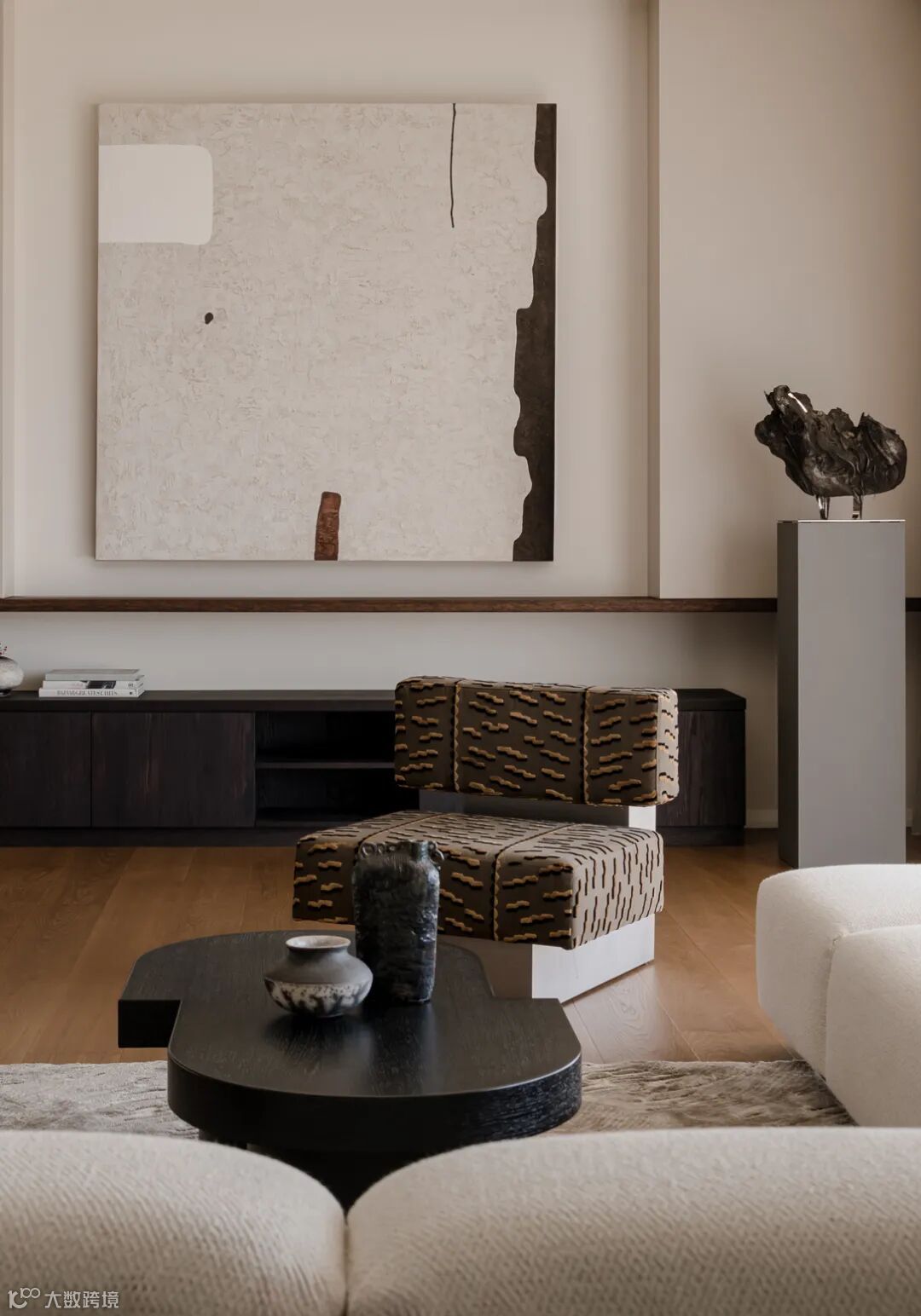
这座420平方米的住宅是为一个年轻家庭而设计的,主立面朝向南侧,使空间始终沐浴在充足而柔和的自然光中;同时,窗外延展的克拉科夫(Kraków)历史天际线,也为日常生活赋予了独特而诗意的景致。住宅的建筑语言以大尺度、开阔的立面为特征,最初呈现出一种略显粗犷的质感。建筑师团队通过一系列精细的设计介入,逐步调和了这种原始气息,营造出更温暖、更具实用性的室内氛围,使空间的力量感与居住的舒适度得以并存。
The 420 m² house was designed for a young family. Its main southern exposure allows for plenty of natural light and offers a beautiful view of the historic skyline of Kraków. The architecture of the house is defined by large, open surfaces that initially appeared quite raw. The architect and his team introduced several design interventions to create a warmer and more functional interior.
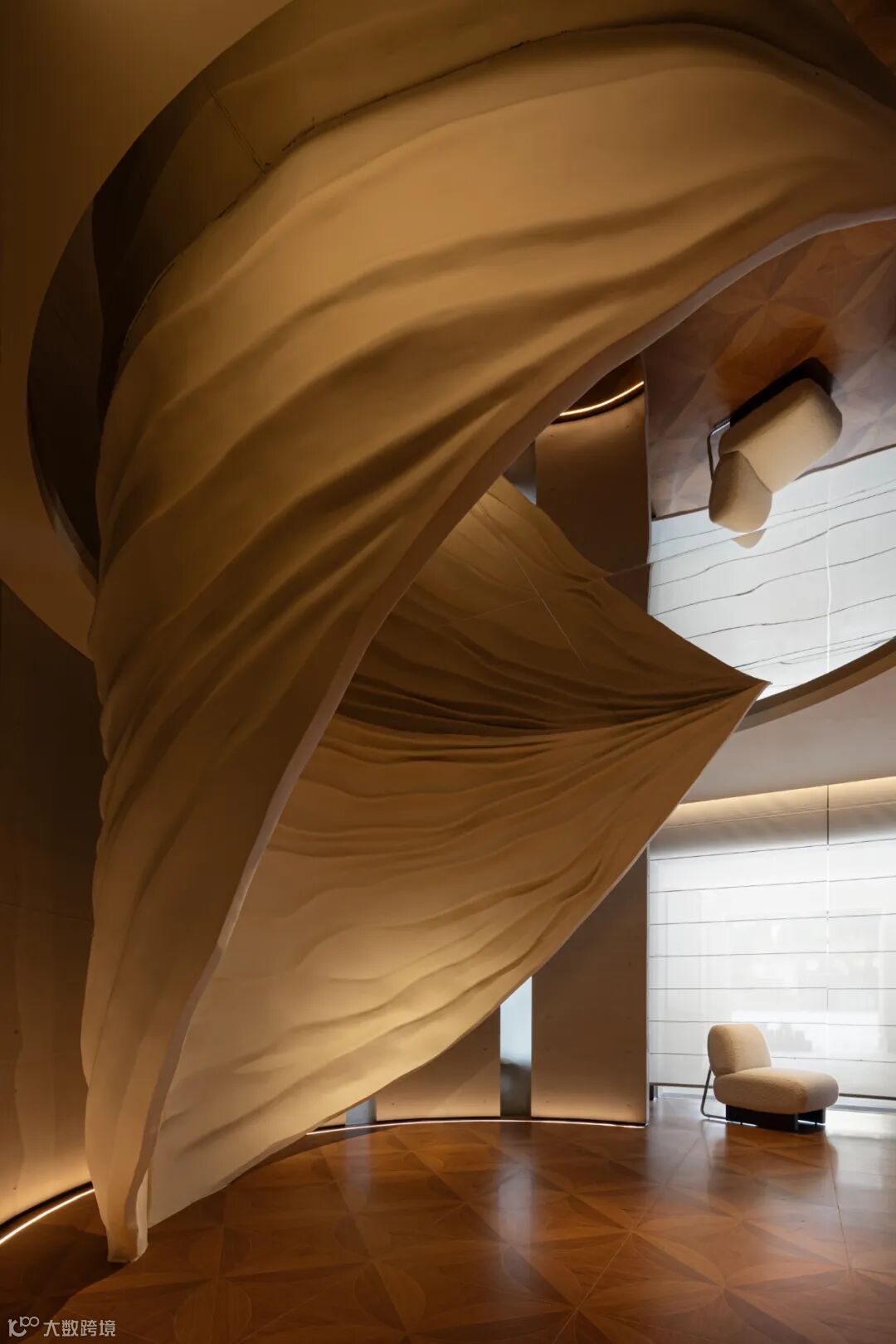
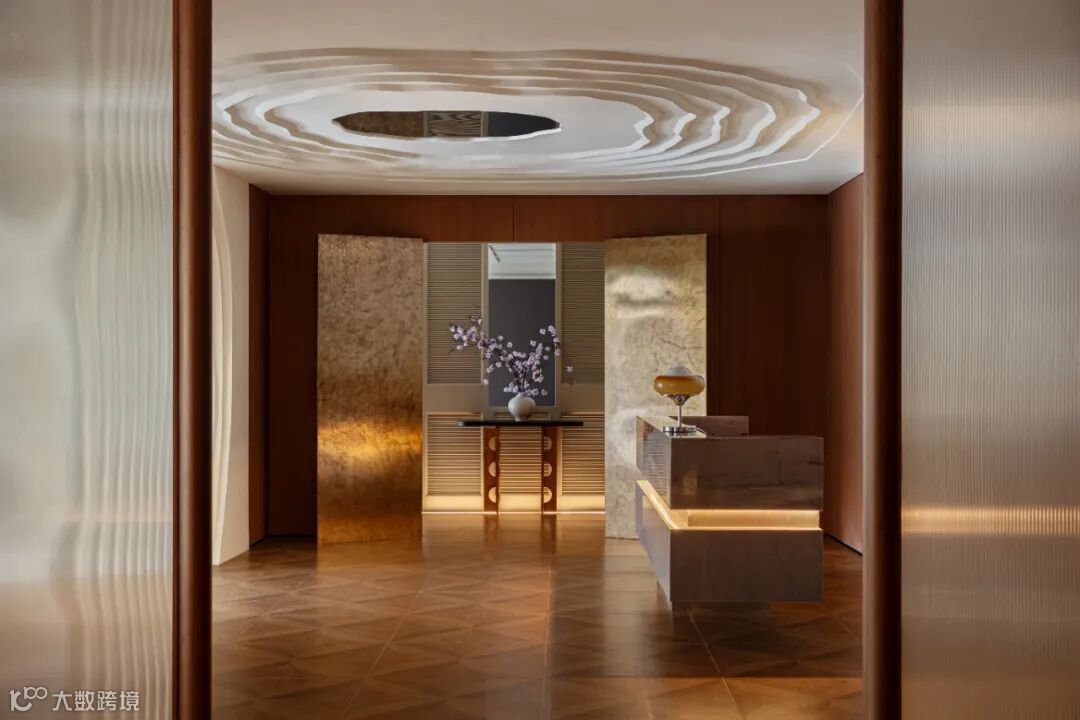
时隔两年,这是戈多与悦里的第二次合作。 本次戈多以雕塑性语言重新解构美业空间。在普洱这座被自然浸润的城市,构建了一座超越常规的美学疗愈空间。1200m的场域中,建筑与室内共同叙述着一场关于流动、静止与重生的叙事。
Pu'er Yueli redefines the beauty salon space through sculptural architectural language. Where flowing curves dance with layered interplay of light and shadow, each visit transcends into an immersive journey of physical and spiritual rejuvenation.
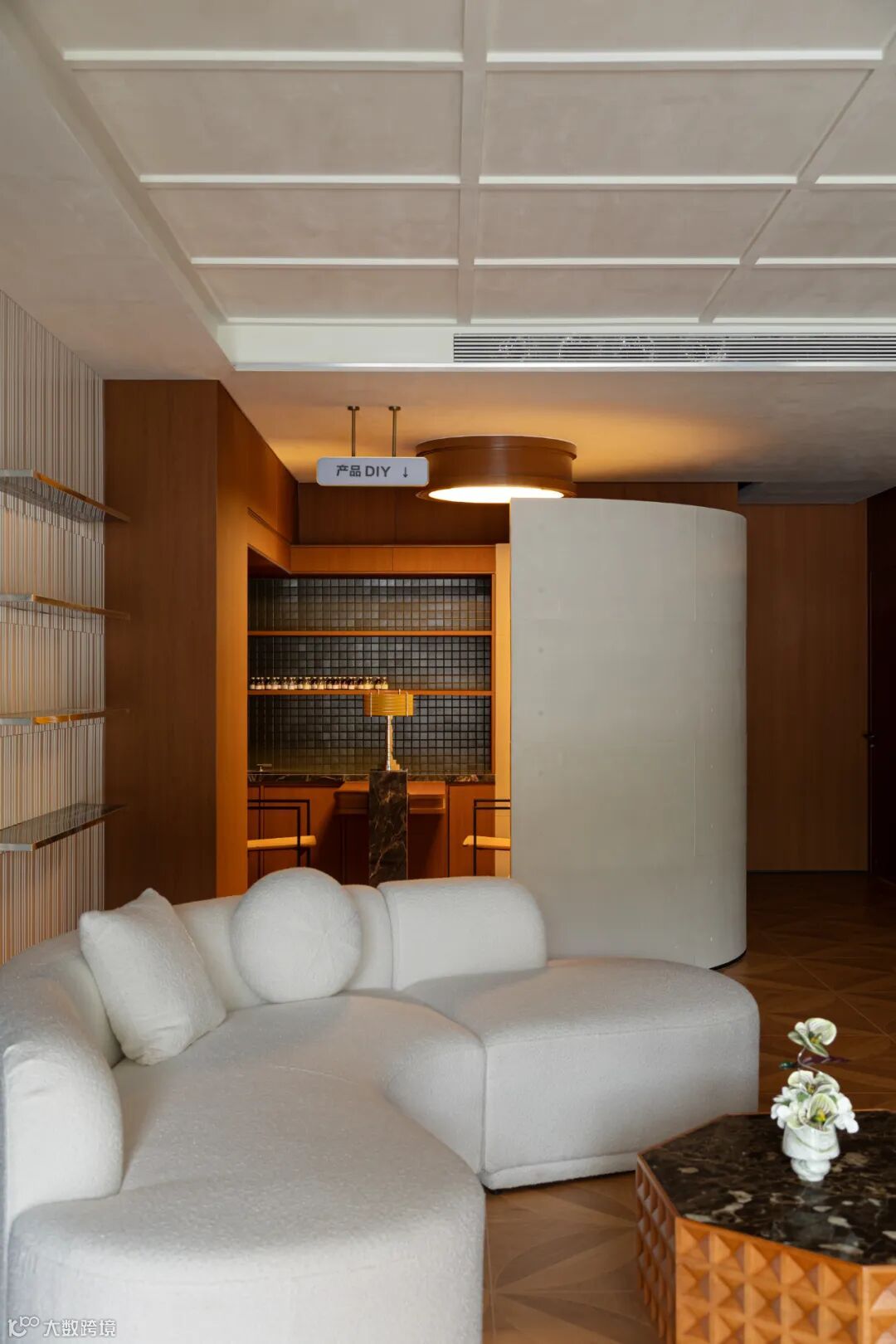
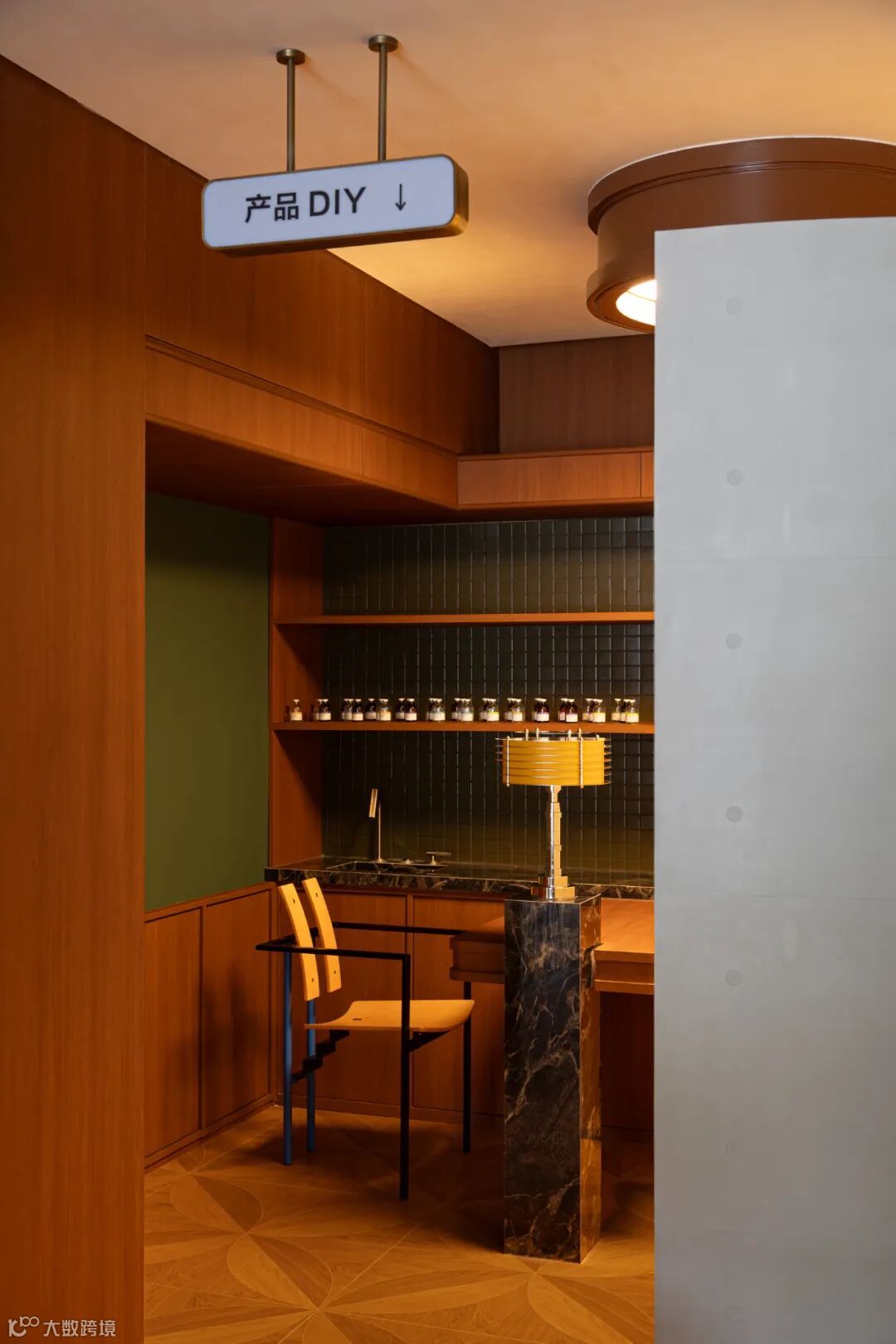
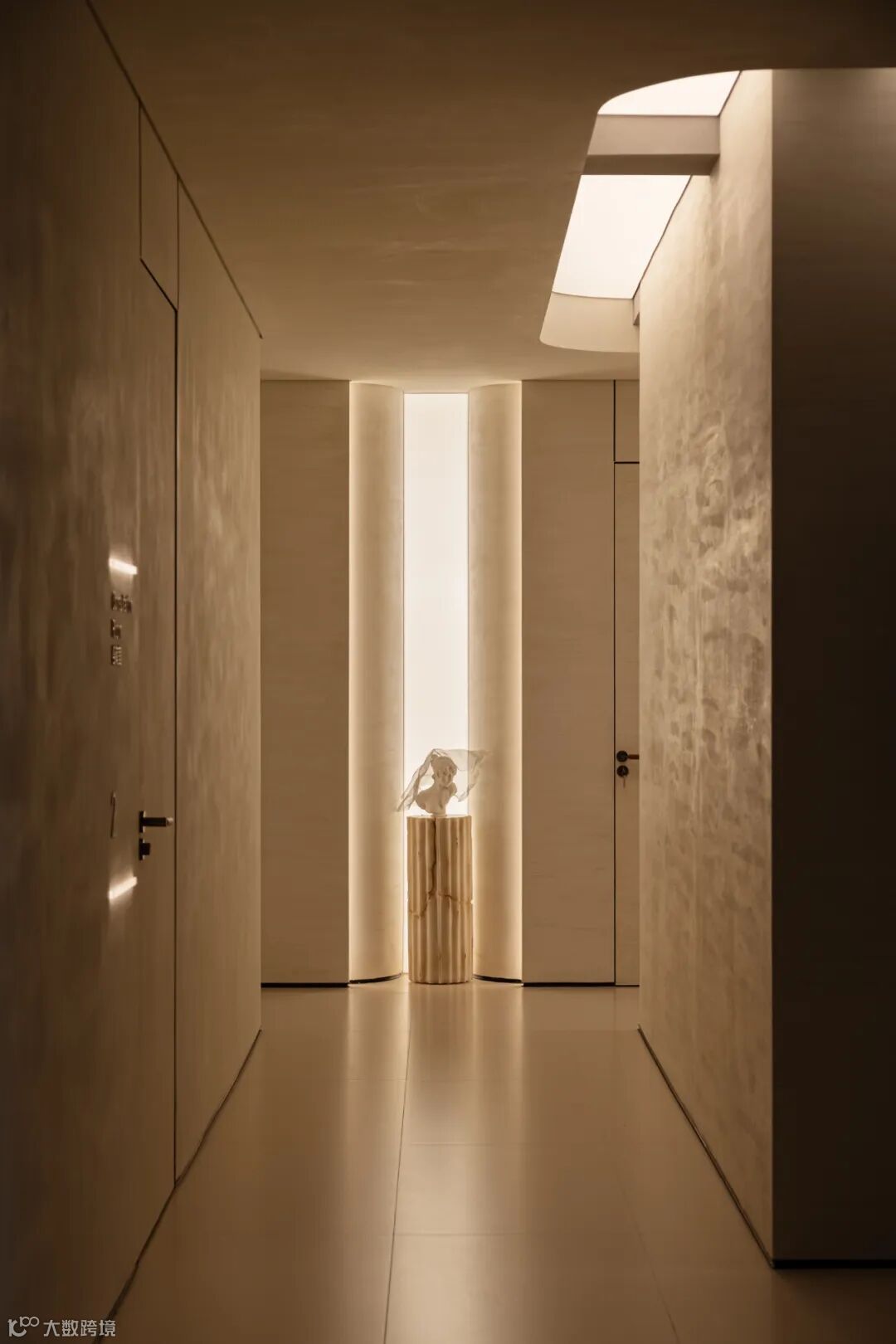
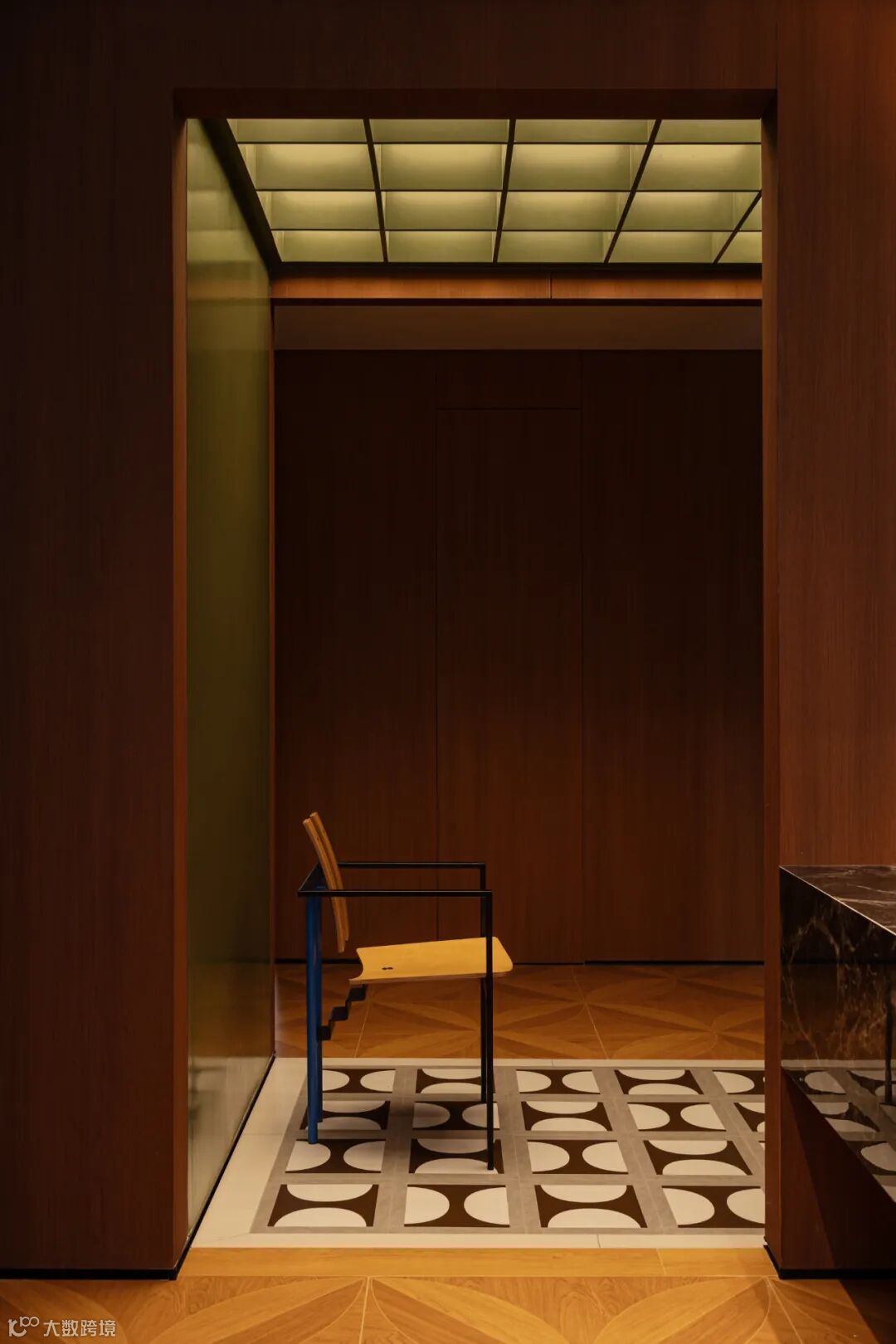
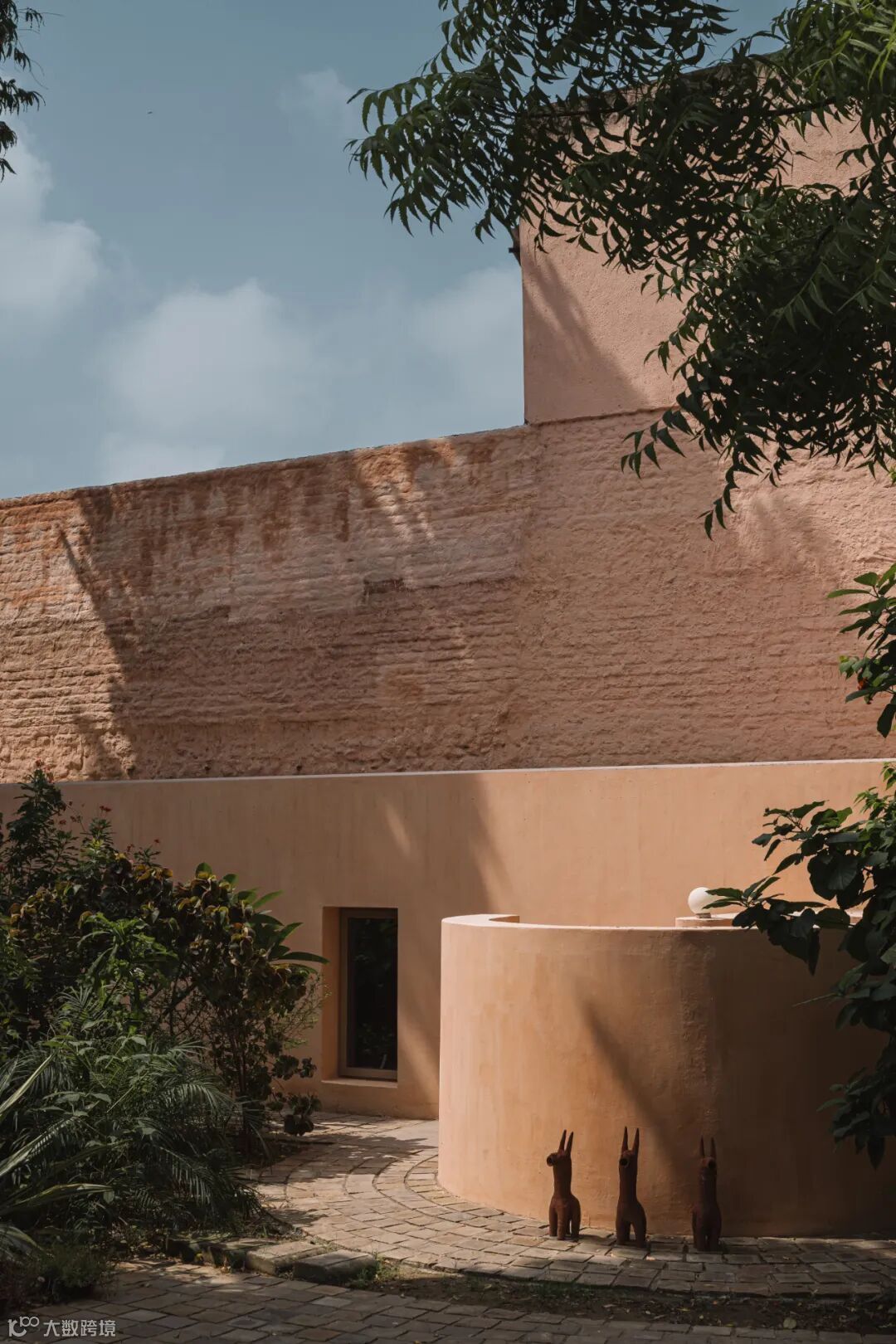
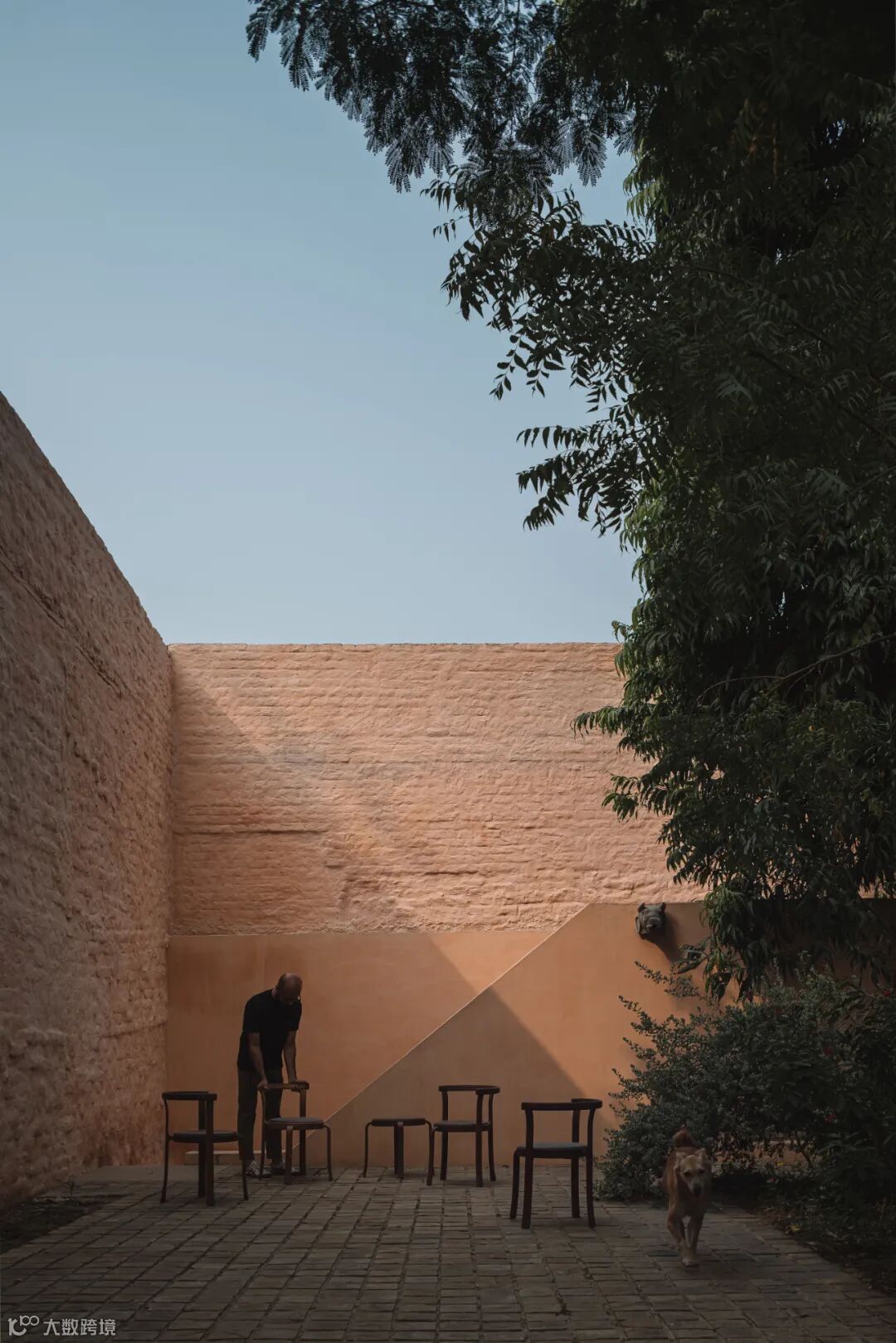
Mana,是 IKSOI Design Studio 打造的工作空间,它并不试图覆盖自身历史,而是以更温柔的方式与之对话。空间改造自 Dhawal 与 Mansi 父亲的废弃工厂,约 2000 平方英尺,成为了一场关于记忆、探索与设计的深情探寻。IKSOI 的介入微妙而深刻:在保留原始场地布局的同时抬高地平,让熟悉的空间生出一丝陌生;那些曾用于围合功能的墙壁,如今化作引导好奇的界面。
Mana, IKSOI Design Studio's workspace does not seek to overwrite its history, but to engage with it. Retrofitted within an abandoned factory that belonged to Dhawal and Mansi's father, this 2000 sq.ft. workspace is an evocative exploration of memory, discovery, and design. The intervention is subtle yet profound—retaining the site’s original footprint while raising the ground level, IKSOI has created a space where the familiar becomes unfamiliar, and where walls once enclosing functions, now invite curiosity.
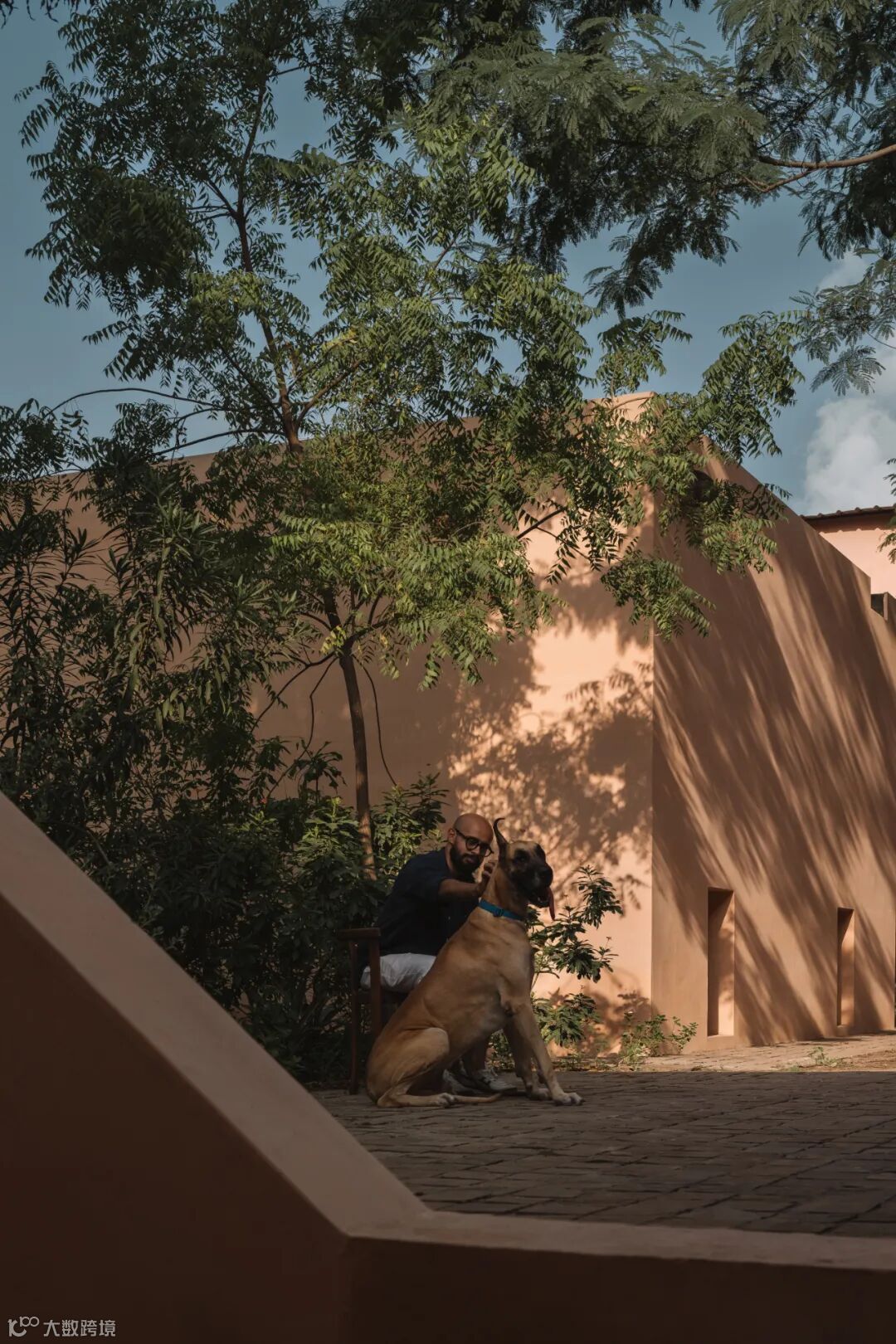
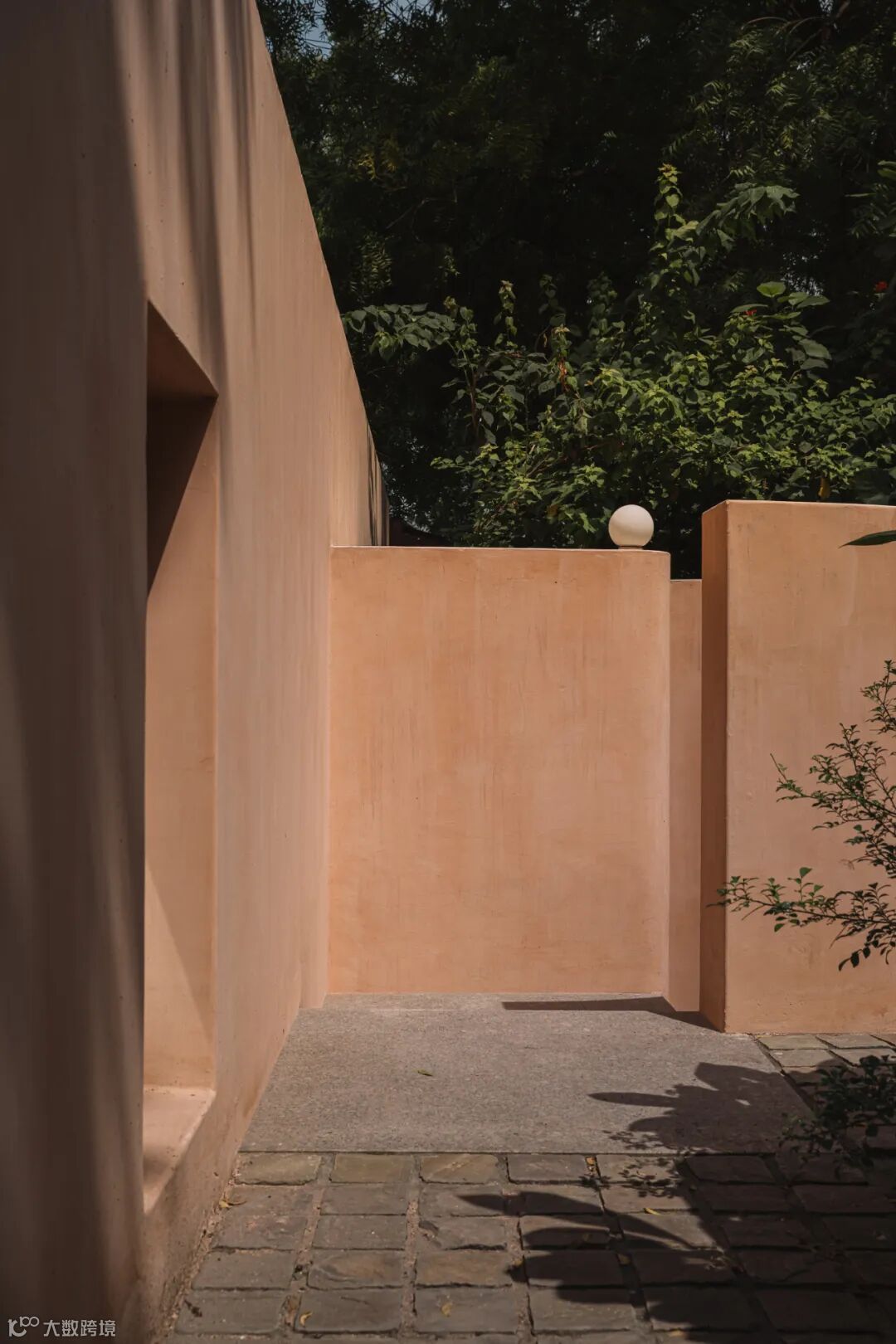
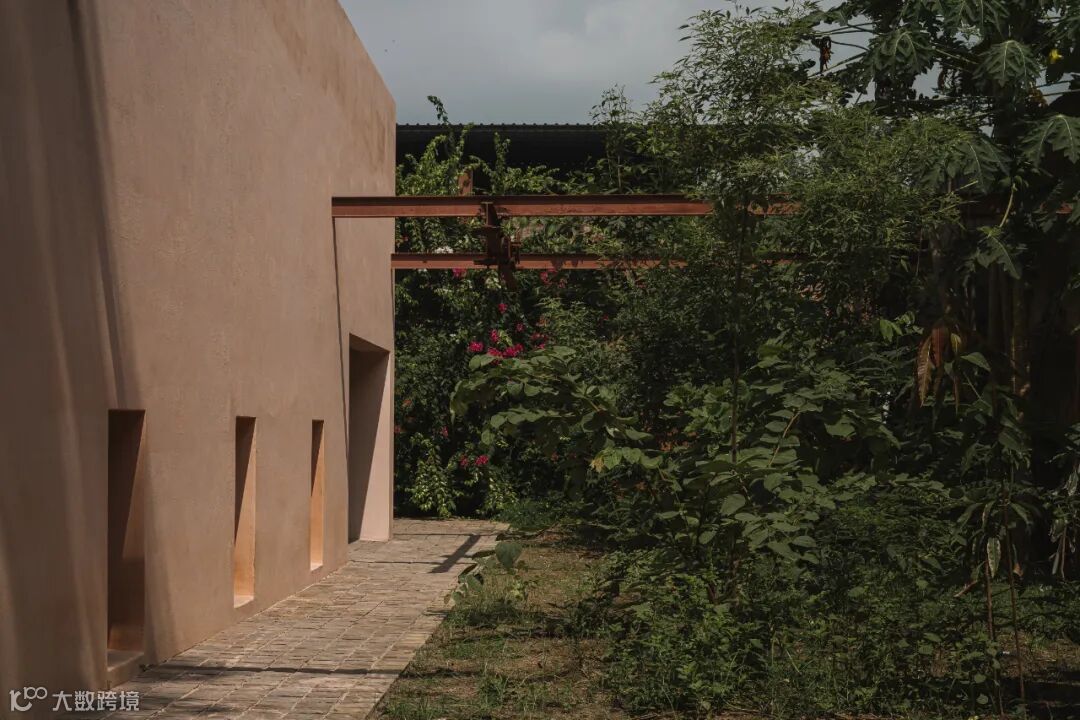
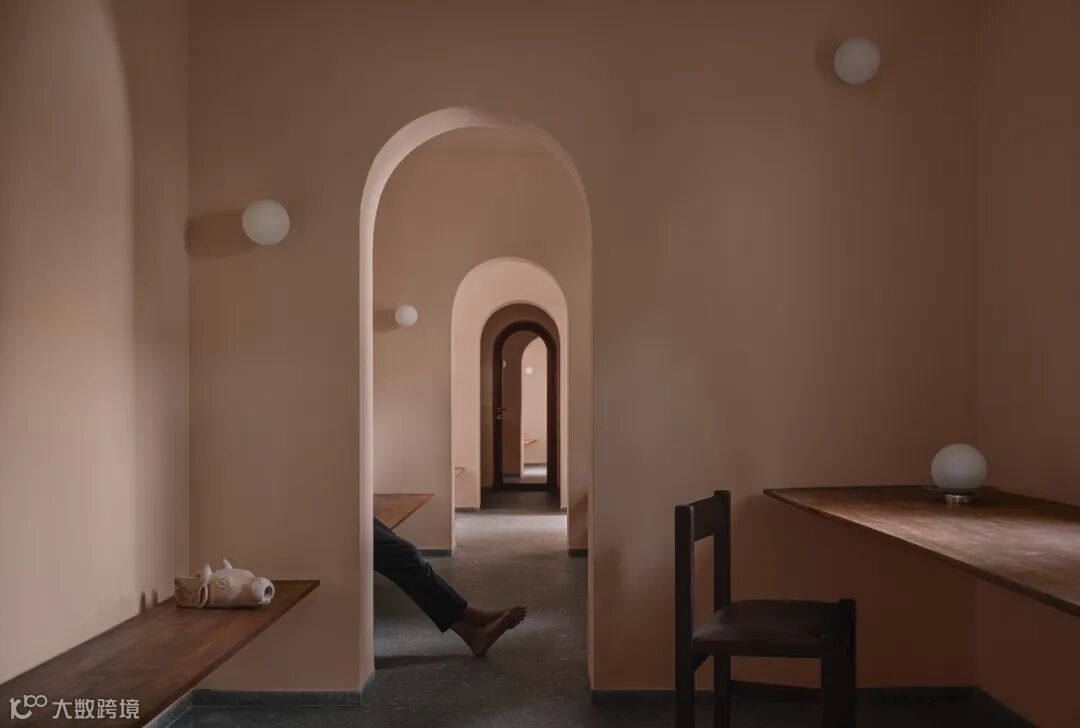
此处不是设计的容器,而是会呼吸的有机体。光,成为最敏锐的叙述者,它穿过半透纱帘,在深色木地板上投下朦胧光晕,多处缝隙间溢出「庭院深深深几许」的叩问。空间刻意保留着未完成的生长态,如同搁板上待翻阅的书籍、绿植持续舒展的新叶,邀请使用者共同书写下一章。在这里,创意如同透过窗户瞥见的树影,既锚固于大地,又永远向天空伸展。
This is not a designed container, but a breathing organism. Light serves as the most perceptive narrator, filtering through translucent curtains to cast a soft glow on the dark wooden floor, seeping through gaps and evoking the poetic musing: “How deep, how deep is the courtyard?”The space intentionally retains an unfinished, growing quality—like books waiting on a shelf, or new leaves continually unfurling—inviting its users to co-write the next chapter. Here, creativity is like tree shadows glimpsed through a window: rooted in the earth, yet forever reaching toward the sky.
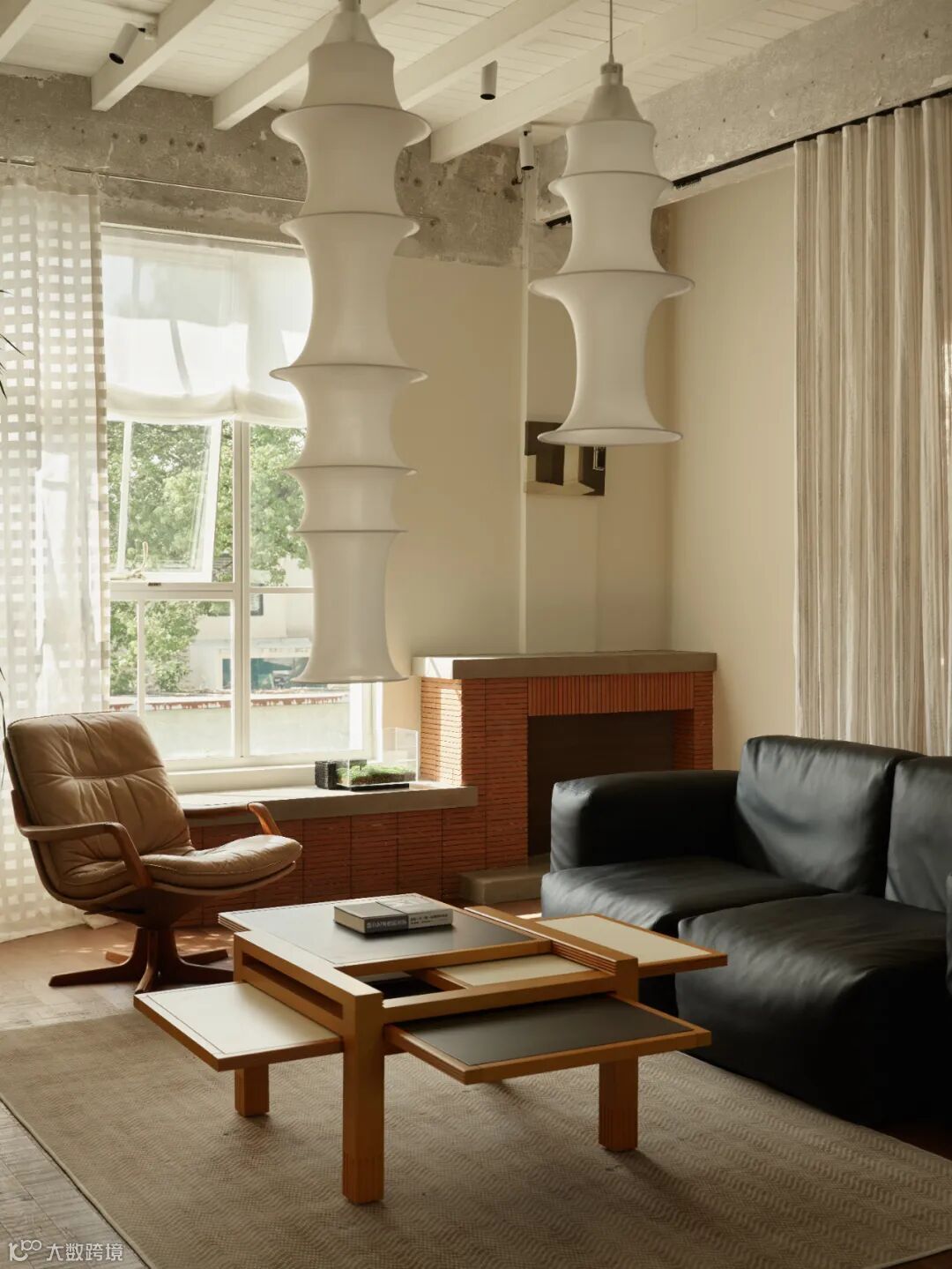
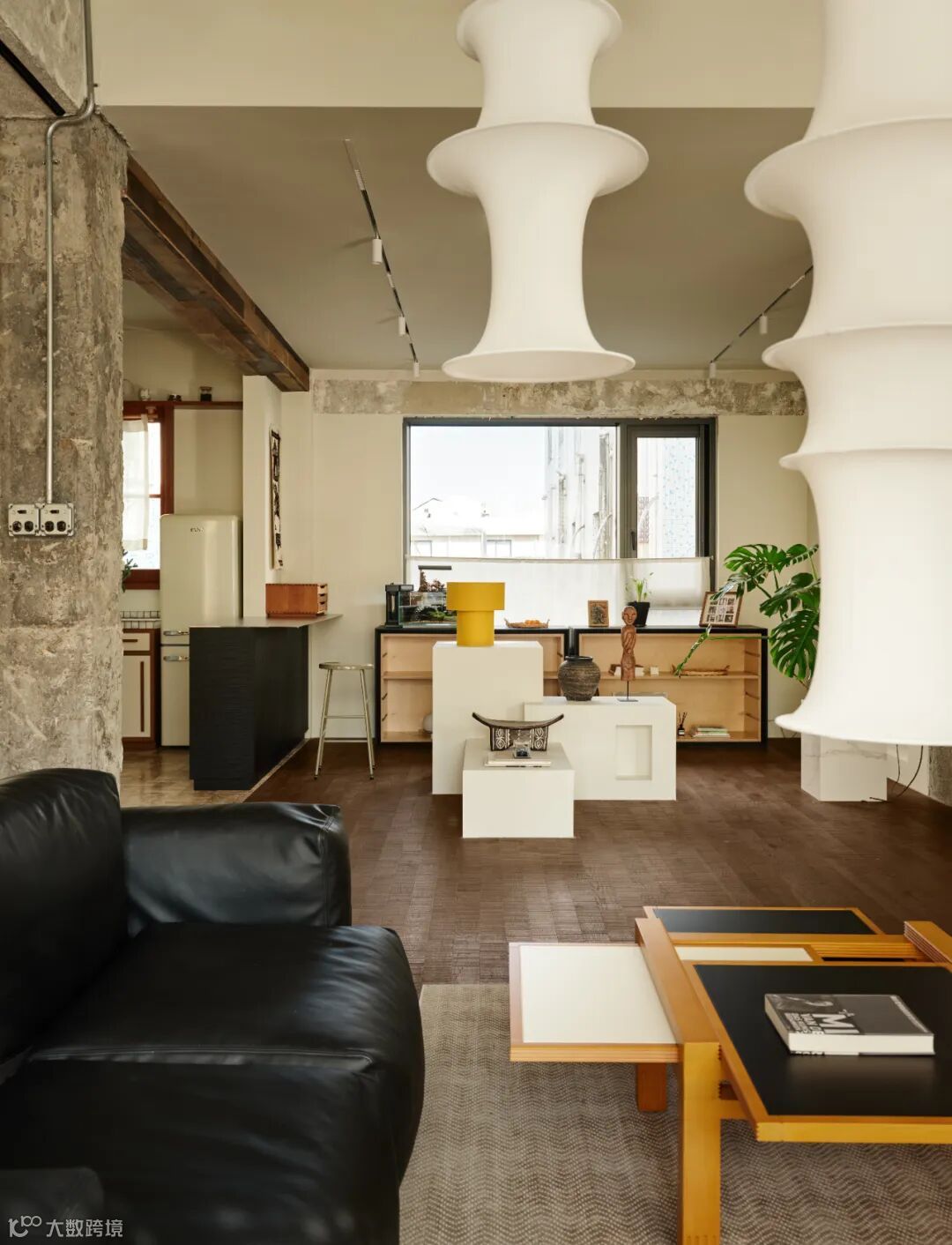
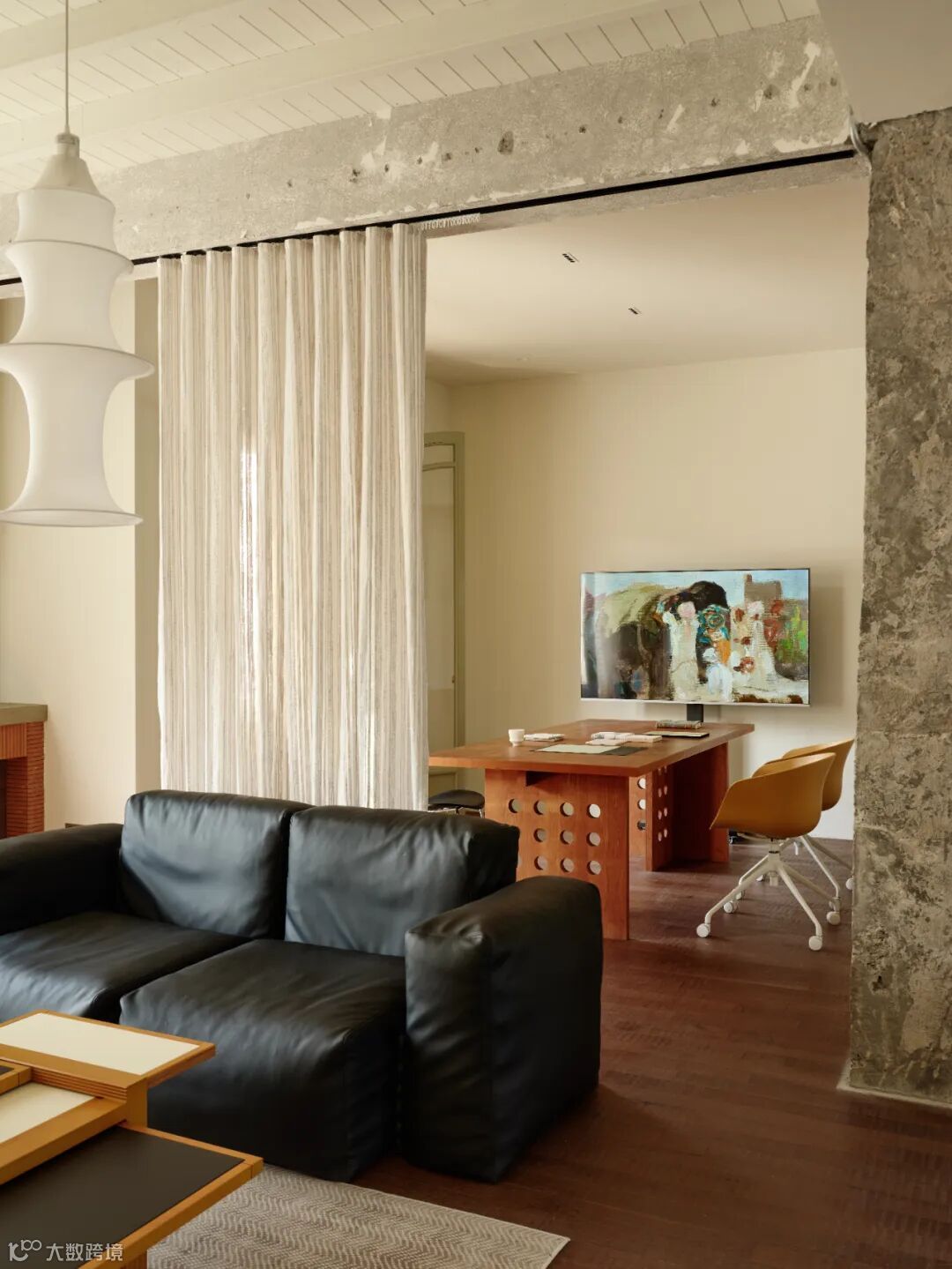
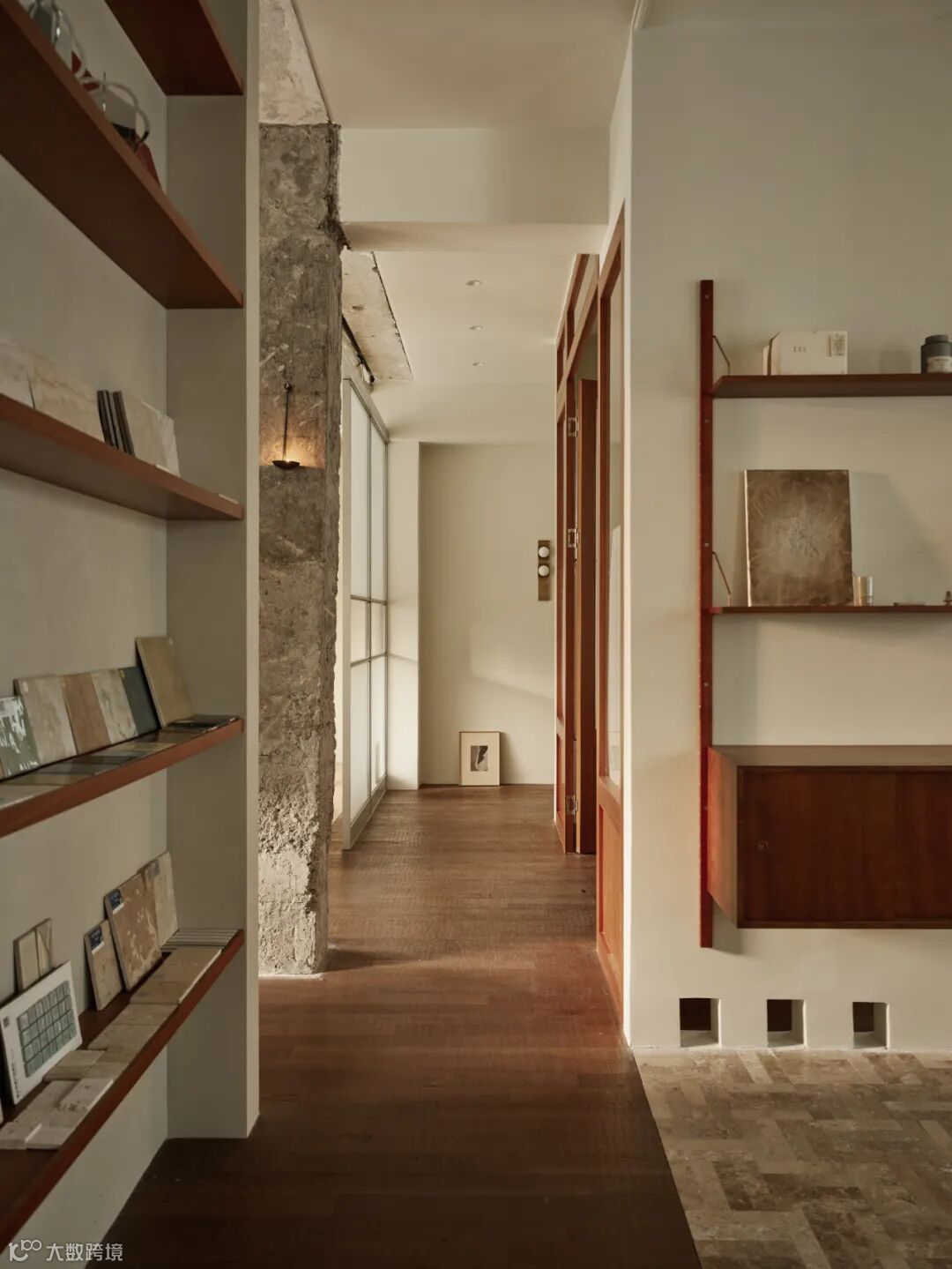
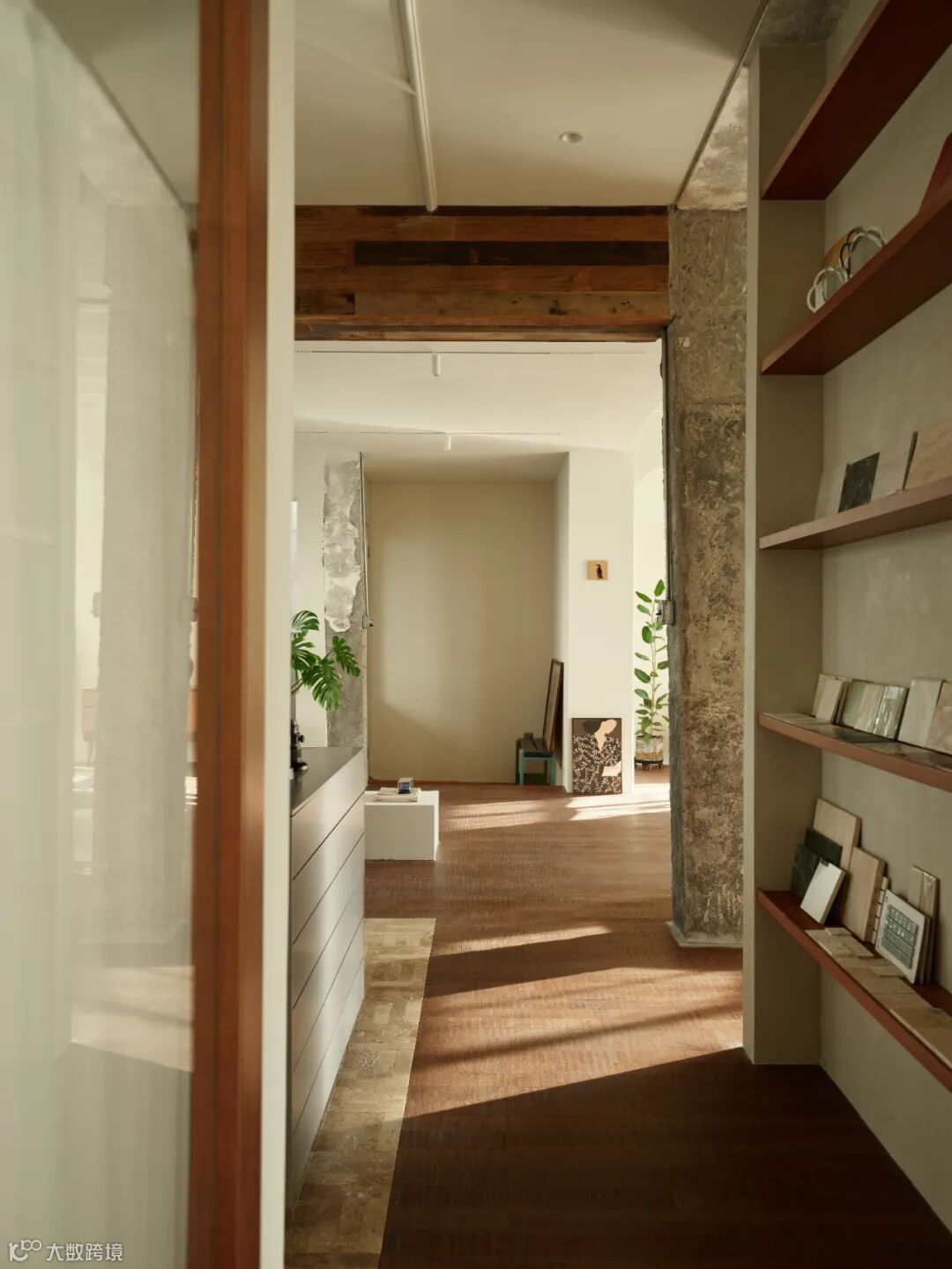
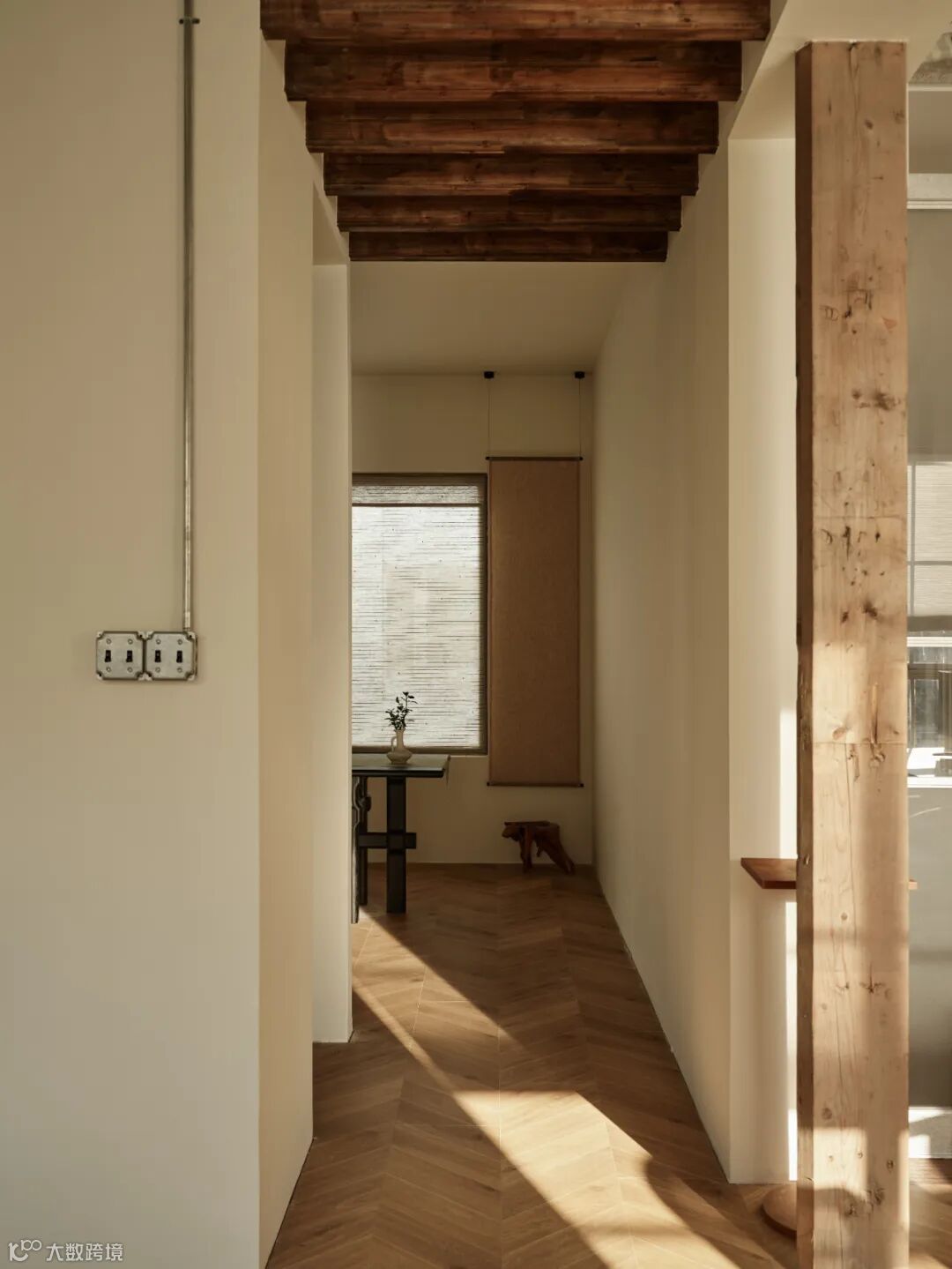
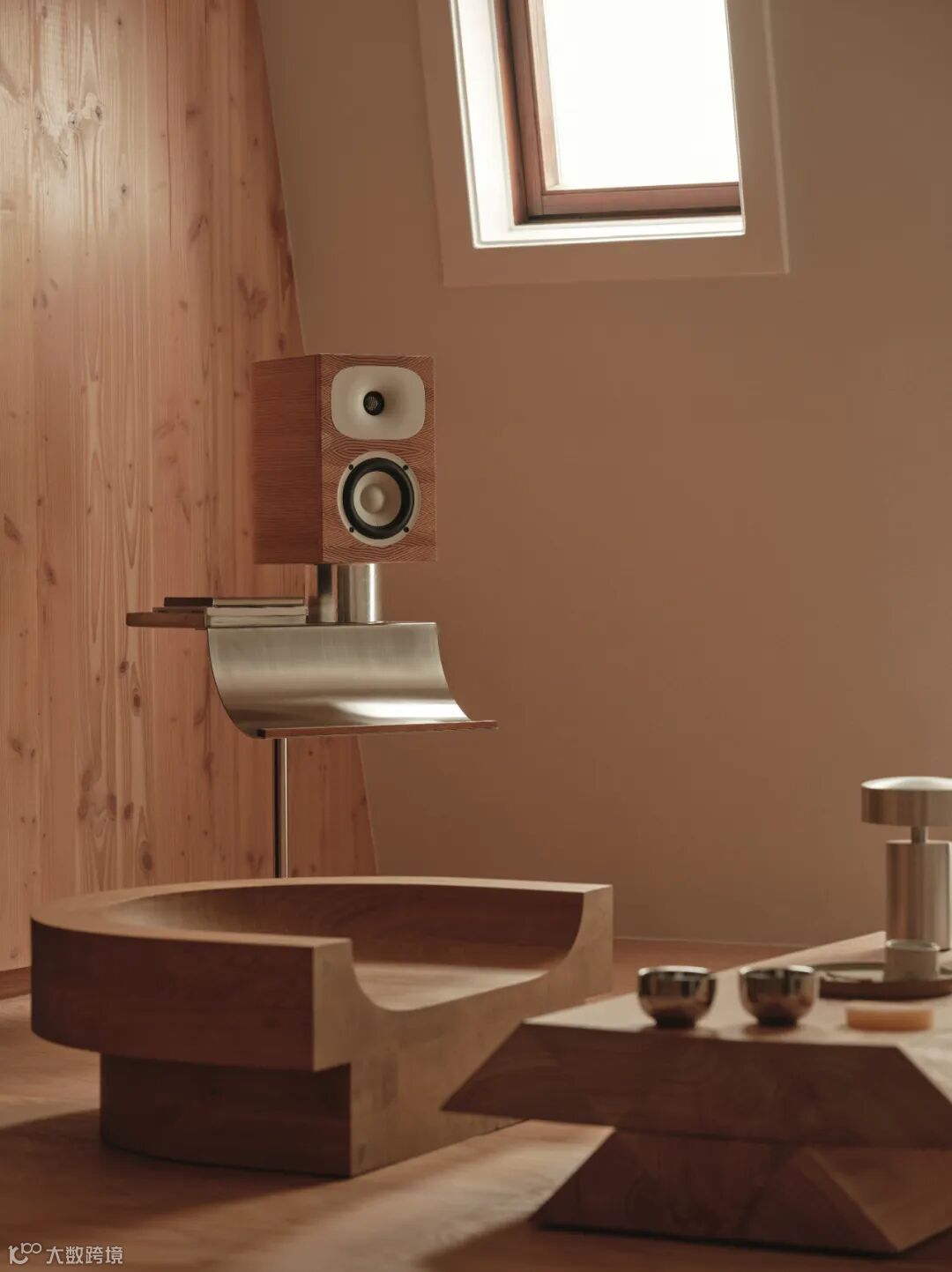
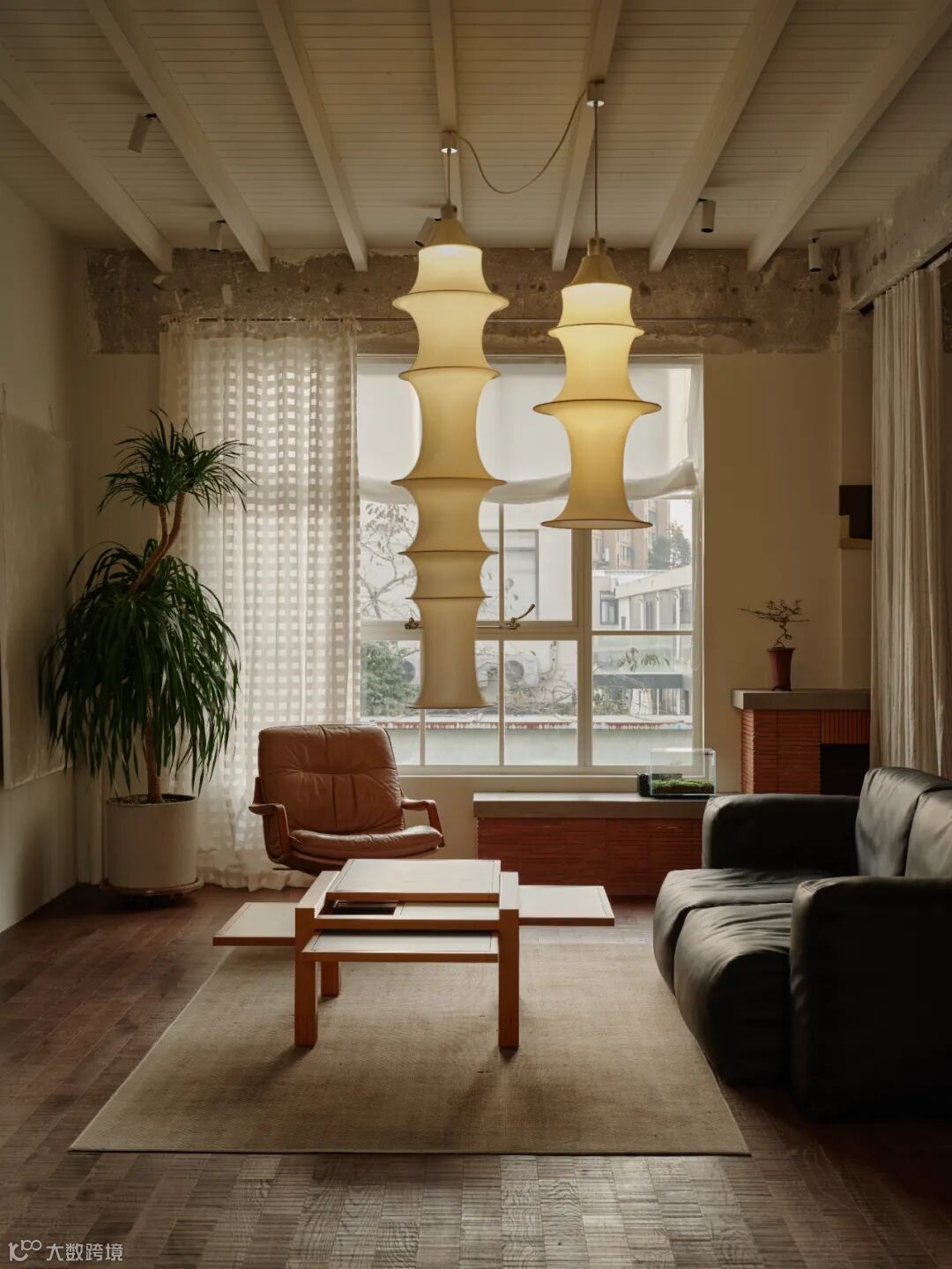
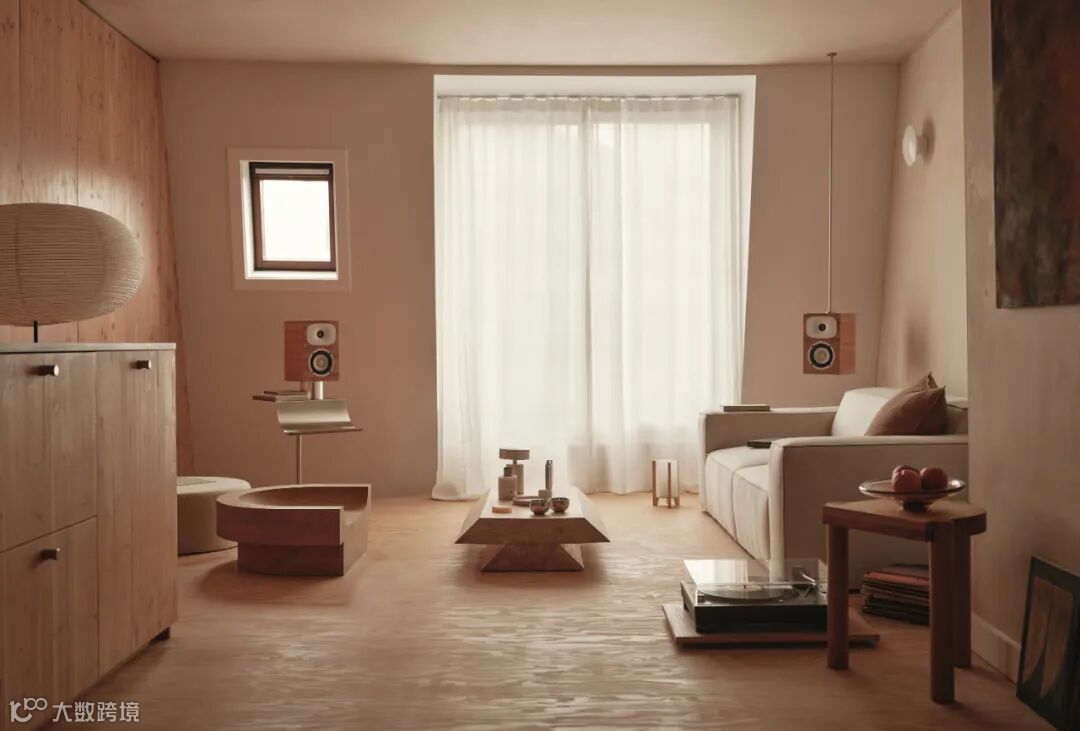
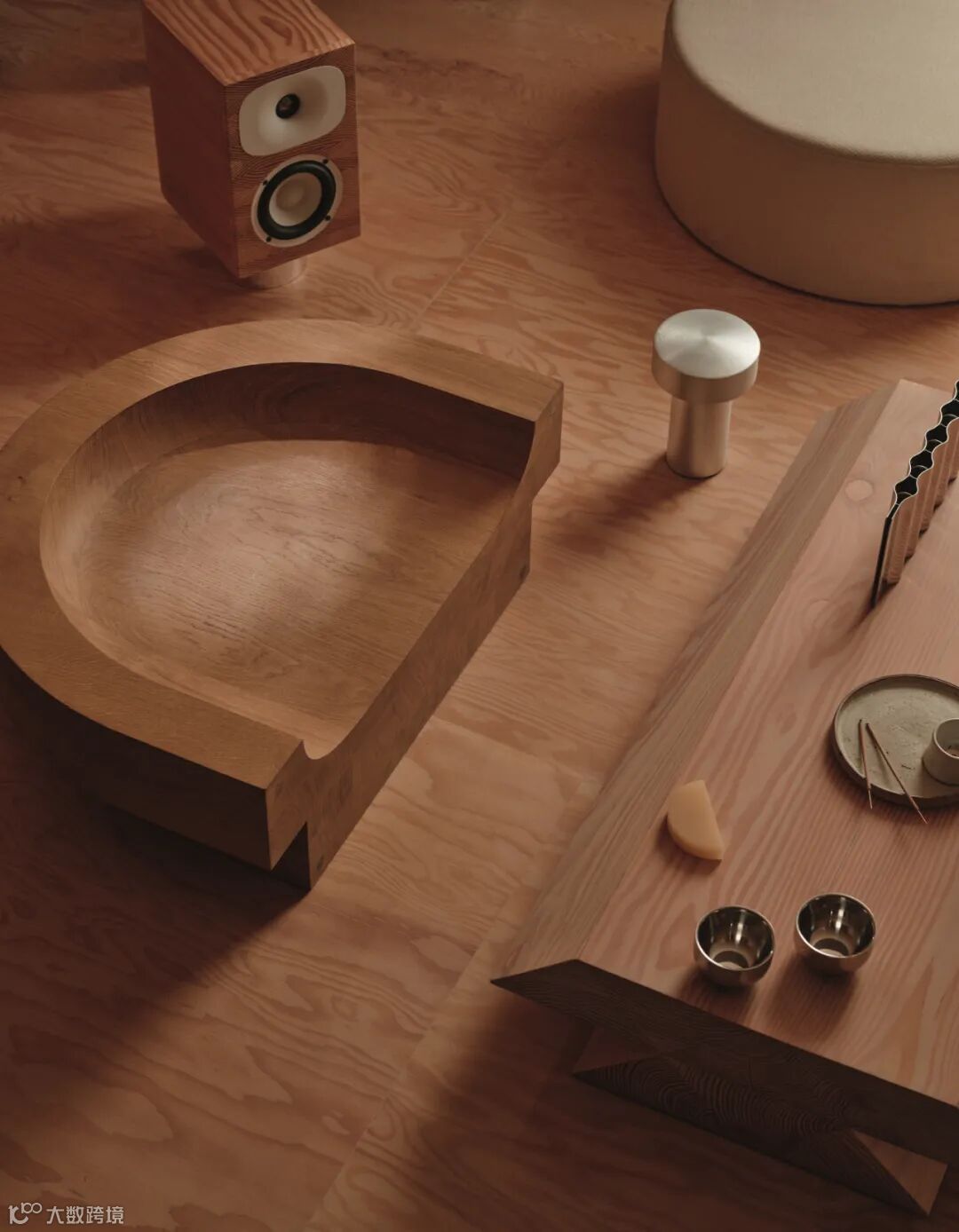
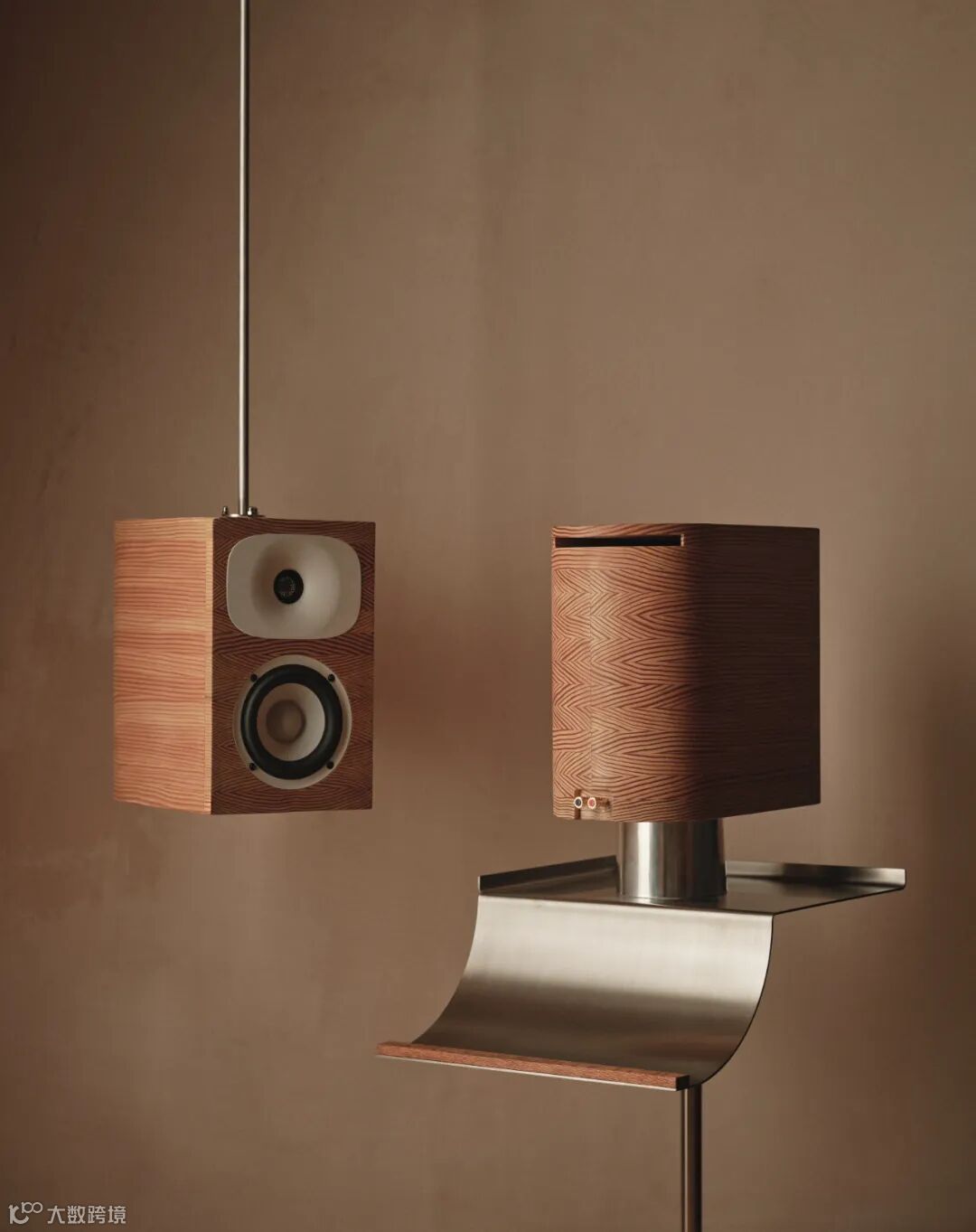
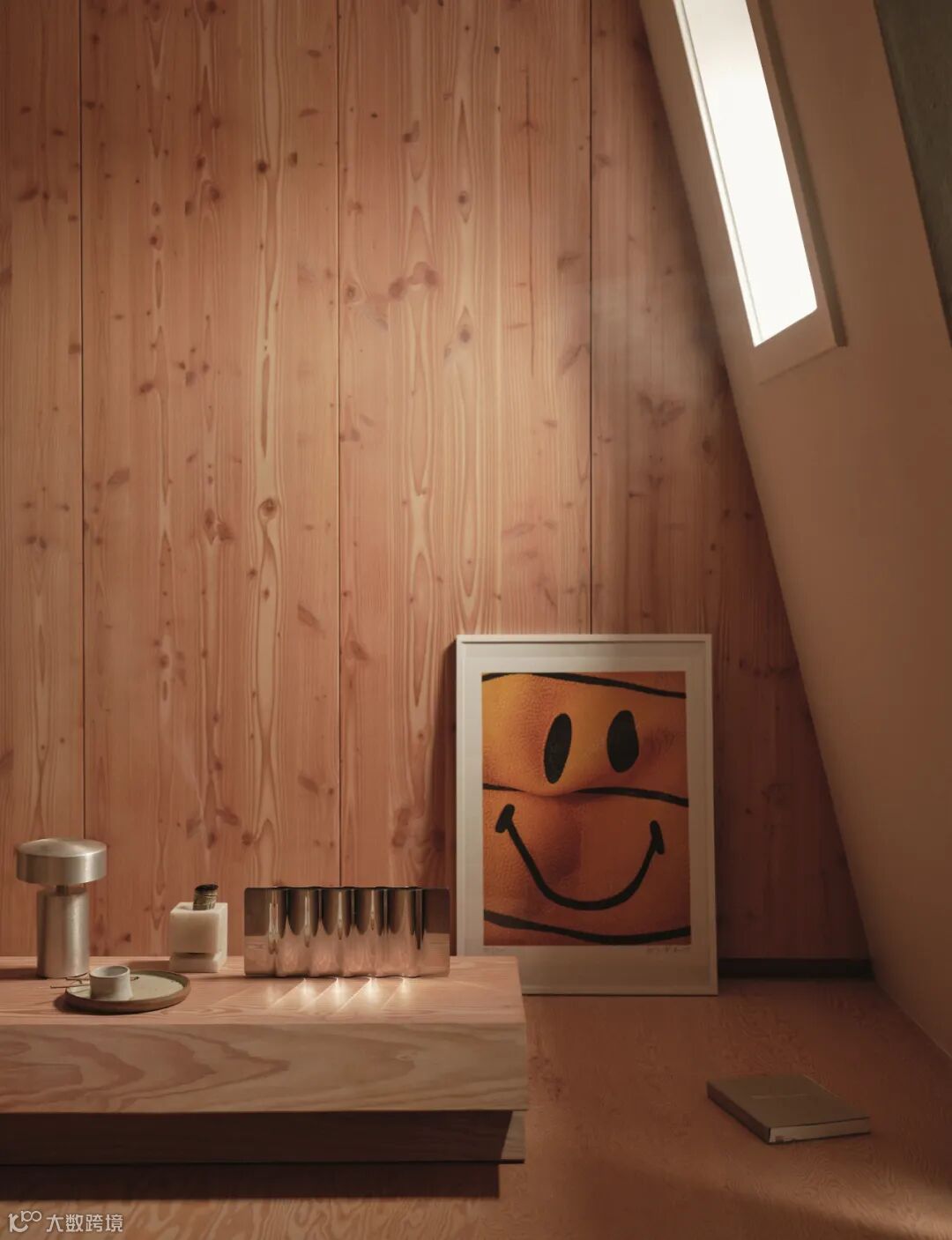
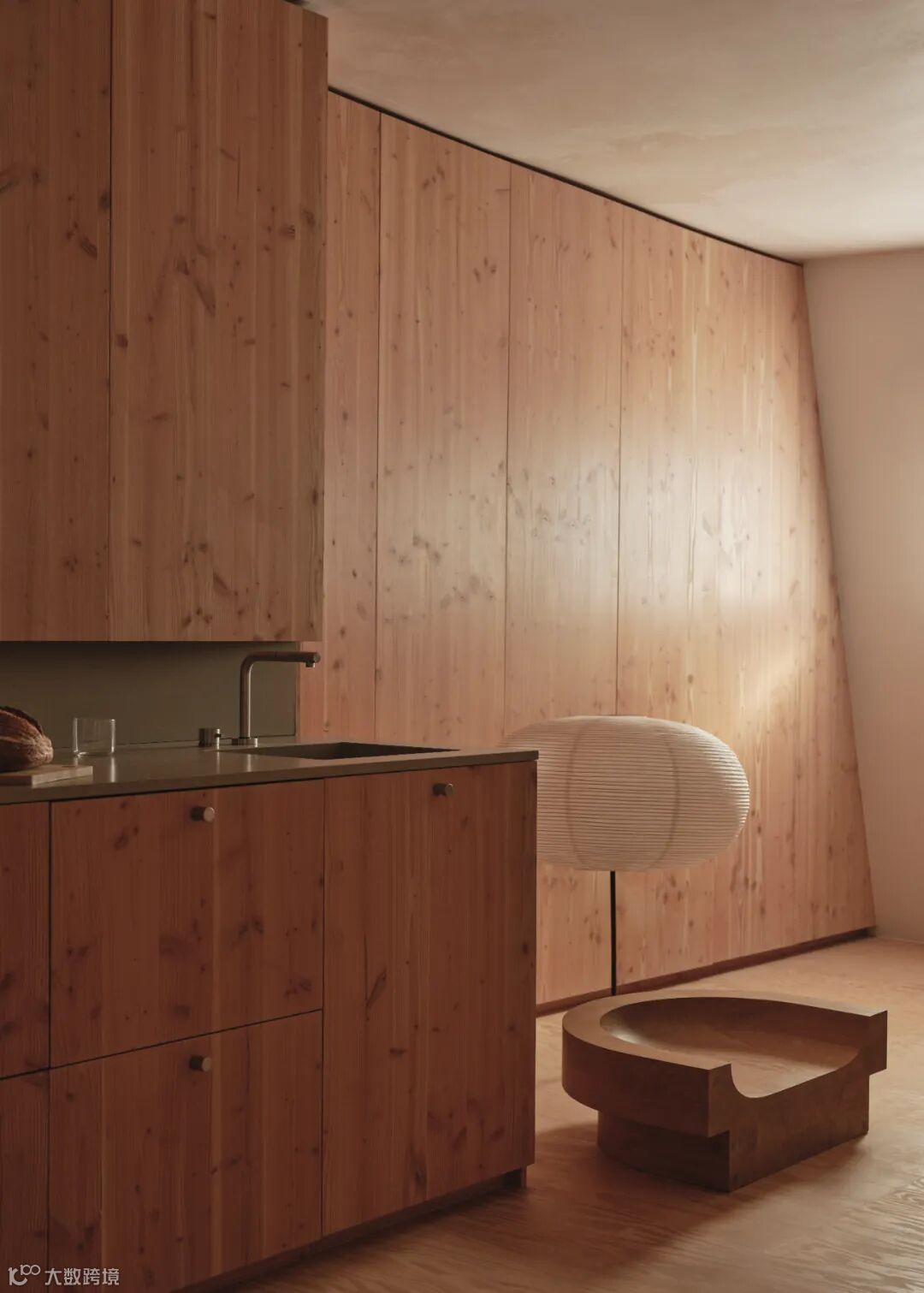
这个项目是一篇歌颂木材、并享受与其共同工作与生活的散文。作为 EBBA 总监 Benni Allan 的新居所,这次公寓改造既是对设计解决方案的试验场,也是一个让那些在设计过程中因各种原因被搁置的想法得以安放与实现的空间。这个空间被设想为“生活—展示”的复合场所,旨在创造一个可以在不断更替的物件之间安放日常的家。无论是主人收集的物品,还是来自朋友与合作者的珍藏,都将在近似画廊的环境中呈现,使这里成为持续孕育创意、并探索人与日常物件互动方式的开放舞台。
This project is an essay in the appreciation and enjoyment of working and living with timber. As well as serving as a new home for EBBA’s Director, Benni Allan, the renovation of the apartment has been about testing design solutions and creating a place with all the ideas that are often let go of during the design process (for many reasons). A place imagined as live-come-showspace, with the intention of creating a home as somewhere to live around objects that constantly change.
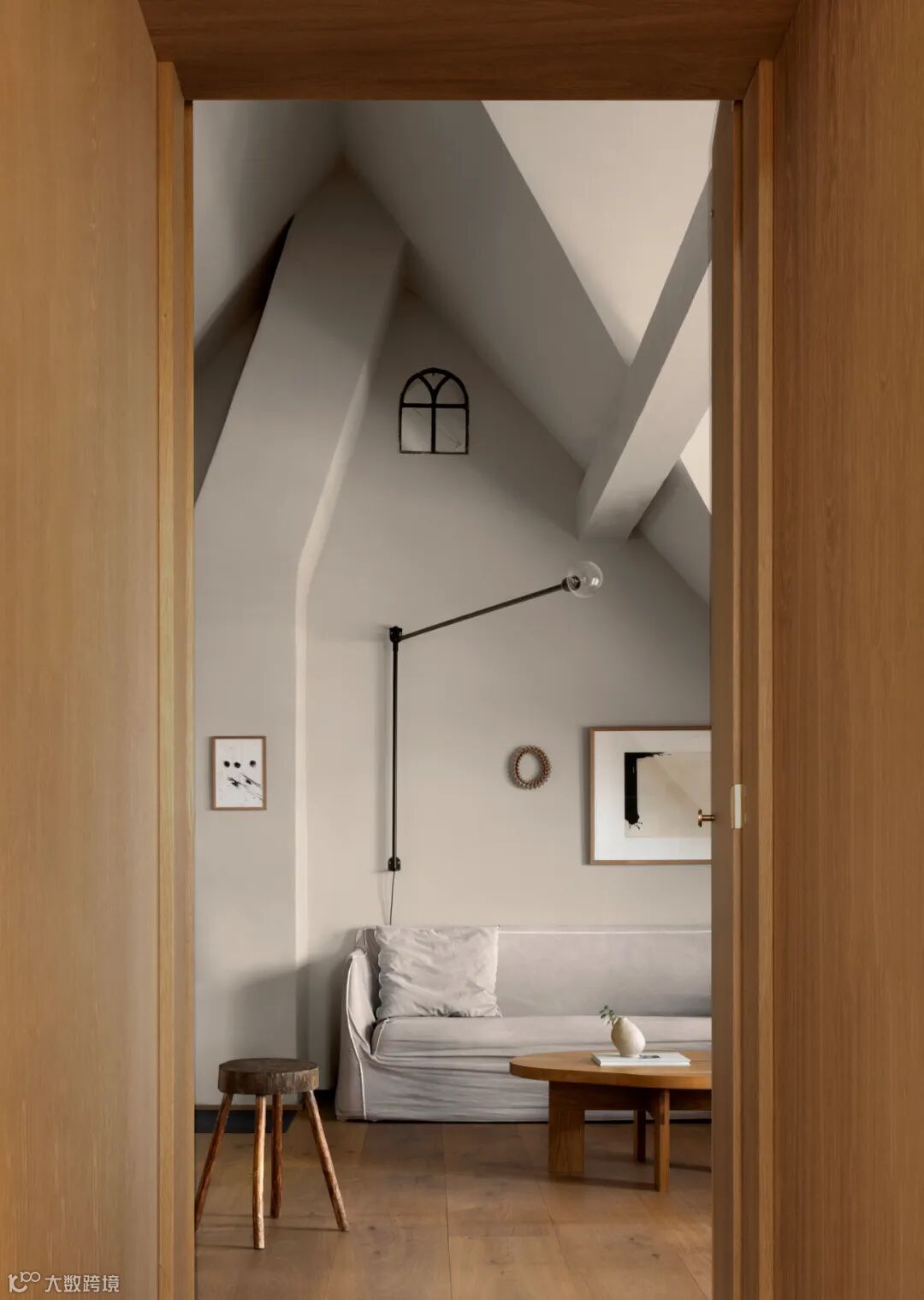
坐落于丹麦海岸线边缘的 Strandgården 是一处历史悠久的建筑,通过 Norm Architects 精妙而敏感的改造,这两座独立住宅被融为一个和谐的四口之家。项目不仅仅是一场翻新,更是一场伟大的揭示——在这里,历史与意义相互呼应、彼此滋养,共同成就一个充满温度与故事的家。
Located on the edge of the Danish coastline, Strandgården is a historic property that has undergone a sensitive architectural transformation, uniting two separate dwellings into a single harmonious home for a family of four. The result is not a renovation but a great unveiling – an architecture that allows history and meaning to resonate, with each enhancing the other.
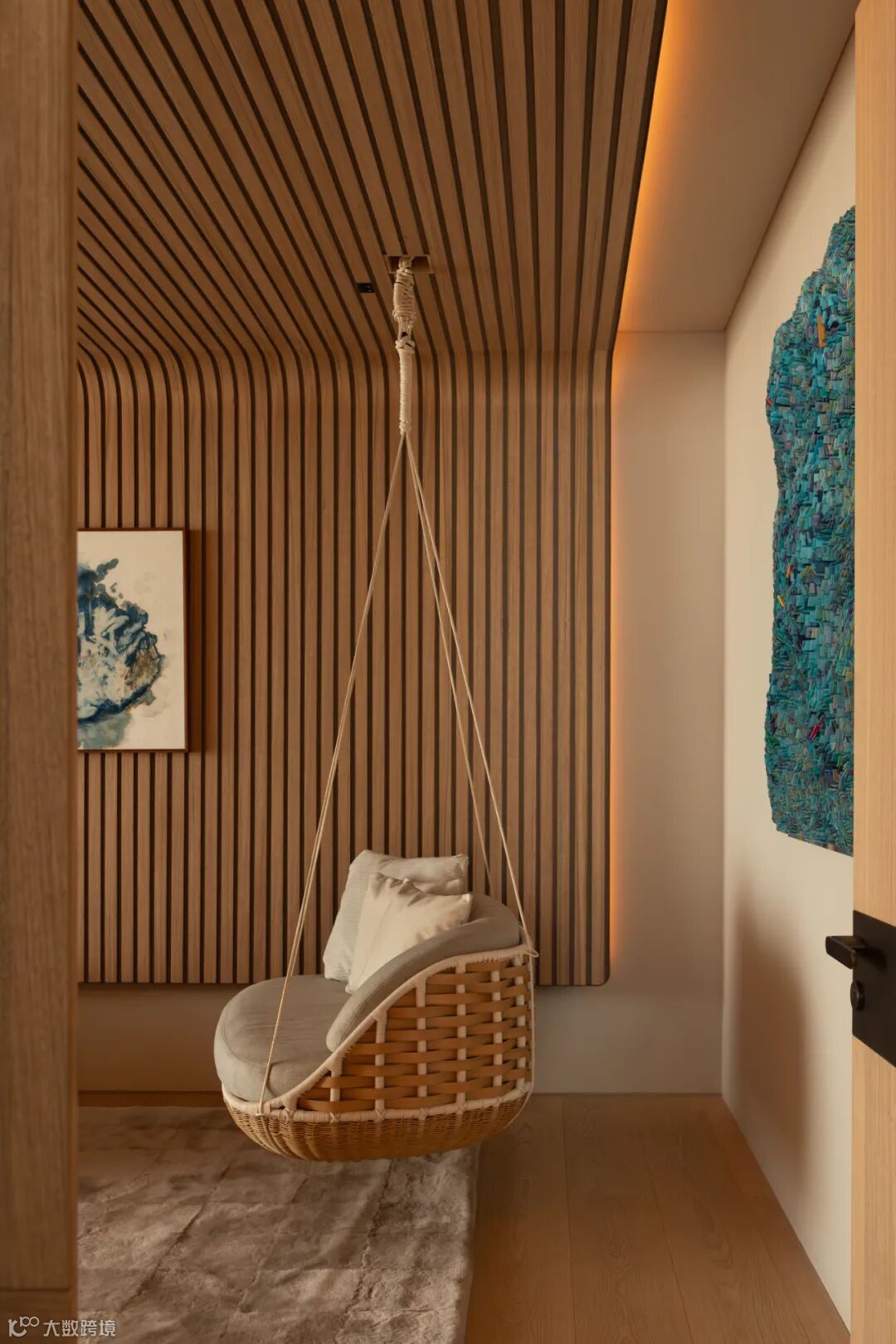
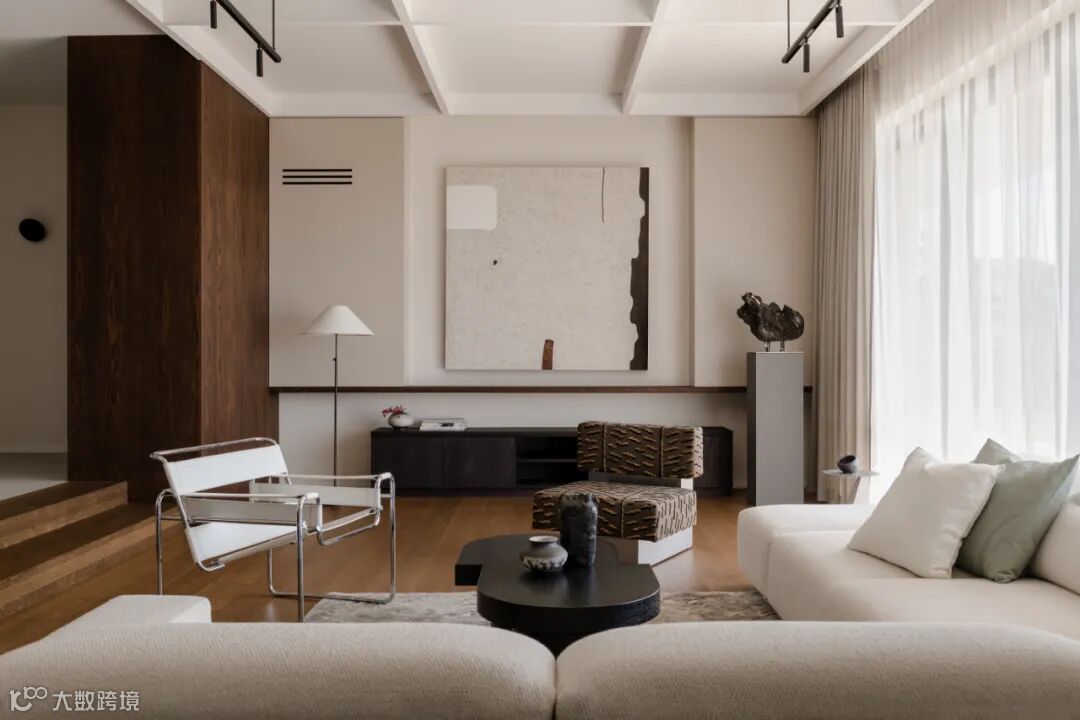
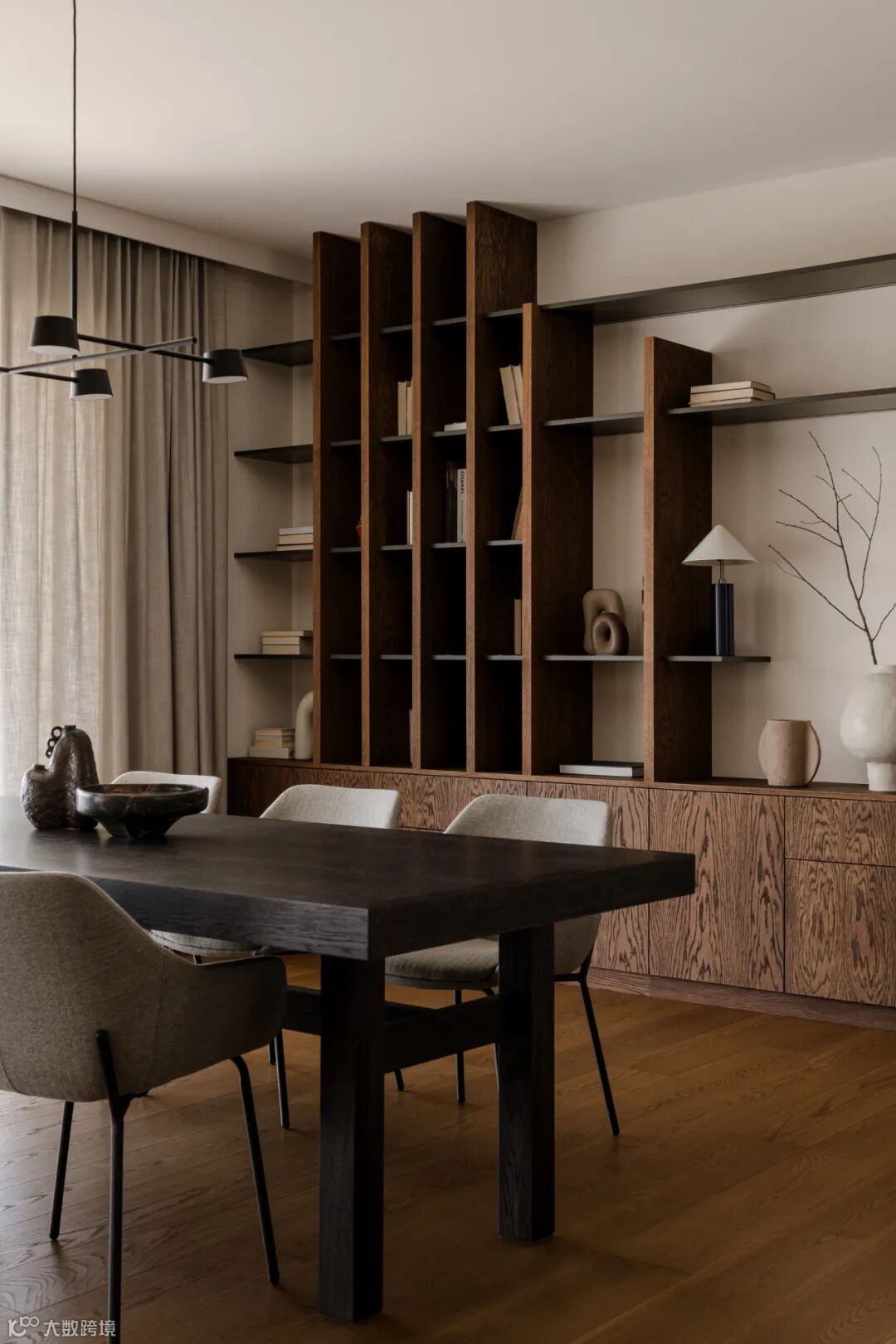
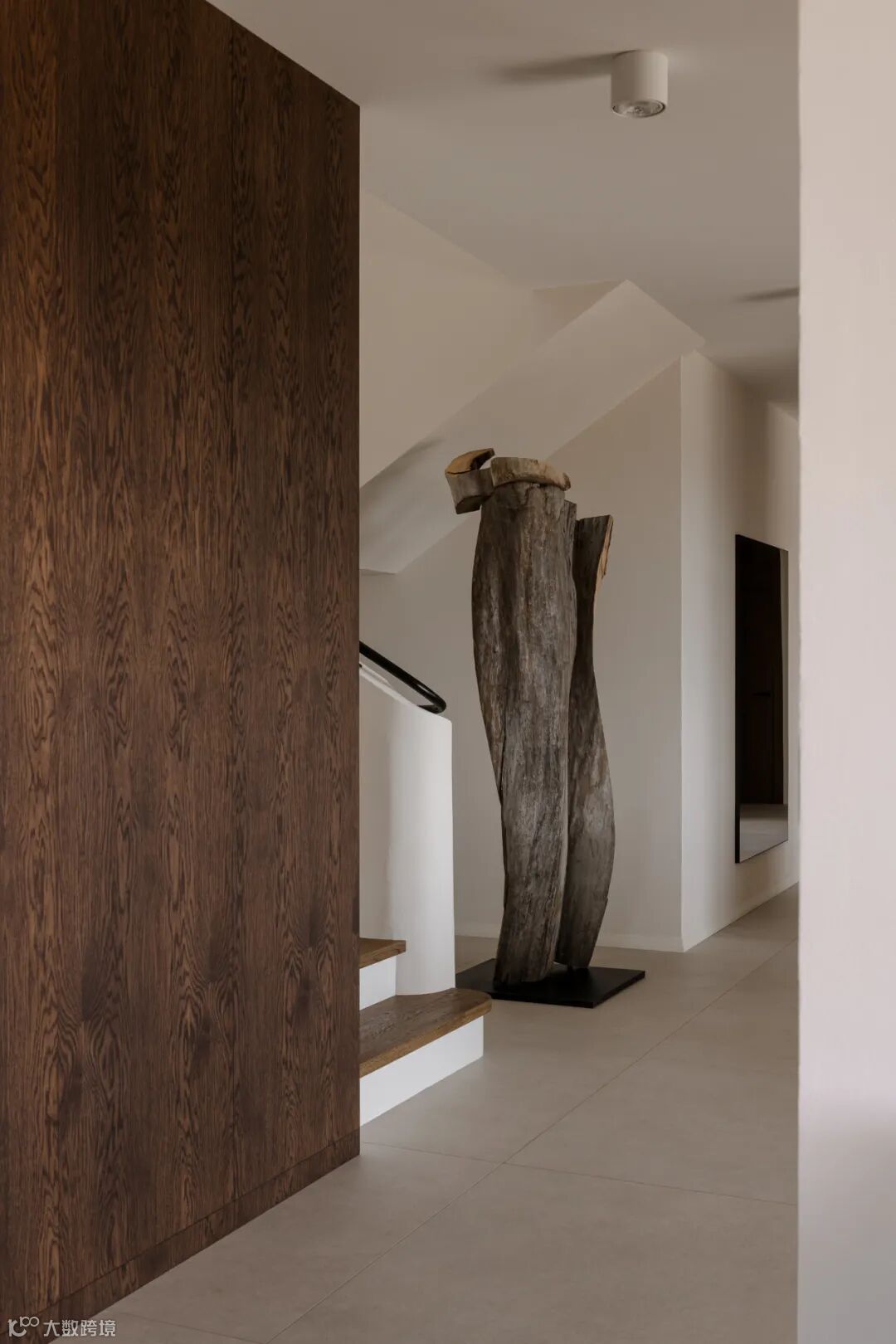
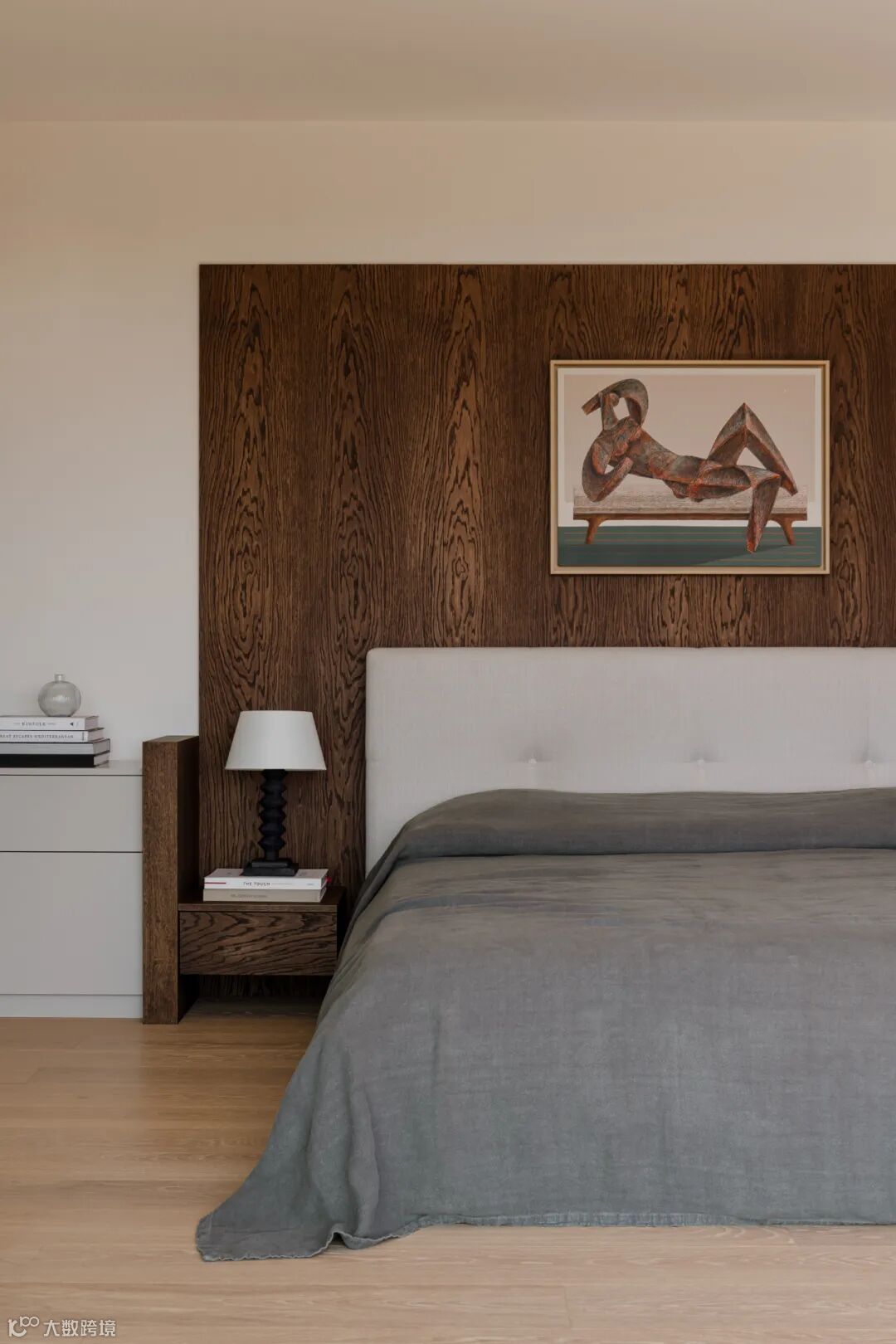
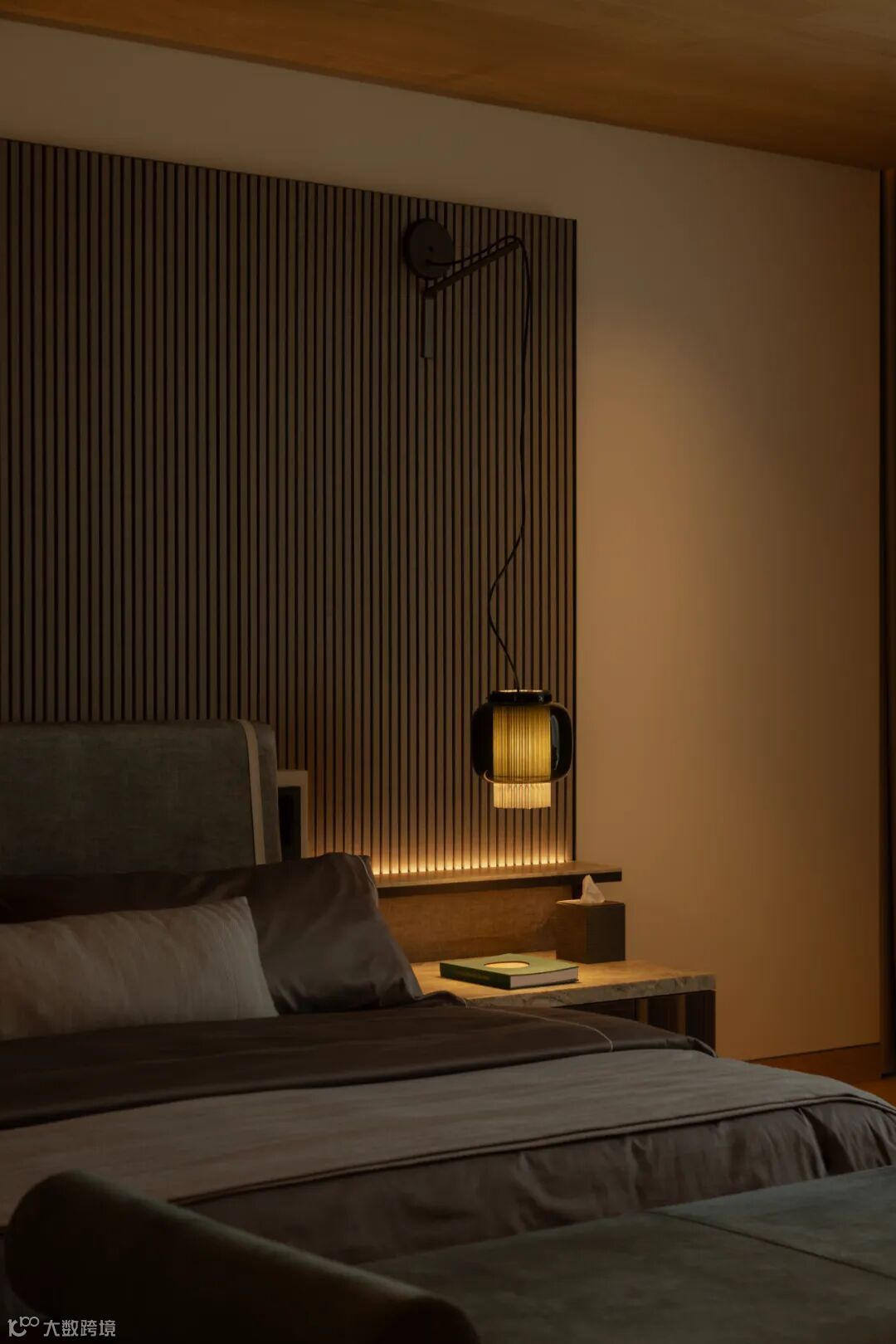
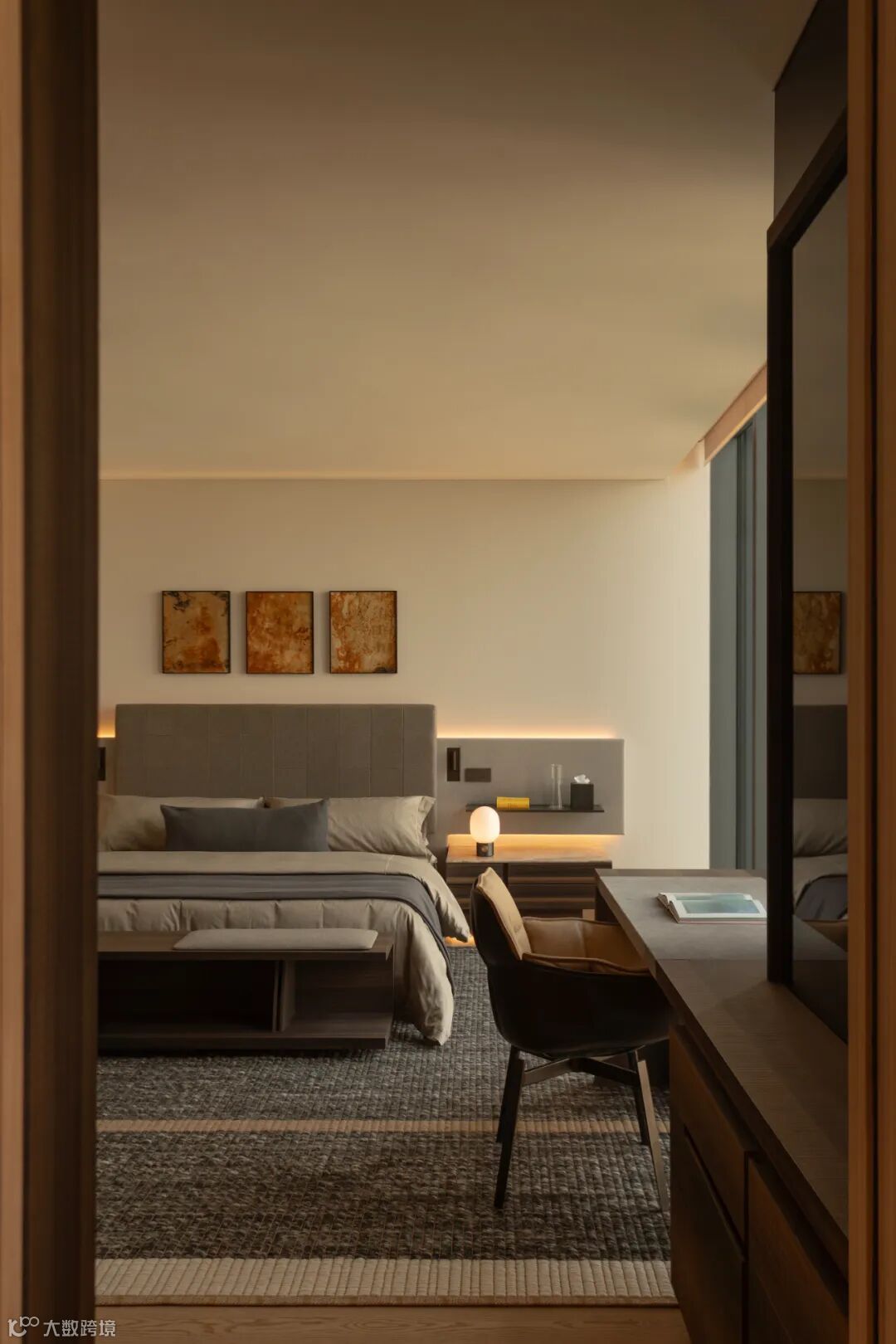
这套公寓由 Simon Hamui Studio 与 Gantous Arquitectos 合作完成,旨在打造一个宁静而永恒的都市避世之所。从最初的构思开始,设计便以“宁静、温暖与轻盈”为核心基调,让材料的触感、比例的拿捏、光线的层次以及家具的选择彼此呼应,形成一种亲密而功能化、独特而富有气息的居住方式。通过对细节的精心雕琢,空间的每一个角落都被赋予了柔和而清晰的秩序,共同勾勒出一个真正属于居住者的家。
This apartment was conceived in collaboration with Gantous Arquitectos, with the aim of creating a serene and timeless refuge. From the outset, the intention was to design a space that conveys tranquility, warmth, and lightness, where every choice — materials, proportions, lighting, and furnishings — responds to an intimate, functional, and unique way of inhabiting. The focus was on creating details that, together, define each corner of the home.
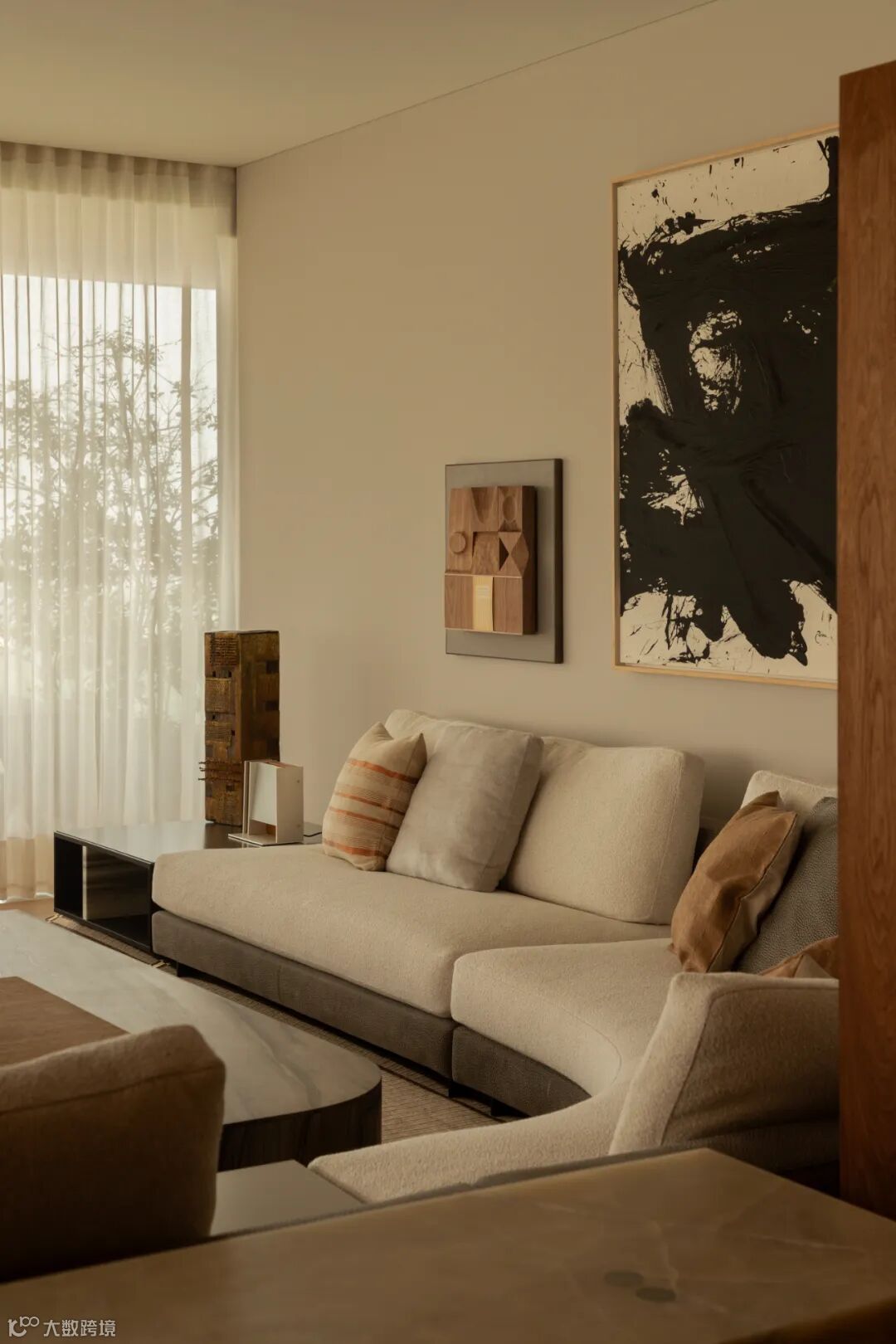
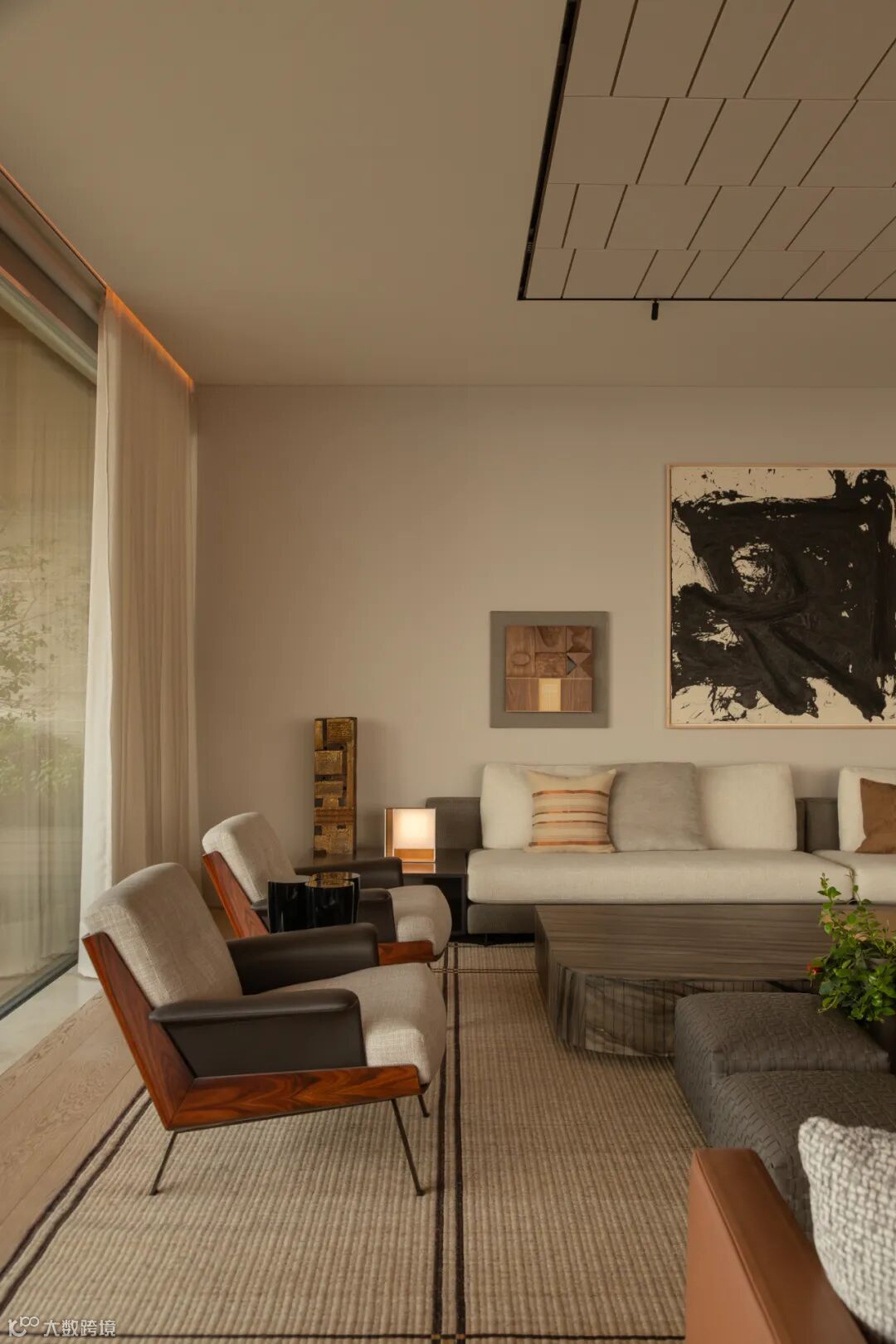
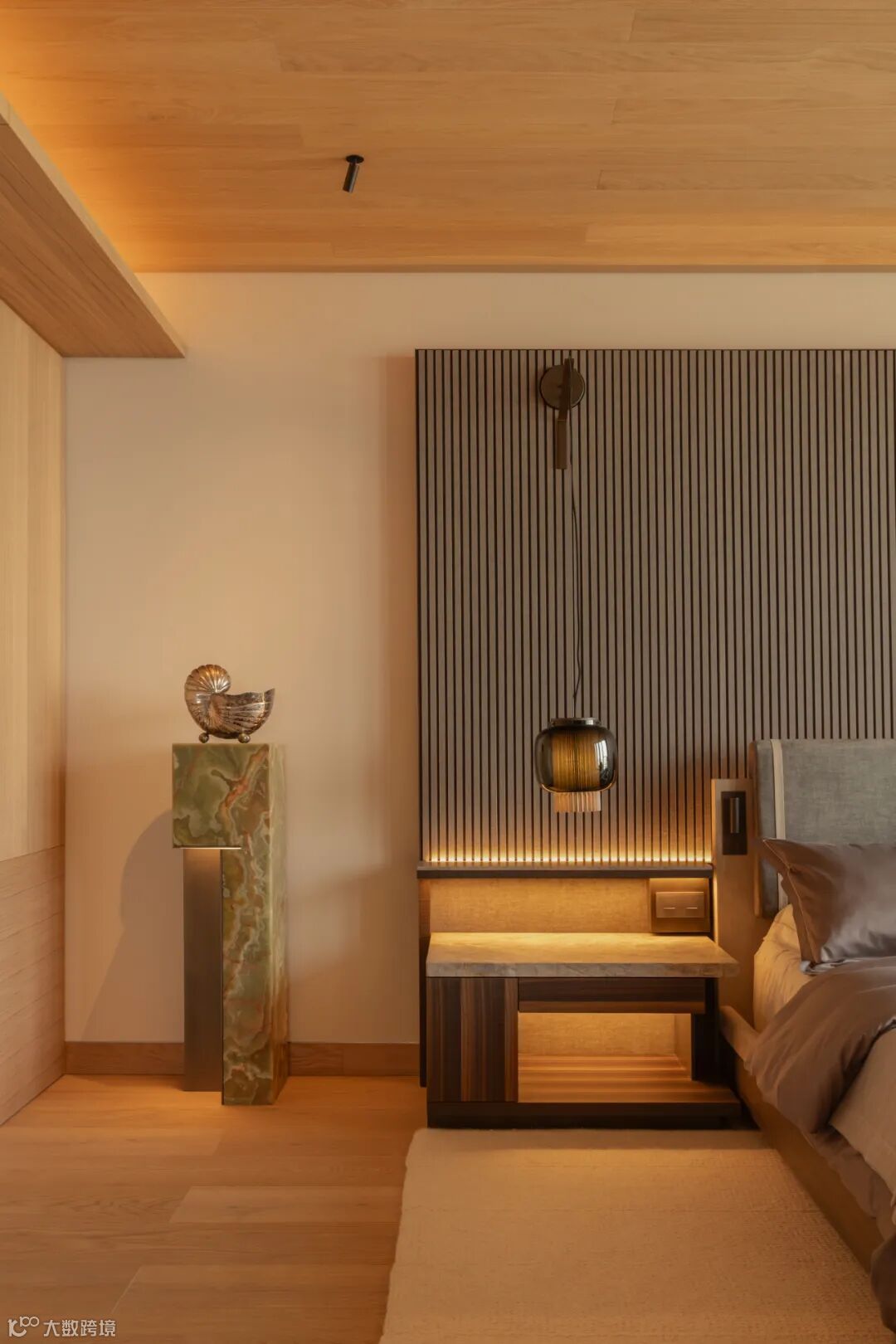

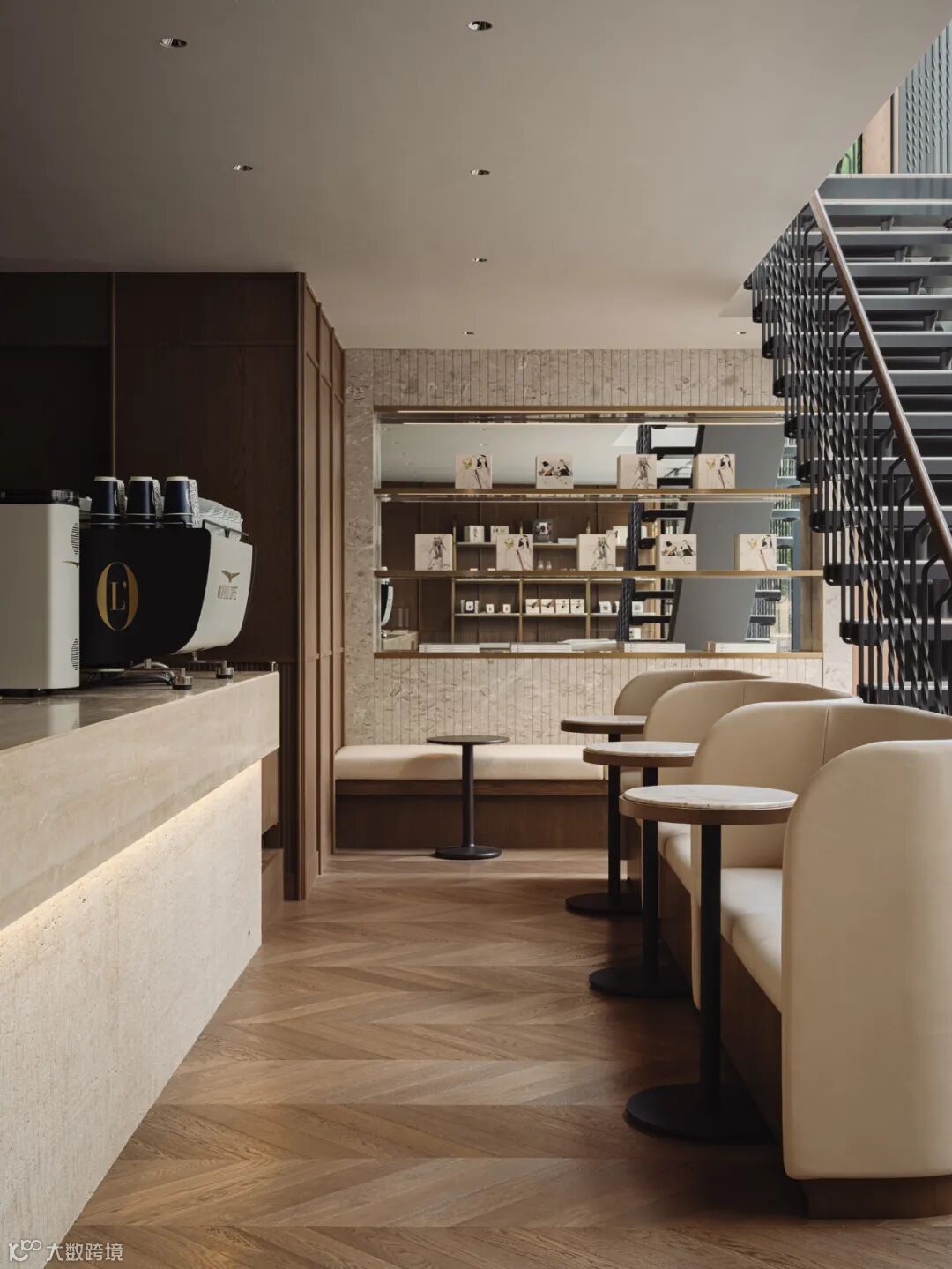
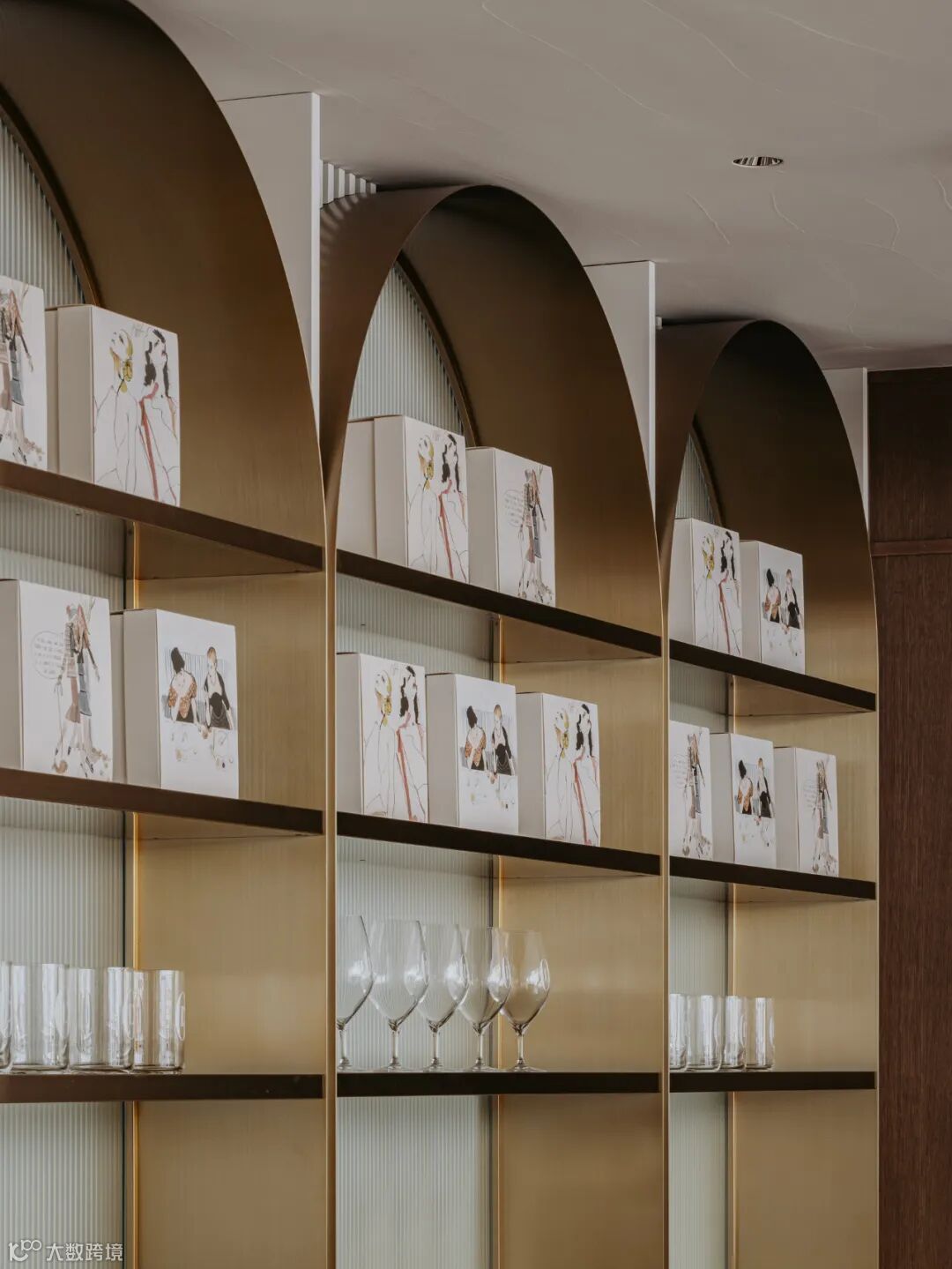
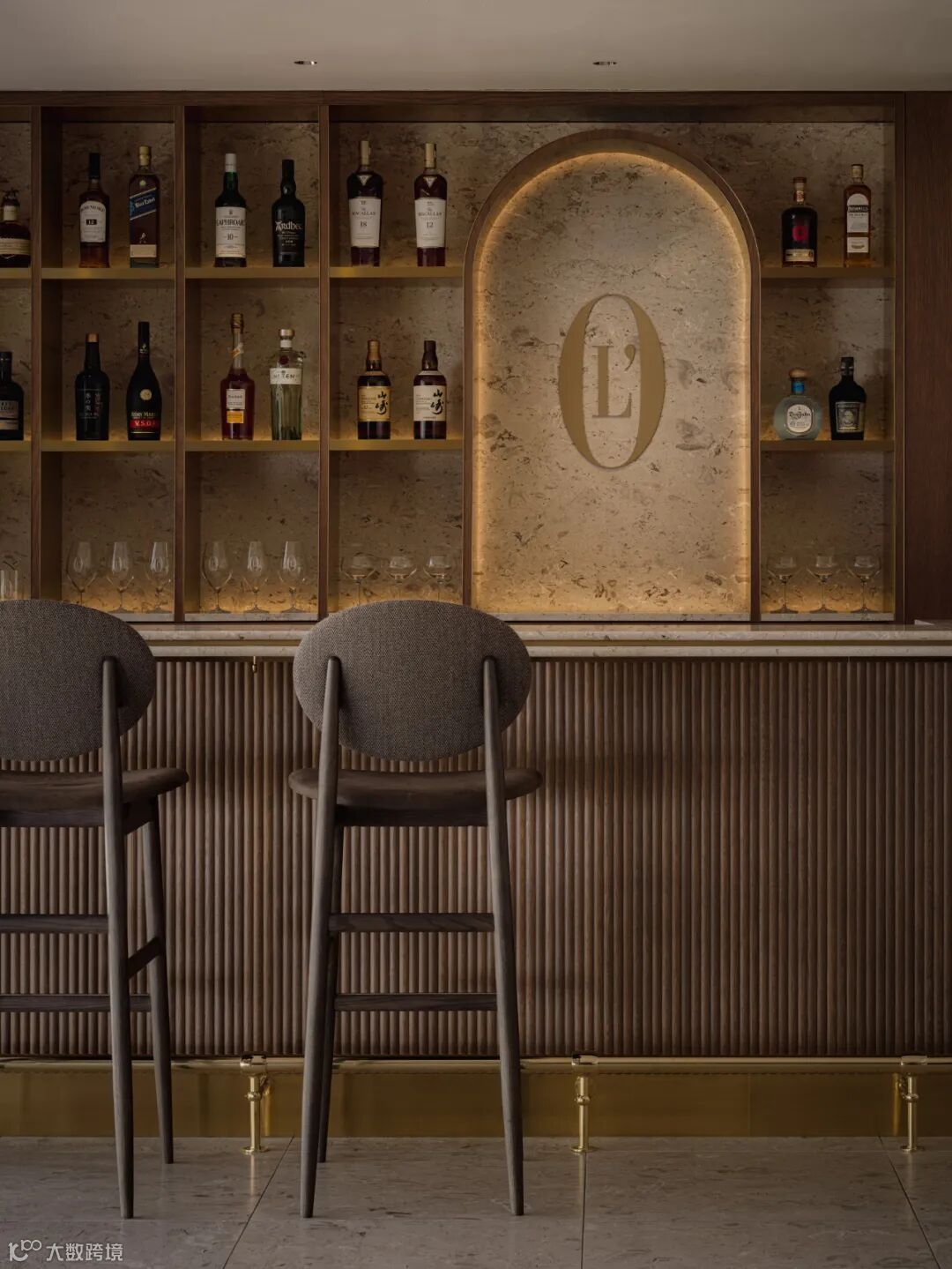
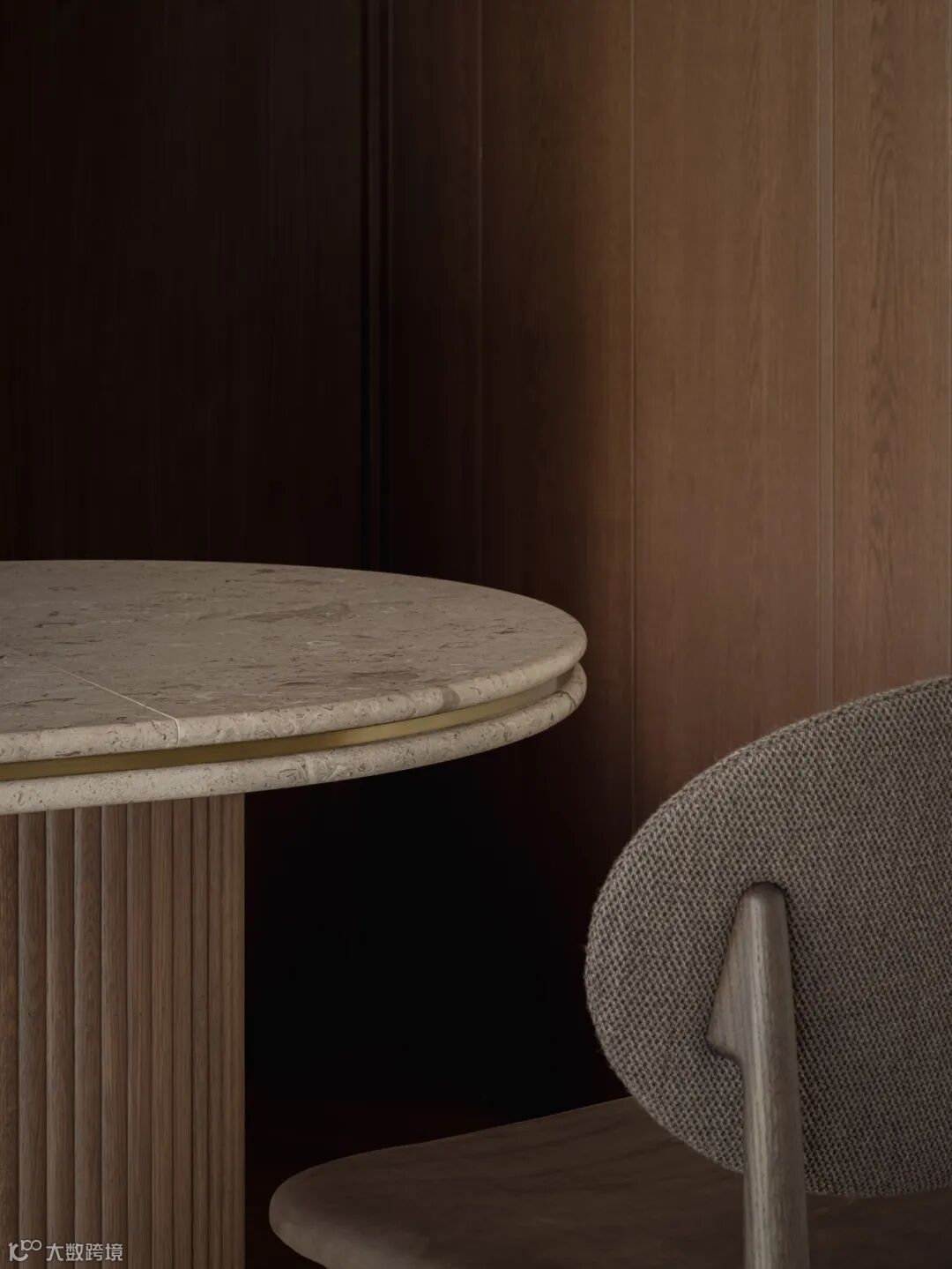
巴黎标志性刊物《L’OFFICIEL》开设的首家咖啡店,隐于 Omotesando 主干道的一条小巷内。这栋三层建筑最初建于21世纪初,如今被 Keiji Ashizawa 工作室打造该杂志品牌空间的具象化呈现,在尊重原有结构与窗户系统的前提下,每层空间被重新构思,营造出独特而统一的氛围。
Tucked away on a side street off Omotesando’s main avenue, this is the very first coffee shop by L’OFFICIEL—the iconic Parisian publication that has been influencing fashion, art, and culture since founded in 1921. The three-story building was conceived as a spatial embodiment of L’OFFICIEL’s brand identity. Originally constructed in the early 2000s, it was approached with a strategy that embraced its existing structural framework and window systems, both as a practical solution in light of cost and time constraints, and as deliberate design choice. Each floor was reimagined to create a distinct yet cohesive environment within this framework.
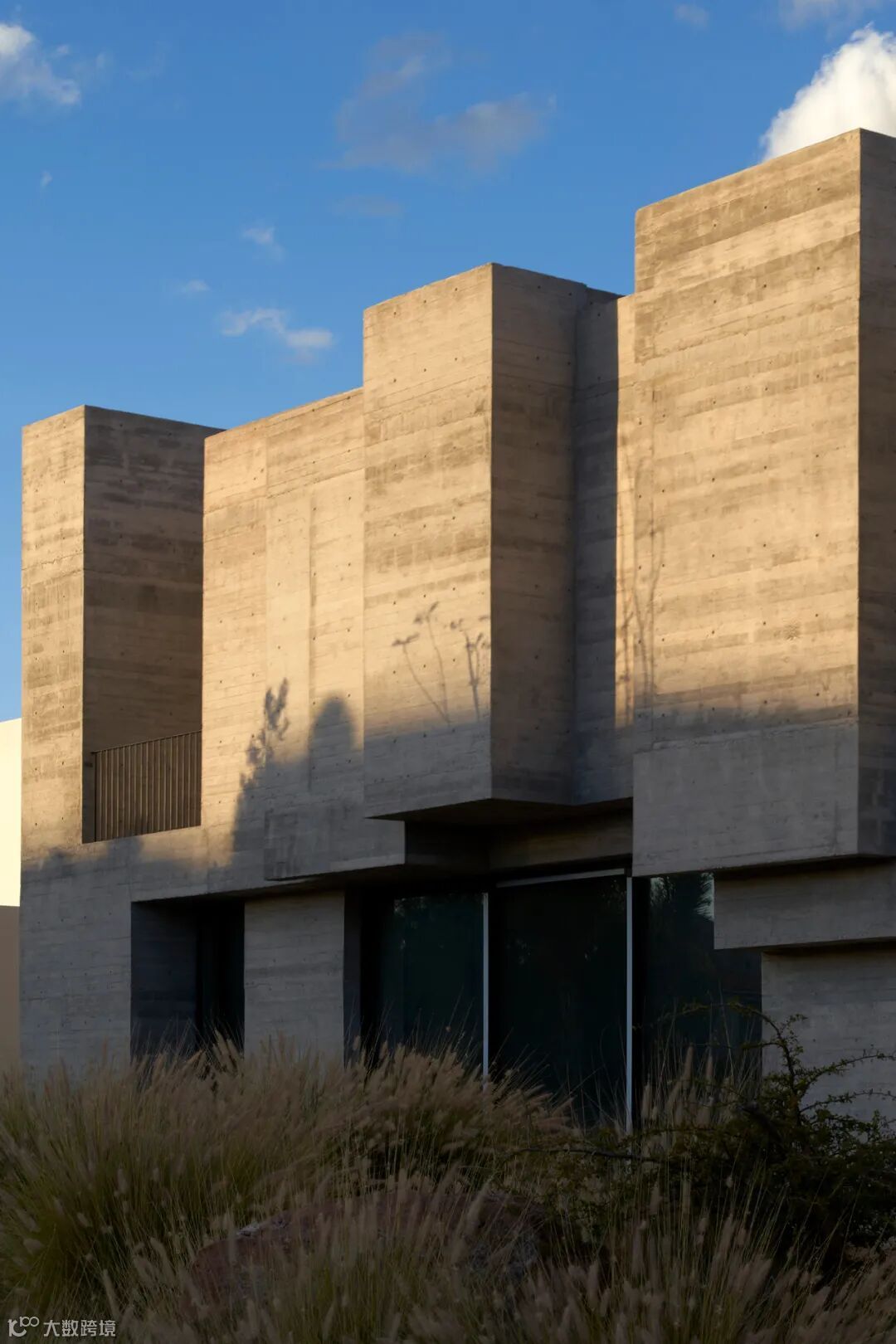
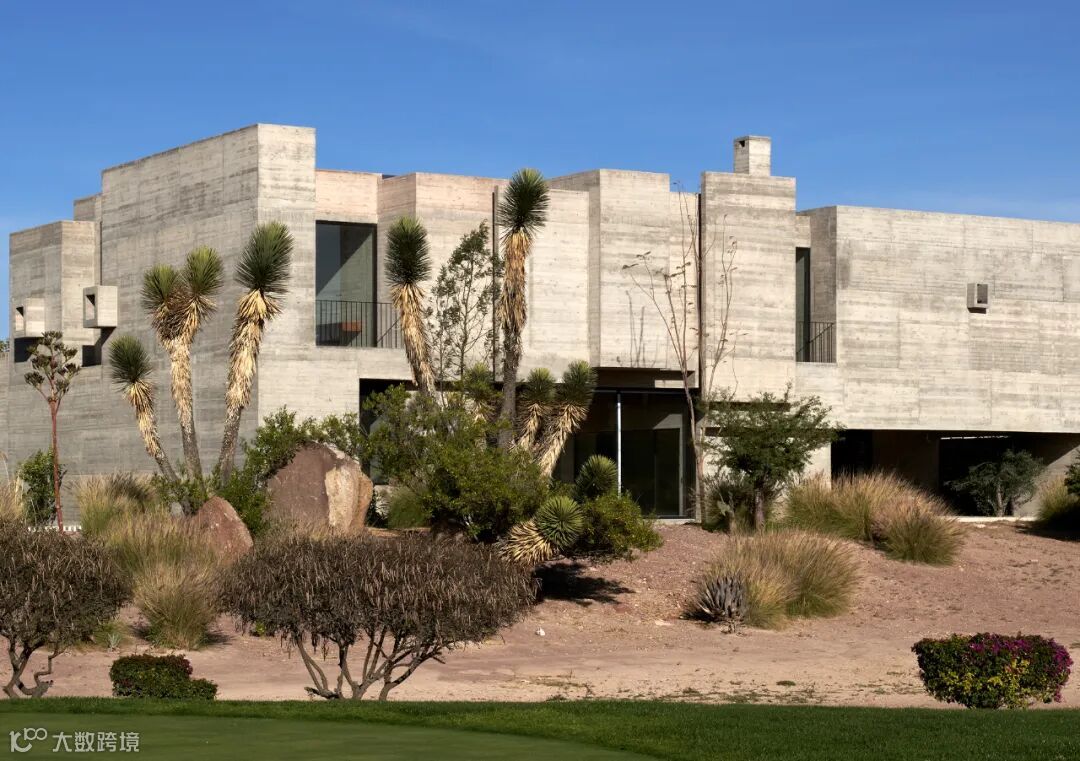
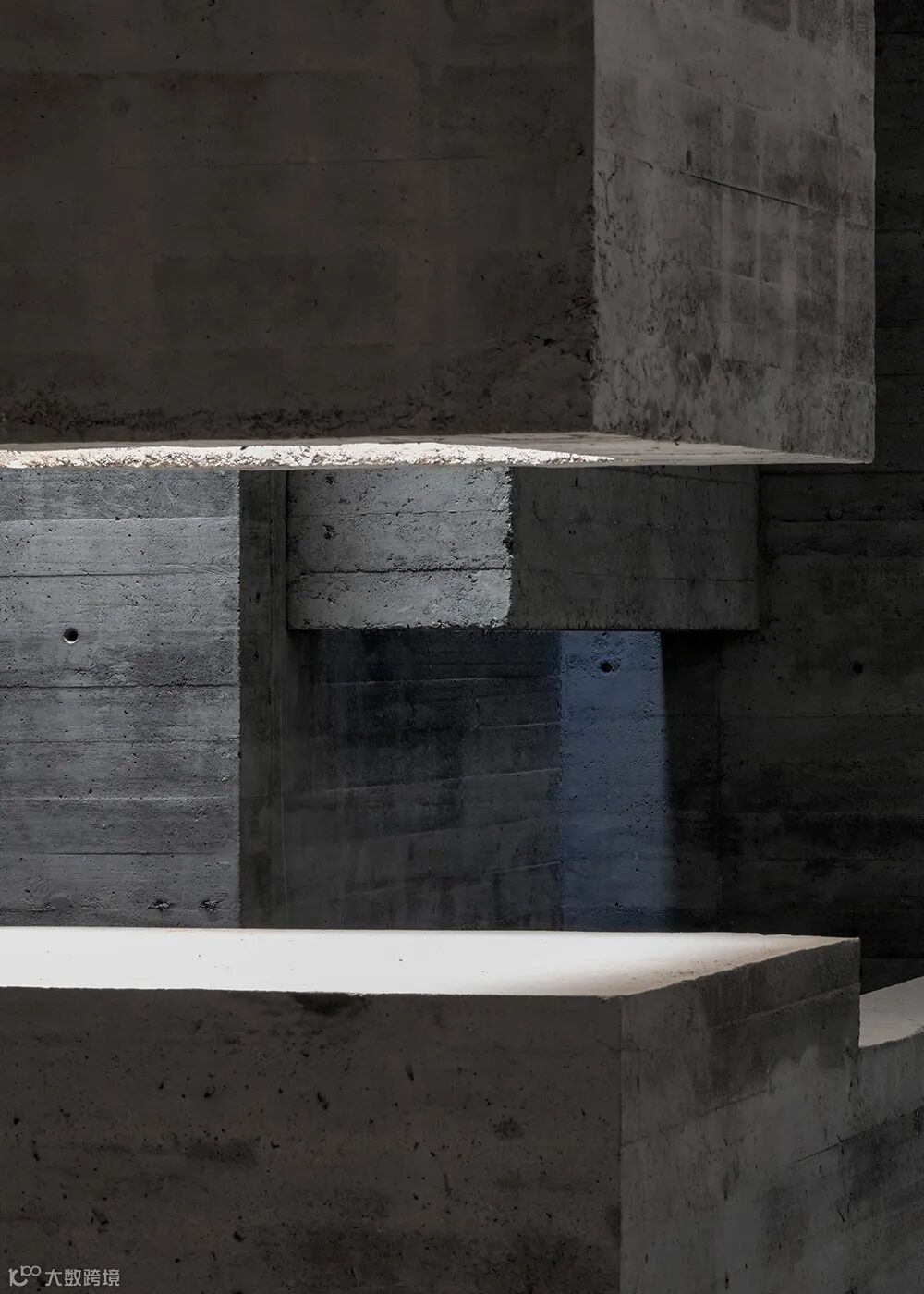
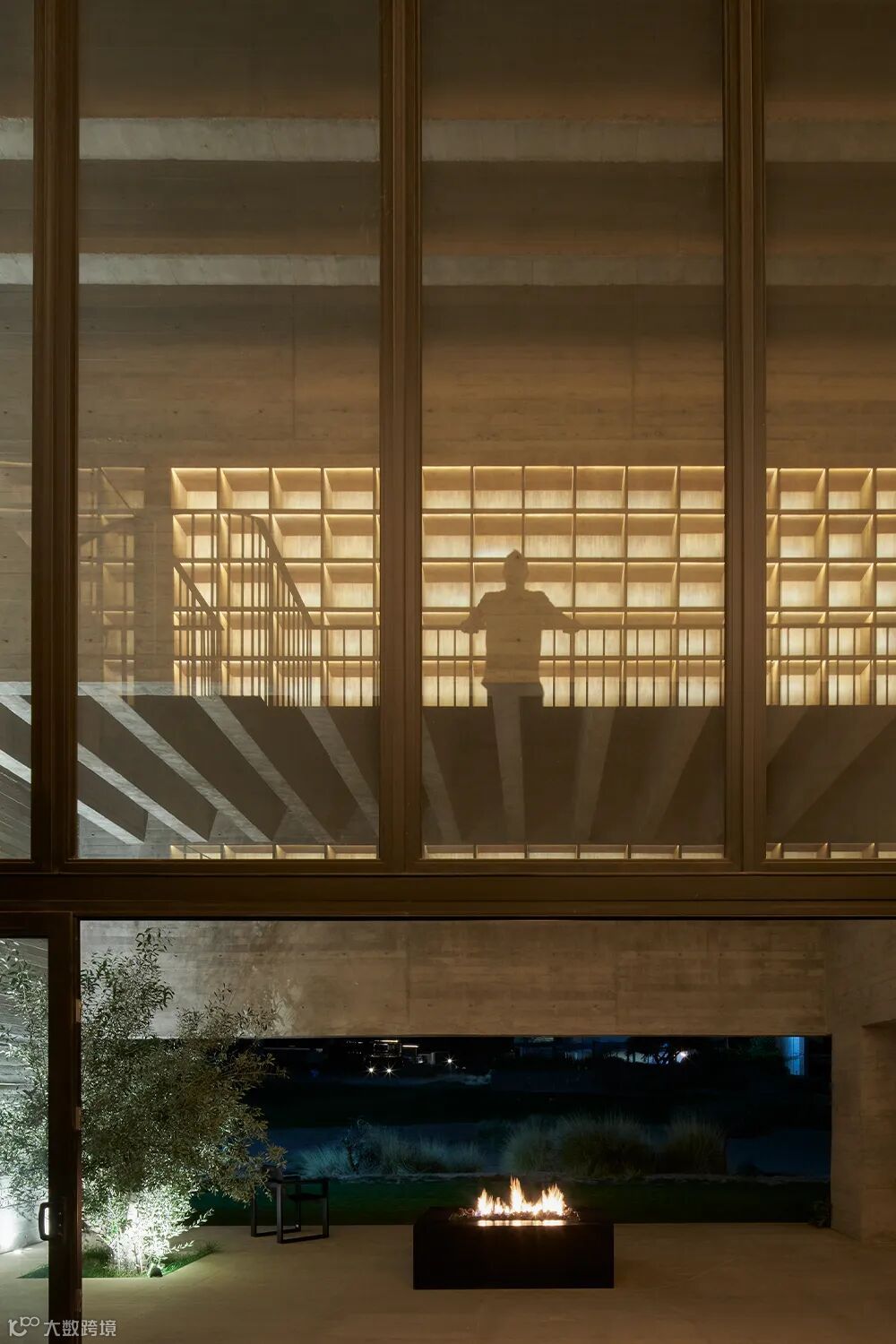
HMZ 住宅坐落于墨西哥 San Luis Potosí 如画的高尔夫球场景观中,它突破了传统的界限,汲取感官建筑、内在生活与自然元素无缝融合的灵感,成为戏剧美学、宁静氛围与光影之舞在建筑中和谐交融的典范。
Nestled within the picturesque landscapes of a golf course in San Luis Potosí, Mexico, HMZ House transcends conventional boundaries, drawing inspiration from a dedication to sensory architecture, inner life, and the seamless integration of natural elements. This residence stands as a testament to the harmonious fusion of dramatic aesthetics, serene ambiance, and the dance of light within its architectural design.