
The following article is from 拉丁美洲科学与文化 (JLASC)
At the International Science Education Exhibition Zone of the 2025 Beijing International Science Communication Exchange Week, the interactive artificial intelligence project “Biopochito AI” was showcased with the important mission to promote the Science Culture Construction [1a,1b]. Biopochito represents an international joint collaboration between the Andean Road Countries for Science and Technology (ARCST) and the International Green Science Center for Latin America and the Caribbean (IGSCLAC), supported by a team of Latin American and Chinese experts, including Prof. Mary Luz Ojeda, Prof. Jose Gabriel Pérez, Olivia Shaw, Ricardo Ignacio Valencia, Andrés Soliz, Erik Pérez, Rodrigo Ventura, He Jinting, Ma Chengling, Anne, Li Junbin, Wang Mengmeng, Zhou Xingxing, and Wang Chenhan, as well as the iGEM Polygone team in close collaboration with Prof. Dr. Marco A. Cabero.
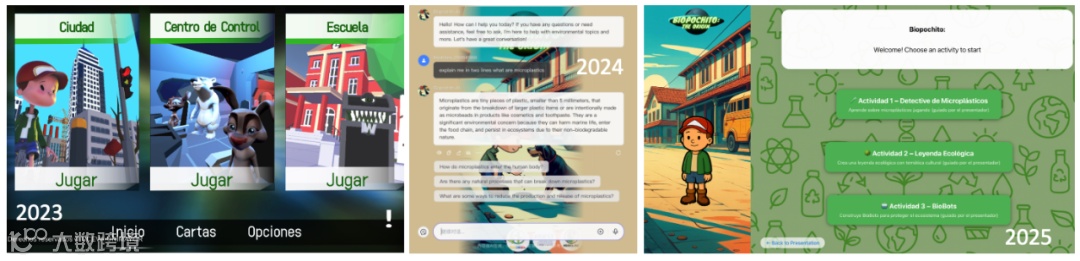
Fig. 1.- Evolution of Biopochito: the original 2023 version and its subsequent upgrades to Biopochito AI in 2024 and 2025, developed collaboratively by the International Green Science Center for Latin America and the Caribbean (IGSCLAC) and the Andean Road Countries for Science and Technology (ARCST).
The Biopochito AI experience invited children to explore environmental science through an interactive, story-driven platform. Participants engaged in hands-on activities that combined investigation, creativity, and cultural storytelling, encouraging them to think like scientists and engineers while addressing real-world ecological challenges.
Gamified Investigation: Decrypting the "Stealth" of Microplastics
At the booth, children became "Eco-Detectives," guided by "Biopochito AI" to deeply investigate the sources and impacts of microplastics in everyday life. The activity began with "Biopochito" presenting a mission to prompt the young detectives to use their colored clue cards for analysis and responses.
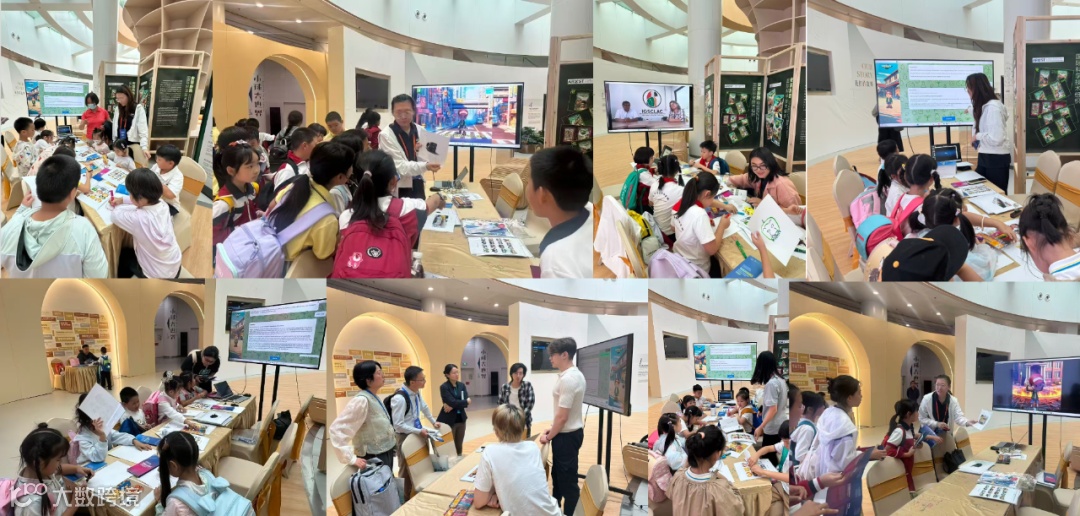 Fig. 2.- In the exhibition area, students engage with an interactive "Biopochito AI" station, using on-screen prompts and colored task cards to become microplastic detectives and learn the principles of biodiversity conservation.
From Awareness to Action: Engineering Solutions as Guardians of the Ecosystem
The learning journey then advanced from analysis to creation. In the second part of the activity, the children formed teams to become environmental engineers, tasked with designing and building "BioBots" a small, functional robot prototype using only sustainable and recycled materials. Each team’s BioBot was challenged to address a critical environmental threat, framed through the lens of classical Chinese eco-legends to connect science, culture, and imagination.
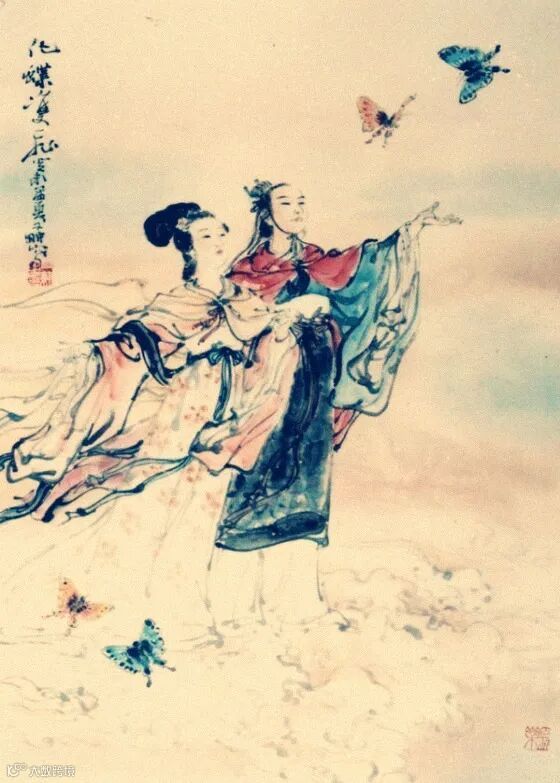
Fig. 3.- Our young scientists and engineers were tasked with aiding the legendary lovers Liang Shanbo and Zhu Yingtai by deploying their Reforestation Biobot. Image Credits: https://www.pinterest.com/pin/77827899781077827/
For instance, inspired by The Silent Mountains from the tragic love story of Liang Shanbo and Zhu Yingtai (the Butterfly Lovers), one team designed a Reforestation BioBot. In the legend, the lovers transform into butterflies, yet today their once-lush mountain home stands barren and silent—its trees cut down, leaving birds and butterflies without shelter. The BioBot’s mission was to restore vitality by planting seeds, watering saplings, and protecting young trees, helping bring the butterflies back to their home. This responds to deforestation-linked impacts, which contribute to nearly 1 million deaths annually through ecological collapse, food insecurity, and climate-driven disasters [2].
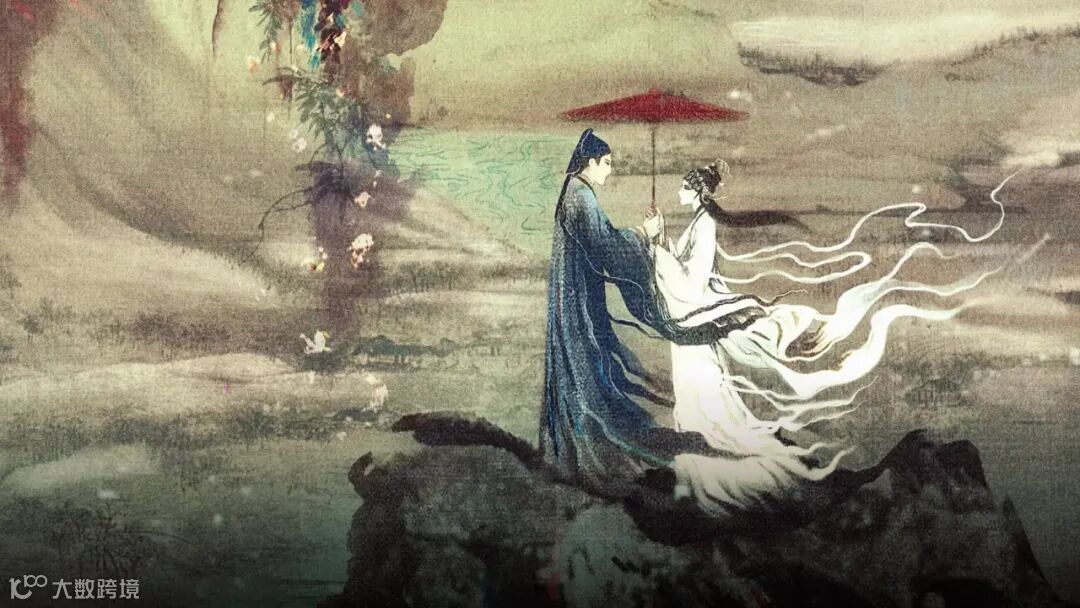
Fig. 4.- Our young scientists and engineers were tasked with aiding Bai Suzhen and Xu Xian in restoring the waters of Hangzhou's West Lake. with their The Water Cleaner BioBot. Image Credits: https://shaolin-kungfu.com/chinese-legends/
Another group built a Water Cleaner BioBot, inspired by The Cloudy Waters from the Legend of the White Snake, where the spirit Bai Suzhen once lived beside a beautiful, life-giving lake. In the modern retelling, this lake has become cloudy and polluted—fish are dying, ecosystems are collapsing, and magical creatures cannot survive. The BioBot was tasked with skimming trash, filtering dirty water, and neutralizing pollutants, echoing Bai Suzhen’s guardianship of the waters. This innovation tackles the global water pollution crisis, which causes approximately 1.8 million deaths each year [3].
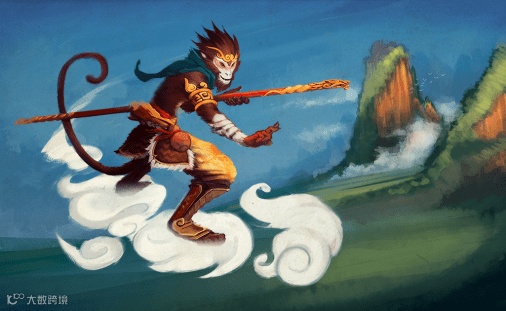
Fig. 5.- Our young scientists and engineers were tasked with aiding the legendary Monkey King design a specialized Air Cleaner BioBot for his mission. Image Credits: https://journeytothewestresearch.com/2019/12/19/archive-12-huineng-subhuti-and-monkeys-religion-in-xiyou-ji/
A third project drew from The Smoggy Realm, tied to the adventures of the Monkey King, Sun Wukong, who once soared above the skies on magical clouds. Today, his kingdom lies buried under dense, toxic smog; the air is unbreathable, visibility is lost, and communities suffer. To assist him, the team designed an Air Cleaner BioBot capable of removing PM2.5 particles, dispersing smog, and monitoring air quality to protect human health. This worK addresses air pollution, responsible for an estimated 7.8 million premature deaths annually [4].
Together, these story-based science missions helped children use their creativity to solve problems and showed why protecting the environment is so important. For example, the number of people who die each year from air pollution is almost the same as the total number of people who died from COVID-19 over five years [5].
An important part of the activity was the interaction between the children and Biopochito AI. The platform gave them the chance to ask many questions, not only about how to design and improve their own BioBots but also about the real environmental problems in the three stories. Some children were curious about how a robot could plant and protect young trees, connecting it to the Butterfly Lovers story where the mountains had become silent and bare. Questions included: “Can my robot grow a forest faster?” and “How will the BioBot know which trees are safe to plant here?”
Others asked detailed questions about cleaning polluted rivers and lakes, inspired by Bai Suzhen from the Legend of the White Snake. They wondered: “What happens if the water gets dirty again after my robot cleans it?” and “Can a BioBot make the fish healthy, too?”
Many were especially interested in the Monkey King’s smoggy kingdom. They wanted to know how an Air Cleaner BioBot could really help people breathe better, asking questions such as: “How can my robot catch something as small as air dust?” and “Can it tell us if the air is safe before we go outside?”
These conversations showed how naturally children combined imagination with science. By linking legends they already knew to real-world problems, Biopochito AI helped them think like young scientists and engineers. The questions also reflected their growing awareness that the challenges of deforestation, polluted water, and dirty air are not just stories, but real issues affecting millions of people today.
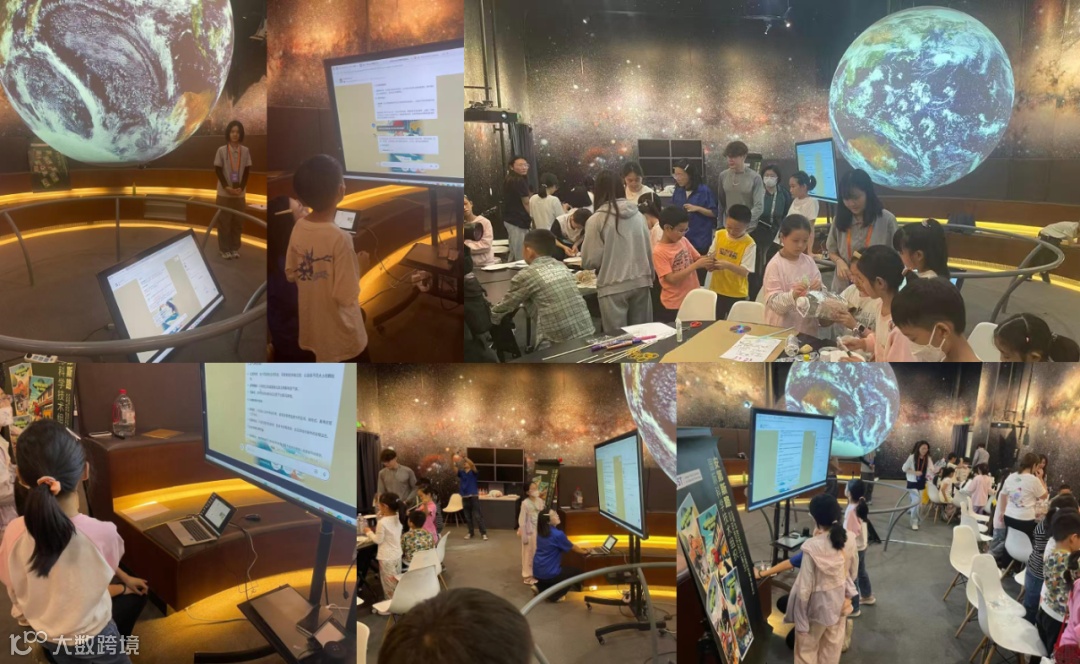
Fig. 6.- Children interacting with Biopochito AI, asking questions about their BioBots’ design and missions, as well as the environmental challenges inspired by Chinese eco-legends.
Using a kit of simple materials like cardboard, bottle caps, and other recycled materials, the teams designed, built, and presented their creative solutions. This hands-on, project-based module reinforced the scientific concepts discovered with Biopochito AI by challenging participants to apply them in a tangible way. The activity not only stimulated creativity and problem-solving skills but also empowered the children, transforming them from informed detectives into active "Guardians of the Ecosystem" with the agency to design a greener future.
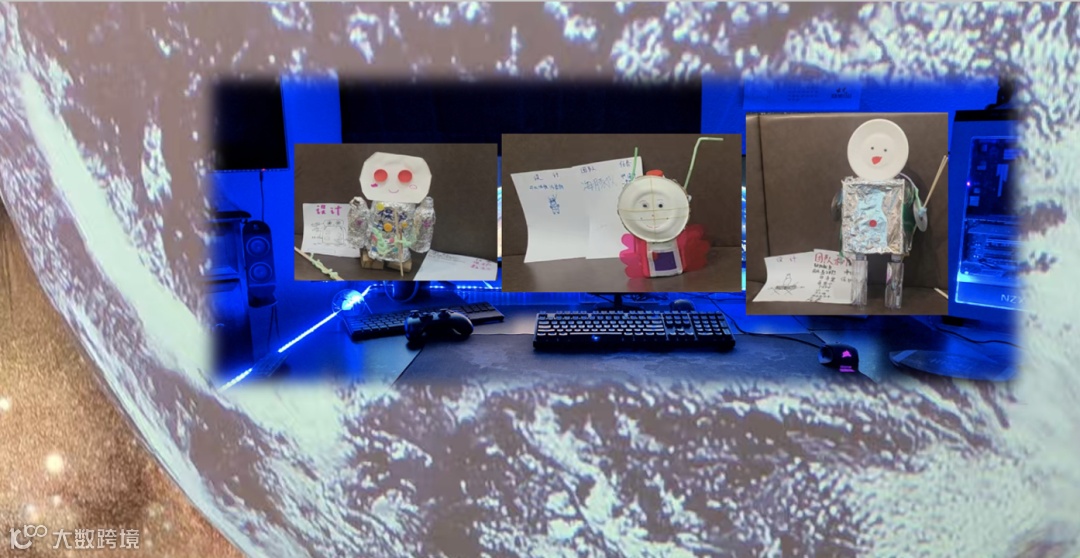
Fig. 7.– The three BioBots after completing their missions. Each team presented their designs, explaining the function of each component and how their BioBot could address the specific environmental problem.
Biopochito AI is an innovation in science communication. By combining "AI guidance + gamified narrative + physical interaction," it transformed environmental science education into an engaging exploratory mission. This approach allowed young participants to deeply understand the importance of sustainable development through fun interaction, offering a fresh perspective and inspiration for how global science education can effectively address real-world issues promoting the scientific spirit.
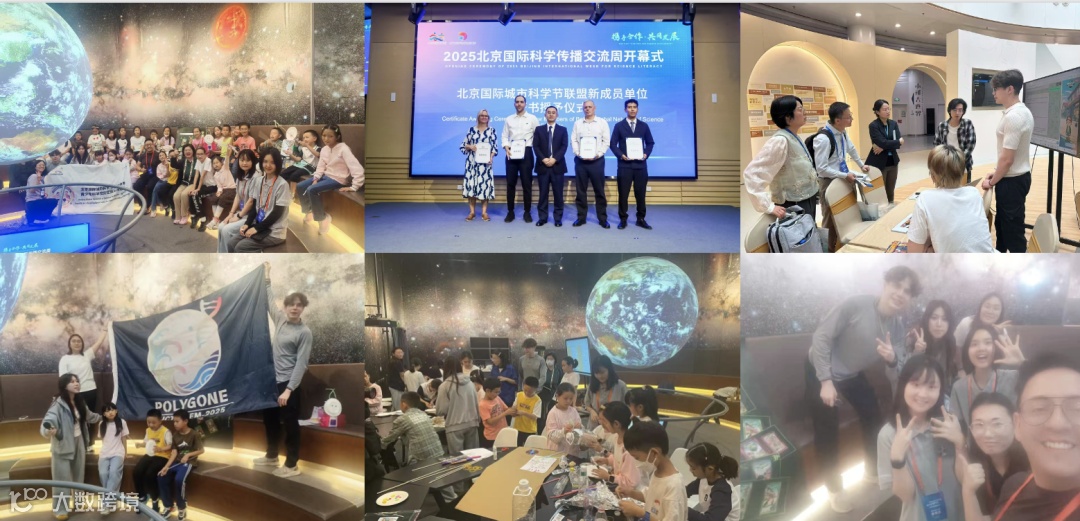 Fig. 8.– Presentation of Biopochito at the Science on Sphere showroom of the Beijing Science Center (BSC). Members of ARCST, IGSCLAC, and Polygone participated both online and onsite to co-create the Biopochito AI experience.
We would like to extend our heartfelt thanks to the organizers and everyone who made it possible for Biopochito AI to share the Green Science Culture Construction at the Beijing Science Center in China. Your support, collaboration, and dedication allowed this educational and cultural experience to reach new audiences and inspire countless young minds. We look forward to continuing this journey together and hope to see you again next year!
Sowing the Seeds of Science.
References
[1a] https://journalasc.org/2024/07/25/biopochito/
[1b] https://journalasc.org/blog/igsan/scc/
[2] https://www.nrdc.org/stories/water-pollution-everything-you-need-know
[3] https://www.theguardian.com/environment/2025/aug/27/deforestation-has-killed-half-a-million-people-in-past-20-years-study-finds
[4] https://www.unicef.org/press-releases/air-pollution-accounted-81-million-deaths-globally-2021-becoming-second-leading-risk#:~:text=More%20than%2090%20per%20cent,obstructive%20pulmonary%20disease%20(COPD).
[5] https://ourworldindata.org/grapher/cumulative-covid-deaths-region?time=2020-01-12..2021-06-11
Editors: Bernard, Dinglan, Karol, Sunny, Miroslava.
Join Mega Science!