The following article is from 拉丁美洲科学与文化 (JLASC)

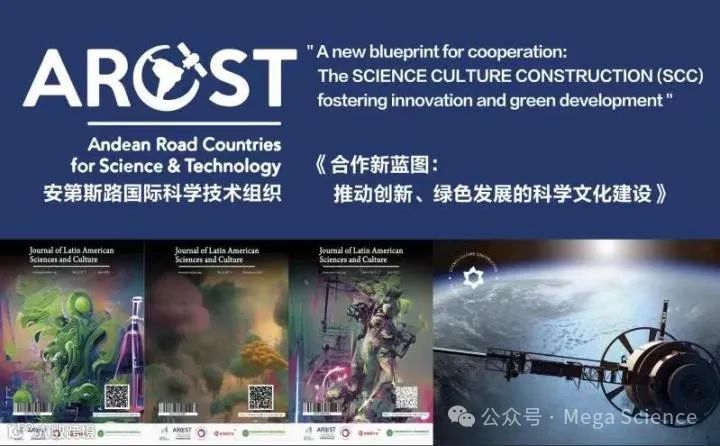
Fig 1. Artistic version of The power of knowledge and science culture by ARCST
If you have a sandwich and I have a euro, and we trade them, you’ll end up with the euro and I’ll have the sandwich. The material changes hands, but it doesn’t multiply. What one gains, the other loses. That’s simple economics.
But there’s another kind of exchange, one that doesn’t follow those rules.
If you know the Pythagorean theorem, or a poem by Neruda, or a scientific insight about biodiversity, and you decide to share it with me, something extraordinary happens: you still have it… and now I do too. Knowledge, when shared, doesn’t divide; it multiplies. Culture, and especially scientific culture, doesn’t get used up. It doesn’t break apart like a coin or disappear like a piece of bread. It expands, takes root, and grows in the minds of those who hear it, read it, or understand it.
Michel Serres said it beautifully: “Unlike an object, which is used up as it is consumed, an idea or a story proliferates as it is transmitted.” It’s a simple idea, yet deeply transformative.
Because sharing ideas, data, theories, or discoveries doesn’t impoverish anyone. On the contrary, it enriches us all. And building a robust and shared scientific culture is one of the most powerful things a society can do. Promoting science culture isn’t just about spreading facts; it’s about empowering citizens to think critically, act responsibly, and shape the world around them. In times of global challenges, such as climate change, pandemics, and the energy transition, a shared scientific understanding is not a luxury; it is a collective necessity.
To construct a culture of science is, in essence, to multiply knowledge, empower people, and weave networks of understanding that will last far beyond ourselves.
Editors: Landing, Carlos, Peter.
Join Mega Science!