
大数跨境

【最新中稿作品】电催化双电子氧还原、超高效热管、 3D打印等

【最新中稿作品】电催化双电子氧还原、超高效热管、 3D打印等 中科幻彩
2023-02-28
32
导读:#封面插图设计/TOC/摘要图制作#

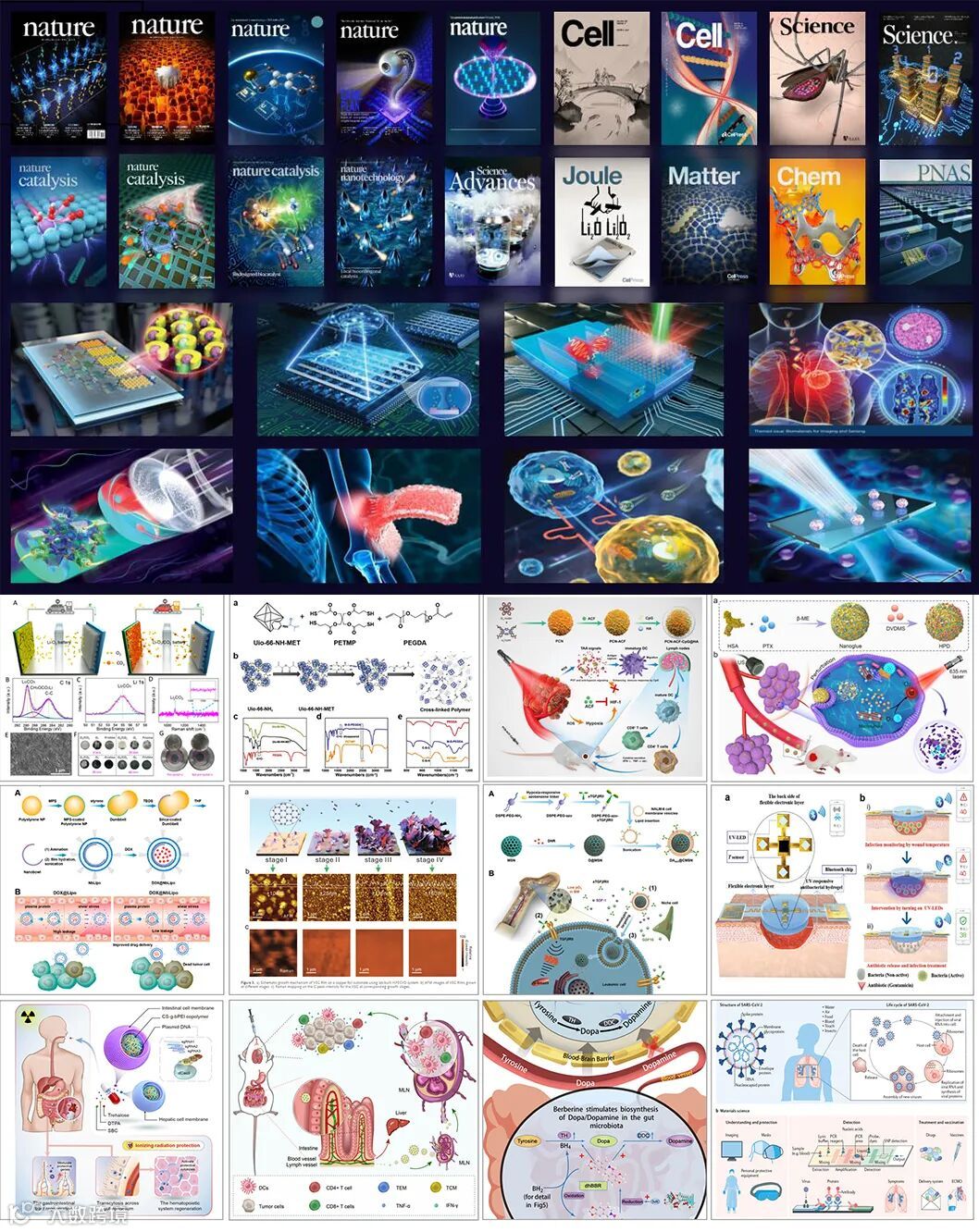
【科研绘图 ➡ 中科幻彩】专业硕博设计师团队,每年超1万个成功案例,让文章轻松“更上一分区”!


中科幻彩充值返现最高数千元!


最新中稿作品解读


标题 

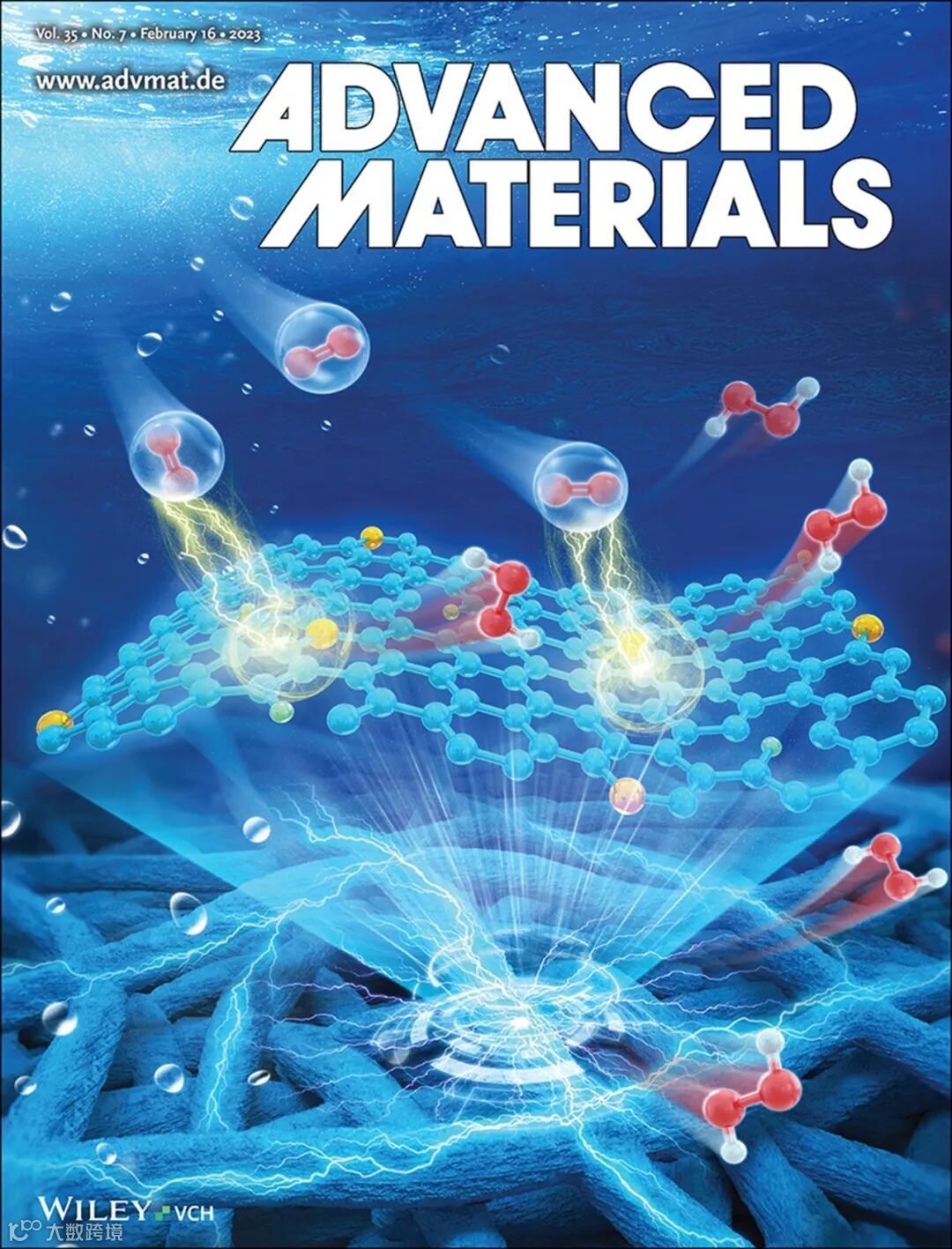
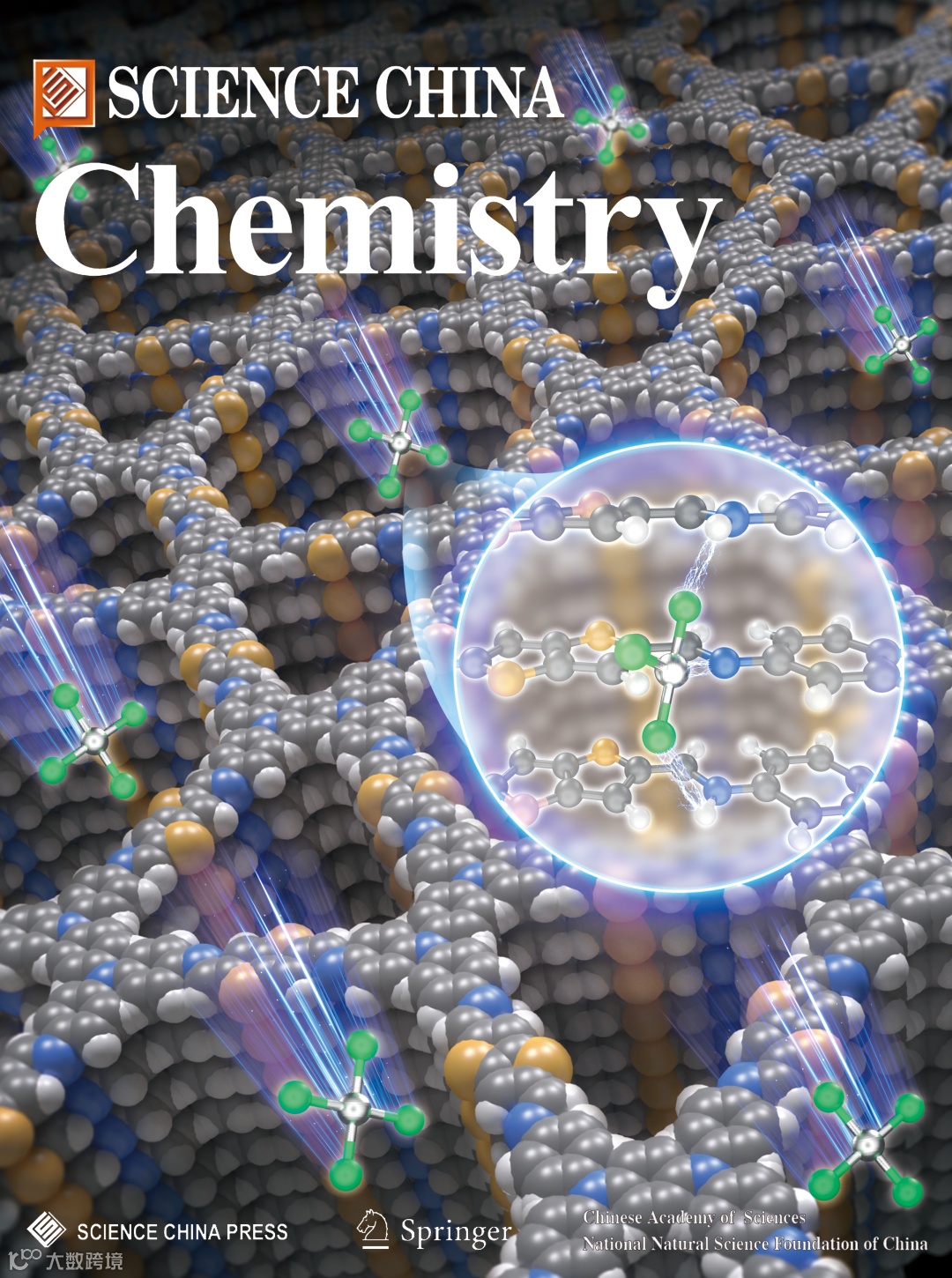
Enhanced Selectivity in the Electroproduction of H2O2 via F/S Dual-Doping in Metal-Free Nanofibers


作者

Fei Xiang, Xuhong Zhao, Jian Yang, Ning Li, Wenxiao Gong, Yizhen Liu, Arturo Burguete-Lopez, Yulan Li, Xiaobin Niu, Andrea Fratalocchi


引用

Adv.Mater.2023, 35, 2208533


DOI


https://doi.org/10.1002/adma.202208533

研究介绍

电催化双电子氧还原(2e−ORR)制过氧化氢(H2O2)在造纸、废水处理、液体燃料生产和公共卫生等多元化领域引起了广泛兴趣。


目前的工作重点是研究具有高活性和选择性的低成本、大规模和可持续的电催化剂。这里一个大规模的H2O2设计了基于无金属碳纤维的氟硫双掺杂策略的电催化剂。


优化的样品产量,具有 0.814 V 的高起始电位,与可逆氢电极 (RHE) 相比,几乎是理想的 2e−途径选择性为99.1%,优于最近报道的大多数碳基或金属基电催化剂。


第一性原理理论计算和实验表明,氟硫双掺杂的分子间电荷转移和电子自旋再分布是提高2e性能的关键因素−奥尔。这项工作为设计和实施可扩展、富含地球、高选择性的H电催化剂打开了大门2O2生产和其他具有工业利益的催化领域。
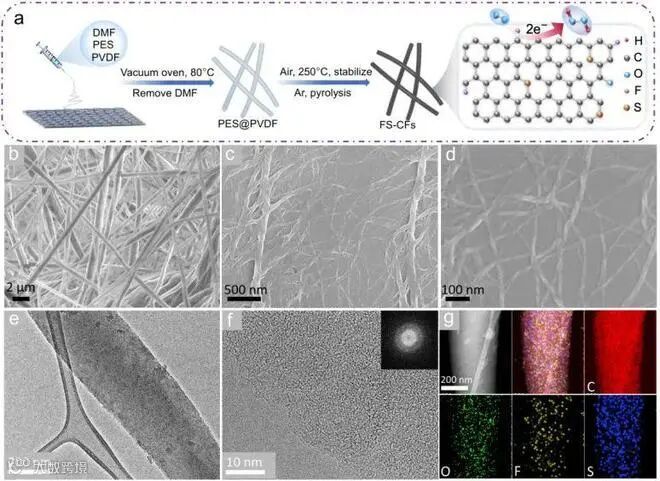


碳纤维催化剂合成示意图以及SEM、TEM表征(来源:Advanced Materials)


中稿封面·一周精选


1


Volume11, Issue4  February 17, 2023

Titel

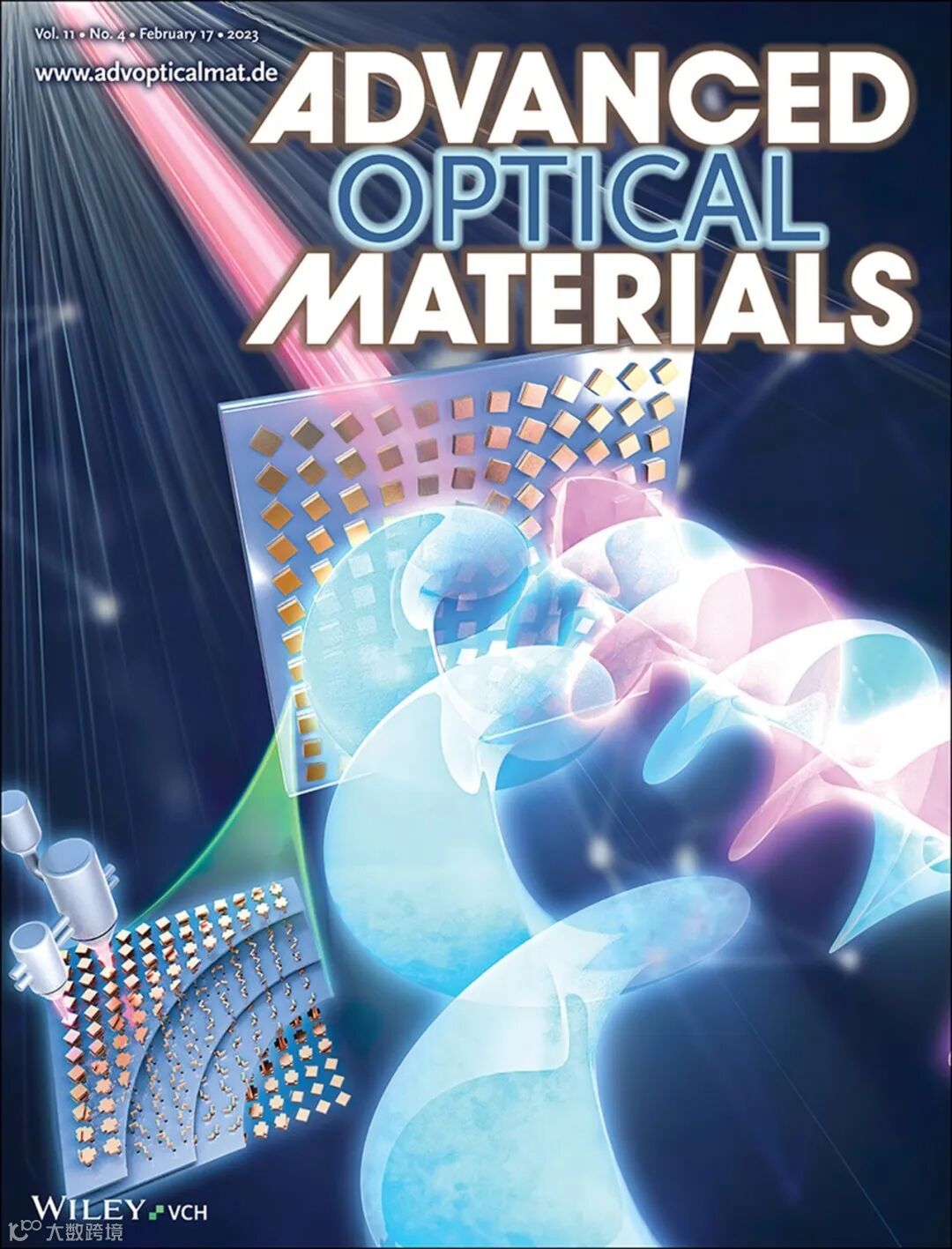
3D Printed Spin-Decoupled Transmissive Metasurfaces Based on Versatile Broadband Cross-Polarization Rotation Meta-Atom


DOI

https://doi.org/10.1002/adom.202370011

Abstract (上下滑动查看)

Spin-decoupled broadband transmissive metasurfaces were implemented with three-dimensional (3D) nine-layer unit cells using additive manufacturing (see article number 2202416 by Jianfeng Zhu, Yang Yang, Fan Wang, and co-workers). The concept of antenna–circuit–antenna was applied to designing the hierarchical 3D metasurfaces to manipulate the electromagnetic wavefronts achieving two spin-decoupled beams efficiently. The proposed meta-atom idea is unique. The demonstrated 3D printing strategy opens a new avenue for designing and fabricating 3D high-performance functional metasurfaces.


2


Volume19, Issue8 February 22, 2023


Titel

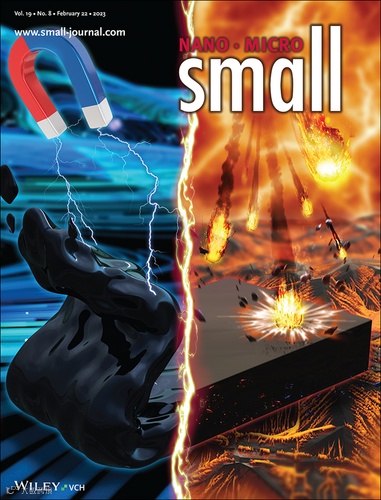
Rheological Tunable Magnetic Fluids with Long-Term Stability


 DOI

https://doi.org/10.1002/smll.202204609


Abstract (上下滑动查看)

Magnetic fluids have advantages such as flow ability and solid-like property in strong magnetic fields, but have to suffer from the tradeoff between suspension stability and flow resistance. In this work, a thermal/photo/magnetorheological water-based magnetic fluid is fabricated by using oleic acid-coated Fe3O4 (Fe3O4@OA) nanoparticles as the magnetic particles and the amphiphilic penta block copolymer (PTMC-F127-PTMC)-based aqueous solution as the carrier fluid. Due to the hydrophobic self-assembly between Fe3O4@OA and PTMC-F127-PTMC, the Newtonian-like magnetic fluid has outstanding long-term stability and reversible rheological changes between the low-viscosity flow state and the 3D gel structure. In the linear viscoelastic region, the viscosity exhibits an abrupt increase from below 0.10 Pa s at 20 °C to ≈1.3 × 104 Pa s at 40 °C. Benefitting from the photothermal and magnetocaloric effects of the Fe3O4@OA nanoparticles, the rheological change process also can be controlled by near infrared light and alternating magnetic field, which endows the magnetic fluid with the applications in the fields of mobile valves, moveable switches, buffer or damping materials in sealed devices, etc.


3


Volume 23, Issue4  February 22, 2023


Titel

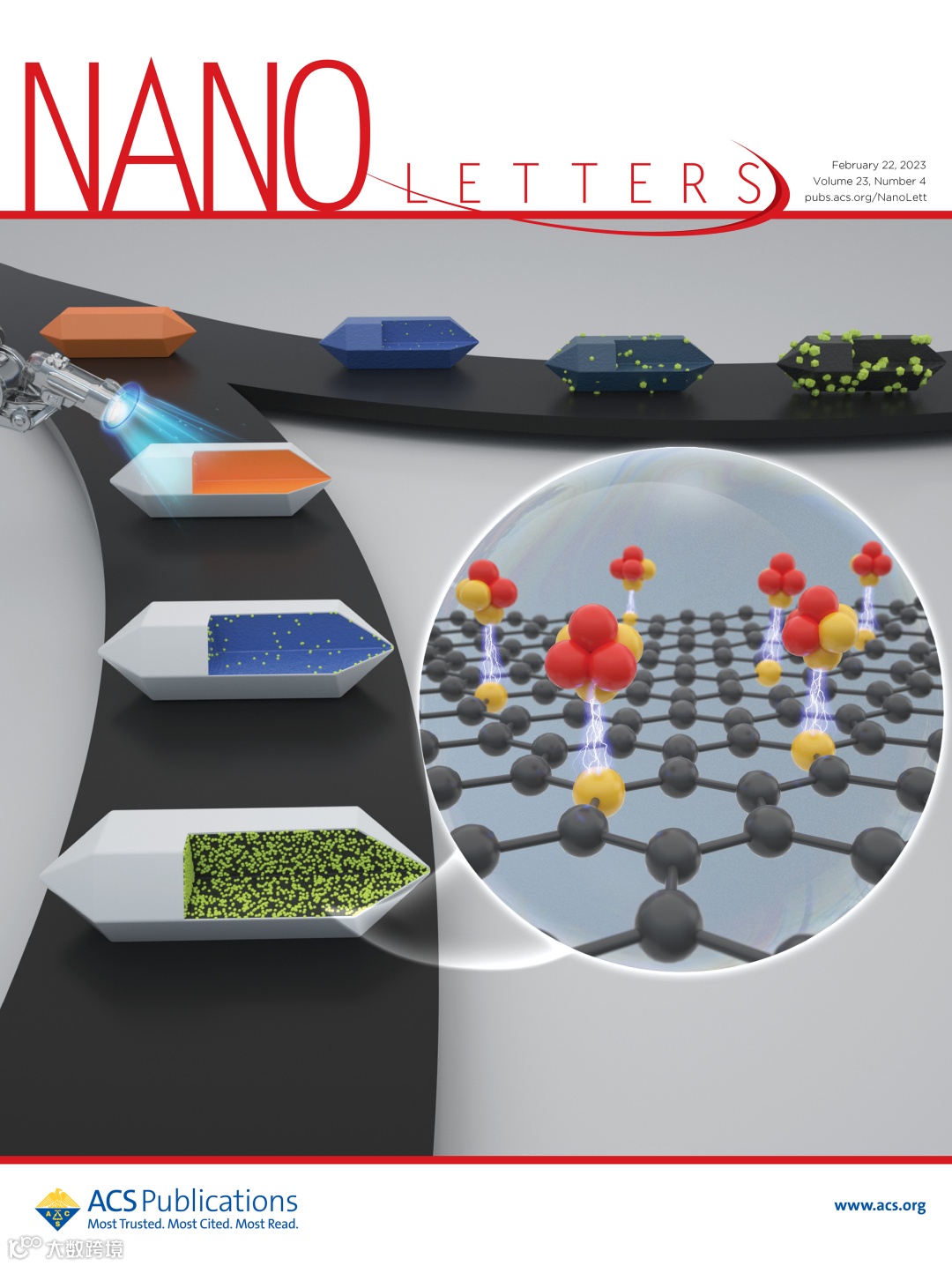
Pseudopyrolysis of Metal–Organic Frameworks: A Synchronous Nucleation Mechanism to Synthesize Ultrafine Metal Compound Nanoparticles


 DOI

https://doi.org/10.1021/acs.nanolett.2c04244

Abstract (上下滑动查看)

Metal–Organic frameworks (MOFs) are increasingly being investigated for the synthesis of carbon-supported metal-based ultrafine nanoparticles (UNPs). However, the collapse of the carbon framework and aggregation of metal particles in the pyrolysis process have severely hindered their stability and applications. Here, we report the synchronous nucleation pseudopyrolysis of MOFs to confine Fe/FeOx UNPs in intact porous carbon nanorods (IPCNs), revealed by in situ transmission electron microscopy experiments and ex situ structure analysis. The pseudopyrolysis mechanism enables strong physical and chemical confinement effects between UNPs and carbon by moderate thermal kinetics and abundant oxygen defects. Further, this strong confinement is greatly beneficial for subsequent chemical transformations to obtain different Fe-based UNPs and excellent electrochemical performance. As a proof of concept, the as-prepared FeSe UNPs in IPCNs show superior lithium storage performance with an ultrahigh and stable capacity of 815.1 mAh g–1 at 0.1 A g –1 and 379.7 mAh g–1 at 5 A g–1 for 1000 cycles.


4


Volume2, Issue1  January 2023


Titel

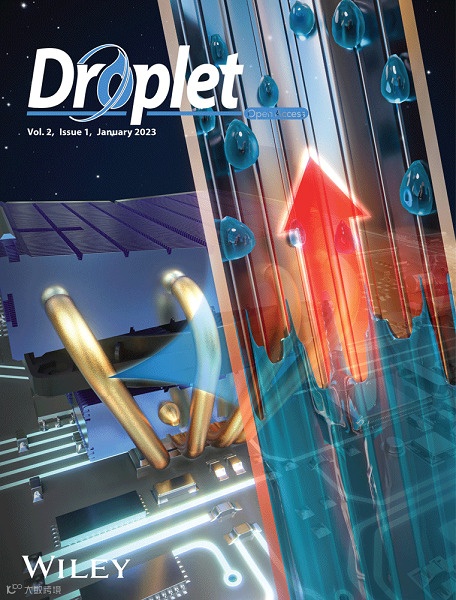
Sustainable dropwise condensation enabled ultraefficient heat pipes


 DOI

https://doi.org/10.1002/dro2.43


Abstract

Heat pipes play a critical role in determining the operations, safety, and energy efficiency of electronics. The main focus to improve the heat pipe performance is on the evaporator design or wicking structures. However, the intrinsic limitation comes from the condenser, which is fundamentally constrained by inefficient filmwise condensation (FWC). In this study, we successfully achieved a peak effective thermal conductivity (keff) of ~140 kW/(m·K) on widely used groove heat pipes by implementing sustianble dropwise condensation (DWC) and integrating with enhanced evaporator. To better understand the working mechanisms of the ultraefficient heat pipe, both the evaporator and condenser of the heat pipes have been modified accordingly. Our results show that up to 296% enhancements on the keff can be achieved under various inclination angles by only inducing DWC in the condenser section. The drawback of temperature fluctuations induced by DWC in smooth heat pipes appears to be effectively solved using the grooves-wicking structure. Furthermore, by integrating the nanostructured evaporator, the keff of the heat pipe can be boosted up to 517% compared to conventional groove heat pipes. This study, for the first time, demonstrates the huge potential of engineering both the condenser and evaporator simultaneously in developing ultraefficient heat pipes.


5


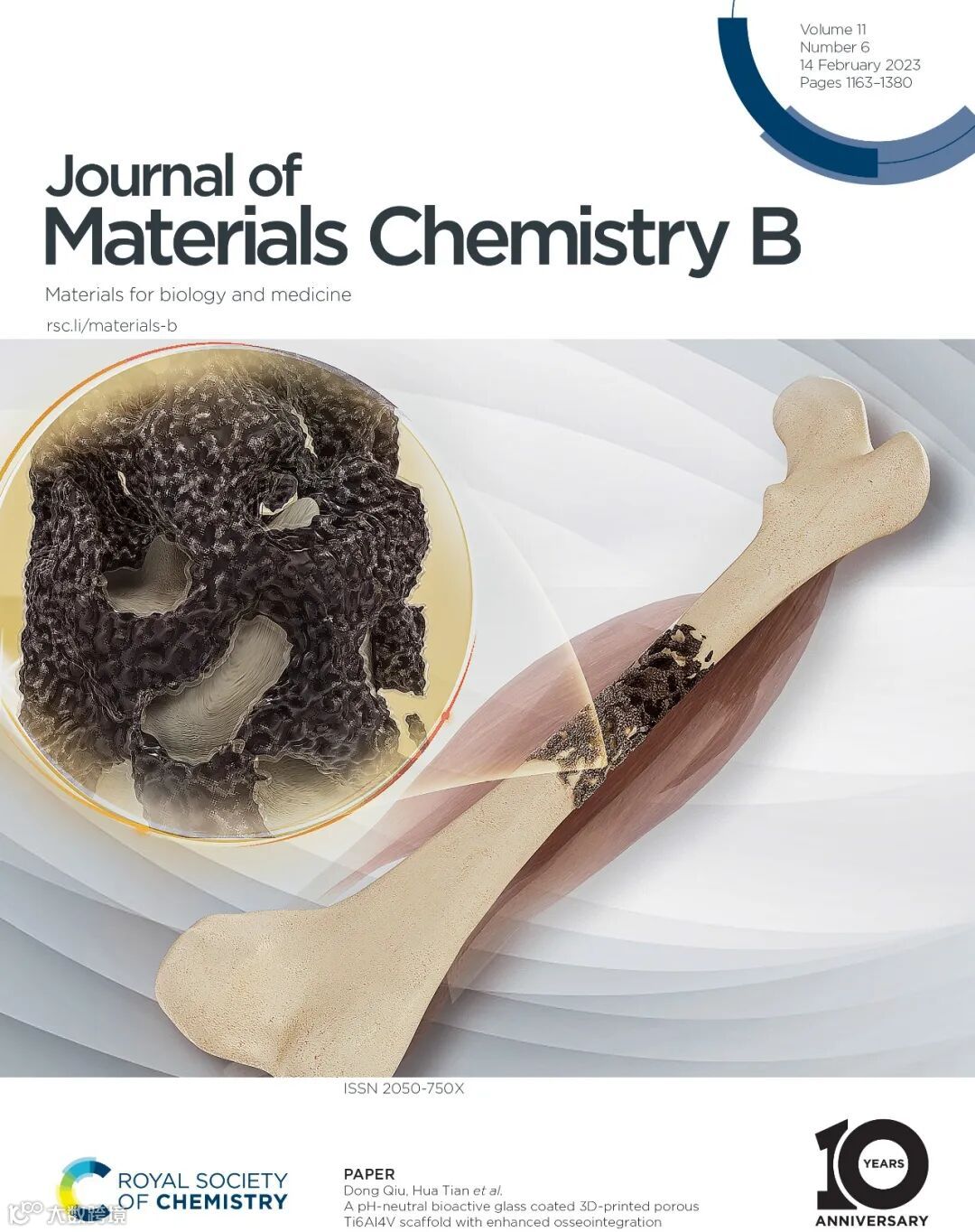
Volume11, Issue6  February14  2023


Titel

A pH-neutral bioactive glass coated 3D-printed porous Ti6Al4V scaffold with enhanced osseointegration


 DOI

https://doi.org/10.1039/D2TB02129C


Abstract

Osseointegration is vital for the success of non-degradable implants like those made of titanium alloys. In order to promote osseointegration, implants are made porous, providing space for bone ingrowth. Despite extensive optimization of the pore geometry and porosity, bone ingrowth into implants is still marginal; further modification to promote bone ingrowth as well as osseointegration becomes paramount. In this study, a pH neutral bioactive glass with the composition of 10.8% P2O5–54.2% SiO2–35% CaO (mol%; hereinafter referred to as PSC) was successfully coated on 3D-printed porous Ti6Al4V scaffolds using an in situ sol–gel method. This PSC coating is strongly bonded to the substrate and quickly induces the formation of hydroxyapatite on the scaffold surface upon contact with body fluid. In vitro, the PSC-coated Ti6Al4V scaffolds showed superior biocompatibility, cell proliferation promotion, cell adhesion, osteogenic differentiation and mineralization compared to their bare counterparts, implying better osseointegration. In vivo experiments confirmed this expectation; after being implanted, the coated scaffolds had more bone ingrowth and osseointegration, and consequently, higher push-out strength was achieved, proving the validity of the proposed concept in this study. In conclusion, PSC coating on 3D-printed porous Ti6Al4V scaffolds can improve osteogenesis, bone ingrowth, and osseointegration. Together with the versatility of this in situ sol–gel coating method, titanium alloy implants with better biological performances may be developed for immediate clinical applications.


6


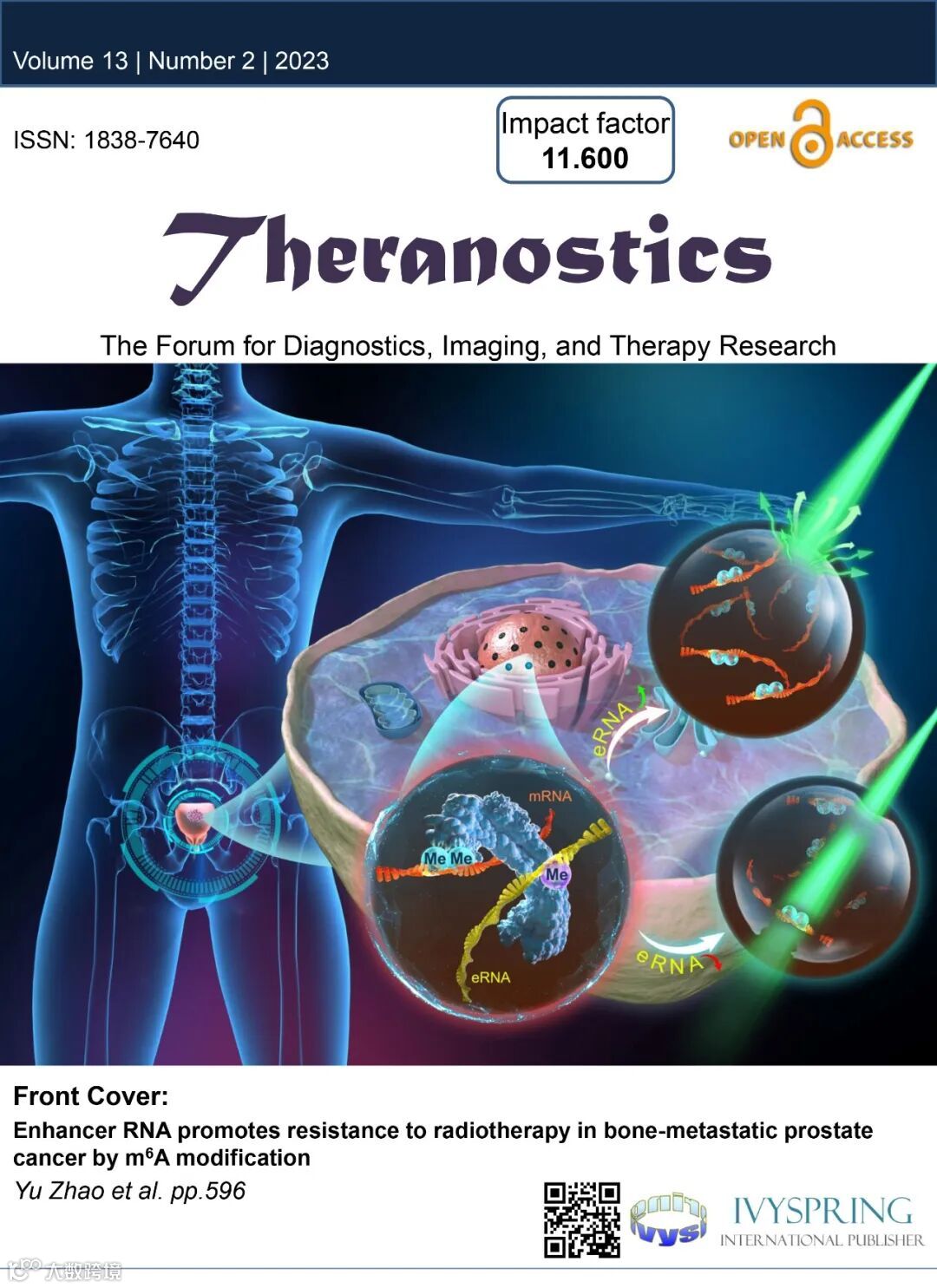
Volume13, Issue2  2023


Titel

Enhancer RNA promotes resistance to radiotherapy in bone-metastatic prostate cancer by m6A modification


DOI

https://doi.org/10.7150/thno.78687

Abstract (上下滑动查看)

Rationale: Prostate cancer metastasizes to the bone with the highest frequency and exhibits high resistance to 177Lu-prostate-specific membrane antigen (PSMA) radioligand therapy. Little is known about bone metastatic prostate cancer (mPCa) resistance to radiation.

Methods: We filtered the metastatic eRNA using RNA-seq, MeRIP-seq, RT-qPCR and bioinformation. Western blot, RT-qPCR, CLIP, co-IP and RNA pull-down assays were used for RNA/protein interaction, RNA or protein expression examination. MTS assay was used to determine cell viability in vitro, xenograft assay was used to examine the tumor growth in mice.

Results: In this study, we screened and identified bone-specific N6 adenosine methylation (m6A) on enhancer RNA (eRNA) that played a post-transcriptional functional role in bone mPCa and was correlated with radiotherapy (RT) resistance. Further data demonstrated that RNA-binding protein KHSRP recognized both m6A at eRNA and m6Am at 5'-UTR of mRNA to block RNA degradation from exoribonuclease XRN2. Depletion of the MLXIPe/KHSRP/PSMD9 regulatory complex inhibited tumor growth and RT sensitization of bone mPCa xenograft in vitro and in vivo.

Conclusions: Our findings indicate that a bone-specific m6A-modified eRNA plays a vital role in regulating mPCa progression and RT resistance and might be a novel specific predictor for cancer RT.

Keywords: Bone metastatic prostate cancer, m6A, Enhancer RNA, m6Am, Radiotherapy.


7


Volume 12, Issue 17  2022


8


01 February 2023, Issue 2

Titel

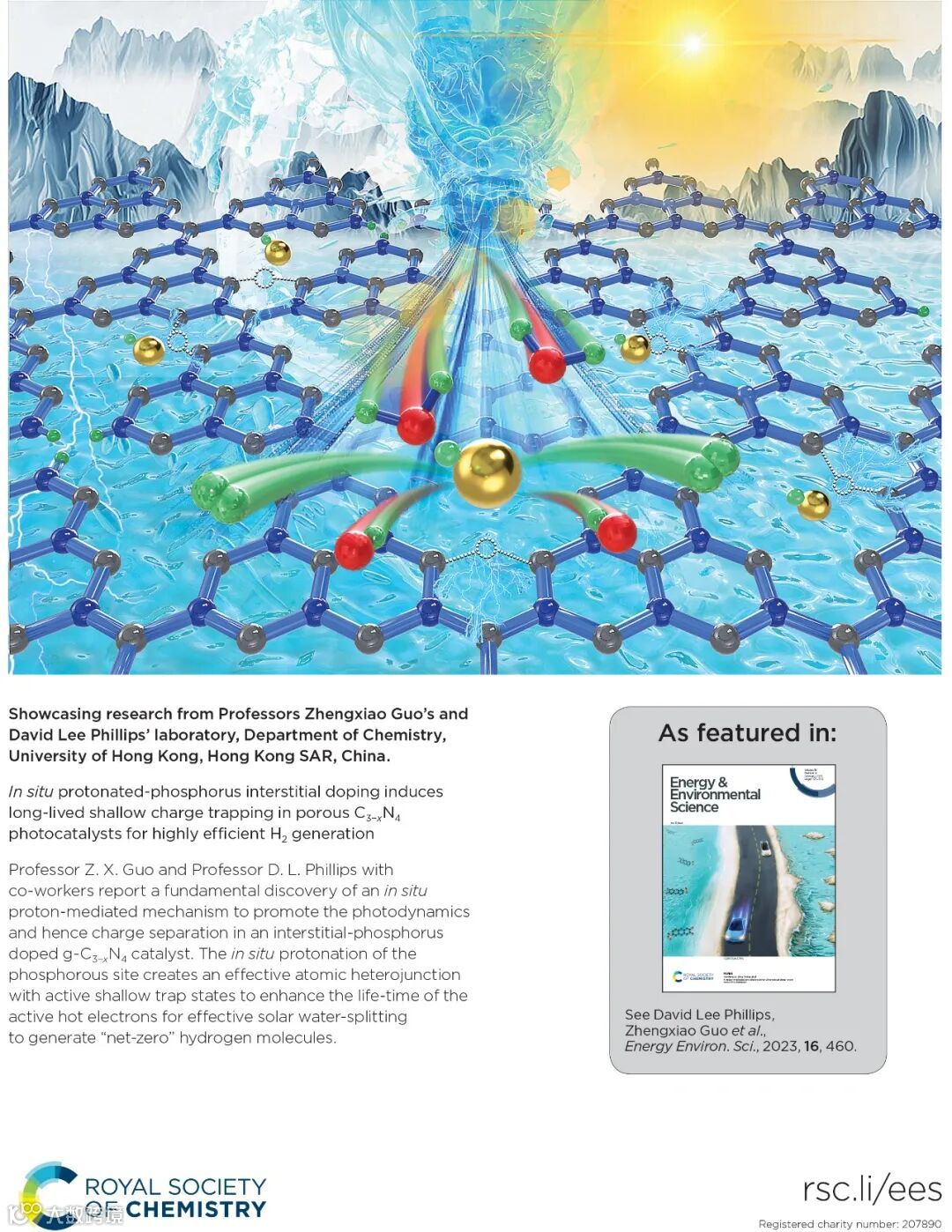
A redox-mediated zinc electrode for ultra-robust deep-cycle redox flow batteries


 DOI

https://doi.org/10.1039/D2EE02402K

Abstract

Zinc-based redox flow batteries are regarded as one of the most promising electricity storage systems for large-scale applications. However, dendrite growth and the formation of “dead zinc” at zinc electrodes particularly at high current density and large areal capacity impede their long-term operation. Here, we report redox-mediated zinc chemistry along with extensive kinetics studies to adequately address these issues under alkaline conditions. A phenazene derivative, 7,8-dihydroxyphenazine-2-sulfonic acid, which is used as the redox mediator in the anolyte, can effectively react with the “dead zinc” and recover the lost capacity, thus leading to drastically enhanced cycling stability. Based on this strategy, alkaline zinc–iron flow batteries using zinc as the anode and ferricyanide as the catholyte active species demonstrated extraordinary cycling performance at high zinc loading of up to 250 mA h cm−2 and near unity utilization. Particularly, a cell with 152 mA h cm−2 zinc areal capacity could operate at near 100% depth of discharge and a current density of 50 mA cm−2 for more than 1500 hours with a capacity fading rate of 0.019% per day (0.0048% per cycle). We believe that this work provides a credible way to ultimately address the “dead zinc” issue for ultra-robust and deep-cycle zinc-based redox flow batteries.


如果您的中稿作品也需要宣传推广

请联系小编

TEL:17686689807(微信同号)

QQ:3010463275


全面提升文章质量

科研成果需要更加高大上的包装

中科幻彩长期致力于科研成果的可视化表达

可提供配图设计原理动画展示

全方位设计服务

为中国科研进步助力添彩!

封面/插图设计

科学动画制作

具体业务介绍请戳图片链接或详见后文

#文末还有免费绘图教程#

扫描下方二维码回复“绘图教程”

获取科研绘图教程资源

北京中科幻彩动漫科技有限公司

论文插图封面设计,科学动画,科研绘图培训,有限元模拟培训,R语言培训,SPSS培训,统计分析、作图排版与图像处理培训,PPT美化,医学插画,宣传片

http://www.zhongkehuancai.com

北京市海淀区中关村东路89号恒兴大厦

【声明】内容源于网络
0
0
中科幻彩
北京中科幻彩动漫科技有限公司是中科院化学所和北京大学博士创立的动画影视设计公司,主营论文插图封面设计,科学动画,科研绘图培训,有限元模拟及培训,PPT美化,医学插画,宣传片等。
内容 814
粉丝 0
中科幻彩 北京中科幻彩动漫科技有限公司是中科院化学所和北京大学博士创立的动画影视设计公司,主营论文插图封面设计,科学动画,科研绘图培训,有限元模拟及培训,PPT美化,医学插画,宣传片等。
总阅读1.1k
粉丝0
内容814