

Improving the energy efficiency of ships
In order to reduce shipping's impact on climate change, IMO has started in the early 2000s to consider technical and operational measures to improve the energy efficiency of ships.
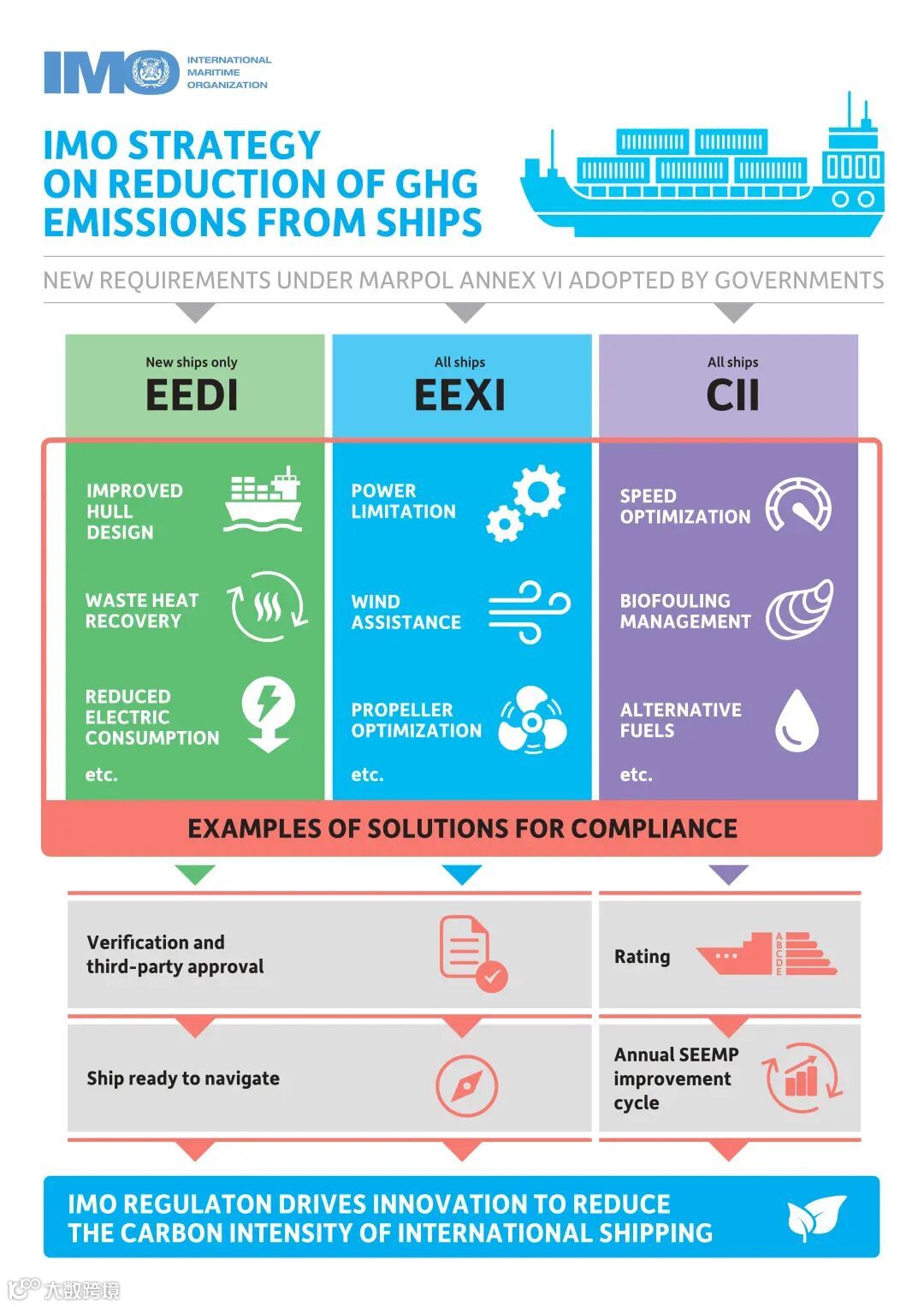
In 2011, IMO adopted amendments to MARPOL Annex VI to mandate technical and operational energy efficiency measures to reduce the amount of CO2 emissions from international shipping.
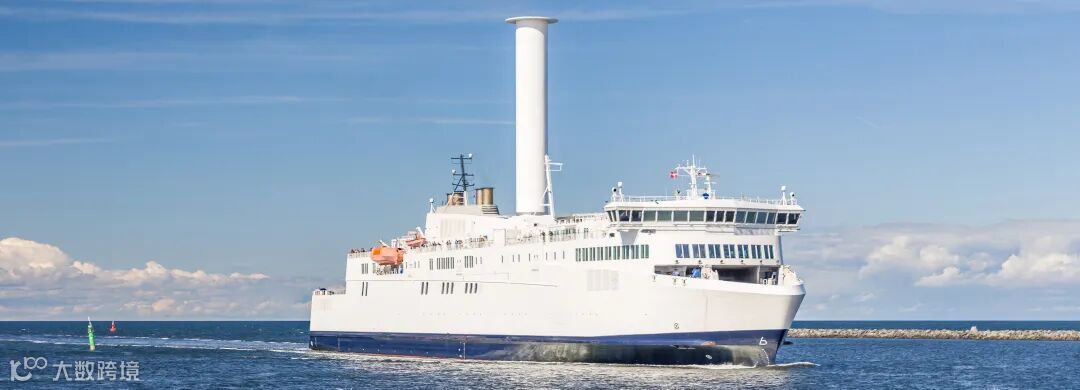
The Energy Efficiency Design Index (EEDI) and the Ship Energy Efficiency Management Plan (SEEMP) entered into force on 1 January 2013. Those measures represent the first global mandatory GHG-reduction regime for an international industry sector and have been driving energy efficiency improvements across the global fleet for more than a decade. Goal-based and technology-neutral regulations have incentivized the use of energy-efficient technologies such as hull air lubrication, wind assisted propulsion, waste heat recovery, etc.
IMO Member States have adopted further energy efficiency measures in 2021 to reduce the carbon intensity of international shipping by at least 40% in 2030 compared to 2008.
Continuous improvements in the energy efficiency of shipping remains crucial, and will help to absorb the extra cost of alternative low- and zero-carbon fuels.
提升船舶能效
为了减少航运业对气候变化的影响,国际海事组织(IMO)自21世纪初就开始考虑采取技术和营运性措施来提升船舶的能效。
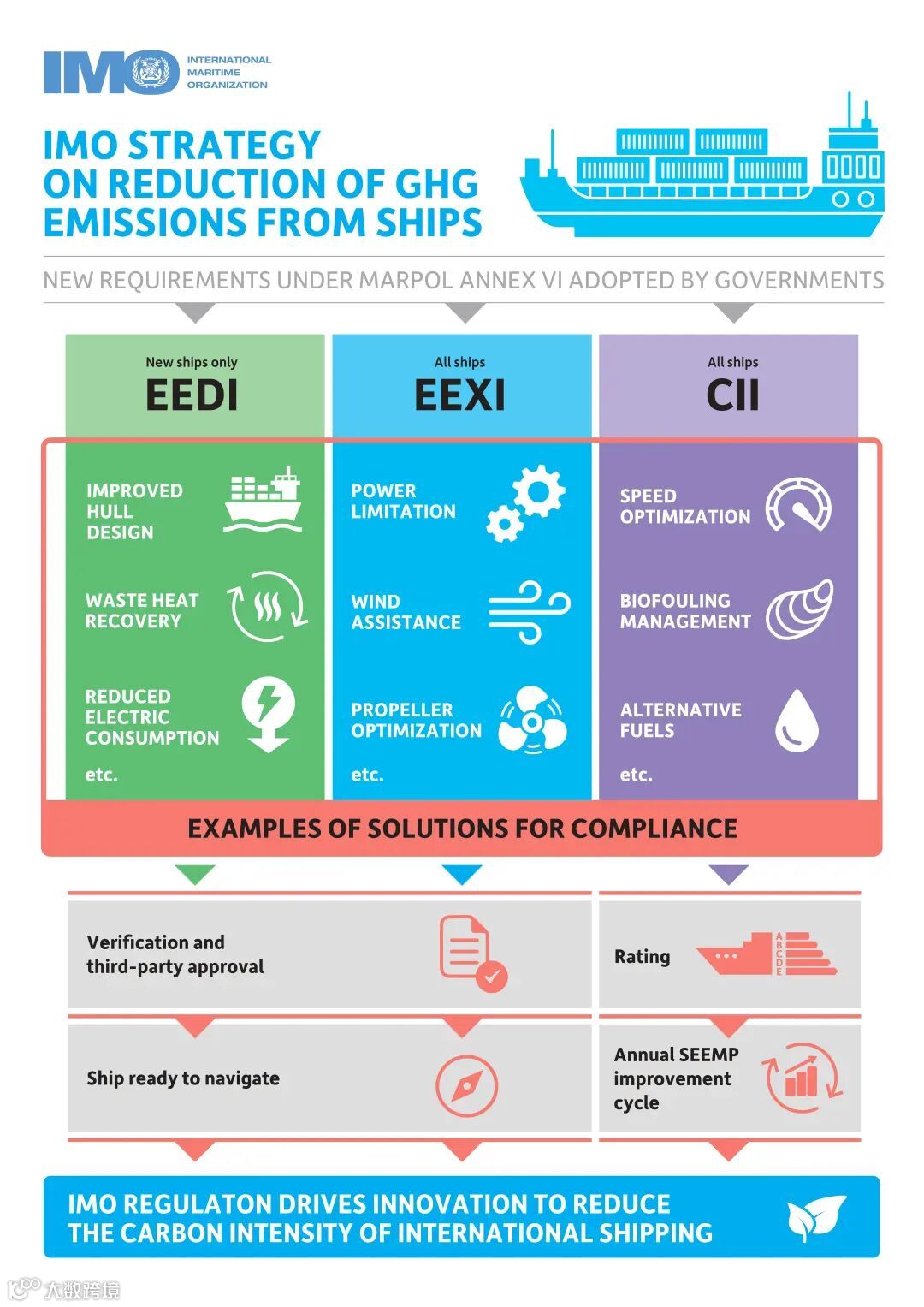
2011年,IMO通过了MARPLO附则VI的修正案,强制要求实施技术和营运性能效措施,以减少国际航运的二氧化碳排放量。
能效设计指数(EEDI)和船舶能效管理计划(SEEMP)于2013年1月1日生效。这些措施代表了首个针对国际性行业部门的全球强制性温室气体减排制度,并在过去十多年里持续推动着全球船队的能效提升。基于目标且技术中立的法规激励了节能技术的应用,例如船体空气润滑、风力辅助推进、废热回收等。
IMO成员国于2021年通过了进一步的能效措施,旨在到2030年将国际航运的碳强度较2008年水平至少降低40%。
不断提高船舶能效仍然至关重要,并将有助于吸收替代性低碳和零碳燃料的额外成本。
***