



With the scorching summer heat, many people experience excessive internal heat ("heart fire" in TCM), leading them to discontinue various health supplements. This is primarily because summer easily triggers internal heat, making some warming tonics unsuitable. So, if you want to nourish your body in the summer, are there other options? You might consider Reishi mushroom.
Since ancient times, Reishi has been revered as the "medicine of a hundred diseases." Its properties are described as "mild in nature, non-toxic," and "safe for long-term consumption," making it an excellent choice for summer use. Reishi helps to tonify qi and calm the spirit without causing internal heat. It can also be paired with other ingredients for soups or traditional formulations.
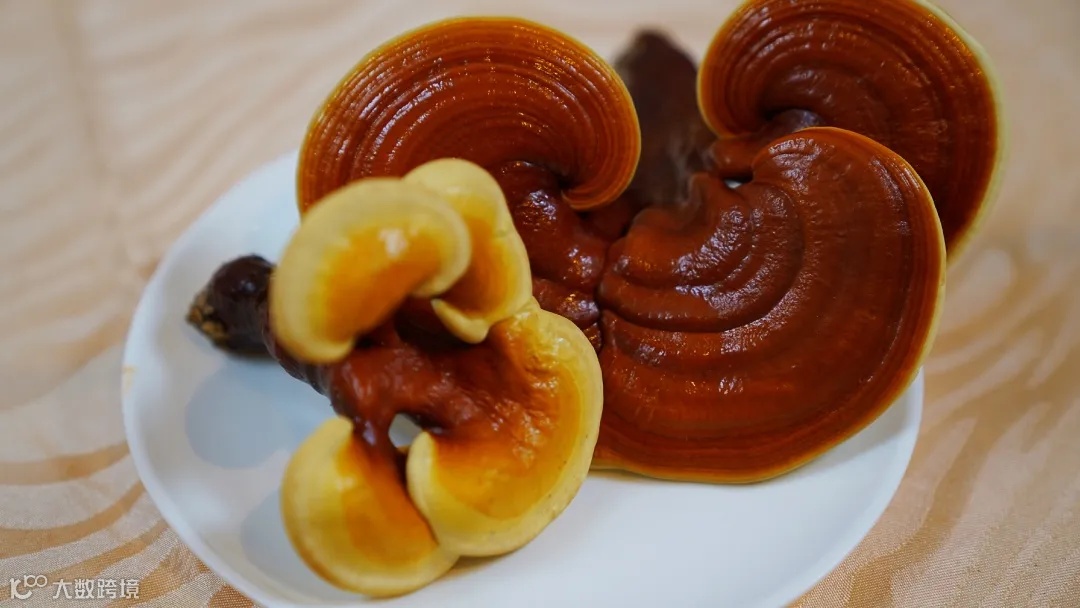
What Are the Benefits of Consuming Reishi During the Hot Summer?
During the intense summer heat, our bodies are prone to various sub-health issues. Although there aren't obvious diseases, we might feel fatigued, lack energy, or experience anxiety. Reishi excels in its comprehensive regulation of the body, helping to improve sub-health conditions.
1. Reishi Helps to "Nourish the Heart and Calm the Spirit."
Our ancestors emphasized nourishing the heart in summer, and Reishi has significantly contributed to this "heart-nourishing" domain.
Ancient texts like Shennong Ben Cao Jing (The Divine Farmer's Materia Medica) mention Reishi "tonifies liver qi and calms the essence and spirit." The Chinese Pharmacopoeia lists Reishi's effects as "reinforcing qi to calming the mind, and relieving cough and panting." Both highlight Reishi's role in regulating the heart and spirit and its benefits for sleep.
Today's pharmacological research also confirms that Reishi's treatment of neurasthenia-induced insomnia is related to its active ingredients, including Reishi polysaccharides, triterpenes, and nucleosides.

Distribution Map of Ganoderic Acids within the Reishi Fruiting Body
Reishi is not a sedative-hypnotic drug. It improves sleep, invigorates the spirit, enhances memory, boosts physical strength, and alleviates various comorbidities to different degrees by correcting the imbalance in the neuro-endocrine-immune system caused by long-term insomnia in neurasthenia patients, thereby breaking the vicious cycle.
— Excerpt from Lingzhi: From Mystery to Science, edited by Lin Zhibin, First Edition, May 2008, p. 55
For daily consumption, you can brew Reishi tea or simmer it in soups and congees. For enhanced heart-nourishing effects, you can also combine it with ingredients that reinforce qi and blood to calm the mind, such as Angelica sinensis (Danggui), Spine Date seeds (Suan Zao Ren), and dried longan pulp.
2. Boosts Immunity
The hot and humid summer environment, coupled with frequent transitions into air-conditioned rooms, inevitably allows summer-heat and dampness pathogens to invade the body. Reishi's core principle is "reinforcing the healthy qi to restore the normal function," emphasizing comprehensive nourishment of the five zang viscera. It works by reinforcing the healthy qi to eliminate pathogenic factors, achieving a state of improved constitution and mind-body balance.
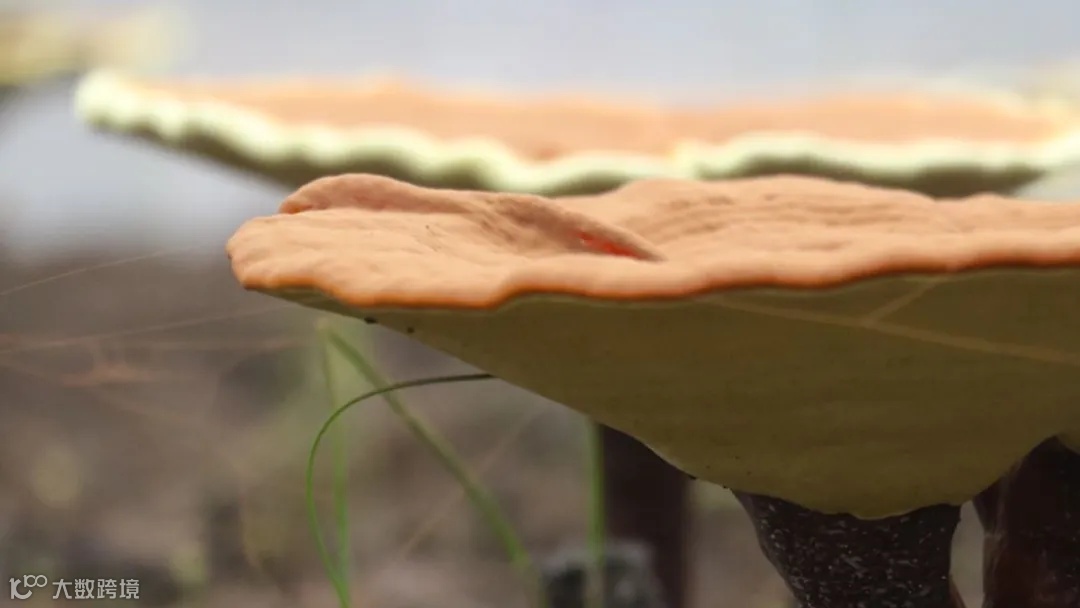
Reishi's "reinforcing the healthy qi to restore the normal function" is essentially the process of boosting immunity. Modern pharmacology confirms:
Reishi and its various active ingredients influence many aspects of the immune system and immune response by affecting the function of immune cells and the process of immune response to varying degrees.
— Excerpt from Pharmacology and Clinical Applications of Lingzhi, edited by Lin Zhibin and Yang Baoxue, p. 18
Appropriate consumption of Reishi or Reishi products in summer can help sub-healthy individuals enhance their bodily immunity and enjoy a comfortable and healthy summer.
3. Regulates Blood Pressure and Maintains Vascular Health
Long-term consumption of Reishi significantly benefits the homeostatic regulation of blood pressure. Compendium of Materia Medica records that Reishi "treats chest congestion and benefits heart qi," meaning Reishi can enter the heart channels and promote qi and blood circulation.
The mechanism by which Reishi regulates blood pressure is partly related to Reishi polysaccharides, which protect endothelial cells in blood vessel walls, allowing them to function normally and relax blood vessels. On the other hand, it is related to Reishi triterpenes inhibiting the activity of "angiotensin-converting enzyme." This enzyme, secreted by the kidneys, causes blood vessels to constrict and blood pressure to rise, while Reishi can regulate its activity.
— Healing with Ganoderma, by Wu Tingyao, p. 122
This summer, consider incorporating Reishi into your meals. Simmer a pot of Reishi pork rib soup or Reishi coix seed congee to nourish your body and mind with your daily meals.
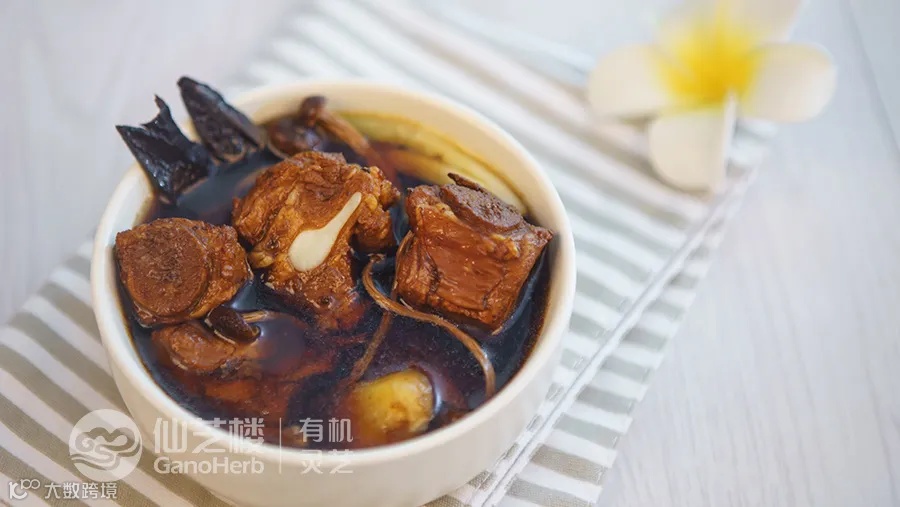

Does Eating Reishi in Summer Cause Internal Heat?
No, it does not. Reishi is mild in nature, neither warming nor cooling. It is suitable for all body constitutions and can be consumed throughout all four seasons. However, due to individual constitutional differences, those with a heat-prone constitution may combine it with chrysanthemum and honey, while those with a cold-deficient constitution may add goji berries and red dates.
Finally, it's important to emphasize that while Reishi is beneficial, you must choose reputable Reishi products. Only Reishi products produced through legitimate channels can ensure purity and safety, allowing you to correctly embark on your summer "wellness journey"!