


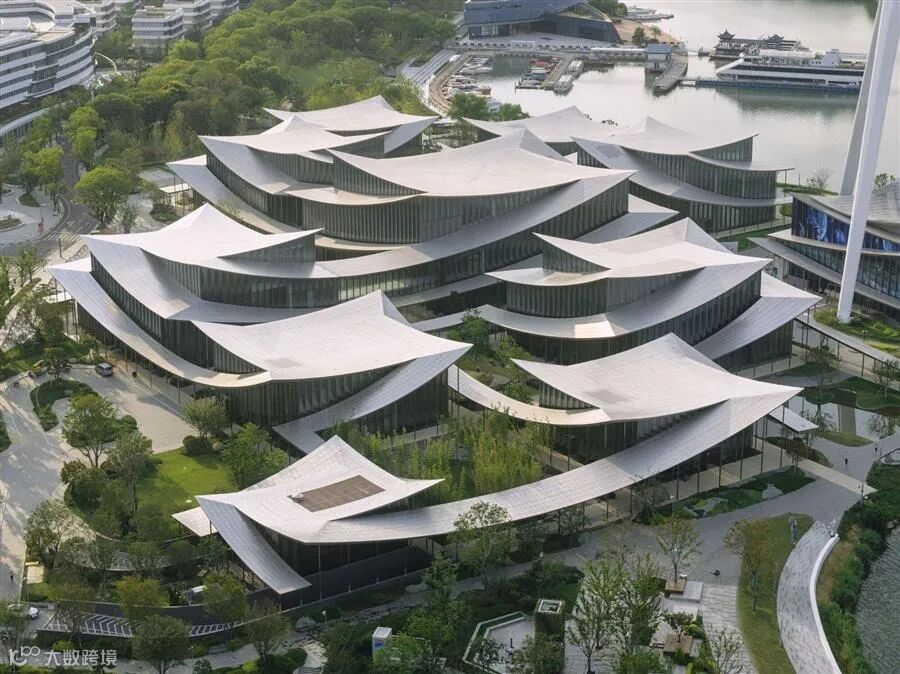
由BIG设计的苏州当代艺术博物馆(Suzhou MoCA)即将为“唯物主义”展览向公众开放。这座占地6万平方米的博物馆被设想为一个由12个亭子组成的村庄,在带状屋顶下,为几个世纪以来定义苏州城市生活、建筑和景观的花园元素提供了现代诠释。由BIG策划的“物质主义”将带领参观者踏上一段从石头开始到回收再利用的材料奥德赛。
The Suzhou Museum of Contemporary Art (Suzhou MoCA), designed by BIG, will soon open its doors to the public for the exhibition, Materialism. Conceived as a village of 12 pavilions under a ribbon-like roof, the 60,000-m2 museum offers a modern interpretation of the garden elements that have defined Suzhou's urbanism, architecture, and landscape for centuries. Materialism, curated by BIG, will take visitors on a material odyssey starting from stone and ending with recyclate.
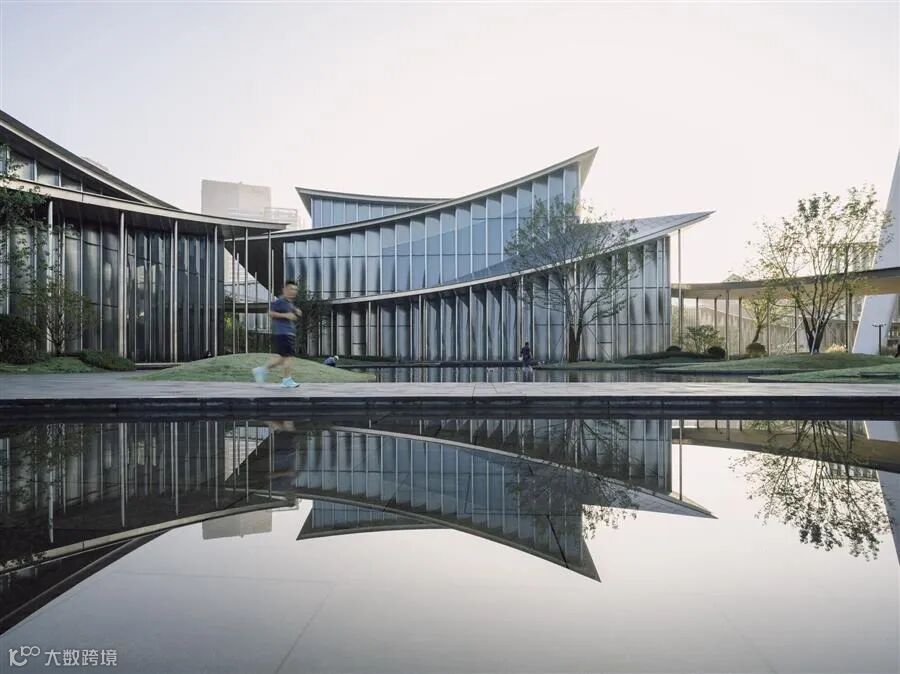
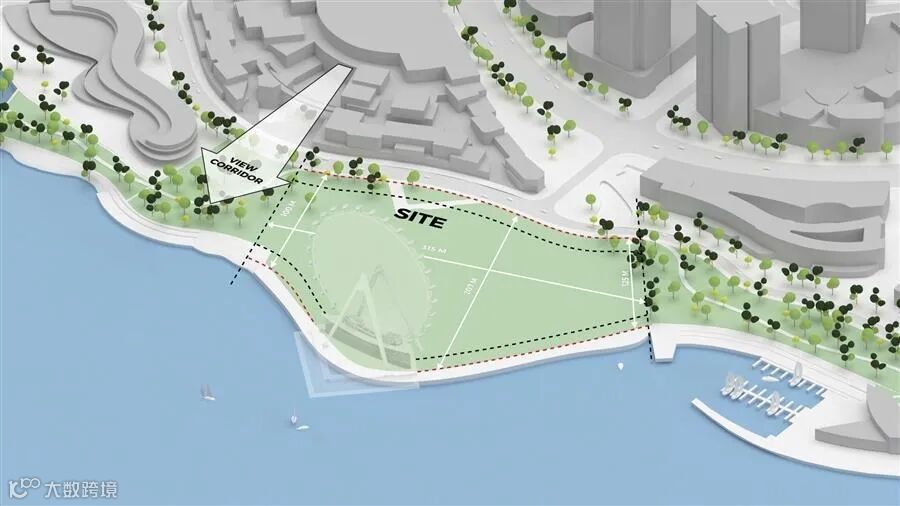
苏州当代艺术博物馆受苏州和谐发展集团委托,由BIG-Bjarke Ingels集团与ARTS集团和Front Inc.合作设计,位于金济湖滨水区,是中国当代艺术、设计和公共生活的新场所。该博物馆将于2026年正式向公众开放。
Commissioned by Suzhou Harmony Development Group and designed by BIG-Bjarke Ingels Group in collaboration with ARTS Group and Front Inc., Suzhou MoCA is located along the Jinji Lake waterfront as a new venue for contemporary art, design, and public life in China. The museum will officially open its doors to the public in 2026.
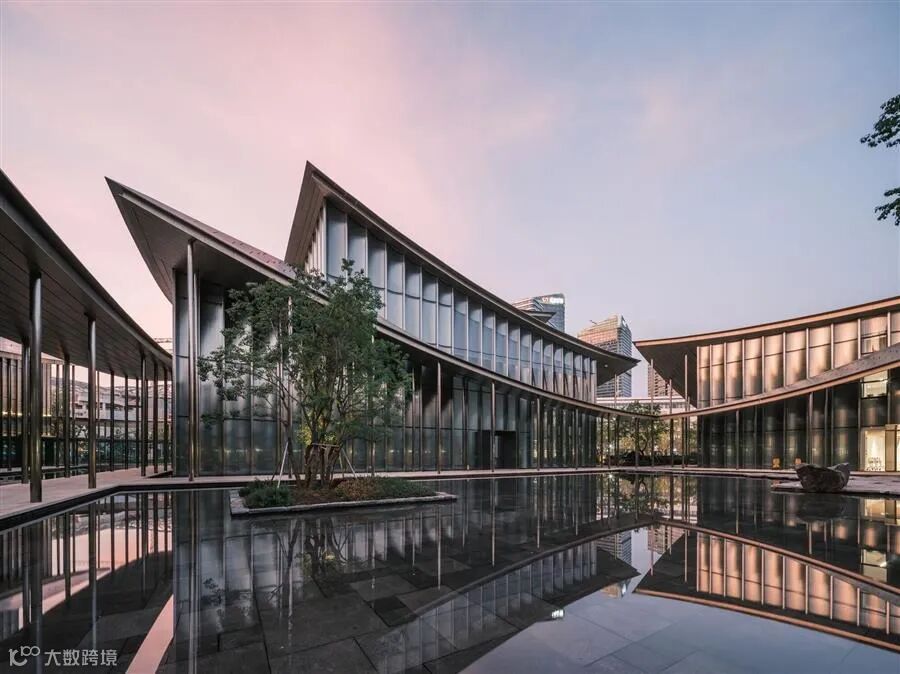
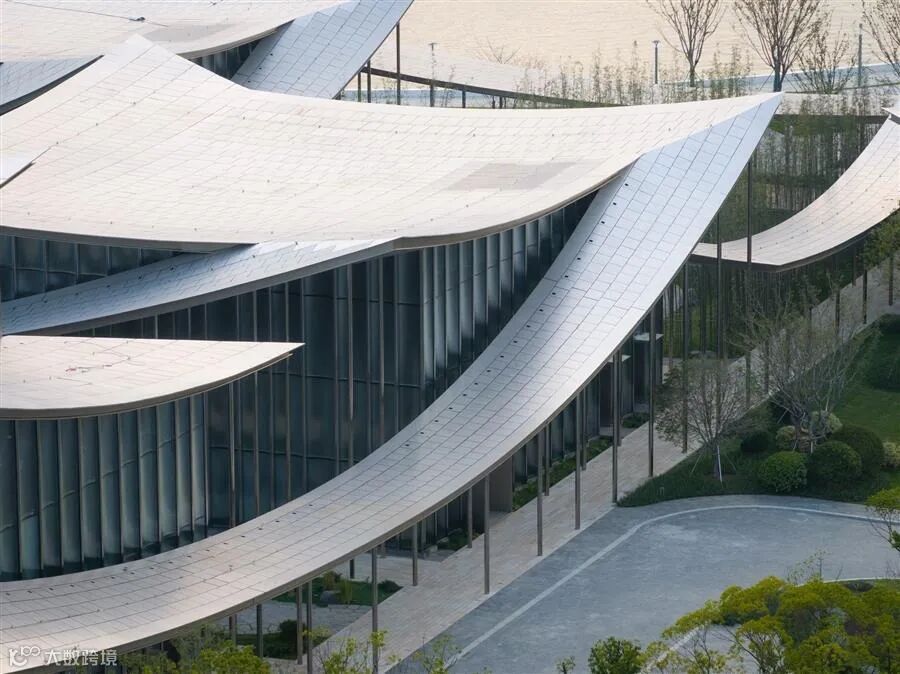
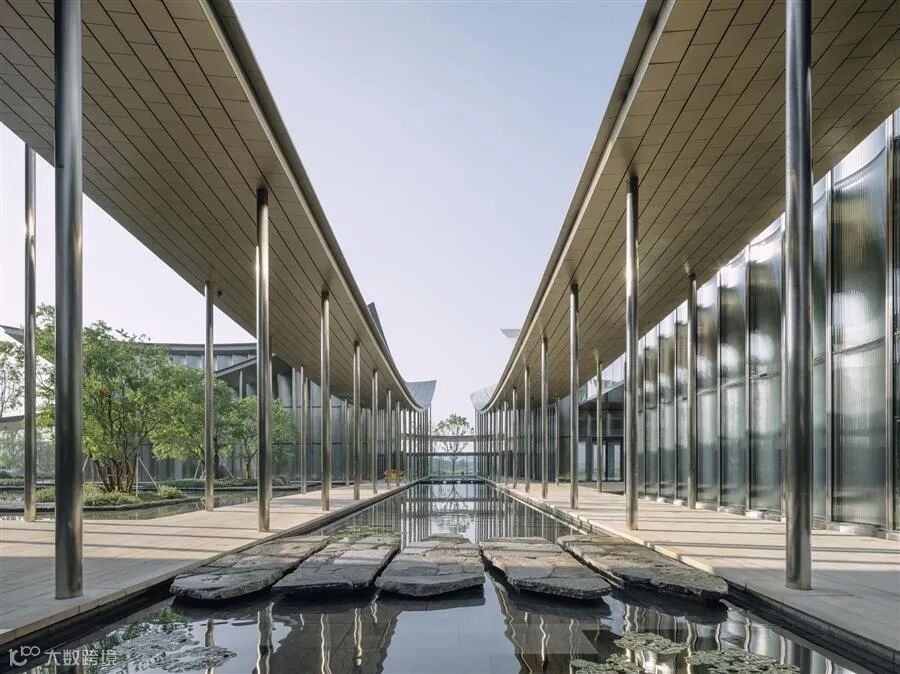
博物馆的建筑植根于苏州园林的传统,重新构想了“廊”——一条长长的、有顶盖的走廊。十个相互连接的亭子统一在一个连续的屋顶下,其柔和的起伏让人想起瓦片屋檐的轮廓。剩下的两个展馆将于明年建成,延伸到金鸡湖上,并通过有盖的通道与主体结构相连。
The architecture of the museum is rooted in the tradition of Suzhou's gardens by reimagining the 'lang' 廊- a long, covered corridor that traces a path. Ten interconnected pavilions are unified beneath a continuous roof whose gentle undulations recall the silhouette of tiled eaves. The remaining two pavilions will be built next year, extending over Jinji Lake and linking to the main structure via covered pathways.
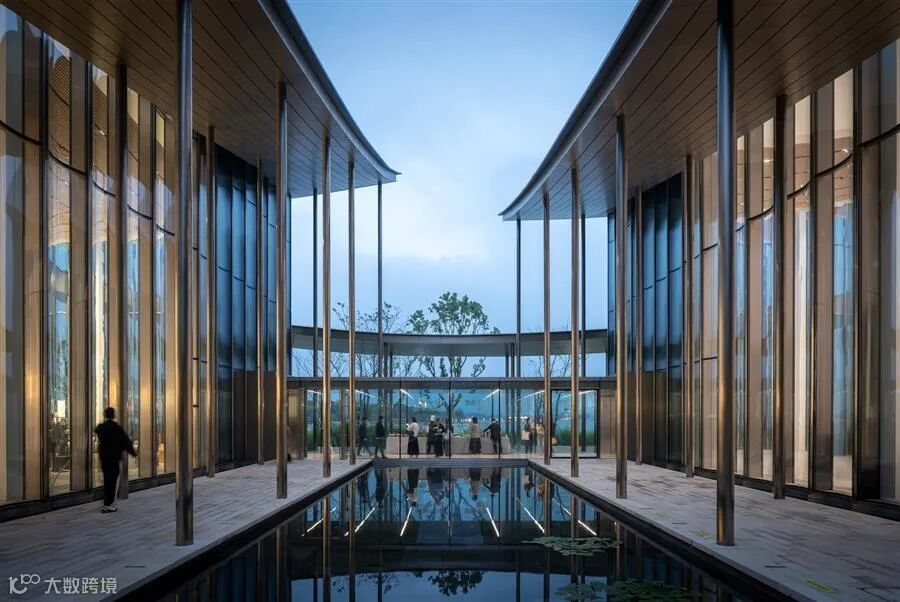
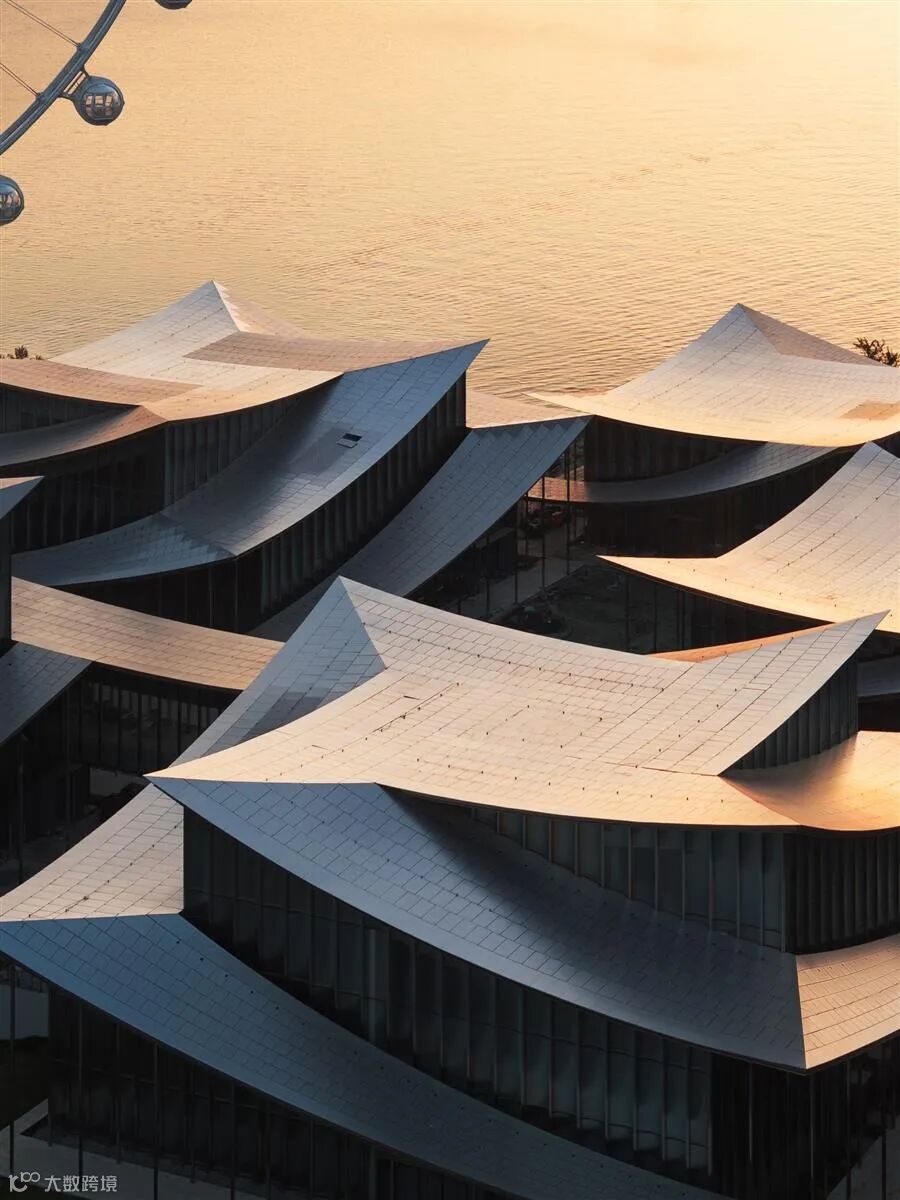
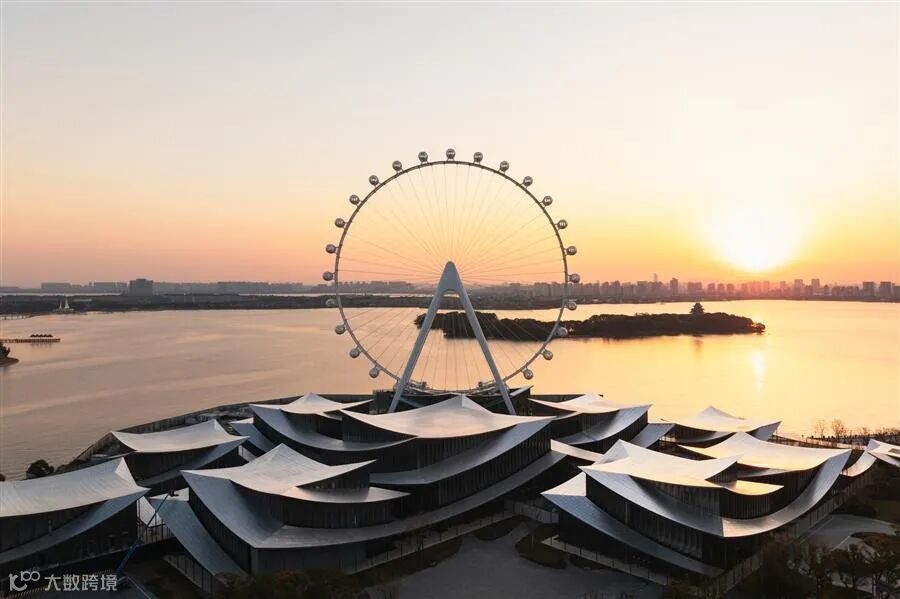
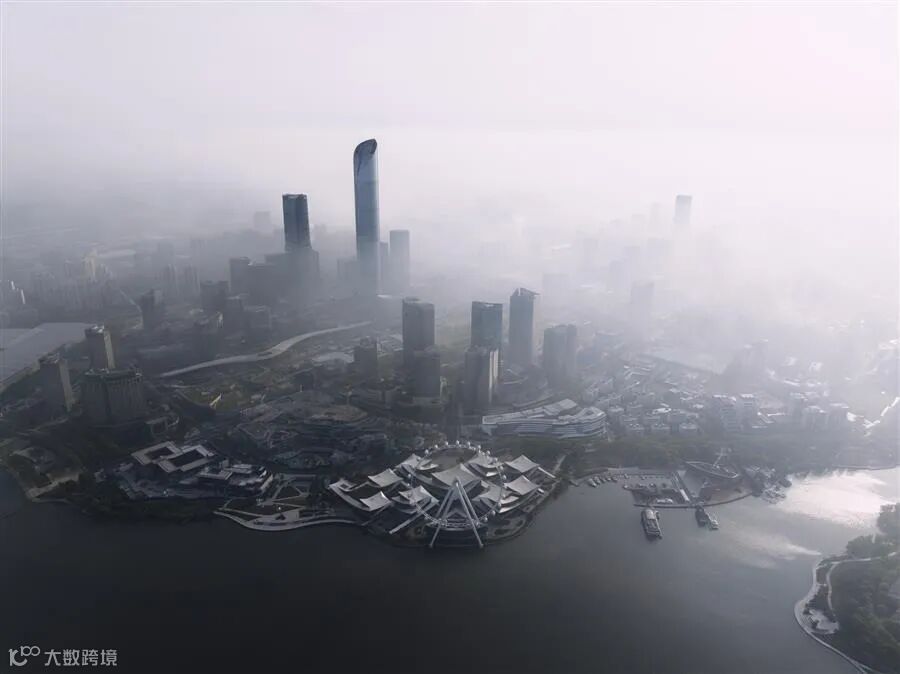
苏州是中国园林的摇篮。我们对苏州当代艺术博物馆的设计构思是一个亭台楼阁和庭院的花园。独立的展馆由玻璃画廊和门廊编织在一起,创造了一个相互连接的雕塑庭院和展览空间的中国结。在摩天轮的两腿之间,博物馆像根茎一样伸展开来,连接着城市和湖泊。其结果是一个人造的植物和艺术品迷宫,让人迷失其中。当从上面的贡多拉上看时,它的结节逻辑才变得清晰可辨。在湖的开放空间的映衬下,柔和的圆锥形屋顶在海滨形成了一个优雅的轮廓。从上面看,不锈钢屋顶瓦片形成了真正的第五立面。”——BIG创始人兼创意总监Bjarke Ingels
"Suzhou is the cradle of the Chinese garden. Our design for the Suzhou Museum of Contemporary Art is conceived as a garden of pavilions and courtyards. Individual pavilions are woven together by glazed galleries and porticoes, creating a Chinese knot of interconnected sculpture courtyards and exhibition spaces. Weaving between the legs of the Ferris wheel, the museum branches out like a rhizome, connecting the city to the lake. The result is a manmade maze of plants and artworks to get lost within. Its nodular logic only becomes distinctly discernible when seen from the gondolas above. Against the open space of the lake, the gentle conical curvature of the roofs forms a graceful silhouette on the waterfront. From above, the stainless roof tiles form a true fifth facade." - Bjarke Ingels, Founder & Creative Director.
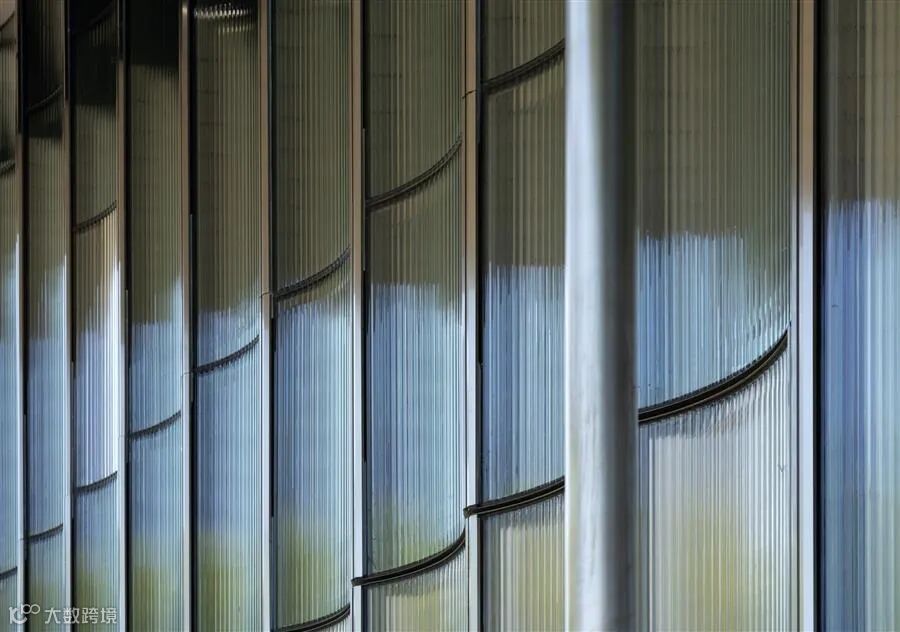
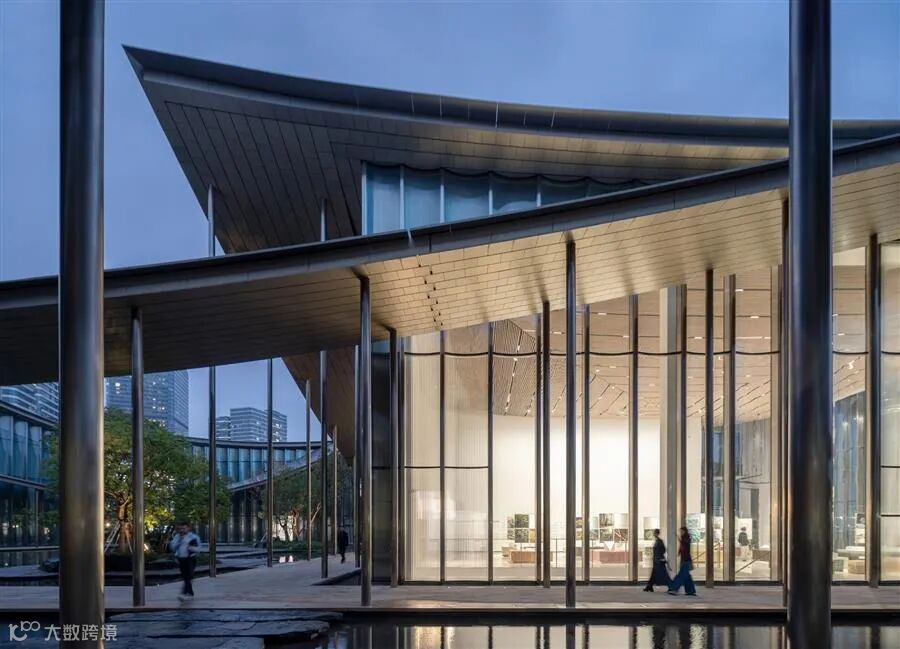
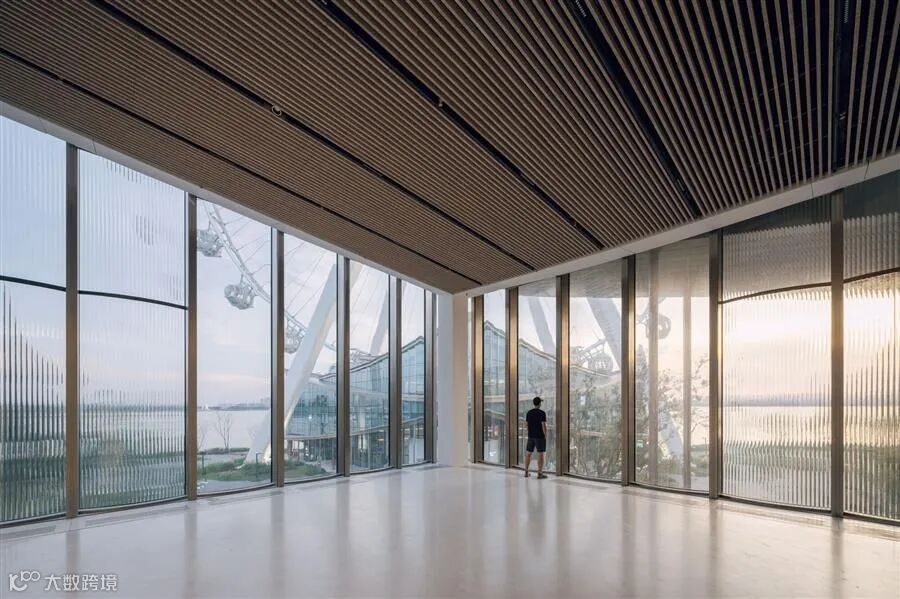
BIG立面覆盖着波纹和弯曲的玻璃和暖色调的不锈钢,反映了周围的天空、水和花园——模糊了建筑和自然环境之间的界限。这些亭子通过桥梁和隧道连接在地上和地下,为博物馆提供了根据季节和展览管理流通的灵活性。这些房间共同构成了一系列的花园和庭院,引导游客在艺术、历史、自然和水的交织中旅行。
Clad in rippled and curved glass and warm-toned stainless steel, the façades reflect the surrounding sky, water, and gardens - blurring the boundaries between architecture and the natural environment. The pavilions are connected above and underground via bridges and tunnels, offering the museum flexibility to manage circulation according to seasons and exhibitions. Together, the rooms frame a sequence of gardens and courtyards, guiding visitors on a journey that intertwines art, history, nature, and water.
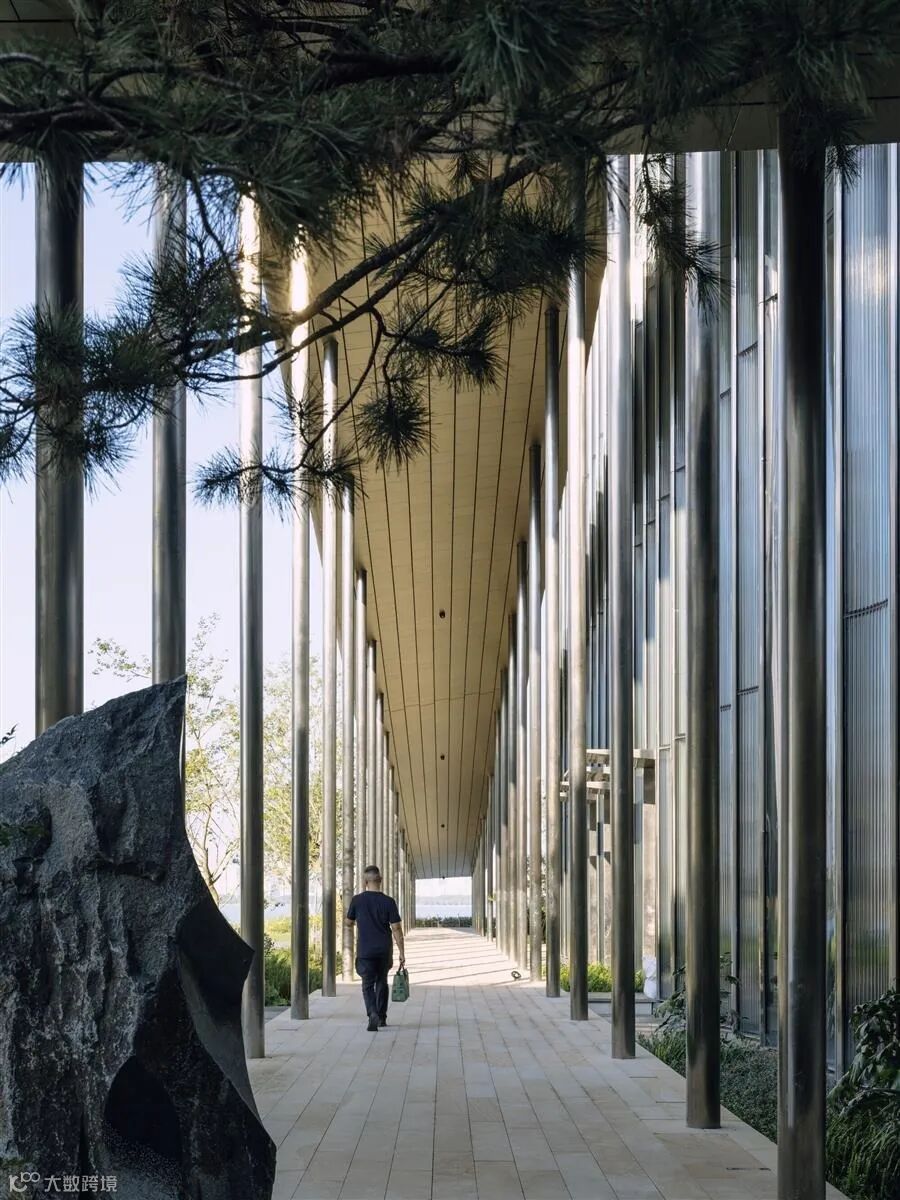
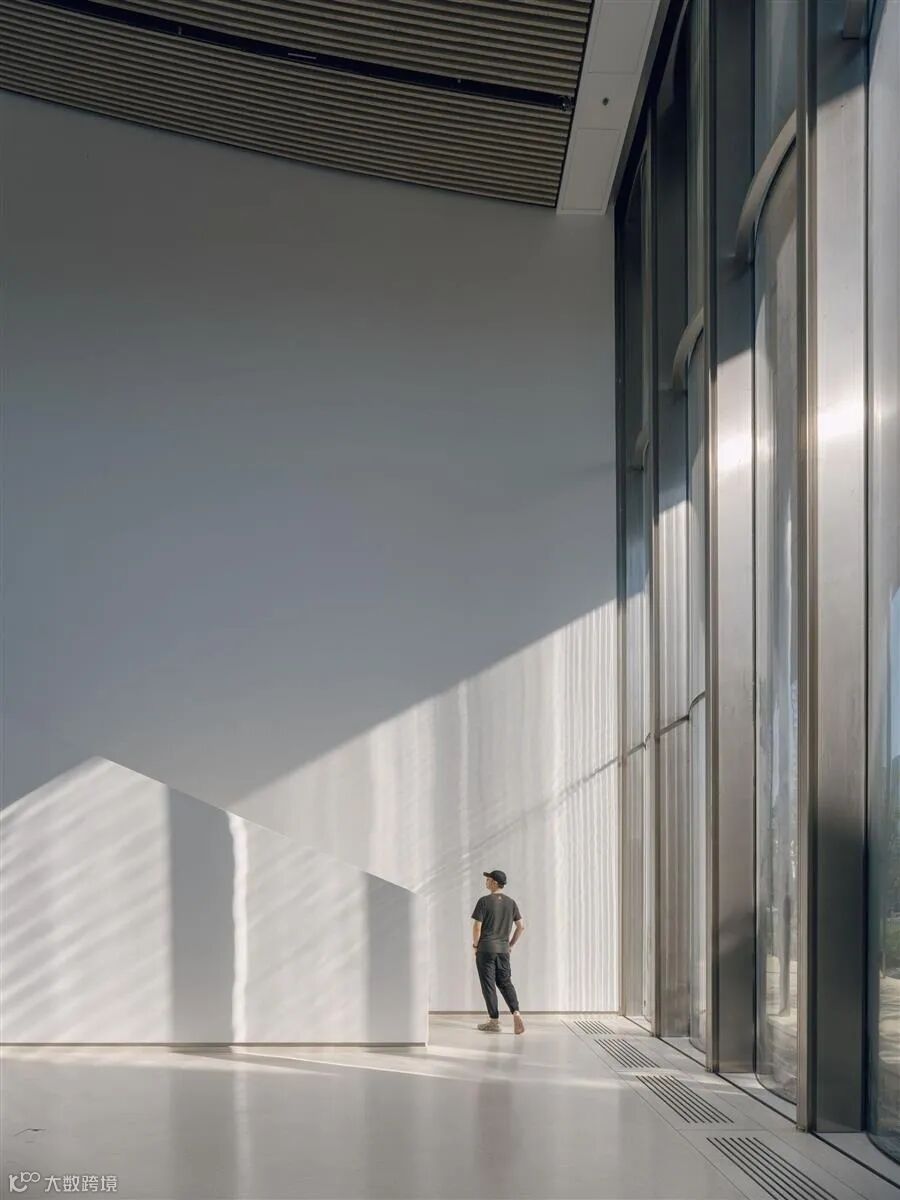
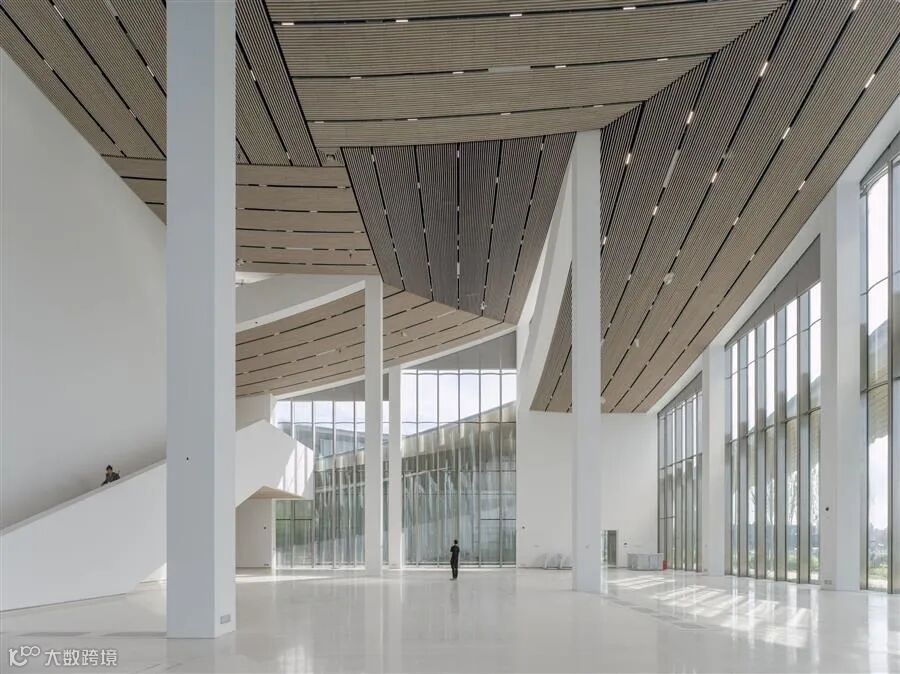
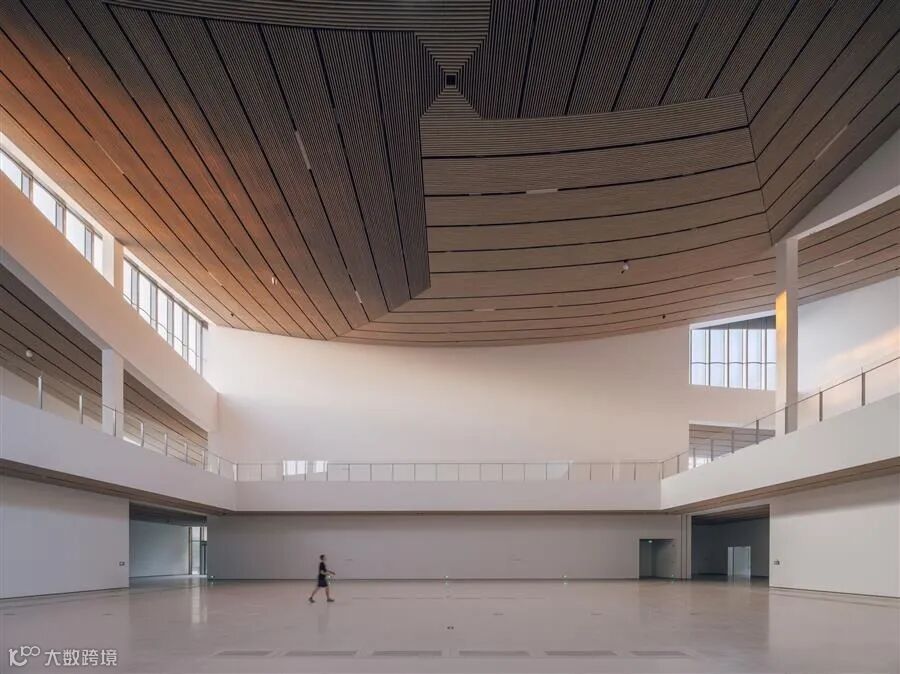
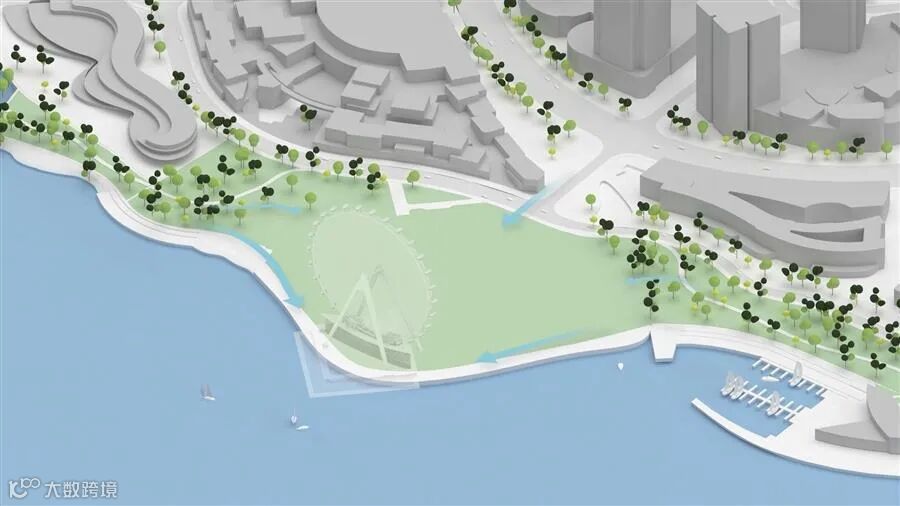
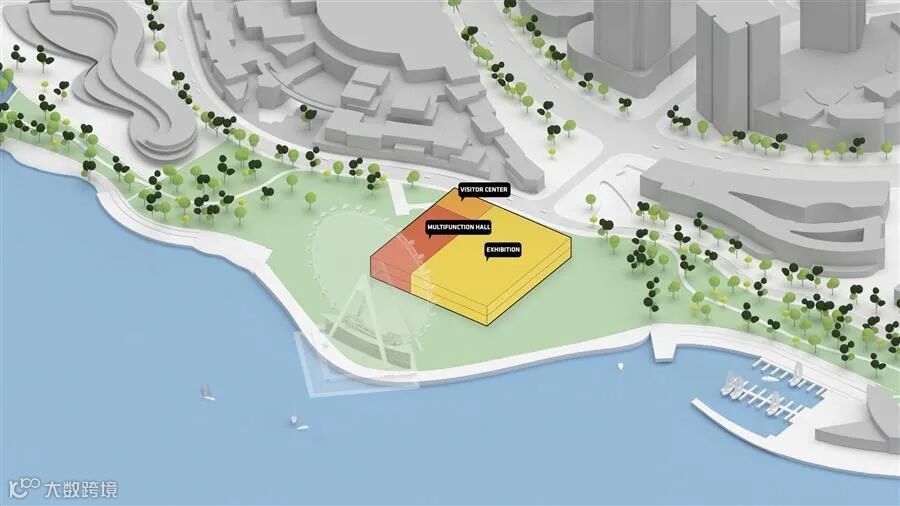
到达博物馆后,游客中心前有一个宽阔的广场欢迎游客。从这里,参观者可以进入博物馆内部或探索场地,沿着延伸到金鸡湖的人行道蜿蜒而行,在苏州摩天轮上可以俯瞰金鸡湖。在室内,自然光通过天窗和天窗进入,通过阴影和反射的游戏使画廊充满活力。博物馆的四个展馆组成了主要的画廊体验,而其余的展馆包括一个大的入口空间、多功能厅、剧院和餐厅。一条连续的路径引导游客穿过博物馆,在画廊之间分支成更小的路线。
Arriving at the museum, visitors are welcomed by an expansive plaza in front of the Visitor Centre. From here, museumgoers can proceed inside or explore the grounds, meandering along the walkways that extend out into Jinji Lake, which can be seen from above while on the Suzhou Ferris wheel. Inside, natural light enters through clerestories and skylights, animating the galleries with a play of shadow and reflection. Four of the museum's pavilions comprise the main gallery experience, while the remaining pavilions include a grand entrance space, multifunction hall, theater, and restaurant. A continuous path guides visitors through the museum, branching off into smaller routes between the galleries.
博物馆的景观设计通过一系列相互连接的花园,沿着金鸡湖创造了一个受欢迎的公共空间。当游客靠近滨水区时,花园逐渐从硬景观过渡到绿色植物,最后以水为主题的植物,反映了从博物馆到土地到湖泊的自然进程。苏州当代艺术中心旨在获得中国GBEL绿色建筑2星认证,将被动遮阳、自然通风和当地材料结合在一起,为城市创造一个文化地标。
The museum's landscape design creates a welcoming public space along Jinji Lake through a series of interconnected gardens. As visitors approach the waterfront, the gardens gradually transition from hardscape to greenery to finally water-themed plantings, reflecting a natural progression from museum to land to lake. Designed to achieve China's GBEL 2-Star Green Building certification, Suzhou MoCA integrates passive shading, natural ventilation, and locally sourced materials to create a cultural landmark for the city.
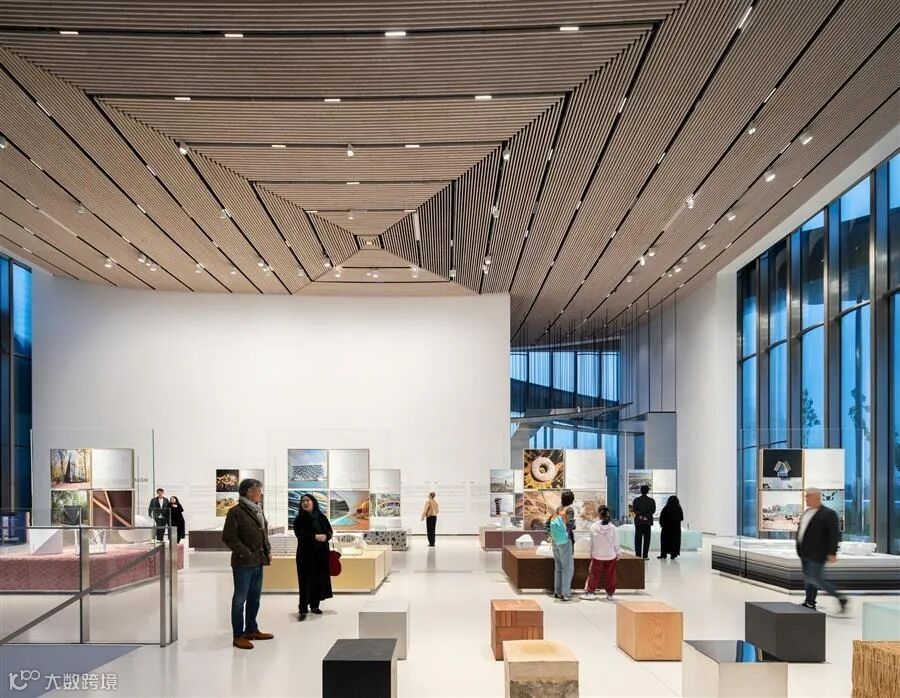
唯物主义展览扩展了Bjarke Ingels在意大利设计杂志《Domus》长达一年的客座编辑,该杂志每期都关注一种材料。展览探讨了石头、泥土、混凝土、金属、玻璃、木材、织物、塑料、植物和回收利用如何塑造公司的建筑。20个BIG项目的大型模型和模型,如工作室自己的哥本哈根总部、丹麦海事博物馆、谷歌海湾景观和the Plus,邀请观众体验定义BIG作品的触觉和空间品质。
The Materialism exhibition expands on Bjarke Ingels' year-long guest editorship of Italian design magazine Domus, where each issue focuses on a single material. The exhibition explores how stone, earth, concrete, metal, glass, wood, fabric, plastic, plant, and recyclate each shape the firm's architecture. Large-scale mock-ups and models of 20 BIG projects, such as the studio's own Copenhagen headquarters, the Danish Maritime Museum, Google Bay View, and The Plus, invite viewers to experience the tactile and spatial qualities that define BIG's work.
整个画廊的座位都是由展出的材料制成的,通过纹理和形式创造了一个完整的感官之旅。每个部分的牌匾都由相应的介质制作而成,包括黄锈石、夯土和水磨石,进一步揭示了物质的各种表达和可能性。
The seating throughout the galleries is made of the very substances on display, creating a full sensory journey through texture and form. Each p's plaque is crafted from its corresponding medium - including yellow rust stone, rammed earth, and terrazzo – further revealing the varied expressions and possibilities of matter.
苏州当代艺术中心加入了BIG在世界各地的文化项目组合,包括挪威Kistefos雕塑公园的the Twist,瑞士mus Atelier Audemars Piguet,以及丹麦的乐高博物馆。在此之前,BIG的展览包括“Yes Is More”(2009)、“Hot to Cold”(2015)和“Formgiving”(2019)。“唯物主义”展览将在未来几个月向公众开放,在2026年苏州当代艺术博物馆正式开放之前。
Suzhou MoCA joins BIG's portfolio of cultural projects around the world, including The Twist at Kistefos Sculpture Park in Norway, the Musée Atelier Audemars Piguet in Switzerland, and the LEGO Museum in Denmark. Materialism follows BIG's previous exhibitions, including Yes Is More (2009), Hot to Cold (2015), and Formgiving (2019). The Materialism exhibition will open to the public in the coming months, ahead of the official opening of the Suzhou Museum of Contemporary Art in 2026.
项目图纸
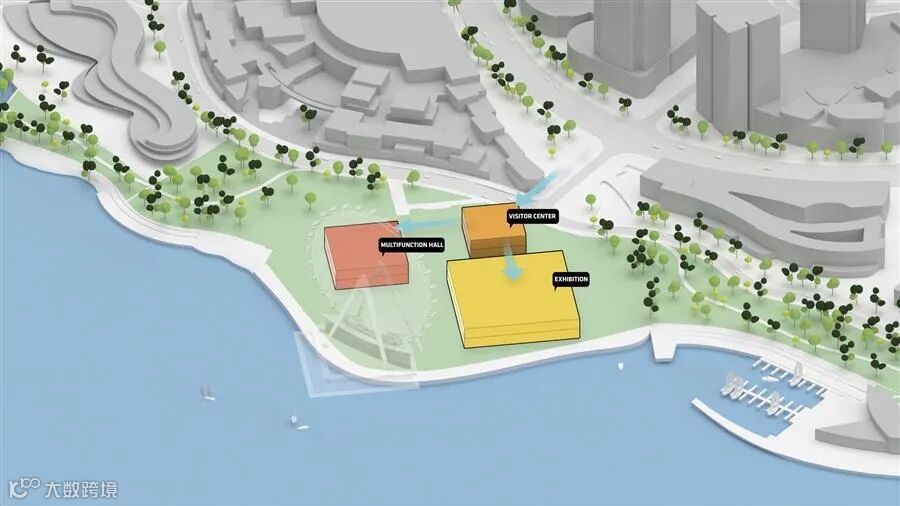
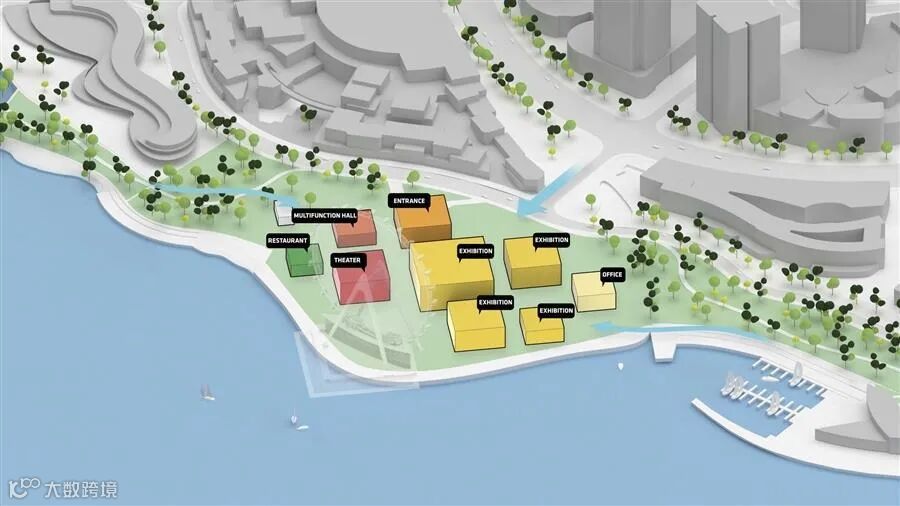
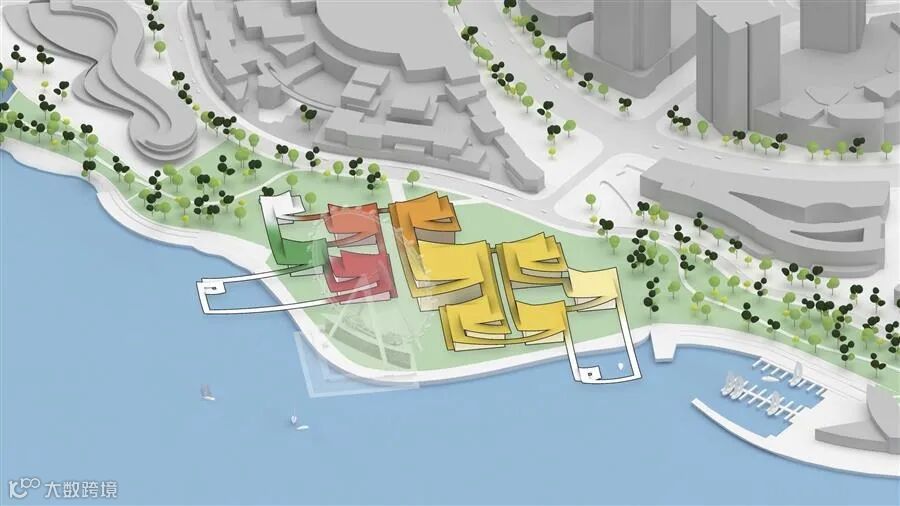
▲示意图
洋房/叠墅/院墅/小高层
▼点击下图,了解报名
1.本平台为建筑设计技术分析,仅供欣赏学习。
2.本资料不视为要约,所有政府、政策信息均来源于官方披露信息,具体以实物、政府主管部门批准文件及买卖双方签订的商品房买卖合同约定为准。如有变化恕不另行通知。
3.因编辑需要,文字和图片无必然联系,仅供读者参考;
推荐一个
专业的地产+建筑平台
每天都有新内容
扫描二维码关注

微信公众号“搜建筑”(ID:sjz9999)
合作、宣传、投稿
联系微信:soujianzhu006