



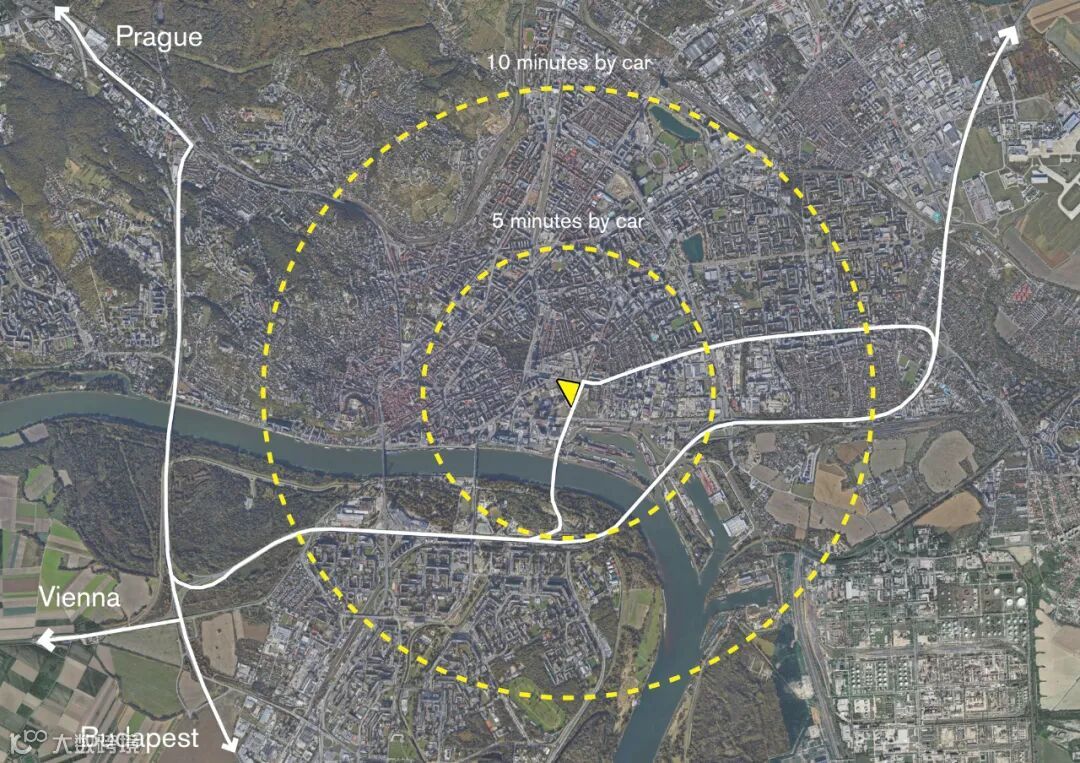
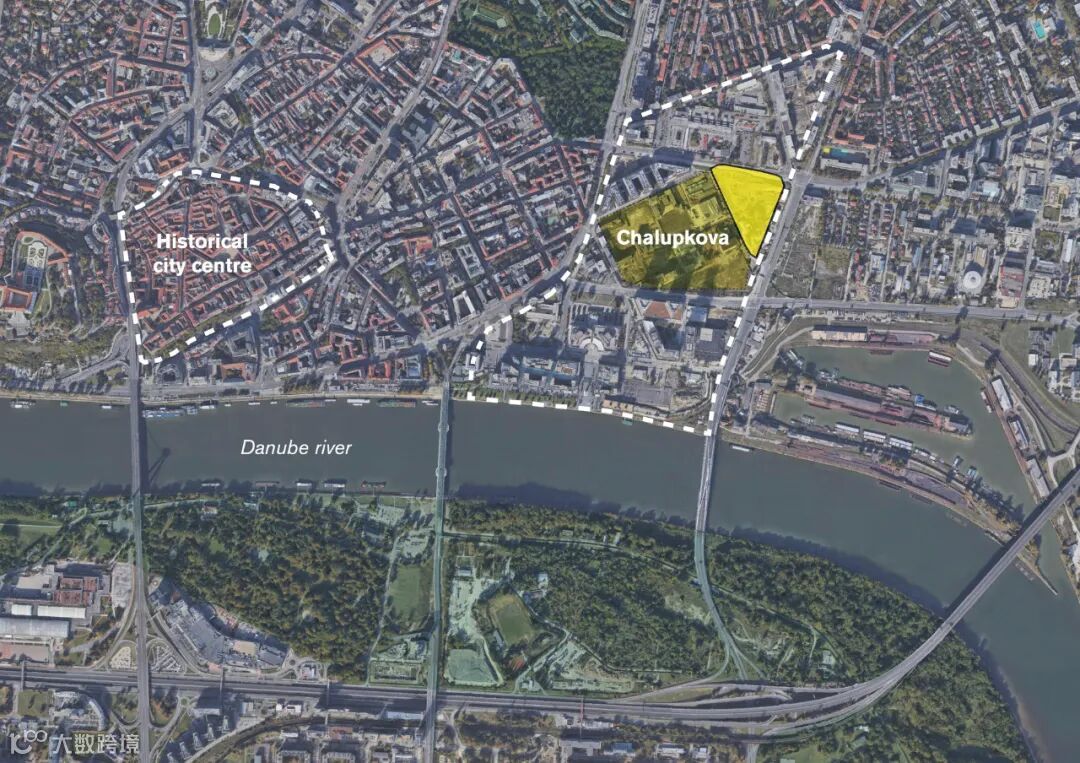
Stefano Boeri Architetti has been declared the winner of the international competition for the redevelopment of a former industrial site in downtown Bratislava. The project includes the transformation of one of the largest abandoned areas in the Slovak capital, with the aim of creating an active new central hub for the city, complete with parks and public spaces, residential units, and a variety of amenities. Stefano Boeri Architetti’s master plan proposal, titled “Urban Oasis,” has been appreciated by the jury for integrating familiar typologies, creating a “European matrix” of medium-density developments organized around accessible public spaces.
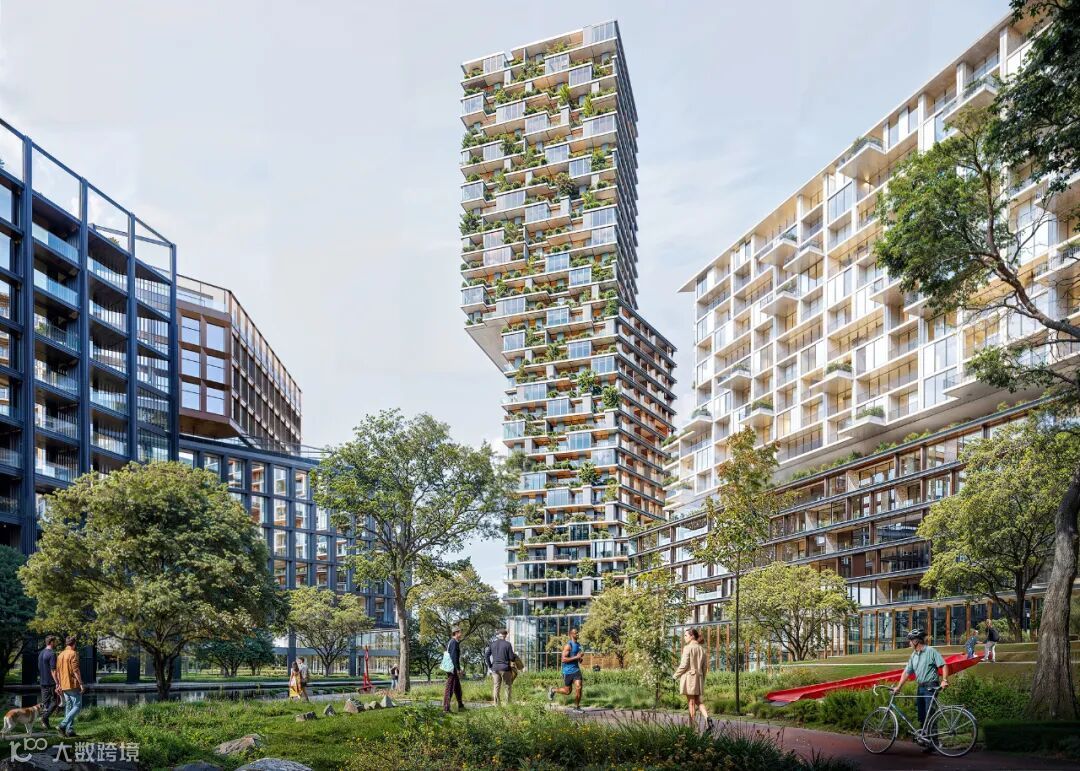
According to the architects, the Urban Oasis project sought to create a design solution that optimizes the conditions of the site, including natural light, humidity, and wind exposure, ensuring a balanced microclimate to mitigate the urban heat island effect. The center of the new district is a large public park that introduces the element of Nature into the project, one of the key concepts of the winning proposal. The decision supports local biodiversity and takes advantage of the benefits of urban forestry. This central space is also connected with smaller-scale green spaces throughout the development, including green roofs and a green ring distributed along the perimeter of the project to act as a filter between the high-traffic road and the residential areas.
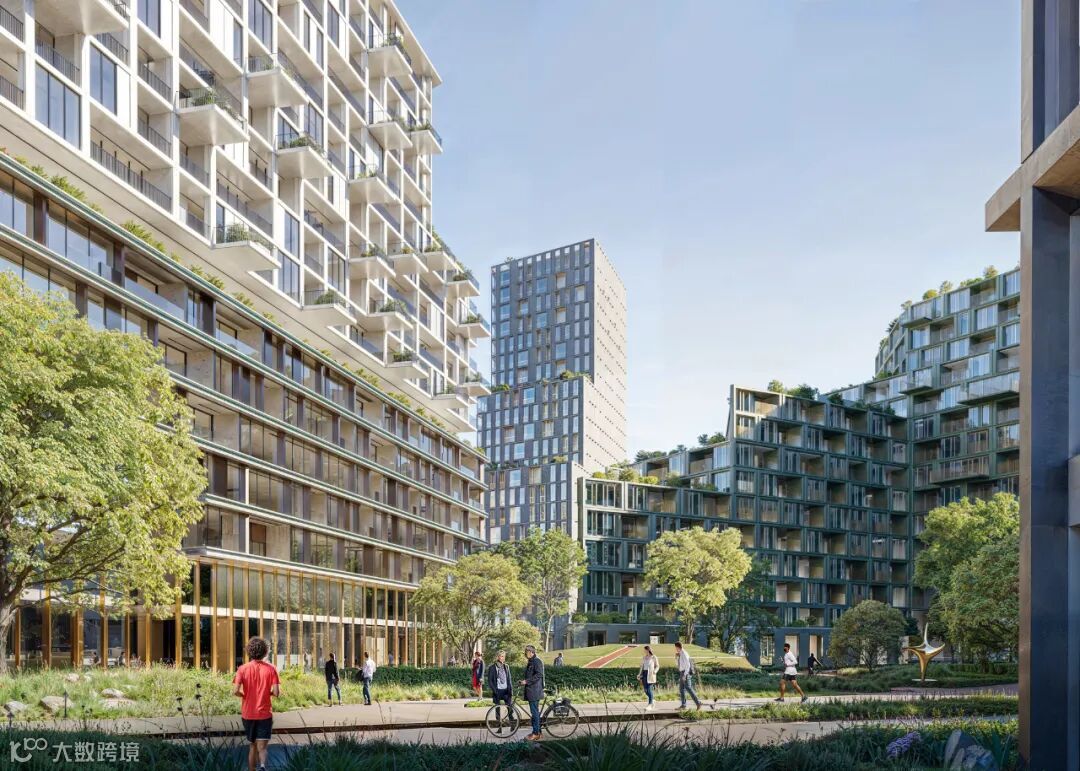
Along the main axis of the master plan, a new tower will become the landmark of the development, offering public services and commercial spaces as an intermediary piece between the park and the residential areas. Other four medium-sized buildings border the central park, creating the atmosphere of a ‘secret garden’ while remaining accessible for all residents. The residential areas, containing over 1,300 units in a mixture of different sizes, are also defined by diverse façade treatments, contributing to the dynamic nature of the new neighborhood. The facades along the important traffic arteries feature loggias to create a more protected exterior space for the residents. The geometries of irregularities and undulations on the facades contribute to distributing sounds and reducing noise pollution.

Sustainable mobility is another key aspect of the project, as pedestrian and cycling paths are emphasized throughout the development. Solar panels, covering 4,600m² of rooftop space, are included to produce renewable energy, reducing environmental impact. Urban drainage systems, including green roofs and permeable pavements, are also integrated into the design for the management of water runoff.
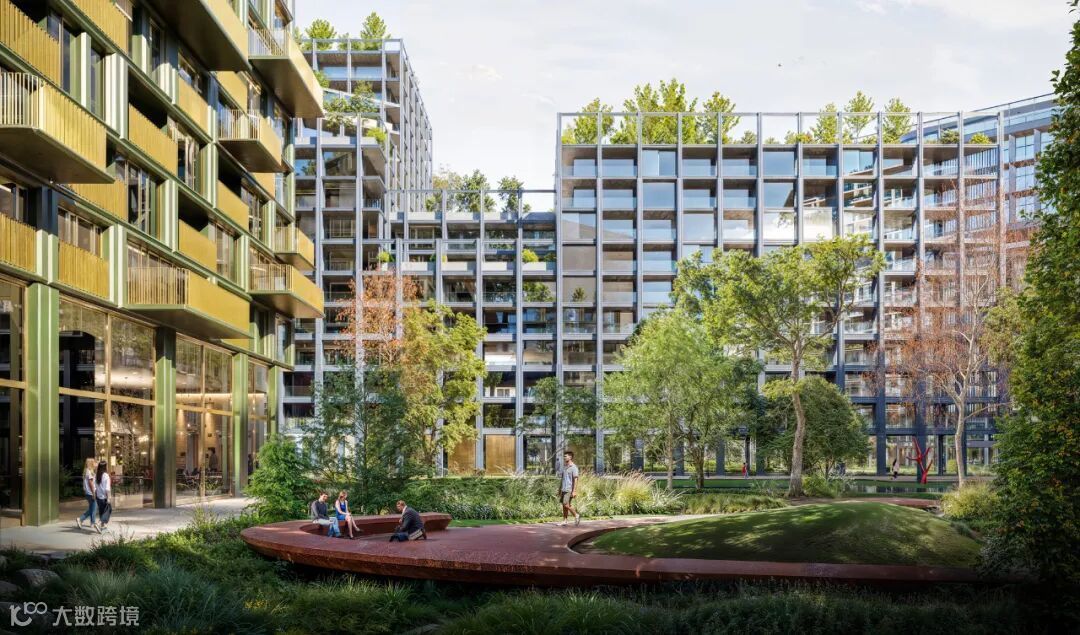
Thanks to the Urban Oasis, Bratislava will be taking a step forward towards the model of the Archipelago metropolis: in other words, a city in which the different neighborhoods are nuclei of clean energy production, featuring that variety of functions and inhabitants that is typical of European cities combined with living nature in the form of plants and trees at the center and on the facades of the buildings. - Stefano Boeri
The competition was announced at the end of last year by Penta Real Estate, and some of the most well-known names in architecture were among the competitors, including BIG (Bjarke Ingels Group), Gensler, MAD Architects, and MVRDV. Construction of the first phase is planned to start in 2026, with the subsequent four phases expected to be implemented in the next ten years.

本资料声明:
1.本文为建筑设计技术分析,仅供欣赏学习。
2.本资料为要约邀请,不视为要约,所有政府、政策信息均来源于官方披露信息,具体以实物、政府主管部门批准文件及买卖双方签订的商品房买卖合同约定为准。如有变化恕不另行通知。
3.因编辑需要,文字和图片无必然联系,仅供读者参考;

微信公众号“搜建筑”(ID:sjz9999)
合作、宣传、投稿
联系微信:soujianzhu006