



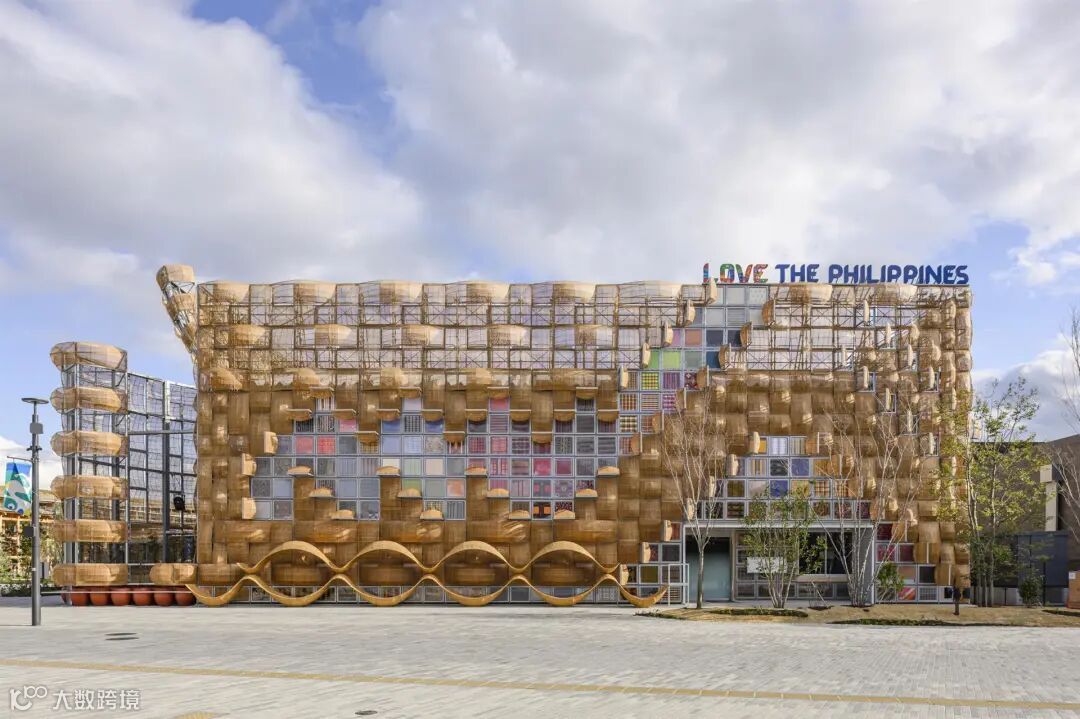

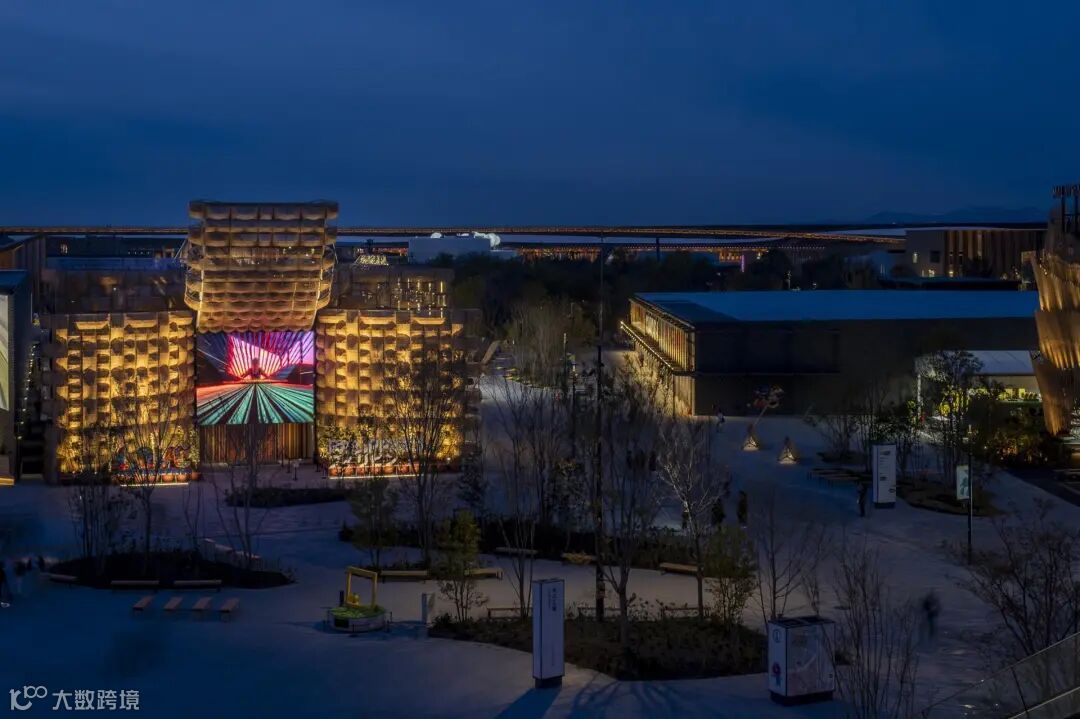
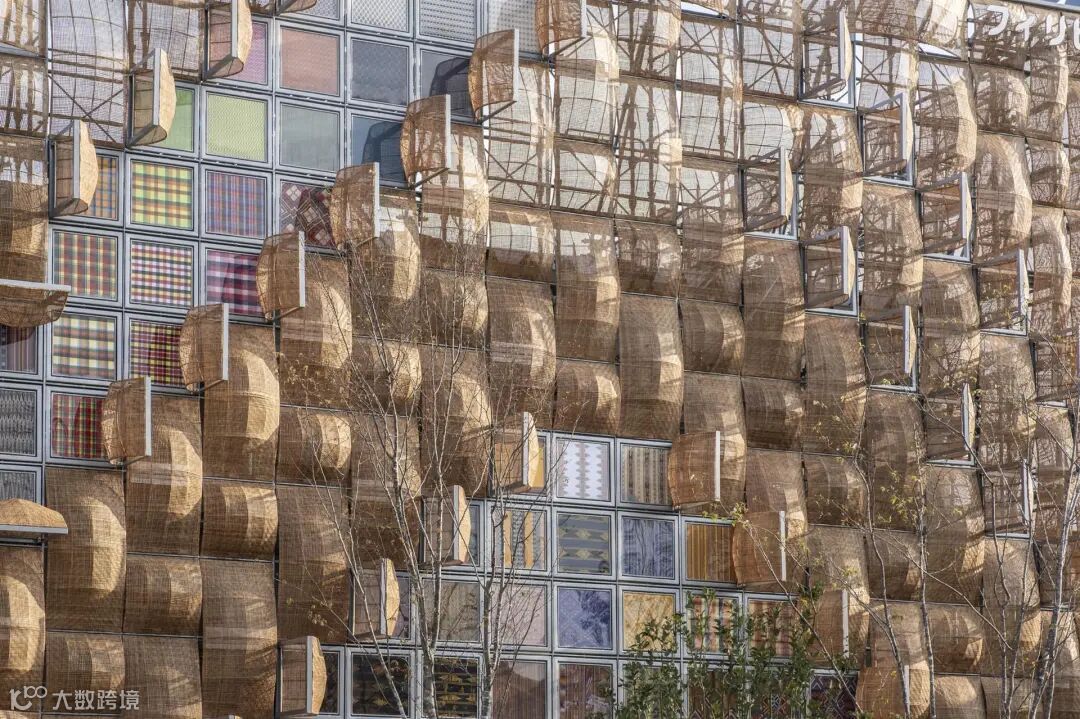
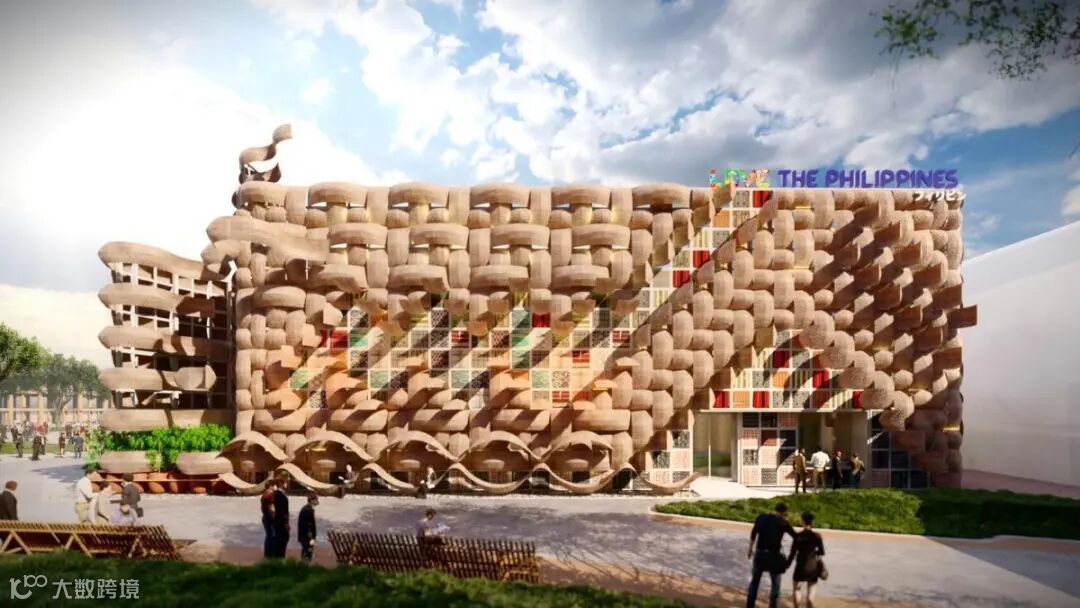
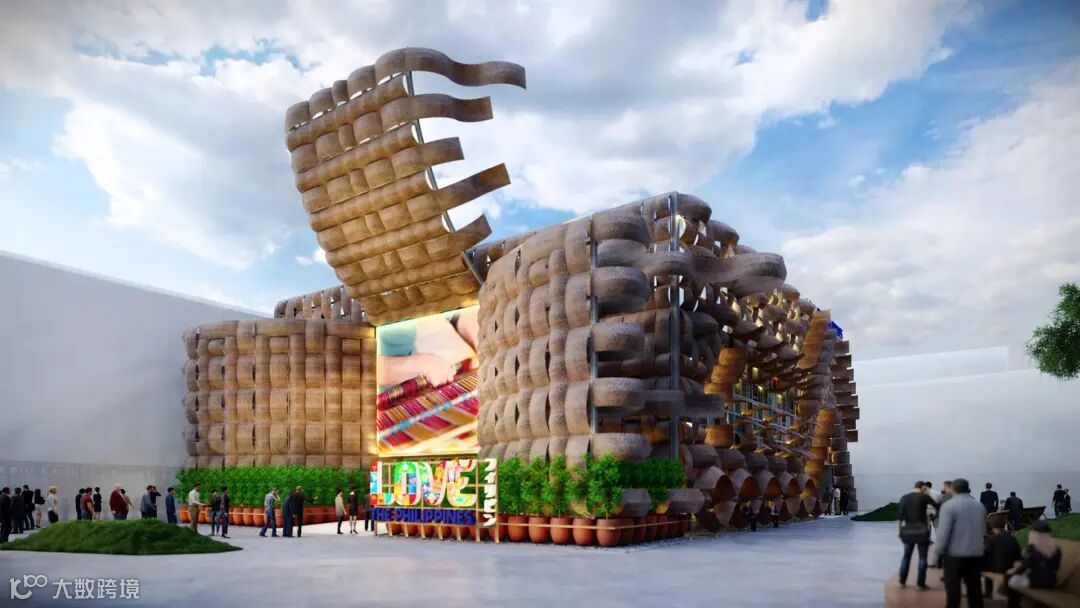
Expo Osaka 2025 officially opened its doors on April 13 in Osaka, Japan. The Philippines' exhibition for this edition opened with a pavilion designed by Carlo Calma Consultancy titled "Woven." The pavilion reflects the country's connections to nature, its cultural heritage, and its community values. With the theme "Nature, Culture & Community: Woven Together for a Better Future," the pavilion aims to highlight the Philippines' creativity, diversity, and aspirations for sustainable development while inviting visitors to engage with its cultural and environmental priorities.

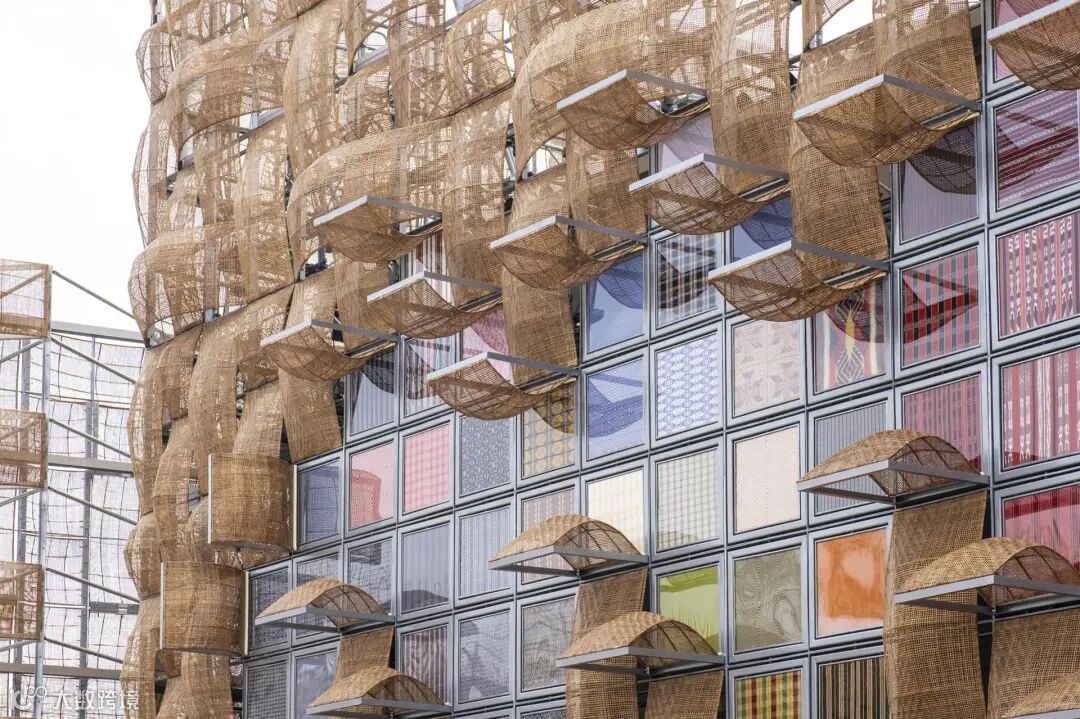

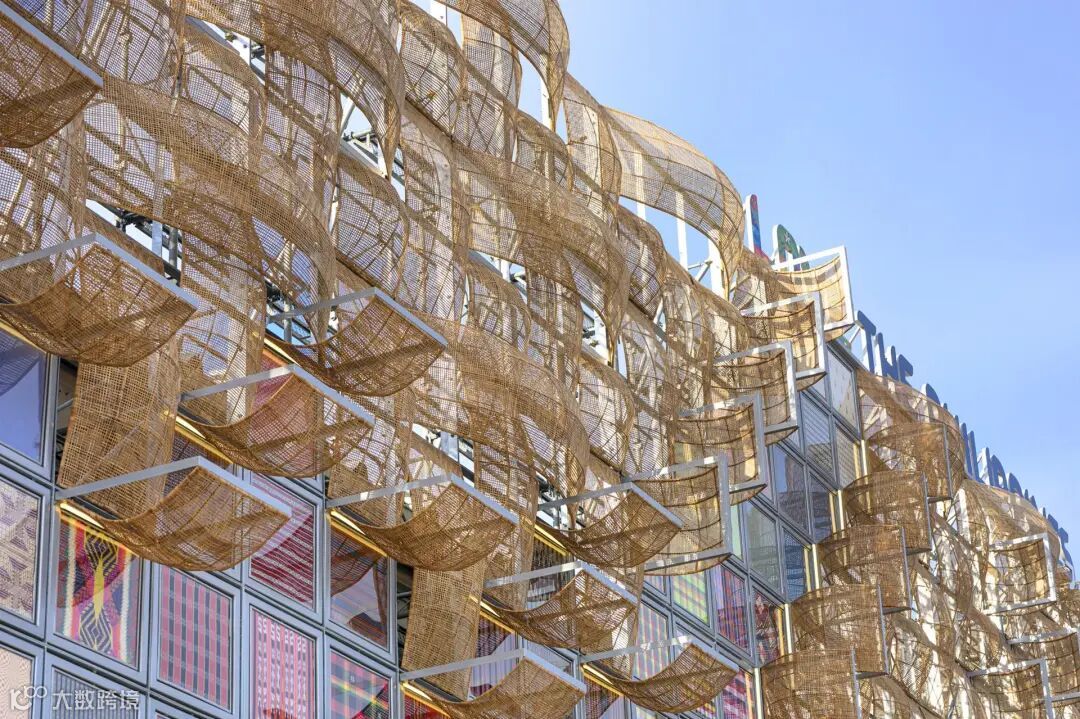
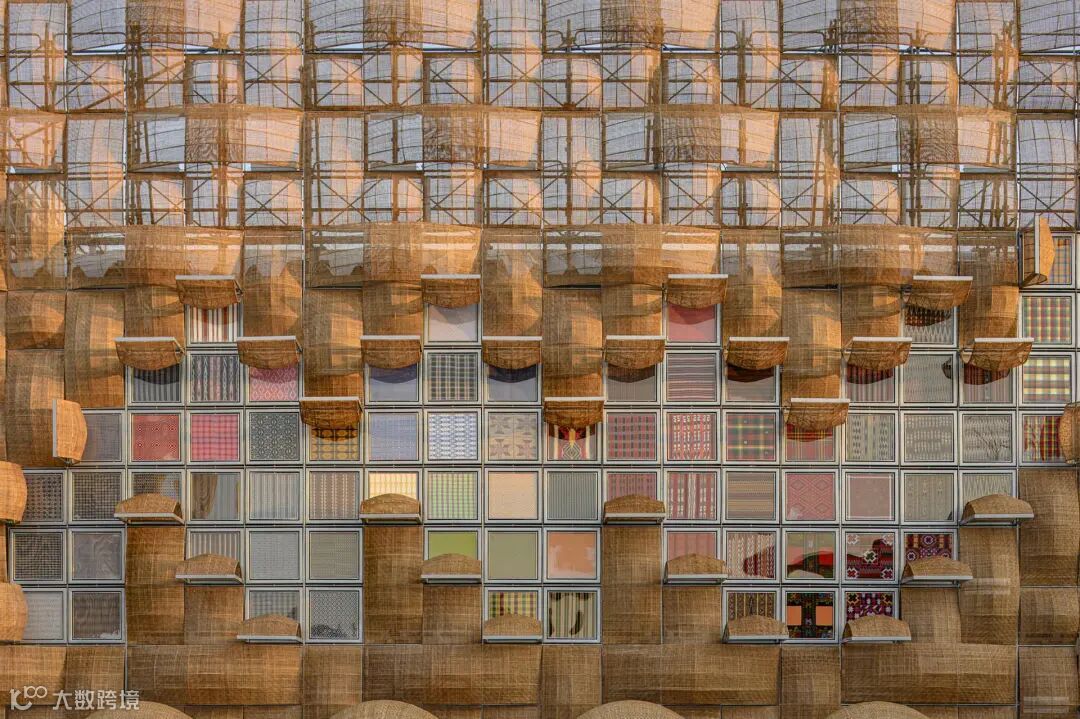
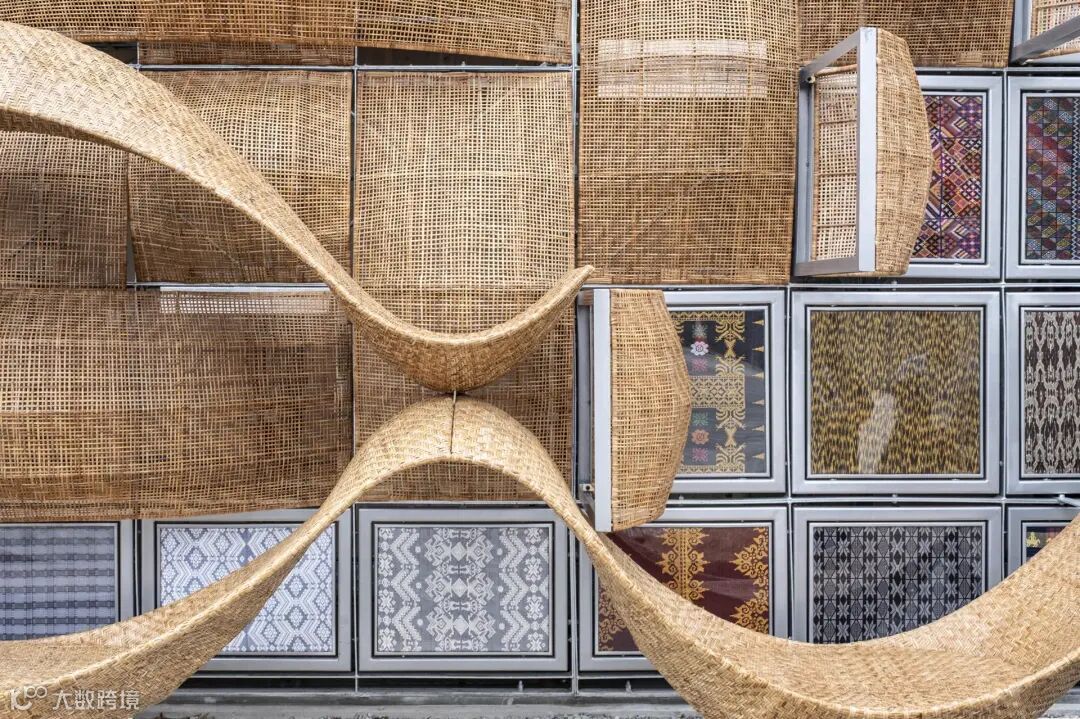
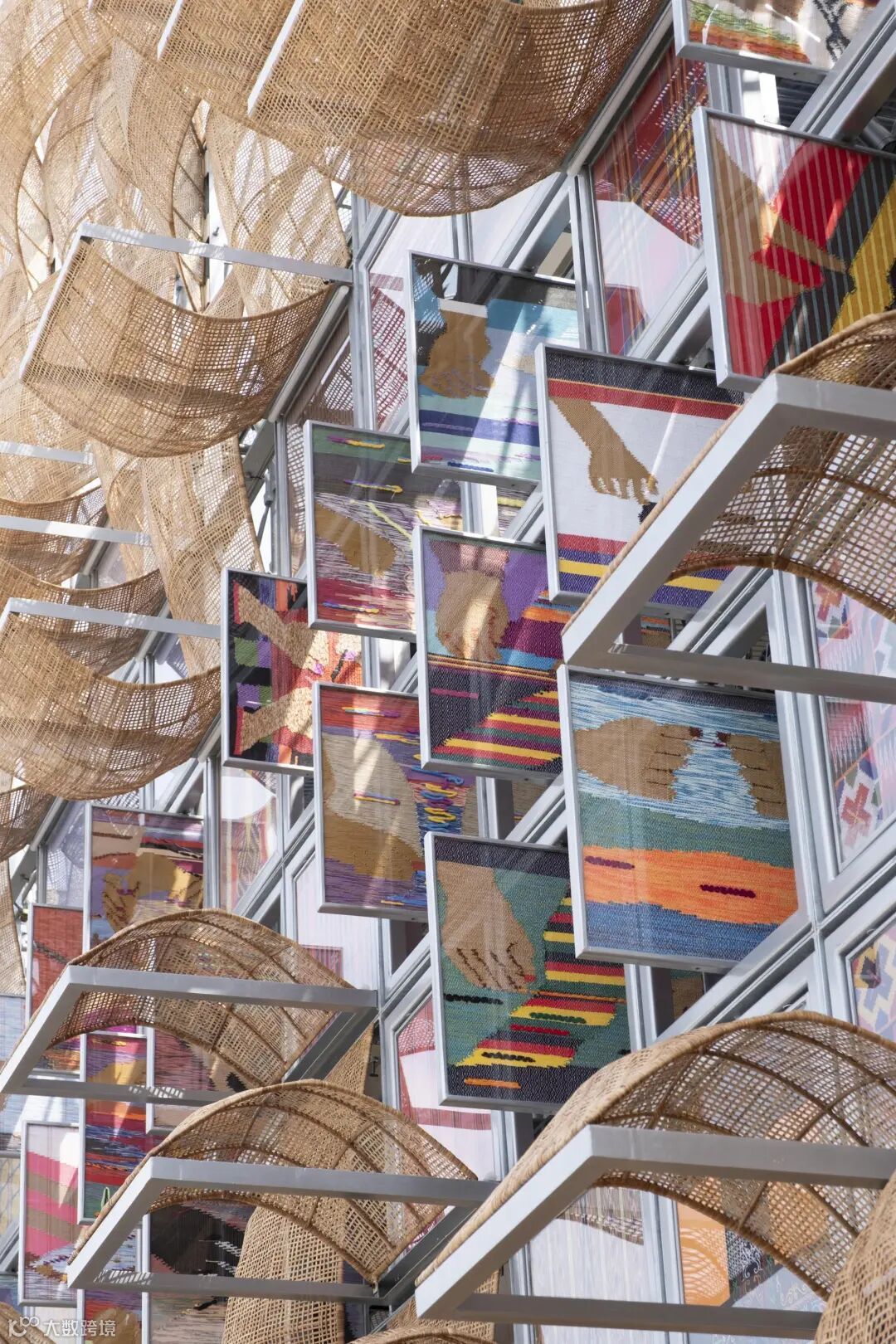
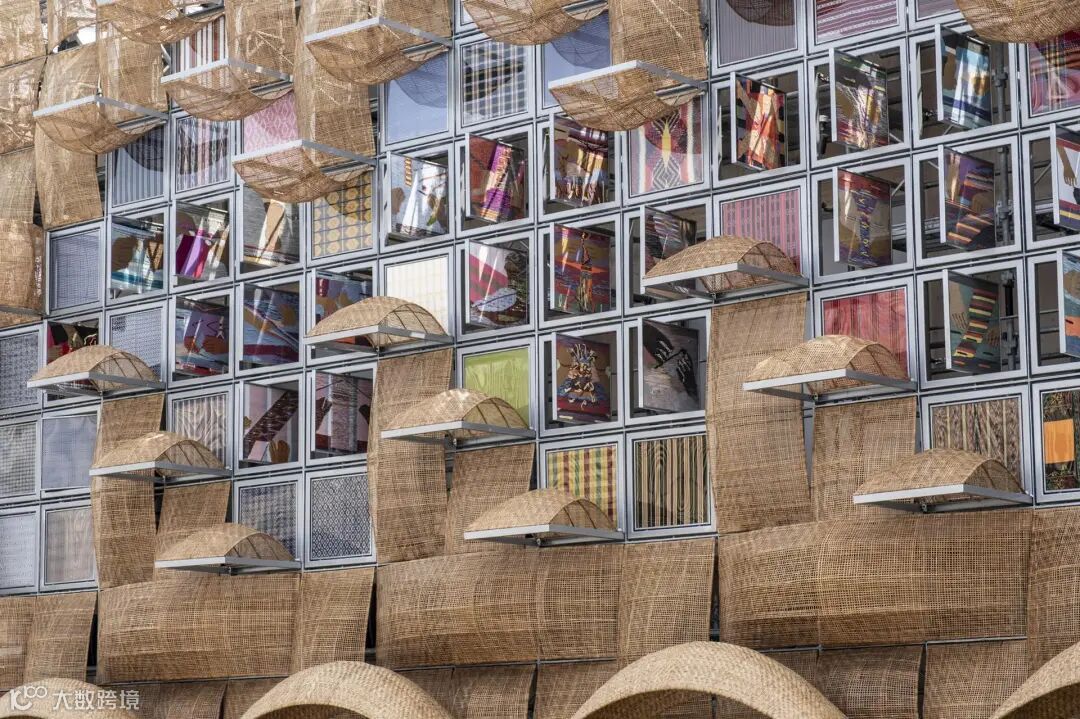
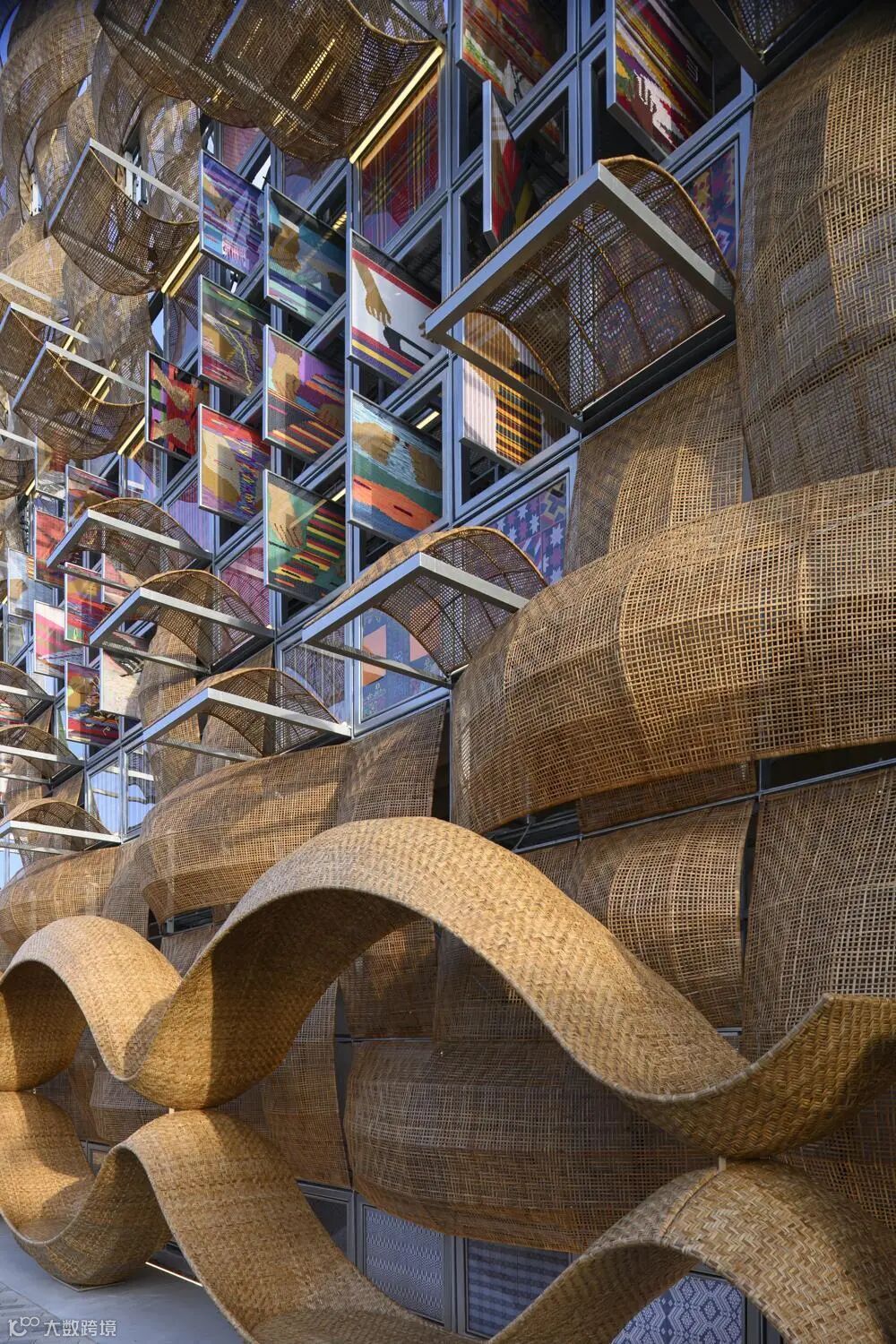
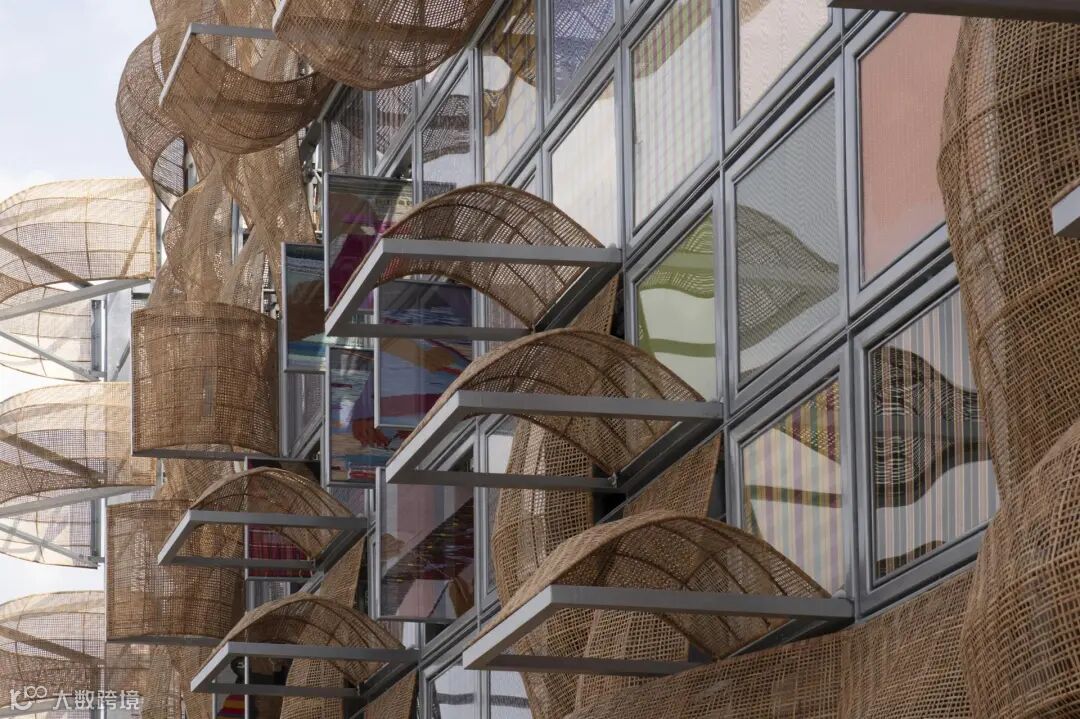
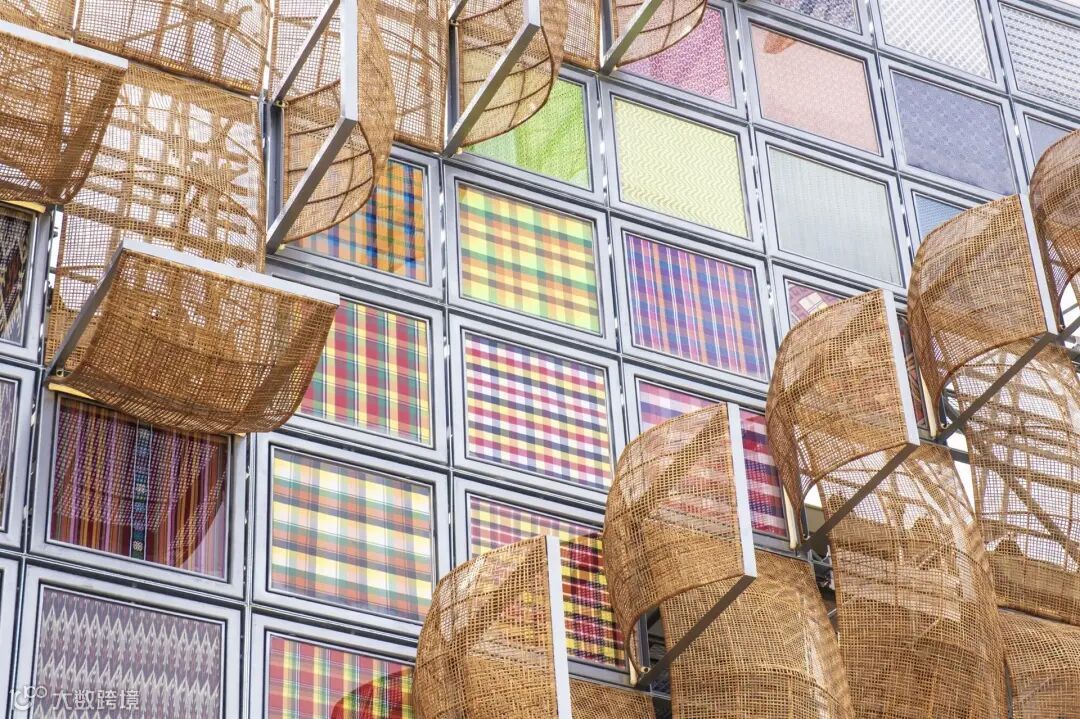
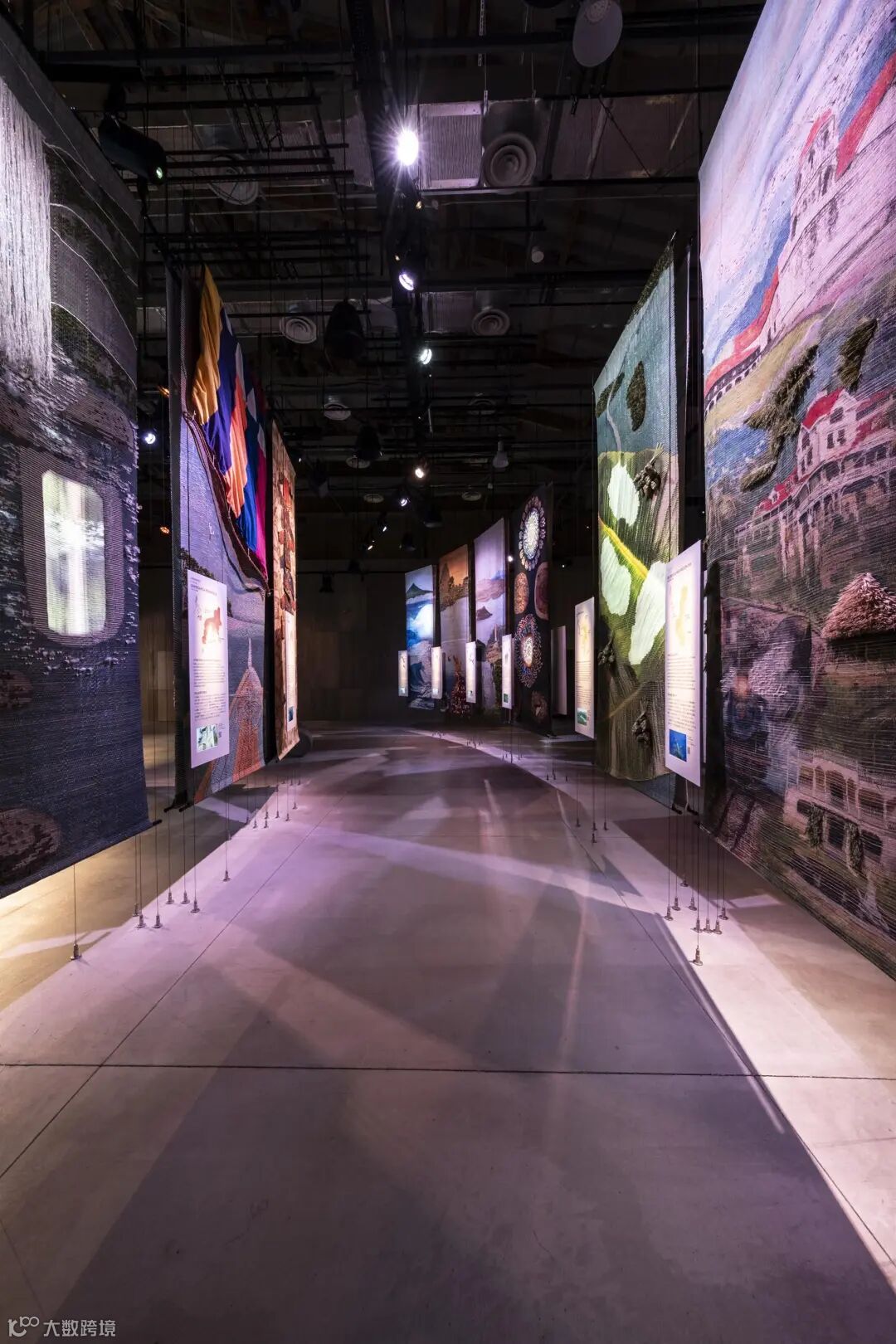
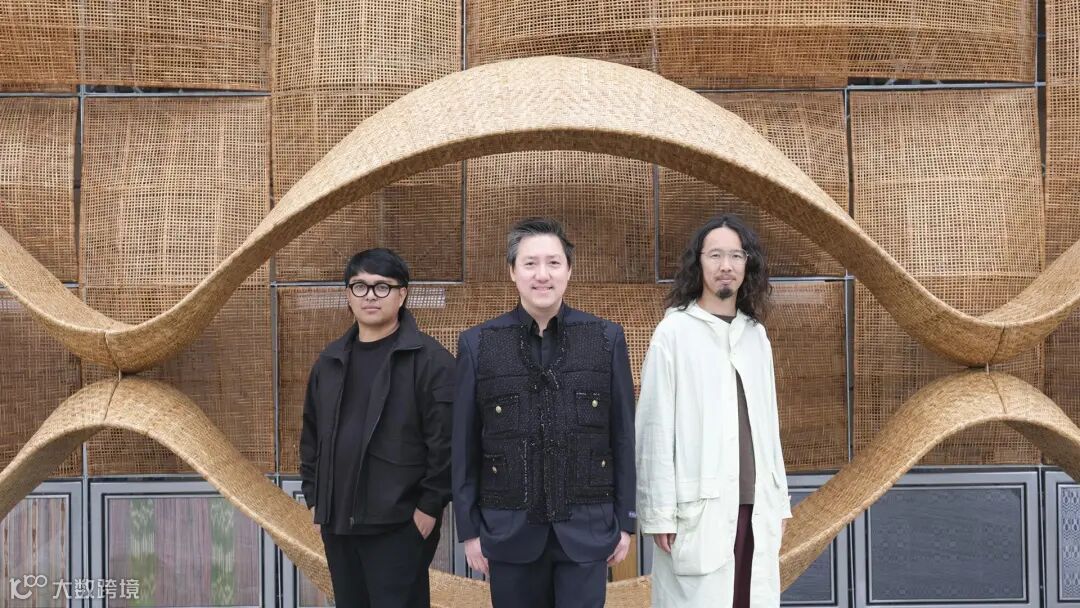
The pavilion's design draws inspiration from the art of Filipino weaving, which aims to symbolize interconnection and resilience. Its architecture mirrors the structure of "warp and weft," representing unity, strength, and progress. Constructed with over 1,000 rattan threads and featuring 212 handwoven panels, the pavilion elevates traditional weaving into an architectural scale, creating a structure that expresses continuous progress with symbolic extending threads. These panels, created by local artisans from communities across the Philippines, are a tribute to the country's weaving heritage and showcase the diversity of its 18 ethnolinguistic regions. By scaling traditional weaving techniques to an architectural level, the pavilion aims to showcase the relevance of Filipino craftsmanship in a contemporary context.
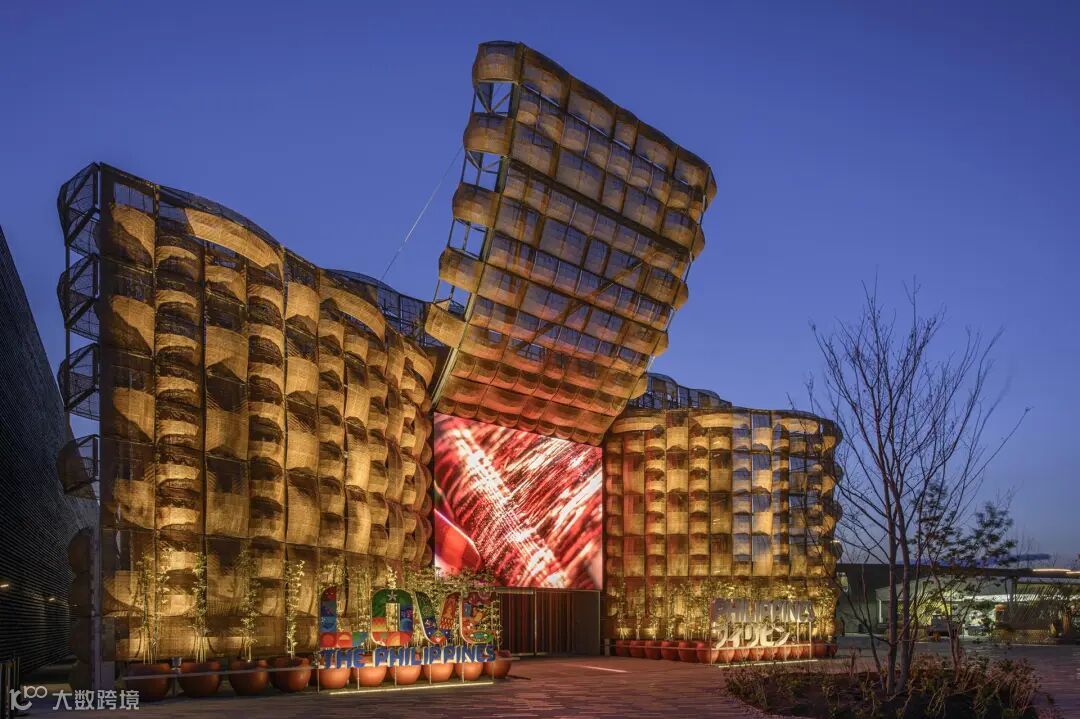
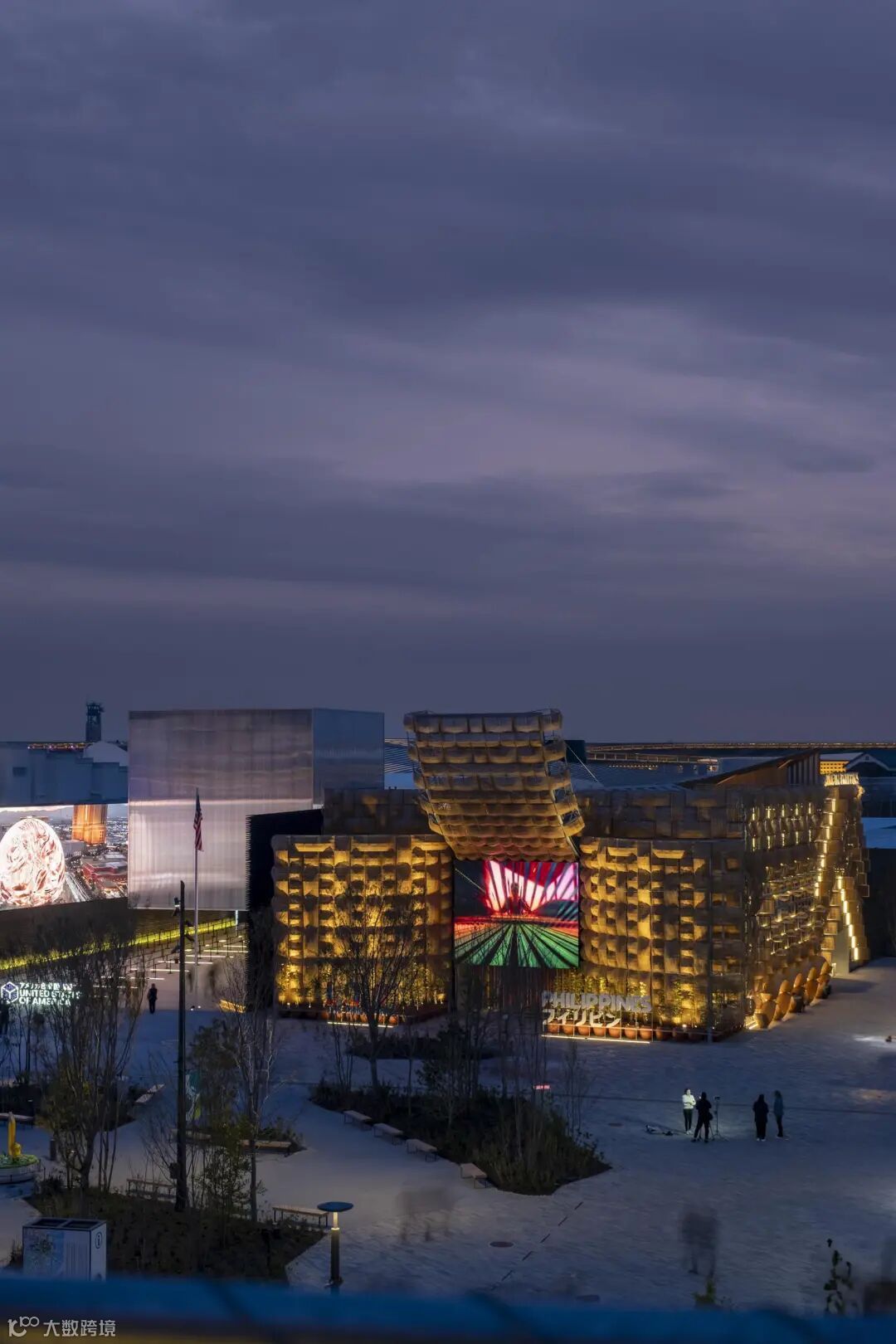

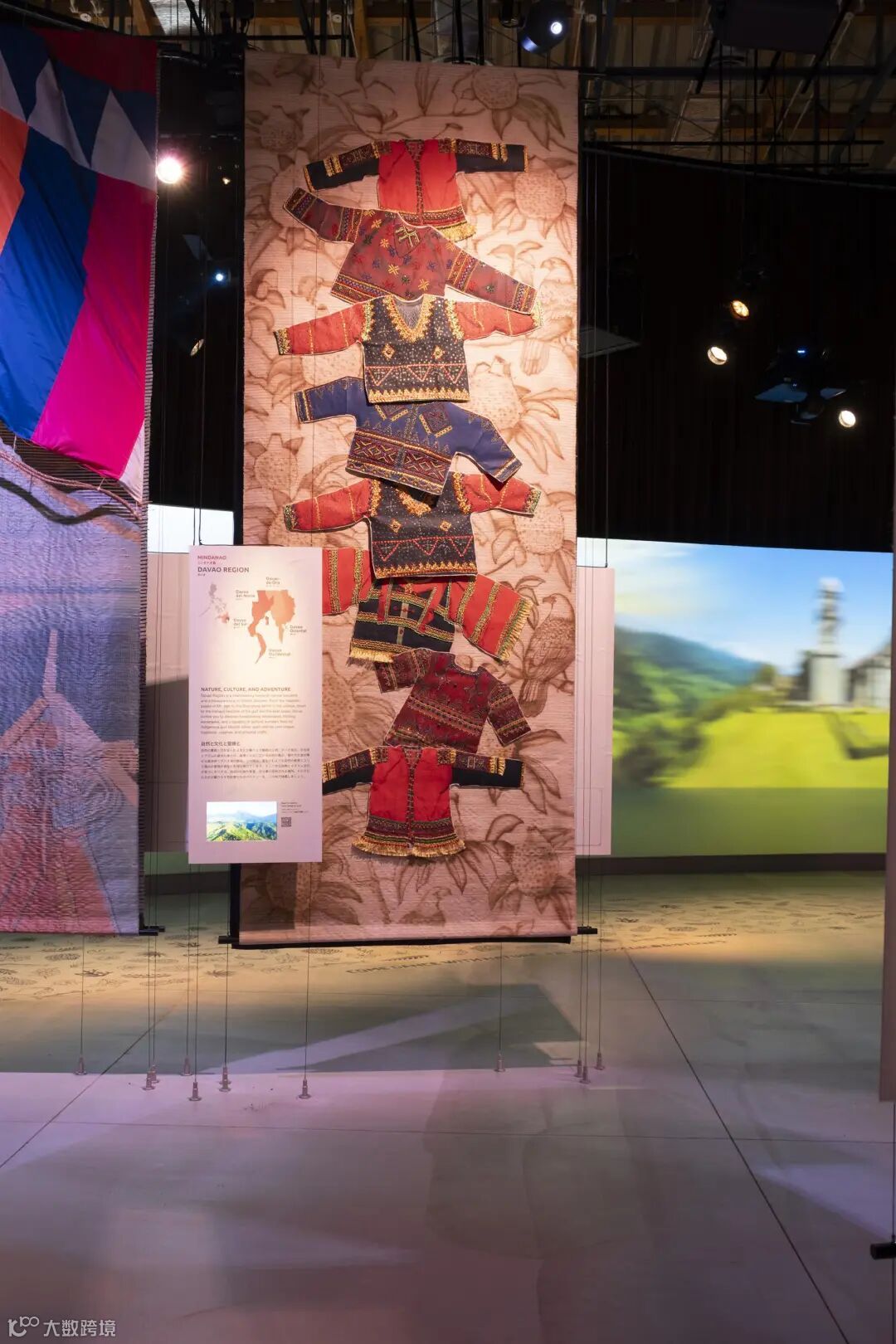
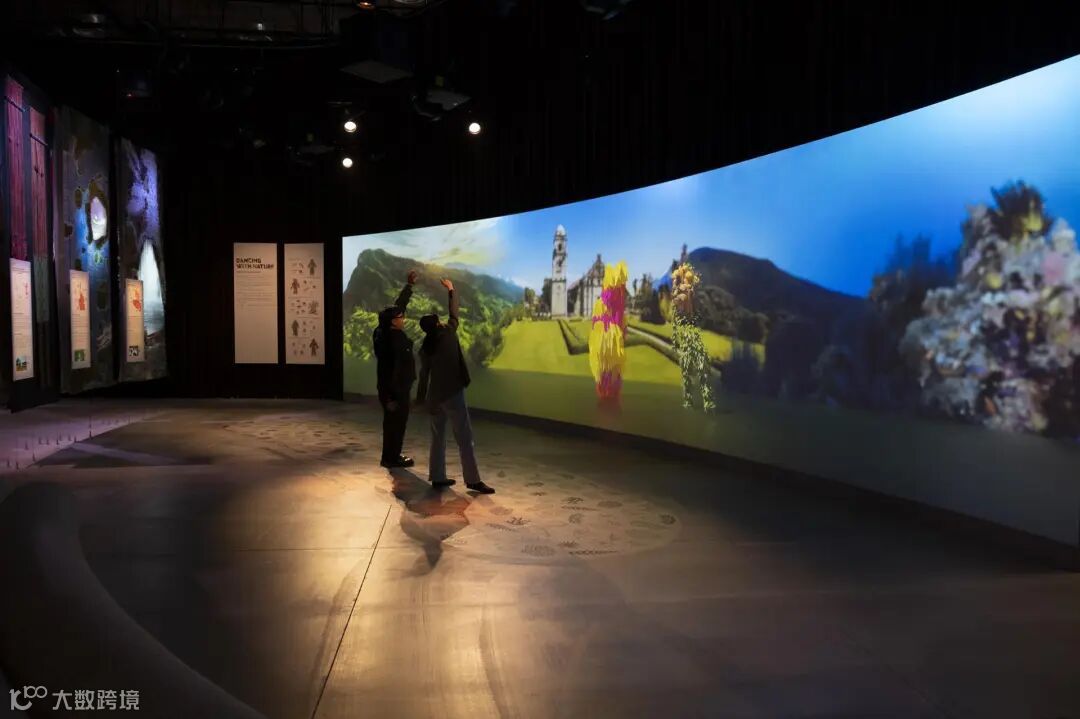
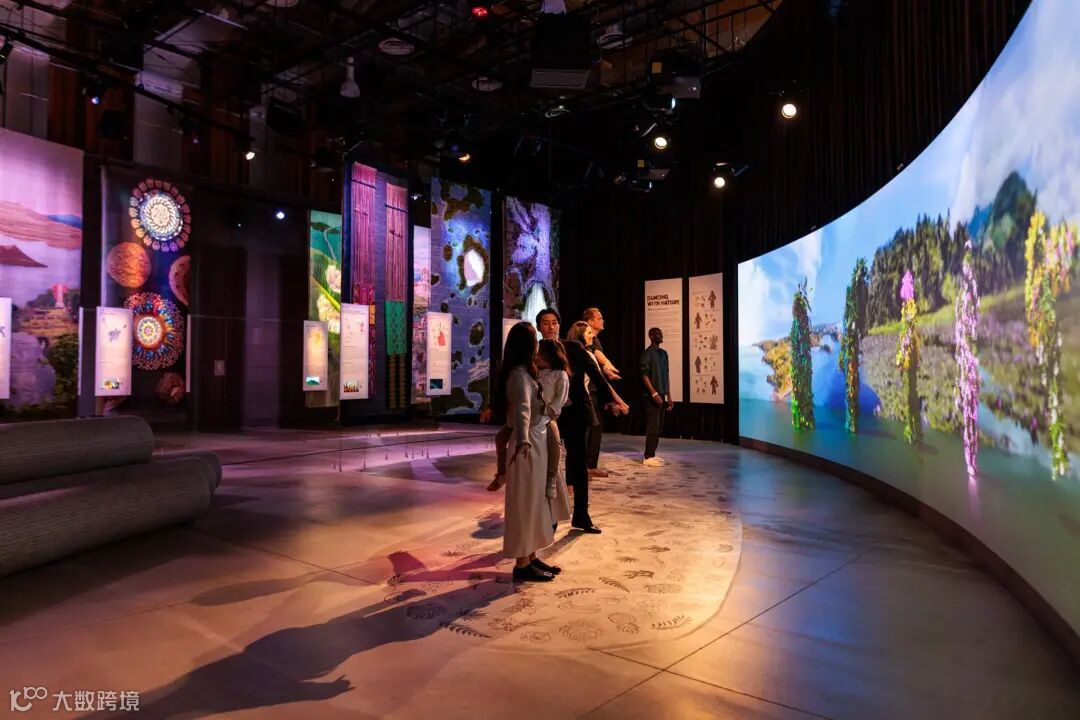
The pavilion explores the theme "Nature, Culture & Community" through its design and exhibits, seeking to highlight the country's rich biodiversity by incorporating natural materials and interactive displays that promote environmental awareness. Nature is represented through a focus on the Philippines' megabiodiversity, encouraging visitors to discover its natural landscapes and learn the importance of preserving them for future generations. Culture highlights Filipino creativity and innovation, particularly the transformation of natural and waste materials into sustainable products using emerging technologies. Community reflects the strength of unity and diversity, inviting visitors to experience the Filipino Fiesta spirit through exhibits and live performances that emphasize common ground and shared celebration.

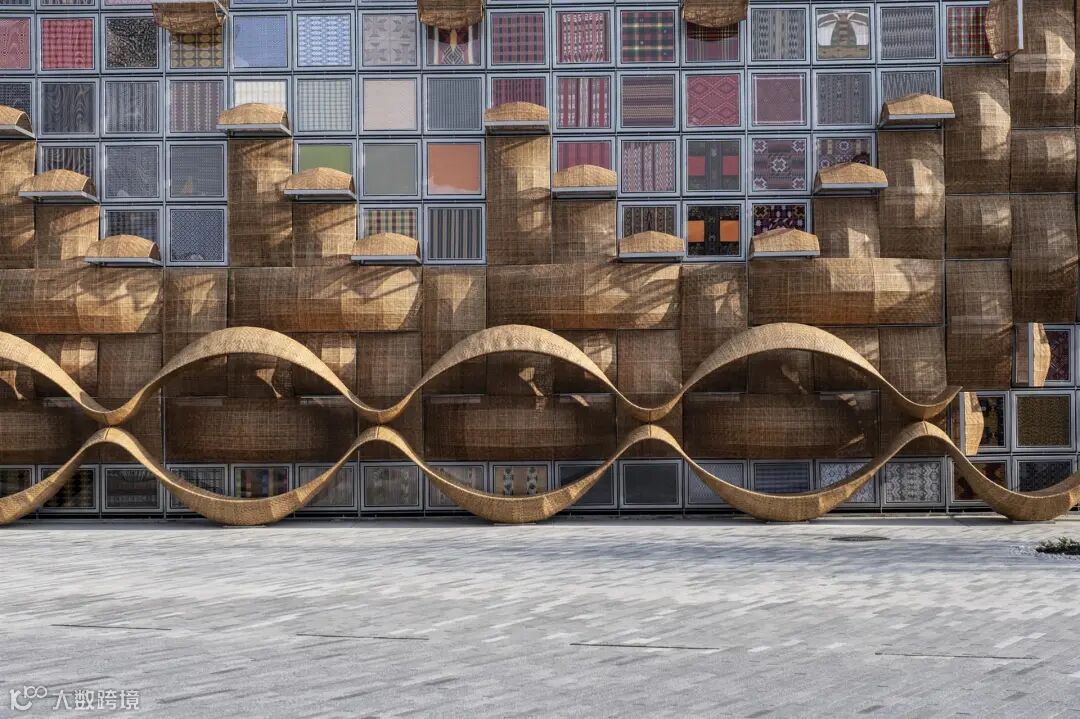

The pavilion's design also emphasizes collaboration, incorporating contributions from various weaving communities in what is described as the largest-ever collaboration of Filipino weavers for a single project. Artisans from 18 regions contributed to the pavilion, creating intricate handwoven textiles and rattan panels that embody local traditions while showcasing sustainable materials like abaca, pineapple fiber, silk, and bamboo.


Additionally, the design prioritizes sustainability, using renewable and reusable materials to minimize waste and environmental impact. Circularity principles are embedded into the pavilion's construction, ensuring materials can be reduced, repaired, refurbished, and recycled. Indigenous renewable materials like rattan and textiles are central to the design, celebrating Filipino craftsmanship while promoting eco-friendly practices. After the Expo, modular components of the pavilion will be transferred to the National Museum of the Philippines, reflecting an effort to extend its cultural and educational value. This approach aligns with the Philippines' broader efforts to respond to global sustainability challenges and promote environmentally conscious practices.

The Expo Osaka 2025 will run for 184 days, from April 13 to October 13. Other nations have also opened their pavilions to the public, each reflecting their unique themes and priorities. The United Kingdom's pavilion explores artificial intelligence as a tool for humanity, showcasing how it can address global challenges. Switzerland's pavilion highlights the theme of nature and innovation, focusing on sustainability and its mountainous landscapes. Meanwhile, The Netherlands' pavilion emphasizes clean energy and circular design, presenting solutions for a sustainable future.







本资料声明:
1.本文为建筑设计技术分析,仅供欣赏学习。
2.本资料为要约邀请,不视为要约,所有政府、政策信息均来源于官方披露信息,具体以实物、政府主管部门批准文件及买卖双方签订的商品房买卖合同约定为准。如有变化恕不另行通知。
3.因编辑需要,文字和图片无必然联系,仅供读者参考;

微信公众号“搜建筑”(ID:sjz9999)
合作、宣传、投稿
联系微信:soujianzhu006