









Welcome to follow us!


Hydrogen fuel cells and internal combustion engines (ICEs) both power vehicles, but their operation and impact are very different.
ICEs burn petrol or diesel, converting fuel to heat and mechanical motion, emitting CO₂, NOₓ, and particulates. Hydrogen fuel cells, in contrast, generate electricity through an electrochemical reaction: hydrogen and oxygen meet in the fuel cell stack, producing electricity, heat, and water vapour.
To understand the science behind this process, this article explains how hydrogen fuel-cell technology works, breaking down the role of each cell component and why this non-combustion method leads to such high efficiency and low emissions.
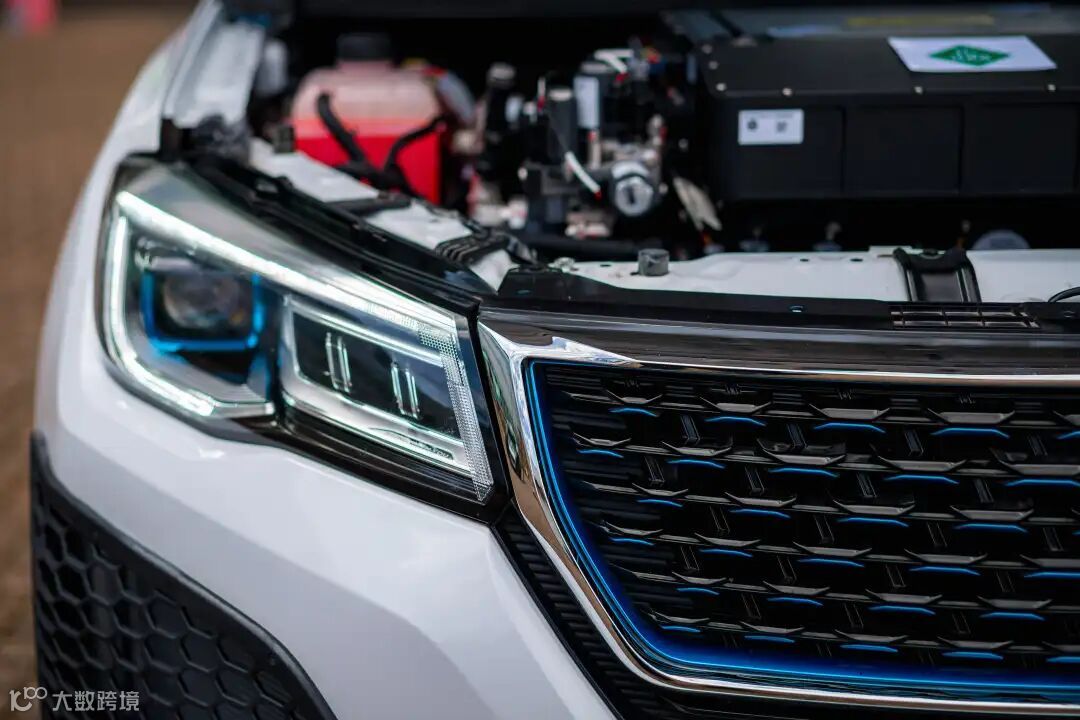


Transport is currently the UK’s largest emitting sector, accounting for 29.1% of greenhouse gas emissions in 2023, with road transport responsible for most of that total, according to the UK Government GHG report 2024. As part of its net zero plan, the UK Hydrogen Strategy aims to deliver 10 GW of low-carbon hydrogen production capacity by 2030, with at least 6 GW from green hydrogen.
This growing national focus on hydrogen aligns with long-term emission goals and strategic energy security. However, the UK currently only has around 9 publicly accessible hydrogen refuelling stations, down from 15 at its peak, following the closure of several low-capacity locations. Compare that with over 50,000 electric vehicle charging points, and the infrastructure gap becomes clear!

Legislation such as the Energy Act 2023 is helping to unlock regulated frameworks for hydrogen production, pipeline development, and commercial rollout. These changes are essential for scaling fuel-cell solutions nationwide.


One of the biggest advantages hydrogen fuel cells have over traditional combustion engines is refuel time and range. Hydrogen fuel cell vehicles can be refuelled in minutes and offer ranges comparable to diesel, making them ideal for commercial transport, logistics, and municipal fleets.
Battery-electric vehicles, while suitable for short trips, often struggle with long recharging times and reduced performance in cold weather. This makes hydrogen particularly attractive for high-demand, heavy-duty applications.


It’s also important to note that not all fuel cells are built the same. There are several types, each suited to different use cases based on temperature, size, and power demands. This breakdown of fuel cell types compares key systems like PEM (proton exchange membrane), SOFC (solid oxide), and alkaline fuel cells, showing how fuel-cell technology can be optimised for transport, stationary power, aerospace, and more.
This flexibility makes hydrogen fuel cells more versatile than combustion engines, which are often limited by engine tuning, fuel type, and environmental constraints.


The source of hydrogen matters. While hydrogen fuel-cell vehicles emit only water vapour at the tailpipe, their true carbon footprint depends on how the hydrogen itself is produced. Currently, hydrogen comes in three main forms:
Grey hydrogen: made from natural gas without capturing emissions
Blue hydrogen: produced from fossil fuels with carbon capture
Green hydrogen: generated via electrolysis powered by renewable energy
The UK government supports a “twin-track” approach, backing both blue and green hydrogen to meet initial demand. But for a truly zero-emission future, this article on green, blue, and grey hydrogen production explains why green hydrogen is the only truly sustainable long-term option.


Despite their benefits, hydrogen fuel cells still face some barriers. The infrastructure to store, transport, and distribute hydrogen at scale is limited, especially compared to the rapid build-out of EV chargers. Hydrogen remains more expensive per kilometre than diesel or electricity due to limited production and supply chain scale.
However, these costs are falling. Advances in electrolyser technology, larger production facilities, and increased regulatory support through the Energy Act 2023 are making hydrogen a much more viable option. Public-private initiatives, like the UK’s £240m Net Zero Hydrogen Fund, are accelerating this transition.


Hydrogen fuel-cell technology is not just a cleaner alternative to combustion – it’s a smarter, more efficient, and more scalable solution. As battery-electric vehicles serve urban transport and passenger cars, hydrogen fills the critical gaps: long-haul logistics, heavy machinery, off-grid power, and future-ready public transit.
At Intelligent Energy, we’re developing cutting-edge fuel cell systems for a range of industries including automotive, aviation, telecoms and construction. To find out more about our products and how we’re supporting low-carbon innovation across multiple sectors, visit our product pages or get in touch with our team today.