



Steel Tire Cord
Requirements and Trends
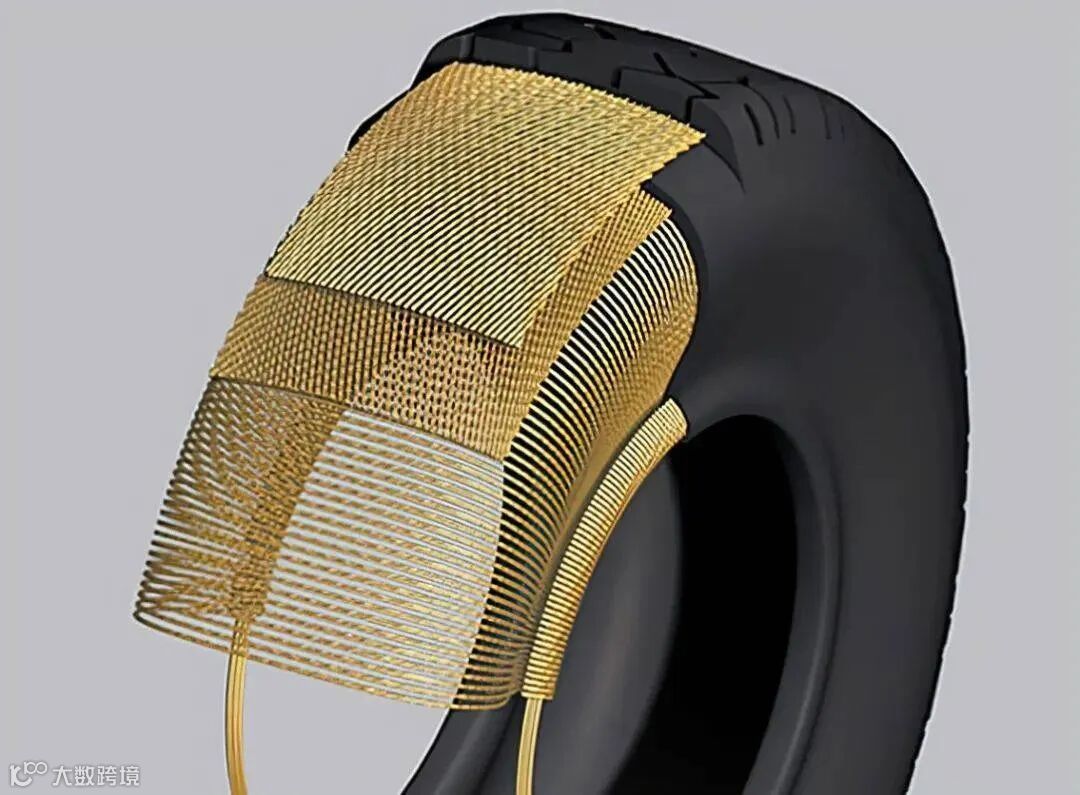
Steel cord is the main skeleton material of radial tire, mainly used for tire carcass and belt layer. Taking radial truck tire as an example, steel cord accounts for about 20% of the mass of all-steel radial truck tire, and its cost accounts for about 20% of the total material. 35% of the cost.
Product descriptions
Requirements
Specifications
Developments
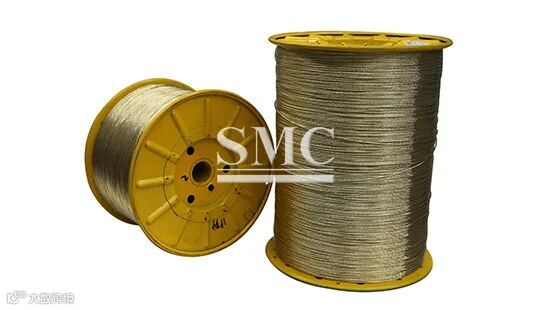

Product descriptions
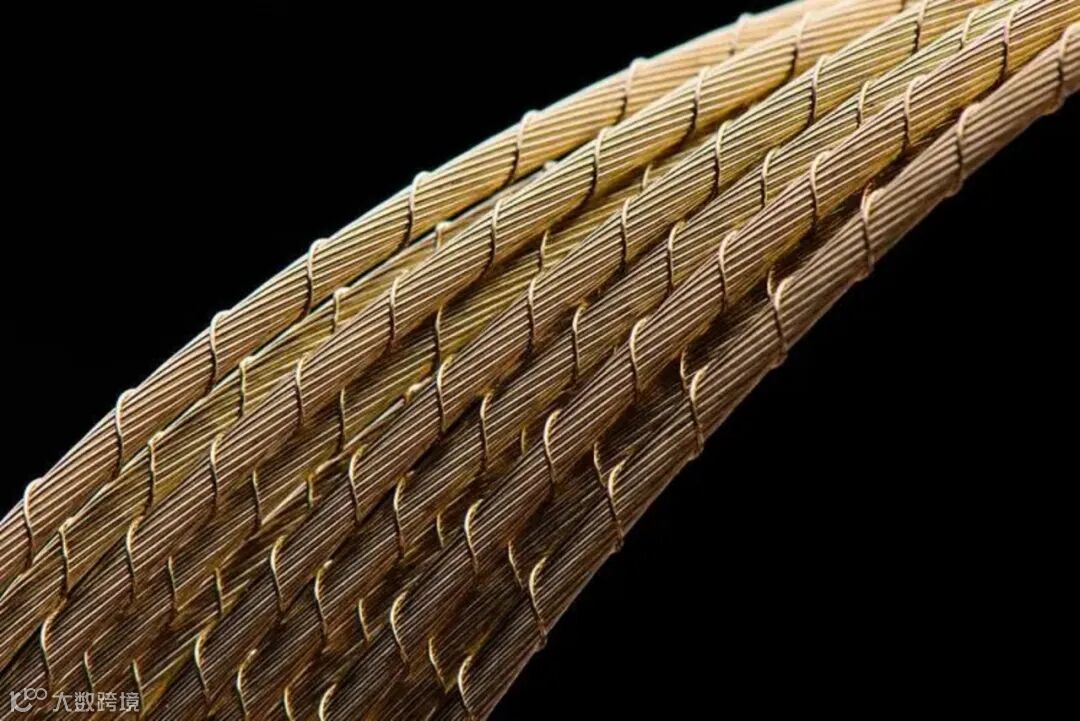
Steel cord has good heat resistance, zero creep, and good impact resistance. Its high tensile modulus makes the tire size stable; its high compression modulus is beneficial to the lateral rigidity of the tire when turning.
The requirements for steel cords in the carcass layer of radial tires are high tensile strength, good fatigue resistance, wear resistance, and good adhesion to rubber.
The requirements for belt steel cords are high modulus, high strength, high rigidity, cutting resistance, corrosion resistance, and good adhesion to rubber.
Studies have reported that reducing the weight of the carcass by 1 kg can reduce rolling resistance by 20%, which is equivalent to reducing the car body by 80kg, which requires carcass steel cords to have higher strength.
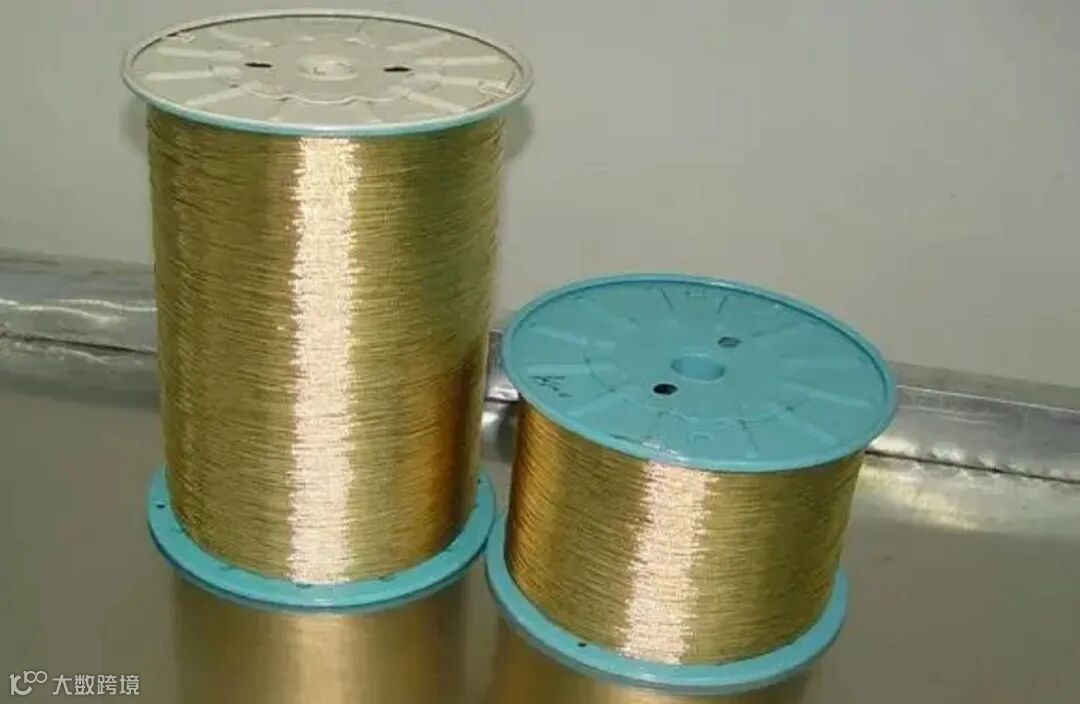
The monofilament (steel wire) of the steel cord is made of cold-drawn high-carbon steel wire rod, and the melt-blown steel wire has no industrial application. The production process of the steel cord is to draw the steel cord into extremely thin filaments (0.15-0.38 mm) with a wire rod. 8/8.
The manufacture of steel cord wire rods for radial tire frame materials requires strict chemical composition range control, strict inclusion type, size, shape and quantity control, composition segregation in the solidification process should be minimized as much as possible, uniform metallographic structure and good Surface quality is one of the important indicators to measure whether the production technology level of iron and steel enterprises is advanced or not.
The production of Chinese steel mills can already meet most of the steel cord wire rod market demand, but there are still some high-end steel cord wire rods with special requirements that need to be imported, such as: steel cord with higher requirements on fatigue life and strength Wire rod, especially products for external winding (extremely fine gauge, special torsion requirements, impact resistance).
Considering the yield and material stability, many steel cord manufacturers still choose imported materials.

General requirements
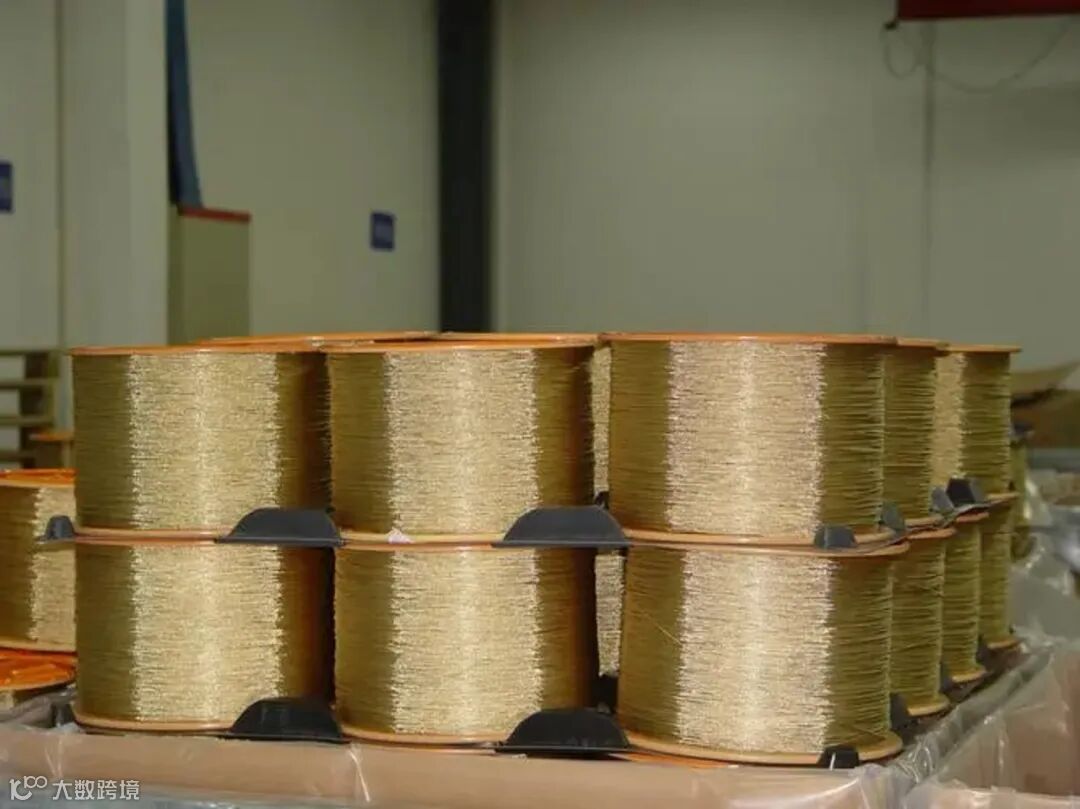
Tire steel wire has high requirements for wire rod production, drawing, electroplating, storage, use and other processes, and oxidation spots and surface scratches are not allowed on the surface and interior of the steel wire. The diameter of steel wire is mostly 0.175~0.38mm, and 0.15mm is also used. Generally, the thinner steel wire is used for the carcass, and the thicker one is used for the belt layer.
The strength of ordinary cord steel wire is generally 2.5GPa. In recent years, high-strength cord steel wire has been widely used, and its strength is 20% higher than ordinary cord steel wire, reaching 3.0GPa.
Several steel wires are twisted together according to a certain structure and twist to form a steel cord. The steel cord can have a core wire or no core wire; it can have an outer winding wire or no outer winding wire. The purpose of the outer winding is to make all the steel wires in the steel cord more compact and not loose, and to improve the fatigue performance of the steel cord and the adhesion performance of the rubber, but the above problems can also be solved by using a suitable twist method.
The basic structure of steel cords for tires has four types: single twist, double twist, triple twist and double twist, which can be selected according to the specifications of the tire and the location of use, so as to reasonably select the performance of the cord.

Specifications
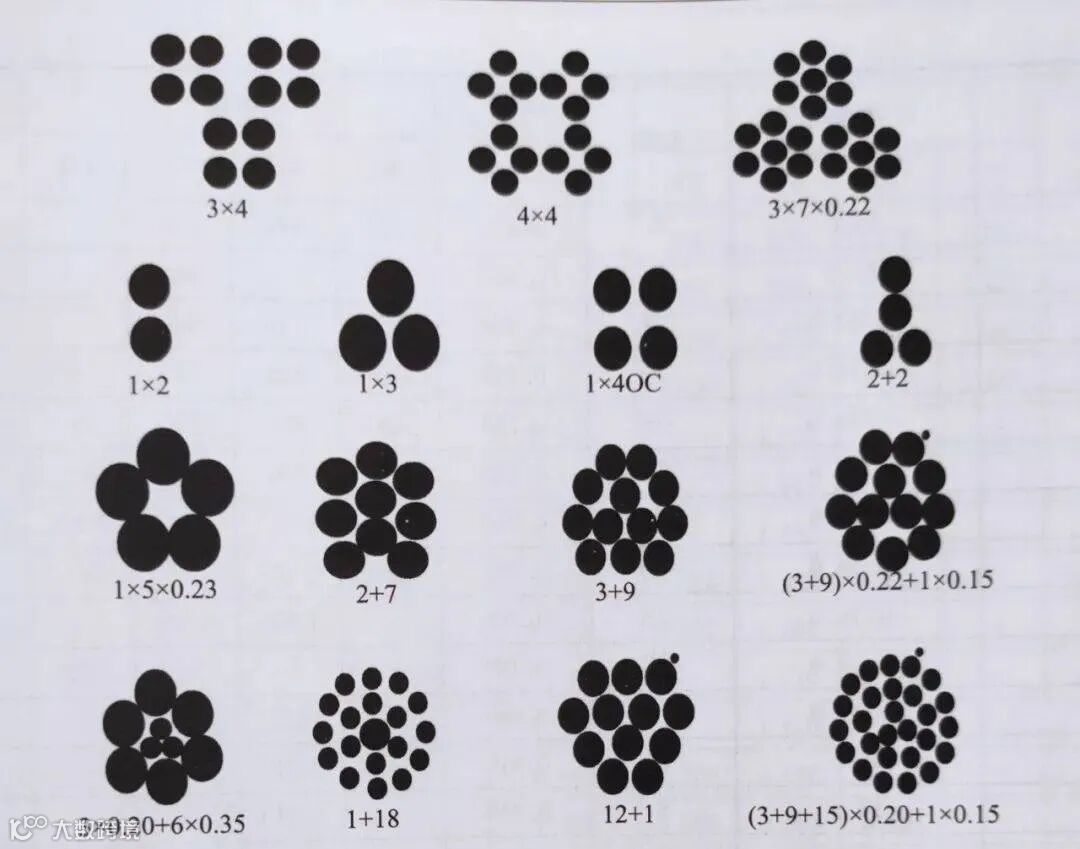
Sectional structure of common tire carcass and belt steel cord:
The requirements of the steel cord for the carcass are high strength and high flex resistance, as well as structural uniformity, adhesion performance, adhesion retention performance and durability performance (the ability of the cord to resist water and moisture erosion), etc. The tightness steel cord without outer wrap has good durability, and 12×1 and 19×1 are the representative structures of this kind of cord. Cords with a layered structure (the twist direction and lay distance of steel wires in different layers are different), such as 3+9 and 3+9+15, the steel wires of different layers are in point contact, which is not as good as the cord in which the steel wires are in line contact close.
The contact pressure and mutual wear between the compact cord steel wires are small, and it has good wear resistance and fatigue resistance. In addition, better flex fatigue resistance can be obtained by using compact steel cords than by layered steel cords, and the amount of steel cords can be saved.
Light-duty truck tires generally use 3×1.2+9X0.175 HT steel cords; truck tires generally use 3×0.22+9×0.20 HT, 0.20+18×0.175, 0.22+18×0.20, etc. Structural steel cords.

Developments
1) Ultra-high-strength steel wire
By adjusting the metallographic structure of the steel wire, innovating drawing and heat treatment techniques, etc., we have developed an ultra-high-strength steel wire with a strength of more than 50% higher than the current cord steel wire, that is, the strength reaches about 4.0GPa.
2) Ultra-fine super-strength steel wire for car radial tire carcass
3) Various new structural steel cords suitable for different parts of tires


Contact Us