[1] Stratigos AJ, Garbe C, Dessinioti C, et al. European interdisciplinary guideline on invasive squamous cell carcinoma of the skin: Part 1. epidemiology, diagnostics and prevention. Eur J Cancer. 2020;128:60-82. doi:10.1016/j.ejca.2020.01.007
[2] Stratigos AJ, Garbe C, Dessinioti C, et al. European interdisciplinary guideline on invasive squamous cell carcinoma of the skin: Part 2. Treatment. Eur J Cancer. 2020;128:83-102. doi:10.1016/j.ejca.2020.01.008
[3] Tschetter AJ, Campoli MR, Zitelli JA, Brodland DG. Long-term clinical outcomes of patients with invasive cutaneous squamous cell carcinoma treated with Mohs micrographic surgery: A 5-year, multicenter, prospective cohort study. J Am Acad Dermatol. 2020;82(1):139-148. doi:10.1016/j.jaad.2019.06.1303
[4] Pardoll DM. The blockade of immune checkpoints in cancer immunotherapy. Nat Rev Cancer. 2012;12(4):252-264. Published 2012 Mar 22. doi:10.1038/nrc3239
[5] Ladwa R, McLean L S, McGrath M, et al. The evolving role of Immune Checkpoint Inhibitors in Cutaneous Squamous Cell Carcinoma: across the disease spectrum[J]. EJC Skin Cancer, 2025: 100767.
[6] Arron ST, Ruby JG, Dybbro E, Ganem D, Derisi JL. Transcriptome sequencing demonstrates that human papillomavirus is not active in cutaneous squamous cell carcinoma. J Invest Dermatol. 2011;131(8):1745-1753. doi:10.1038/jid.2011.91
[7] Dimon MT, Wood HM, Rabbitts PH, Liao W, Cho RJ, Arron ST. No evidence for integrated viral DNA in the genome sequence of cutaneous squamous cell carcinoma. J Invest Dermatol. 2014;134(7):2055-2057. doi:10.1038/jid.2014.52
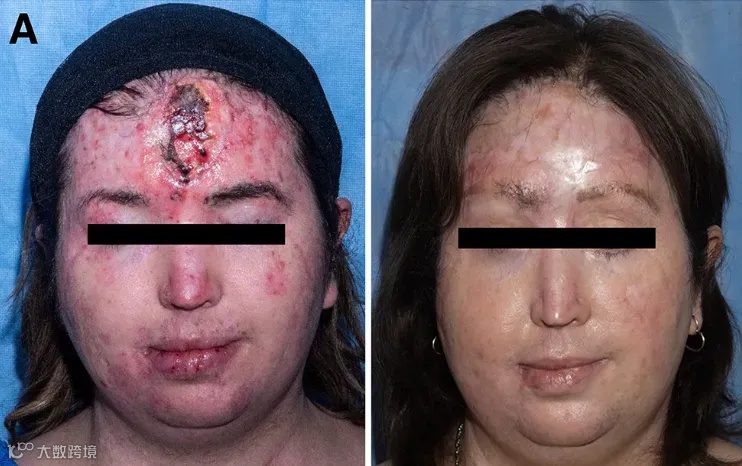
[8] Ye P, Bergerson JRE, Brownell I, et al. Resolution of Squamous-Cell Carcinoma by Restoring T-Cell Receptor Signaling. N Engl J Med. 2025;393(5):469-478. doi:10.1056/NEJMoa2502114