


昨日,央行(People's Bank of China)发行了2015年版第五套人民币(the fifth set of notes)100元纸币。
▼2015版百元人民币进入流通 被称“土豪金”
新版100元新特征
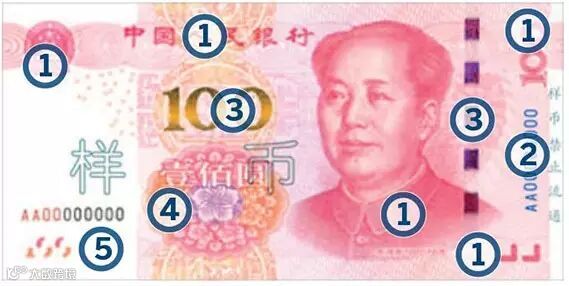
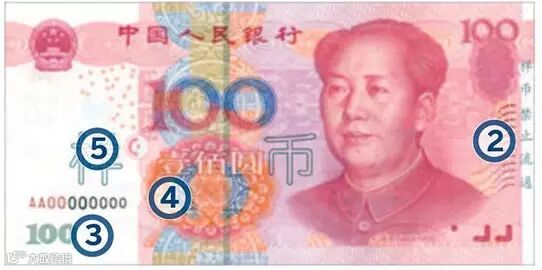
这张新版的百元大钞,与正在流通中的100元纸币有什么不一样?对应下面两张图上的数字,我们来给你解说一下。
▼新版
▼旧版
➀
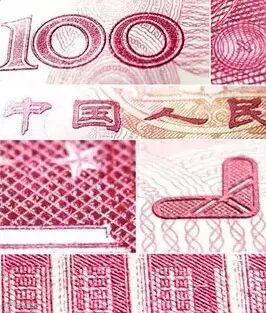
These five areas use a special Intaglio print technique that can be felt by fingertips.
这五处使用了雕刻凹印技术,用手指触摸有明显凹凸感。
➁
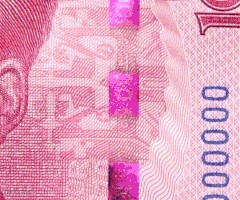
The tactile strip from the older design is removed and replaced by a serial number printed in blue.
取消了旧版人民币的凹印手感线,替换为蓝色竖号码。
➂
On the previous bill, the numeral 100 at the lower left changes color when you shift the bill from vertical to horizontal. That"100" has been moved to the center and, with the security strip, turns green as the bill is shifted from vertical to horizontal.
旧版人民币左下角的数字100在纸币由垂直变为水平时会变换颜色。新版人民币中,这个“100”被移至票面中央,和安全线一样,在钞票由垂直变为水平时,会变成绿色。

➃
The color and line structure of the floral pattern at the center are changed.
中央团花图案的花卉色彩和接线形式有所改变。
➄
The see-through register is moved and changed from the antique coin to the numeral "100".
胶印对印图案位置调整,并由古钱币图案改为面额数字“100”。
▌关键词
Intaglio print 雕刻凹印
tactile strip 手感线
numeral 数字
serial number 号码
security strip 安全线
floral pattern 团花图案
line structure 接线形式
see-through register 对印
人民币“成长”史
▼第一套人民币,1948年12月1日发行
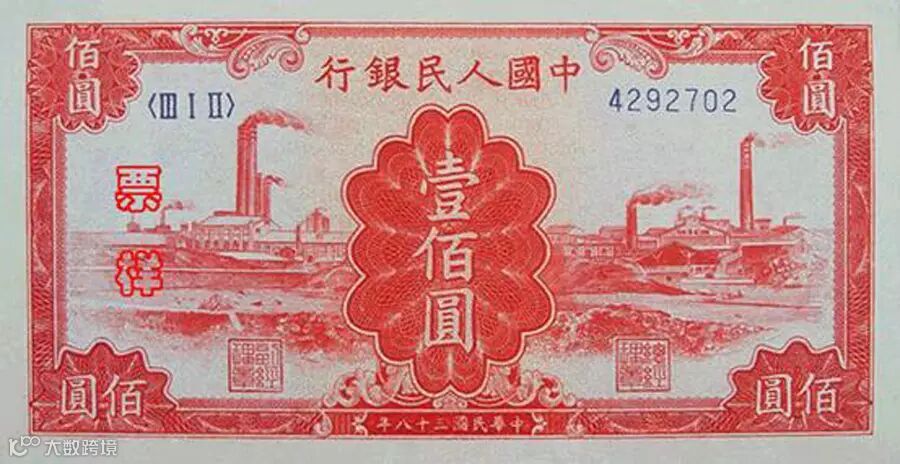
历史上第一套人民币(The first series of renminbi),由中国人民银行于1948年12月1日发行。
共计12种面额(12 denominations)62种版别(62 different designs)。
纸币最高面额不是100元,而是5万元,堪称中国人民币演变史中最高面额纸币。
▼第二套人民币,1955年3月1日发行

第一套人民币流通的第八年,国内通货膨胀问题越加明显,该套人民币额度过大问题也开始凸显。
为解决第一套人民币币值问题,1955年2月1日国务院发布《关于发行第二套人民币和收回第一套人民币的命令》,规定收回的折合率(exchange rate)为1:10000。
也因此,第二套人民币和第一套人民币形成了鲜明对比,前者成为迄今为止国内发行的五套人民币中币值面额最小的,不仅1分钱首次亮相,而且最大面额仅为10元。
▼第三套人民币,1962年4月20日发行

第三套人民币,与第二套人民币比价相等,并在市场上与之混合流通(second- and third-series bills were used concurrently)。
第三套人民币首次使用了多色印刷技术(multicolor printing technology)。
▼第四套人民币,1987年4月27日发行

与第三套人民币相比,第四套人民币增加了50、100元大面额人民币。
100元券采用四位领袖(four of the founders of the People's Republic of China)浮雕像;
50元券正面主景是工人、农民、知识分子头像;
从10元券开始到1角券,正面主景是中国各民族代表人物头像。
▼第五套人民币,1999年10月1日发行
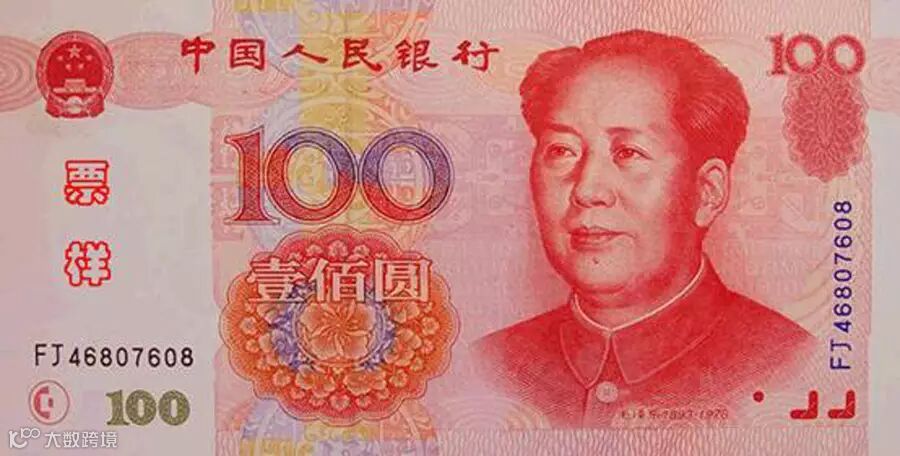
第五套人民币增加了20元面额,取消了2元面额,使面额结构更加合理。
所有面额正面全都采用了毛爷爷的头像。
同时,这套人民币对防伪特征及其布局进行了调整,更易于识别真伪。
(编辑:左卓)