
 如今,日本约有100万男性正蛰居家中,“蛰居”在日本已成为一种社会健康危机。
请看《每日邮报》的报道:
Hikikomori's the social and health crisis plaguing almost 1m Japanese people. The sufferers of "Hikikomori" - mostly young men - have such severe social withdrawal they isolate themselves in their bedroom.
"蛰居"如今已成日本的社会和健康危机,困扰了约100万日本人。"蛰居"患者大多为年轻男性,他们非常想逃避社会,把自己关在卧室里。
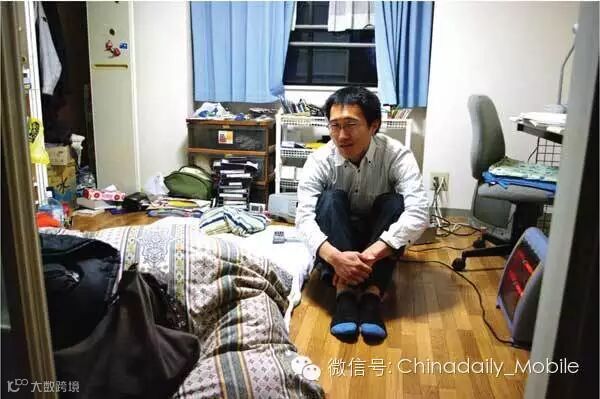
日本劳动卫生福利部把"蛰居族(Hikikomori)"定义为超过半年不接触社会——主要为不上学、不上班,并且不与外人有任何交往的人(people who do not participate in society - mainly work or study - and do not have any close non-familial relationships)。据悉,日本父母对他们的孩子过度溺爱(overprotective to their children),一些人很难独立。这是为什么日本相比西方国家"蛰居族"多得多的一个重要原因。
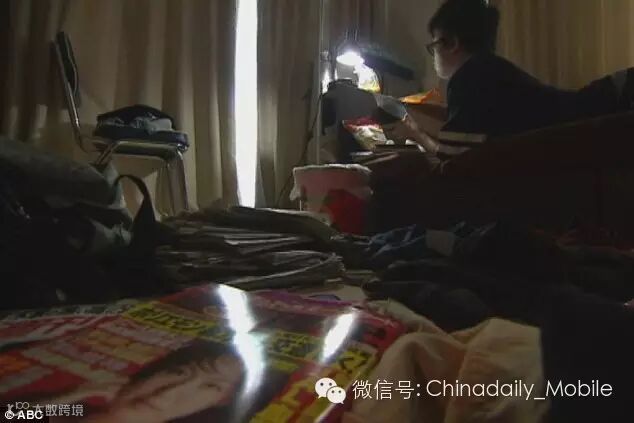
这些年轻人通常都来自中产家庭(middle-class families),大部分都是男性,而且开始自闭(withdrawal)的平均年龄为15岁。蛰居族的症状因人而异。一些人会交替出现暴力行为和幼稚行为(violent outbursts alternate with infantile behavior),比如抚摸母亲的身体。还有一些人可能会有强迫症(obsessive)、偏执(paranoid)或抑郁症(depressed)。
(编辑:祝兴媛)