


在韩国有一种说法,从首都首尔市中心的南山顶扔下一块石头肯定会砸到一个姓金或姓李的人。
因为在韩国每五个人中就有一个姓金的人,而他们的总人口也不过五千万多一点。

而且从现任总统朴槿惠到说唱歌手鸟叔(本名朴载相Park Jae-sang),几乎每十个人中又有一个姓朴。金、李和朴这三个姓氏加起来就几乎占了韩国如今姓氏的二分之一。
而相邻的中国有常用姓氏近100个,日本不同的姓氏则多达28万个。
那么问题来了!!!
Why is there so little diversity in Korean surnames?
为什么韩国姓氏如此单一?
Korea’s long feudal tradition offers part of the answer. As in many other parts of the world, surnames were a rarity until the late Joseon dynasty (1392-1910).
但是,可但是,那时候姓氏是皇族和一些贵族(两班)所独有的特权。奴隶和被逐之人,如屠夫、巫师和妓女,以及工匠、商人、和尚都不能冠以姓氏。
你姓什么?

然而,随着地方士绅重要性的增加,高丽王朝(918-1392)的开国皇帝王建(Wang Geon)试图通过授予姓氏以突显忠诚之士和朝廷官员来缓和事态。
The gwageo, a civil-service examination that became an avenue for social advancement and royal preferment, required all those who sat it to register a surname.
使人能够平步青云、受朝廷录用的公务员科举考试要求所有报考的人登记姓氏。因此达官显贵们有了姓氏。

They could purchase an elite genealogy by physically buying a genealogical book (jokbo)—perhaps that of a bankrupt yangban—and using his surname.
他们可以用金钱换取贵族(或许是一个落魄的两班)的族谱,然后使用他的姓氏。
By the late 18th century, forgery of such records was rampant. Many families fiddled with theirs: when, for example, a bloodline came to an end, a non-relative could be written into a genealogical book in return for payment. The stranger, in turn, acquired a noble surname.
18世纪末,这种宗谱伪造十分猖獗。许多家族都篡改他们的族谱:例如当某个血统后继无人时,就收钱把没有血缘关系的人写进族谱,如此一来,这个陌生人就能获得一个高贵的姓氏。

由于李和金这样的姓氏属于古代朝鲜皇族使用的姓氏,它们就受到了地方权贵的青睐,之后,越来越多的平民在冠以姓氏时同样倾向选择这样的姓氏。

This small pool of names originated from China, adopted by the Korean court and its nobility in the 7th century in emulation of noble-sounding Chinese surnames.
韩国姓氏都源自中国,仿效中国姓氏的尊贵读法,是朝鲜宫廷和贵族在7世纪时引用的。
Many Korean surnames are formed from a single Chinese character. So, to distinguish one’s lineage from those of others with the same surname, the place of origin of a given clan (bongwan) was often tagged onto the name.
许多韩国姓氏都取自一个单独的汉字,所以,为区分具有相同姓氏之人的血统,一个氏族的祖籍通常会附在姓名上。
Kims have around 300 distinct regional origins.The limited pot of names meant that no one was quite sure who was a blood relation.
而金氏就具有近300个不同的祖籍地,有限的姓氏数量意味着没人能确认谁是自己的血亲。

In the late Joseon period, the king enforced a ban on marriages between people with identical bongwan (a restriction that was only lifted in 1997).
所以在朝鲜王朝末期,皇帝颁布禁令,禁止同一氏族的人结婚,此禁令在1997年才得到解除。

In 1894 the abolition of Korea’s class-based system allowed commoners to adopt a surname too: those on lower social rungs often adopted the name of their master or landlord, or simply took one in common usage.
1894年朝鲜阶级体系的废除使得普通人也能拥有姓氏:低级阶层的人通常冠上主人或地主的姓,或者简单选一个常用姓氏。1909年韩国通过了新的人口普查登记法,要求所有韩国人都登记姓氏。
Today clan origins, once deemed an important marker of a person’s heritage and status, no longer bear the same relevance to Koreans.
如今,曾经作为评判人们身份地位重要因素的家族出身对韩国人已不再具有相同的意义了。
Yet the number of new Park, Kim and Lee clans is in fact growing as more foreign nationals are becoming naturalised Korean citizens.
然而,随着越来越多的外国人,加入韩国国籍,新的朴氏、金氏和李氏家族的人数仍在增加。
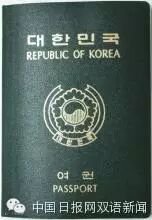

And their most popular picks for a local surname are Kim, Lee, Park and Choi, according to government figures. The popularity of these three names looks set to continue.
而根据政府数据,他们最常选择的韩国姓氏就是金、李、朴, 相信这三个姓氏的火热程度看来会持续下去。

(编辑:何娜)
你可能还喜欢阅读: