


《论语》记录了孔子一生的精辟言论及见解,发人深省。我们上学时都曾经熟读并且背诵过一些《论语》中的句子。
今天我们来看看翻译成英文版的孔子语录是什么样子的。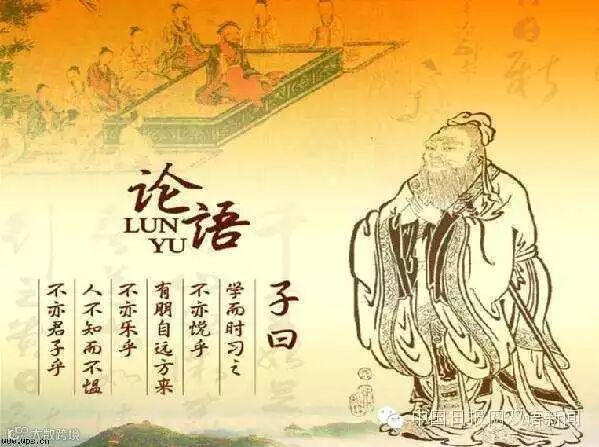
▌温故而知新,可以为师矣。
If a man keeps cherishing his old knowledge, so as continually to be acquiring new, he may be a teacher of others.
▌唯女子与小人,为难养也。近之则不孙,远之则怨。
Of all people, girls and servants are the most difficult to behave to. If you are familiar with them, they lose their humility. If you maintain a reserve towards them, they are discontented.
▌吾十有五而志于学,三十而立,四十而不惑,五十而知天命,六十而耳顺,七十而从心所欲,不逾矩。
At fifteen I set my heart upon learning. At thirty, I planted my feet firm upon the ground. At forty, I no longer suffered from perplexities. At fifty, I knew what were the biddings of Heaven. At sixty, I heard them with docile ear. At seventy, I could follow the dictates of my own heart; for what I desired no longer overstepped the boundaries of right.
▌不患人之不己知,患不知人也。
I will not be afflicted at men's not knowing me; I will be afflicted that I do not know men.
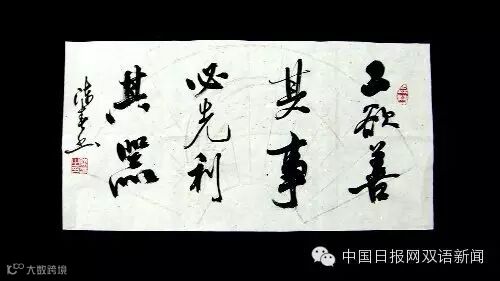
▌工欲善其事,必先利其器。
A craftsman who wishes to do his work well must first sharpen his tools.
▌君子欲讷于言,而敏于行。
The superior man wishes to be slow in his speech and earnest in his conduct.
▌君子成人之美,不成人之恶,小人反是。
The superior man seeks to perfect the admirable qualities of men, and does not seek to perfect their bad qualities. The mean man does the opposite of this.
▌道不同,不相为谋。
Those whose courses are different cannot lay plans for one another.
▌性相近也,习相远也。
By nature, men are nearly alike; by practice, they get to be wide apart.
▌过而不改,是谓过矣。
Not to mend the fault one has made is to err indeed.
▌己所不欲,勿施于人。
What you do not want done to yourself, do not do to others.
▌言必信,行必果。
Keep what you say and carry out what you do.
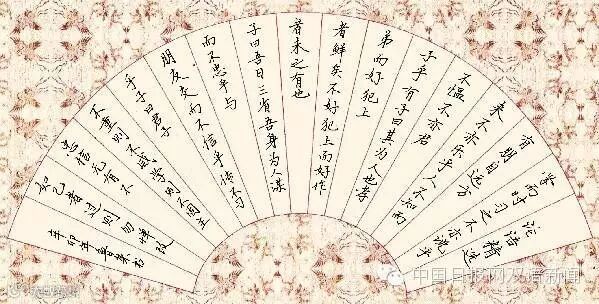
▌有朋自远方来,不亦乐乎?
Is it not delightful to have friends coming from distant quarters?
▌人不知而不愠,不亦君子乎?
Is he not a man of complete virtue, who feels no discomposure though men may take no note of him?
▌逝者如斯夫,不舍昼夜。
It passes on just like this, not ceasing day or night!
▌人无远虑,必有近忧。
If a man takes no thought about what is distant, he will find sorrow near at hand.
▌知者乐水,仁者乐山。知者动,仁者静。知者乐,仁者寿。
The wise find pleasure in water; the virtuous find pleasure in hills. The wise are active; the virtuous are tranquil. The wise are joyful; the virtuous are long-lived.
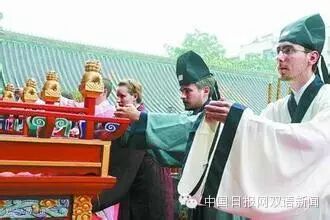
▌非礼勿视,非礼勿听,非礼勿言,非礼勿动。
Look not at what is contrary to propriety; listen not to what is contrary to propriety; speak not what is contrary to propriety; make no movement which is contrary to propriety.
▌当仁,不让于师。
When it comes to benevolence, one need not give precedence even to his teacher.
▌学而时习之,不亦说乎?
Is it not pleasant to learn with a constant perseverance and application?
▌敏而好学,不耻下问。
He was of an active nature and yet fond of learning, and he was not ashamed to ask and learn of his inferiors.
▌三人行,必有我师焉。择其善者而从之,其不善者而改之。
When I walk along with two others, they may serve me as my teachers. I will select their good qualities and follow them, their bad qualities and avoid them.
(本文所选语录由英国苏格兰汉学家理雅各先生翻译。理雅各,英文名James Legge,詹姆斯·莱格,英国苏格兰汉学家,曾在香港主持英华书院,翻译多本中国古代著作。)
( 编辑:Helen 何娜 )