


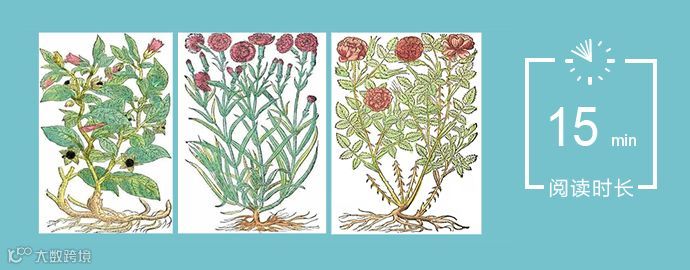
Shall I compare thee to a summer's day?
Thou art more lovely and more temperate.
Rough winds do shake the darling buds of May...
我怎么能够把你来比作夏天?
你不独比它可爱也比它温婉:
狂风把五月宠爱的嫩蕊作践……
太阳更明晃了些,风中就开始飘起了花香。
诗翁(The Bard)莎士比亚的150多首十四行诗中,“把你比作夏天”可能是最有名的一首之一。
那,诗中的嫩蕊(the darling buds)指的是什么花呢?
Perhaps his most famous lines come in Sonnet 18, where he may be talking of flowers in general, or specifically hawthorn.
也许他最著名的诗句还是来自《十四行诗》(一八),在这首诗中,他指的可能是广义上的花朵,也可能是单独指山楂。
这是来自《莎士比亚植物志》(A Shakespearean Botanical)这本书里的答案。
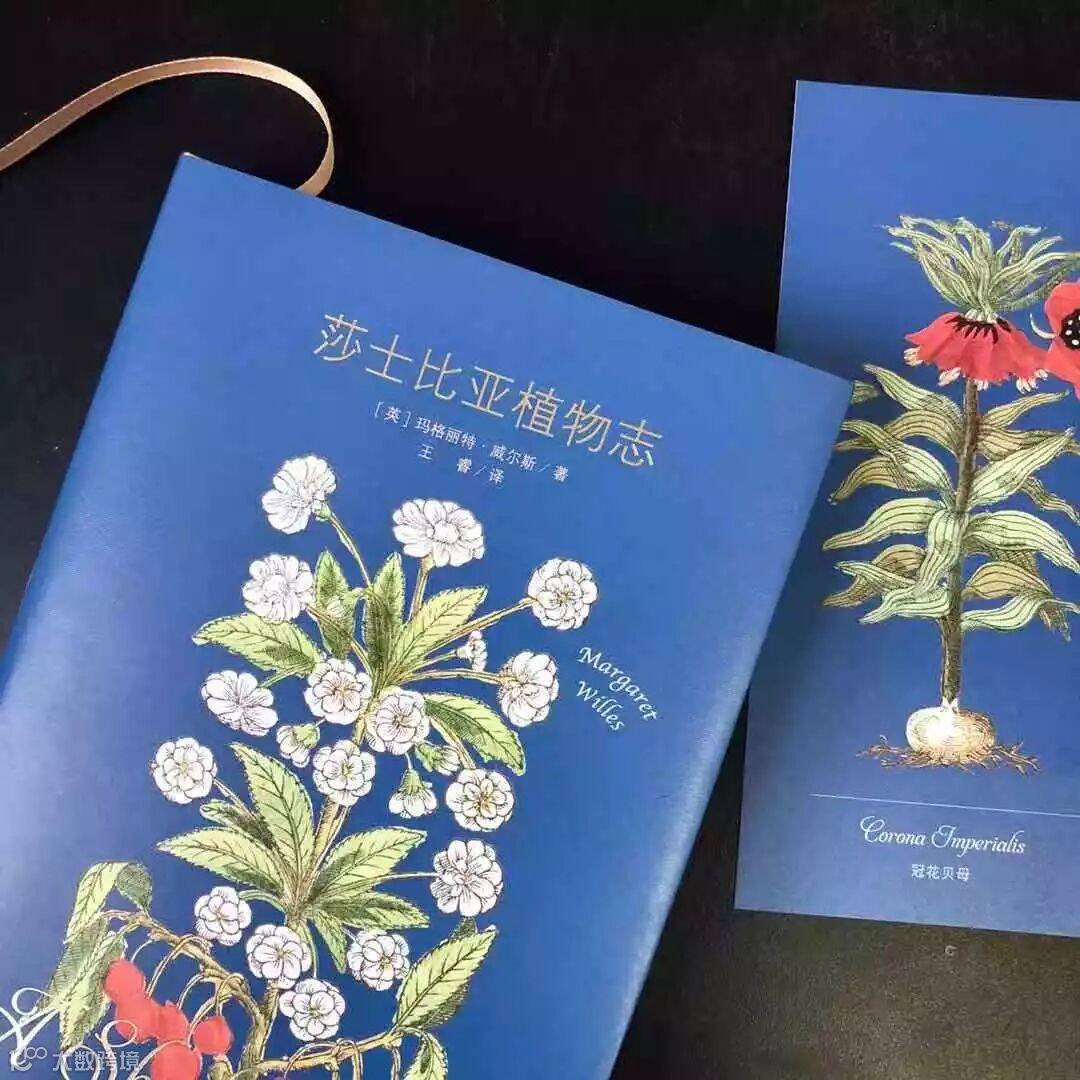
该书英语原著由牛津大学Bodleian图书馆出版。
中文版出版方的小伙伴说,莎翁和植物,这个话题挺受关注的,第一批上万册已经售出,加印的5千册新上市了。
如果你身在现下正火爆的世园会(The International Horticultural Exhibition 2019 Beijing)中,官方app里有扫图识花功能。就算在路边碰到乱花渐欲迷人眼,也可以问问“形色”。

2019中国北京世界园艺博览会
这本书,正像是一本文学识花“app”,可以通过植物来扫描诗翁的学识,还有他那个时代生活气息。
今天,我们就来看看这位文学大师是如何将花花草草幻化为角色、道具、背景、菜肴,或者用典。
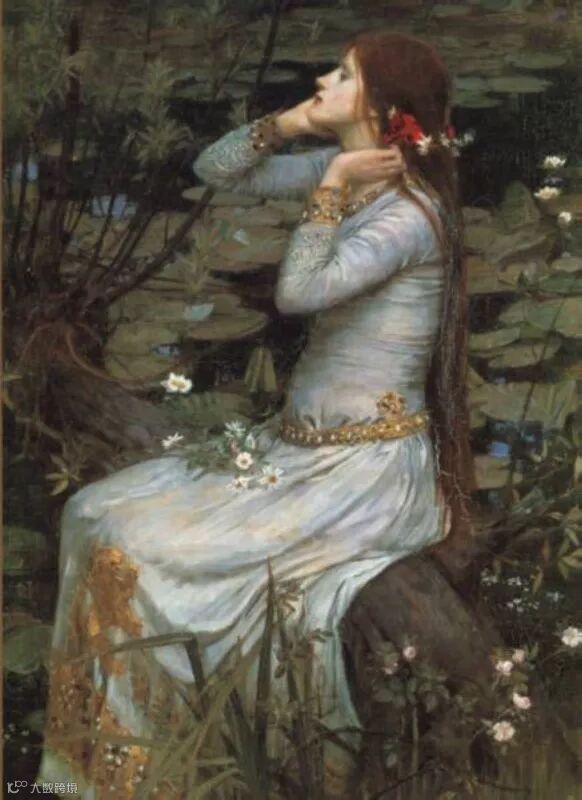
奥菲利娅(Ophelia)用毛茛、荨麻、雏菊和红门兰编织成花环,与它一同殒命于水中
大家应该还记得:
朱丽叶为了逃婚服下颠茄,假装死去,她躺在家族墓地里,既怕听到曼德拉草叫声凄厉,又憧憬着罗密欧前来,却不曾想情人命丧于乌头草……
奥菲利娅借用芸香和紫罗兰,祭奠被哈姆莱特误杀的父亲,她用毛茛、荨麻、雏菊和红门兰编织成花环,最终与它一同殒命于水中……
颠茄 deadly nightshade; belladonna
曼德拉草 mandrake
乌头草 aconite
芸香 rue
紫罗兰 violet
毛茛 crow flower; cuckoo bud
雏菊 daisy
红门兰 long purple
作者玛格丽特·威尔斯(Margaret Willes)曾在牛津大学研读现代史与建筑史,撰写了《乔治时代生活即景》《英国花匠的诞生》《英国工薪家庭的花园》《出类拔萃:十二种珍稀花卉的故事》等著作。玛格丽特自己也在伦敦东部培育了一座花园。
William Shakespeare may be a man of mystery in many ways, but it is clear from his works that he was familiar with a wide range of botany: flowers, herbs, fruit and vegetables. Moreover, he recognized the important role that plants played in the daily life of Tudor England.
威廉·莎士比亚也许在诸多方面都令人难以参透,但是从他的作品中可以看出,他对植物学非常熟悉,无论是花卉、草木、水果或蔬菜,都包括在内。他甚至还意识到植物在都铎时期的日常生活中扮演了重要角色。
O mickle is the powerful grace that lies
In herbs, plants, stones, and their true qualities,
For naught so vile that on the earth doth live
But to the earth some special good doth give;
天生下的万物没有弃掷,
什么都有它各自的特色,
石块的冥顽,草木的无知,
都含着玄妙的造化生机。
莫看那蠢蠢的恶木莠蔓,
对世间都有它特殊贡献。
Romeo and Juliet, II.2.15–18
《罗密欧与朱丽叶》第二幕第三场
就如亚马逊上一位读者评价,植物在莎士比亚的时代,是异域风情,也有药用,能作装饰,能做象征,经常也还是可以食用。这在中国,从古至今,都类似。
The flowers and herbs of Tudor and Jacobean England are exotic, medicinal, decorative, symbolic, and often edible.

玫瑰
Rose

玫瑰尤为经常地出现在他的十四行诗中,与爱和美相联系。
Roses in particular appear in his sonnets, associated with beauty and love.
比如《十四行诗》(五四):
The rose looks fair, but fairer we it deem
For that sweet odour which doth in it live.
玫瑰花很美,但我们觉得它更美,
因为它吐出一缕甜蜜的芳香。
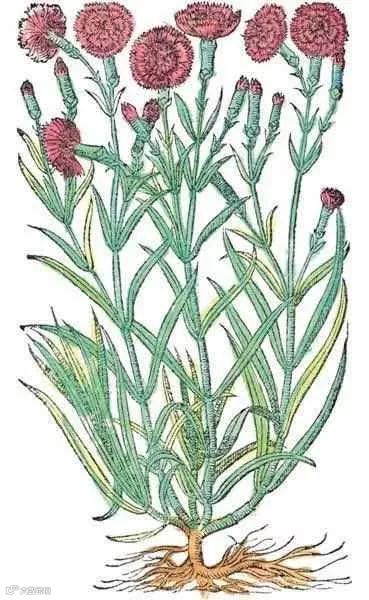
莎翁笔下的角色曾说过不喜欢康乃馨(carnations /kɑːˈneɪʃən/),因为它们的培育演化非自然之力(will not improve on nature)。
该书作者认为,莎士比亚对于植物杂交的暗示说明他对这种技艺,更准确地说是对花匠培育不同品种以改变花朵颜色和形态的科学非常熟悉。
Shakespeare’s reference to nature’s bastards seems to indicate that he was familiar with the artistry, or more accurately science, of florists who bred up varieties to achieve certain colors and patterns to the petals.

榅桲
Quince

莎士比亚在作品中介绍了几乎所有种类的果树,以及灌木浆果和坚果。
In his writings, Shakespeare introduced all kinds of orchard fruits, as well as berries and nuts from the hedgerow.

金盏花
Marigold

但他提及蔬菜的地方相对较少,几乎都来自《温莎的风流娘儿们》(The Merry Wives of Windsor)。
The introduction of a Welsh parson, Sir Hugh Evans, enables Shakespeare to play with Latin and English, with puns about carrots and cabbages. Mistress Ford memorably compares Sir John Falstaff to a gross watery pumpkin, while the fat knight calls upon the heavens to rain potatoes, considered an aphrodisiac at the time, when he prepares to meet Mistress Ford in Windsor Great Park.
他借威尔士牧师休·爱文斯之口玩起了拉丁文和英文的文字游戏,开胡萝卜和卷心菜的双关玩笑。福德大娘则把福斯塔夫爵士比喻成满肚子坏水的胖南瓜,而这个胖爵士为了去温莎见福德大娘,祈祷天降马铃薯雨——这在当时被认为是催情之物。
pun /pʌn/:v. 使用双关语
aphrodisiac /,æfrə'dɪzɪæk/:春药;激发性欲的食物
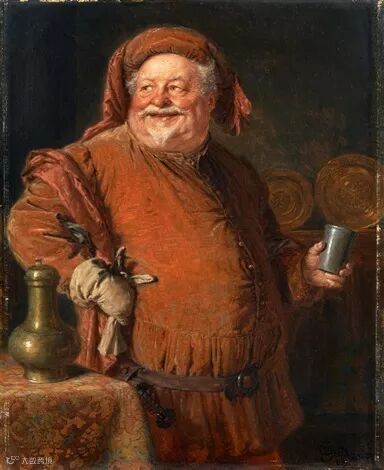
福斯塔夫爵士
有人开玩笑说,莎士比亚不投身于文学和戏剧,或许就成了园丁,或植物学家。
那么,这些知识是怎样积累的呢?
玛格丽特“揭秘”了莎翁对植物的知识的来源,有的来自自己的生长环境,有的来自于阅读,还有的来自于同时代的好友。
He was born in Stratford-upon-Avon and must have had the opportunity to roam the Warwickshire countryside.
他出生在埃文河畔斯特拉特福,必然有机会漫步在沃里克郡的乡间。
他看了很多植物、园艺方面的书。
他看的书还包括普鲁塔克的《希腊罗马名人传》(Sir Thomas North’s translation of Plutarch’s Lives),还有当时刚完成英译本的《变形记》(Arthur Golding’s translation of Ovid’s Metamorphoses)。
这里要特别介绍下《莎士比亚植物志》的插图,是很珍贵的古董的复刻版,来自莎翁的同一时代。

杏
Apricot

《莎士比亚植物志》一共介绍了49种植物,还含有65幅牛津大学博德利图书馆珍贵馆藏的原版插图,其中有59幅插图来自1597年成书的植物学经典《植物志,或植物通史》(The Herball or Generall Historie of Plantes)。作者和绘者,就是莎翁同时代的植物学家约翰·杰拉德。
Each of the entries is beautifully illustrated with hand-colored renderings from the work of Shakespeare’s contemporary, herbalist John Gerard.
这是英语世界里的植物学“原始天尊”。

樱桃
Cherry

在莎翁的时代,出版生意开始繁荣起来,因为当时新兴的中产阶级,有钱、有文化、还有吸收新知的强烈兴趣。
Shakespeare and Gerard were writing at a time when book publishing in English was burgeoning. The market, especially in London, was increasing with the growth in the middle classes, who had money, some literacy and an appetite for information.
burgeon/'bɜːdʒ(ə)n/:激增;迅速发展
第一本英文园艺书出现在1558年,英国人民对园艺“举世闻名”的爱好开始萌发。
到了莎士比亚的时代,已经出版了不少园艺书。
Scholars of herbals have no doubt that Shakespeare used Gerard’s book as a botanical reference.
学者们已经认定莎士比亚创作时肯定是参考过杰拉德的“巨著”。
但有人还认为,这两位作家是互相熟识的。
证据就是,杰拉德的著作的手绘扉页上,右边下面那位戴着桂冠的年轻人,就是莎士比亚本人的画像。
这一说法有争议,但是好歹我们看到了这位身世还有不少谜团未解开的文学大家的疑似“照片”。
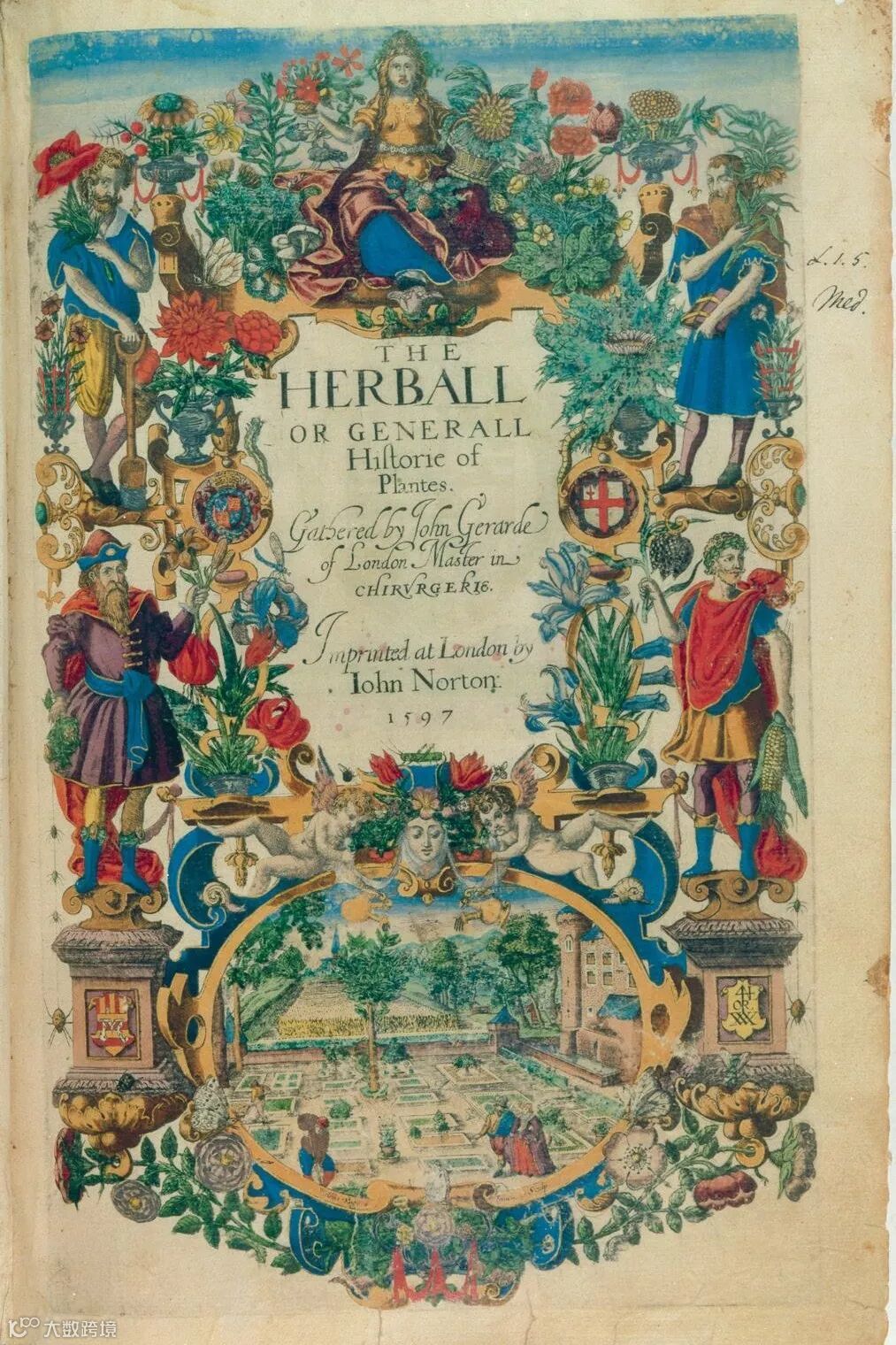
杰拉德的植物志手绘扉页上,右下角是莎士比亚本人的画像
杰拉德的植物志里面有莎士比亚本人画像,有一种赚到了的感觉。
中文版《莎士比亚植物志》选取了朱生豪的译本,装帧印刷很有情调。
英文世界里还有一本,Botanical Shakespeare: An Illustrated Compendium of all the Flowers, Fruits, Herbs, Trees, Seeds, and Grasses Cited by the World's Greatest Playwright,内容则更集中在莎翁剧作中所出现过的植物,以及出现的章节选摘,还有美美的配图。
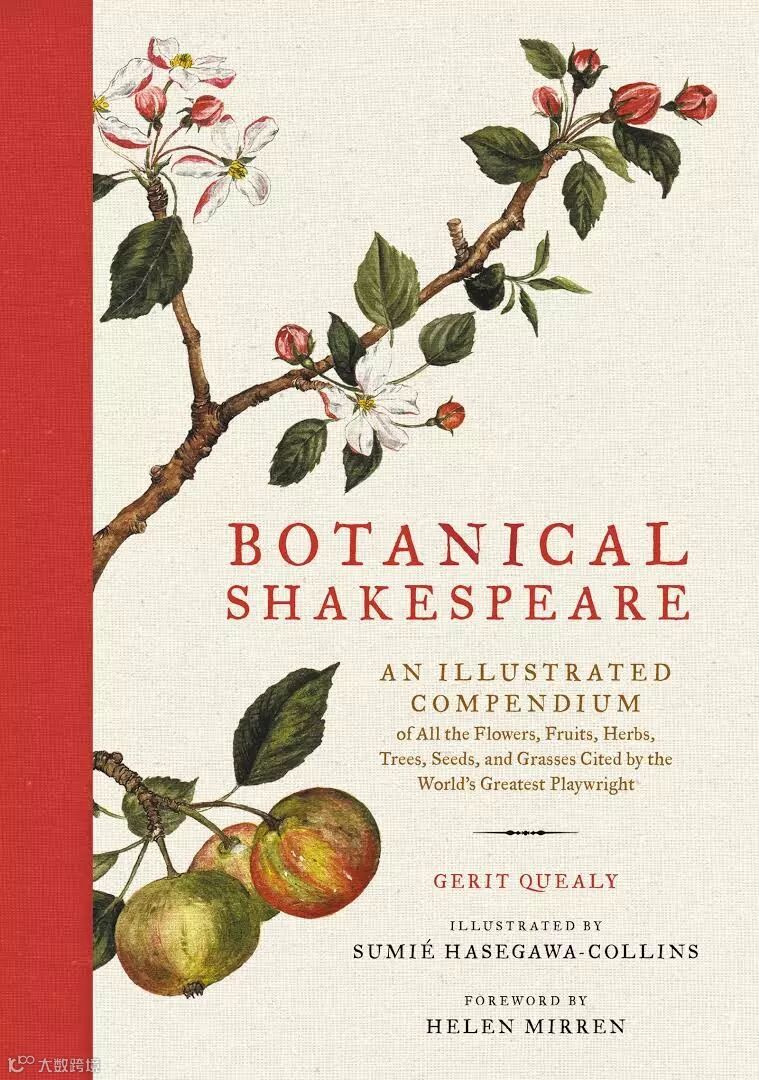
而玛格丽特这本,多了不少具体的介绍,和相关的故事,甚至食用指南。
我们来看几则:

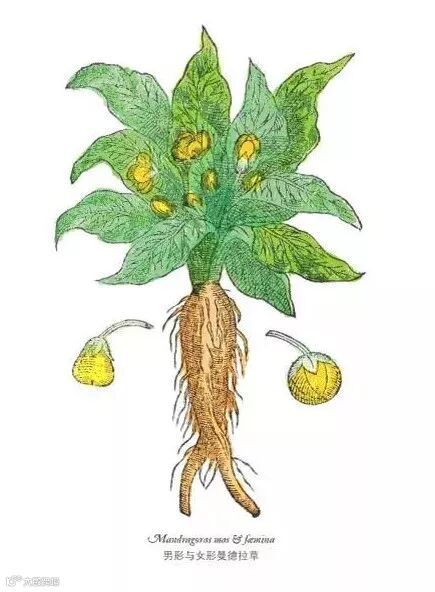
曼德拉草 Mandrake
Juliet: Alack, alack, is it not like that I,
So early waking – what with loathsome smells,
And shrieks like mandrakes torn out of the earth,
That living mortals, hearing them, run mad –
朱丽叶 :唉!唉!要是我太早醒来,这些恶臭的气味,这些使人听了会发疯的凄厉的叫声。
Romeo and Juliet, IV.3.44–47
《罗密欧与朱丽叶》第四幕第三场
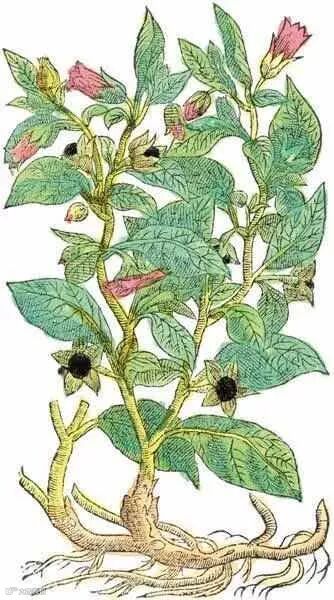
为了避免嫁给帕里斯,朱丽叶将要服下用颠茄制成的昏睡药伪装死亡。
她表达了对于要被放进凯普莱特家族墓地的恐惧,旁边会是入土未久的她的亲戚提伯尔特的遗体,她还怕听到曼德拉草的尖叫声。
Juliet is about to take a sleeping draught of belladonna to feign death and to prevent her marriage to Paris. She expresses her fear of being placed in the Capulet family tomb, alongside the body of her kinsman Tybalt, recently slain, and hearing the shrieks of mandrakes.
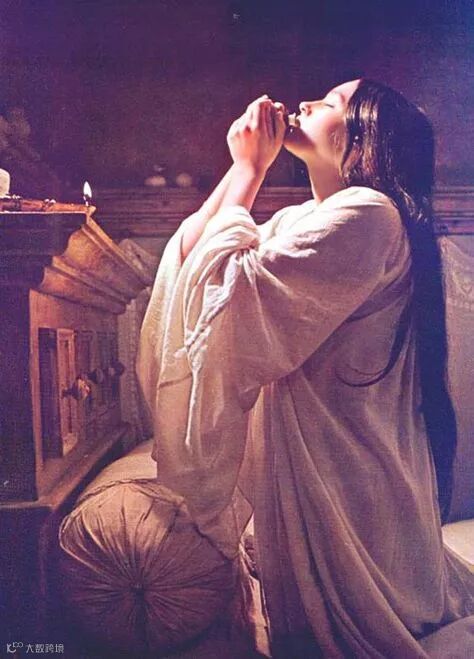
朱丽叶服下颠茄制成的昏睡药
莎士比亚在他的多部剧中数次提及曼德拉草,因为这种植物充满戏剧性。
它跟马铃薯沾亲,但它的块茎有时能长成人形,这种特征令人浮想联翩,其中就包括它被拔出时会发出尖叫声。
Shakespeare makes several references to mandrakes in his plays: little wonder, for it is a dramatic plant. It is related to the potato, but its tubers sometimes have a resemblance to human form, inspiring all kinds of stories about its powers, including the idea that it would scream if uprooted.
这种植物的果实酷似苹果,可以食用。根部挤出的少许浆液可清肠,也可入药治疗眼疾。用根部煎水可制成安眠药水或麻醉剂。
The fruit resembled an apple that could be eaten. Juice from the root in small quantities might purge the stomach, and be put into medicines for pains in the eye. If the root was boiled and infused, it could be made into a sleeping draught, and used as an anaesthetic.

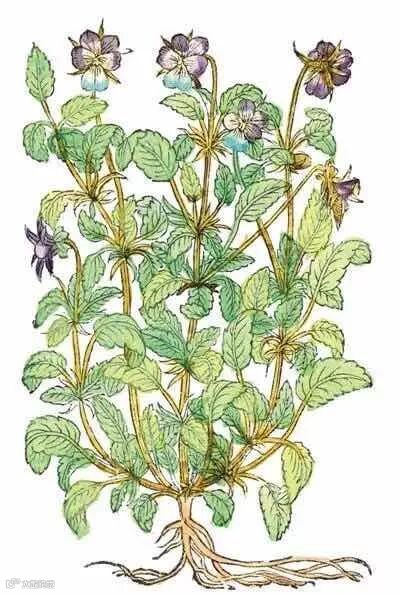
三色堇 Pansy
Oberon Yet marked I where the bolt of Cupid fell.
It fell upon a little western flower –
Before, milk-white; now, purple with love’s wound –
And maidens call it love-in-idleness.
“但是我看见那支箭却落在西方一朵小小的花上,那花本来是乳白色的,现在已因爱情的创伤而被染成紫色,少女们把它称作‘爱懒花’。”
A Midsummer Night’s Dream, II.1.165–168
《仲夏夜之梦》第二幕第一场
三色堇在《仲夏夜之梦》中扮演了重要角色。
仙王命令小精灵采来三色堇,将花汁滴到熟睡的仙后眼睛里,她将要狂热爱上她醒来之后看到的第一个人。

Love-in-idleness, the wild pansy or heartsease, plays a pivotal role in A Midsummer Night’s Dream. The King and Queen of the Fairies, Oberon and Titania, have quarrelled over a little changeling boy.
Oberon directs the mischievous sprite Puck to seek out the flower, planning to press its juice into the sleeping Titania’s eyes so that she will fall in love with what she first sees on awakening.

颠茄 Belladonna
…this distilling liquor drink thou off,
When presently through all thy veins shall run
A cold and drowsy humour; for no pulse
Shall keep his native progress, but surcease. …
And in this borrowed likeness of shrunk death
Thou shalt continue two-and-forty hours,
And then awake as from a pleasant sleep.
把这里面炼就的液汁一口喝下,那时就会有一阵昏昏沉沉的寒气通过你全身的血管,接着脉搏就会停止跳动……你必须经过四十二小时,然后你就仿佛从一场酣睡中醒了过来。
Romeo and Juliet, IV.1.94–97, 104–106
《罗密欧与朱丽叶》第四幕

康乃馨 Carnation
…the fairest flowers o’th’ season
Are our carnations and streaked gillyvors,
Which some call nature’s bastards. Of that kind
Our rustic garden’s barren, and I care not
To get slips of them. …
For I have heard it said
There is an art which in their piedness shares
With great creating nature.
当今的最美的花卉,只有康乃馨和有人称为自然界的私生儿的斑石竹……我听人家说,在它们的斑斓的鲜艳中,人工曾经巧夺了天工。
The Winter’s Tale, IV.4.81–88
《冬天的故事》第四幕第三场

核桃 Walnut

Ford: … let them say of me, ‘As jealous as Ford that searched a hollow walnut for his wife’s leman.’
福德:要是人家提起吃醋的男人来,就把我当作一个现成的例子,因为我会在一枚空的核桃壳里找寻妻子的情人。
The Merry Wives of Windsor, IV.2.149–51
《温莎的风流娘儿们》
英语里面带有Wal前缀的,指从外国来的,实际上核桃的起源是波斯和中国。
玛格丽特还提到一次中国,在十六世纪的英国,正餐都有两道菜,而摆放方式就是像中餐一样,一齐上了摆在桌子正中,这正是来自于对中国风的模仿。
读到此,就不禁想到很多年前国内就已经出版过的,“诗经里的植物”“楚辞里的植物”等等。
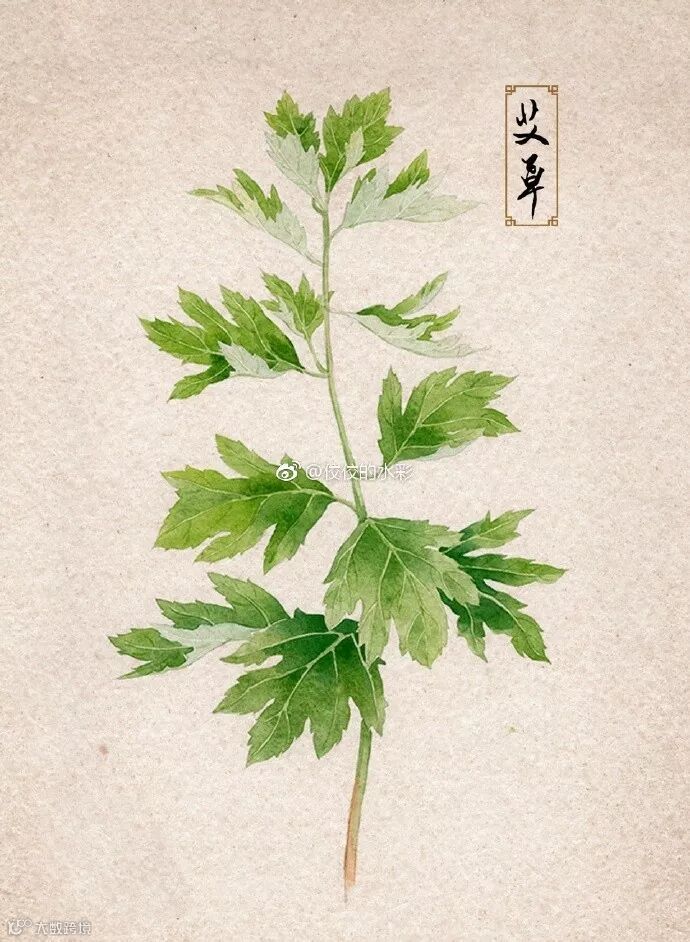
图源:@佼佼的水彩
借自然咏情怀,那自然是“天人合一”的中国人的最自然的爱好。
《楚辞植物图鉴》
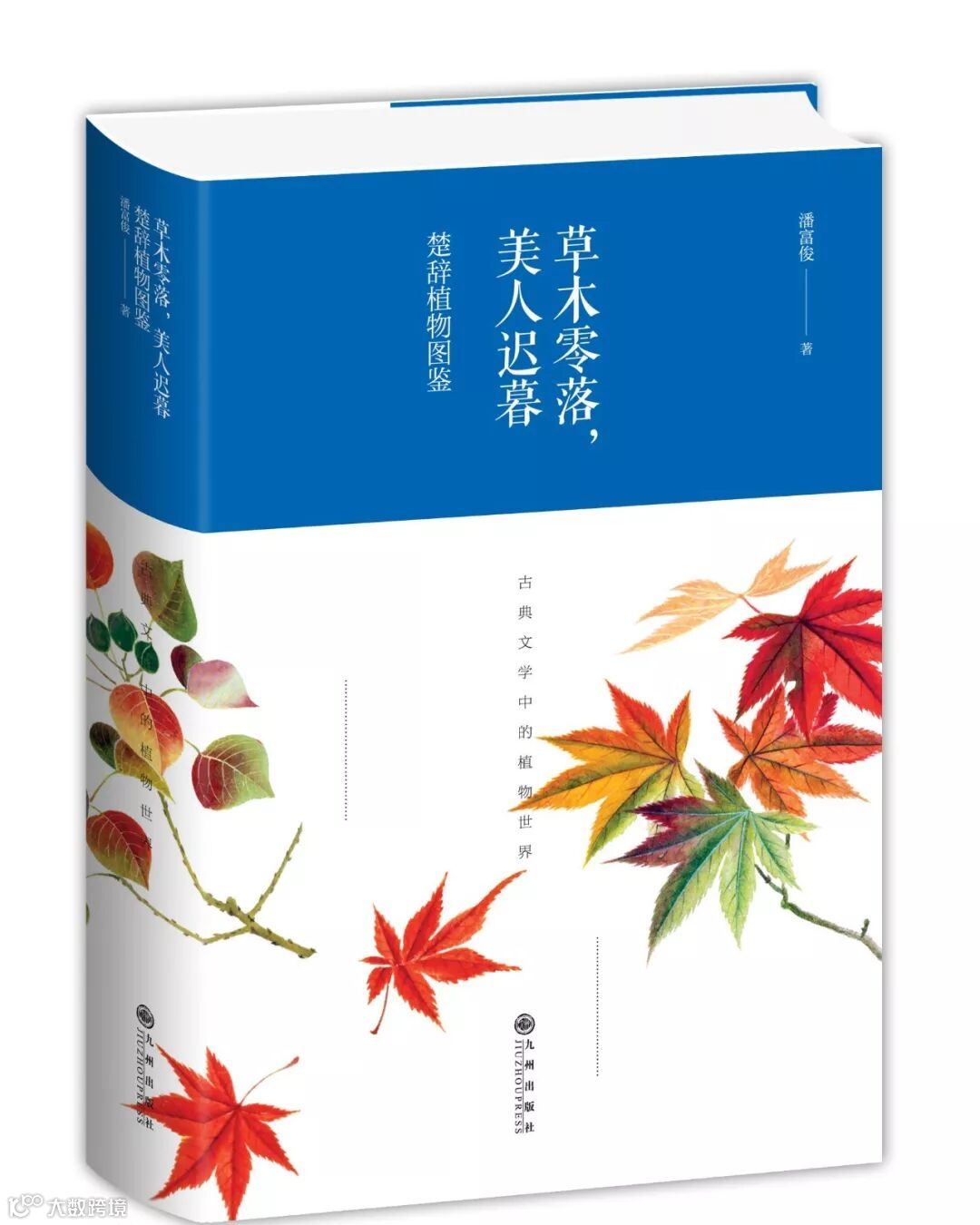
自屈原以来,《楚辞》作者就喜欢吟讽山川,歌咏美人、香草,形成特殊的南方文学作品,也是爱幻想的浪漫主义文学作品。我们因而惊讶于南方景物的变化多端,也对诗人借物托喻的写作技巧佩服不已。
《红楼梦植物图鉴》
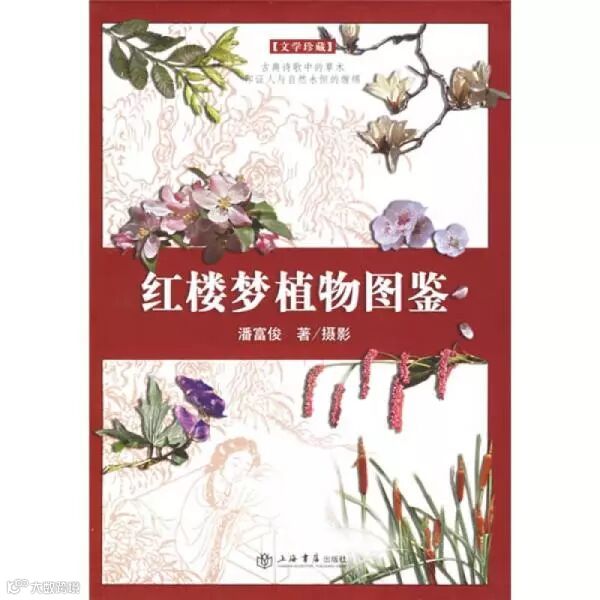
从小说作者对植物的描述与小说人物对植物的运用,我们不但能观察到作者的植物常识,也可借以了解当时的日常生活情形。
此外,植物经常是作者用来寓物寄情的工具,通过援引植物的外貌、味道、功用或谐音等,作者得以抒发心绪、投射情感,使作品内涵更形丰富。
大观园中栽种的植物超过七十种,可见曹雪芹重视植物,他的植物分类学知识早已凌驾一般文学家之上,诚属难能可贵。
《诗经植物图鉴》
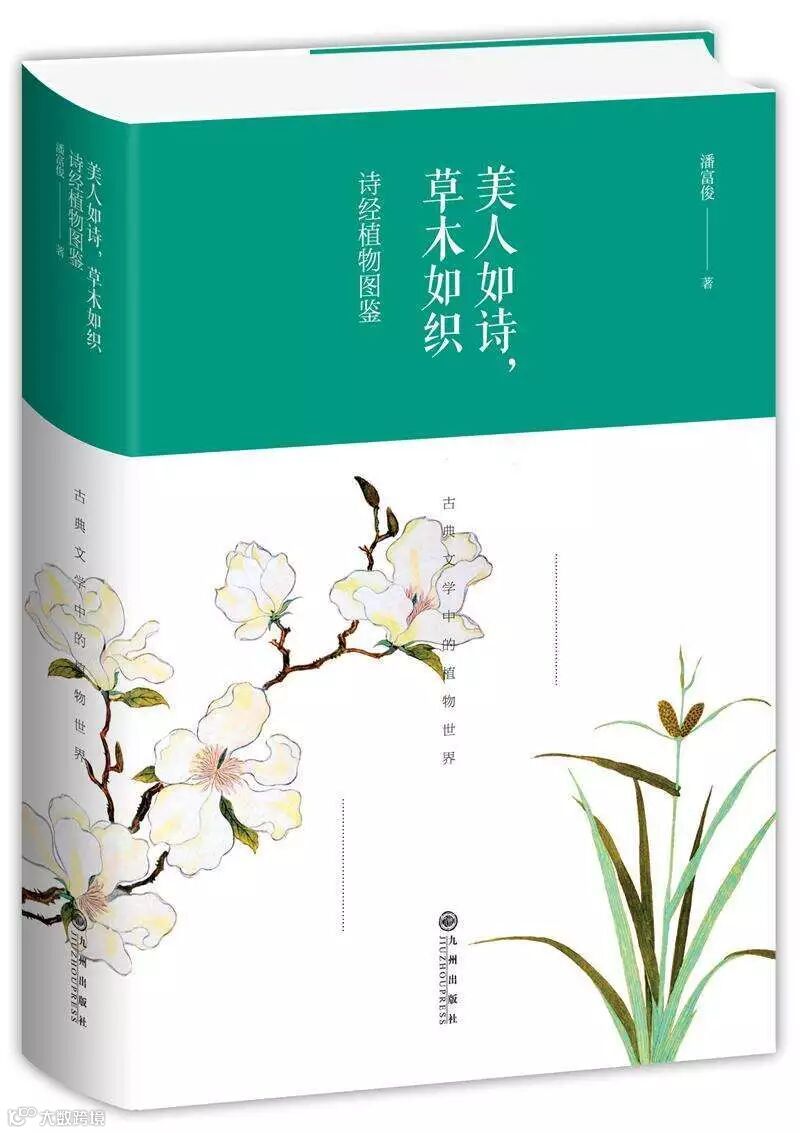
《诗经》中提到的植物种类繁多,包括乔木、灌木、藤本植物、草本植物、水生植物、蕨类植物以及地衣类等。
了解这些植物的分布、性状与用途,不仅有助于重新认识先民的智慧和生活方式,更能贴近作者的情绪。
还有一本手绘的《诗经名物图解》。
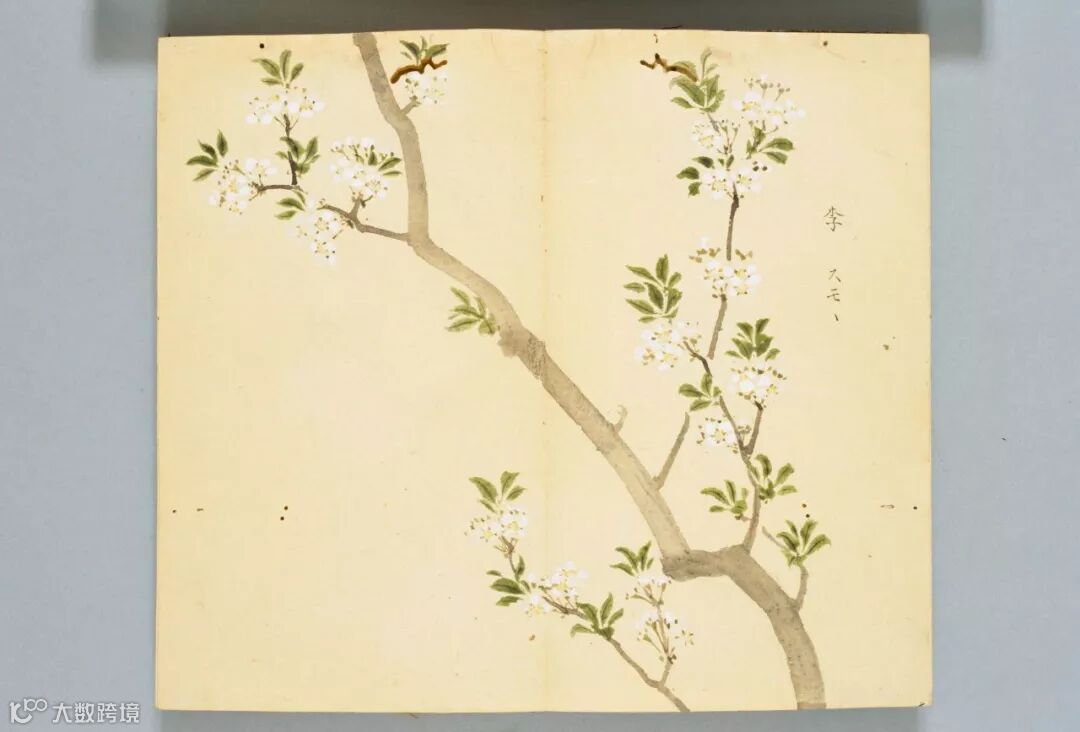
绿色、生态、环保的意识,对中国人来说是古往今来一贯而终的。
现在,世界上有不少座被称为“莎士比亚花园”的景观,比如巴黎的布格涅森林花园(gardens in the Bois de Boulogne in Paris); 纽约中央公园(Central Park, New York); 约翰内斯堡植物园(Johannesburg Botanical Garden in South Africa)。
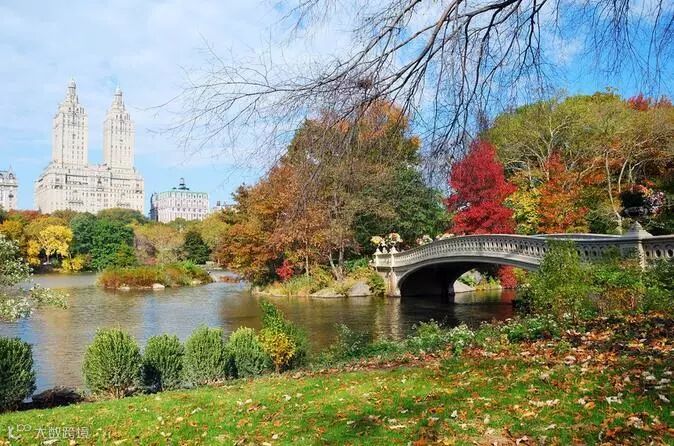
纽约中央公园
而莎士比亚梦中的花园,是否就是:
All the needs of the household could be catered for: fruit and vegetables for the kitchen; herbs for the medicine chest; plants for dyeing, strewing and brewing; and flowers to decorate the house.
自家花园出产家庭所需要的一切:有果疏入厨房;有香草入药;有草木入织布、入酒、入酿;还有鲜花嫩叶入室添美。
不少中国的年轻人,也在这么打理着自己的小花小草大世界,哪怕是一茬阳台一角、一缕桌边几角小空地。
编辑:左卓
留言说说你最爱的植物
获赞最多的5位读者
将各获得《单身时代》一本
点赞截止:5月13日 11:00
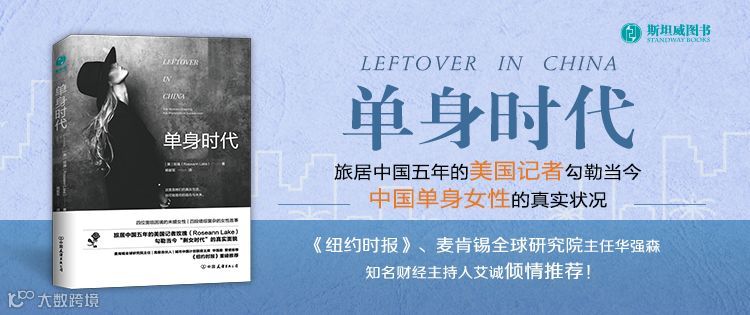
《单身时代》的作者是美国知名记者玫瑰,她旅居中国五年,探访了多名单身女性。书中用风趣幽默的笔触穿插叙述了四位单身女性的真实故事,借她们的生活揭露了中国单身时代的由来和影响,并试图告诉我们要勇敢面对属于自己的人生选择。这本书是对每一位勇敢、独立的优秀单身女性的礼赞。
推 荐 阅 读


为什么哈里和梅根的儿子,不是Prince而是Master?丨达人分享
中国日报双语新闻

↑长按关注中国最大的双语资讯公众号↑