


现在可以摘口罩了吗?无症状感染者有传染性吗?动物之间会传染病毒吗?全球疫情的拐点会在何时到来?
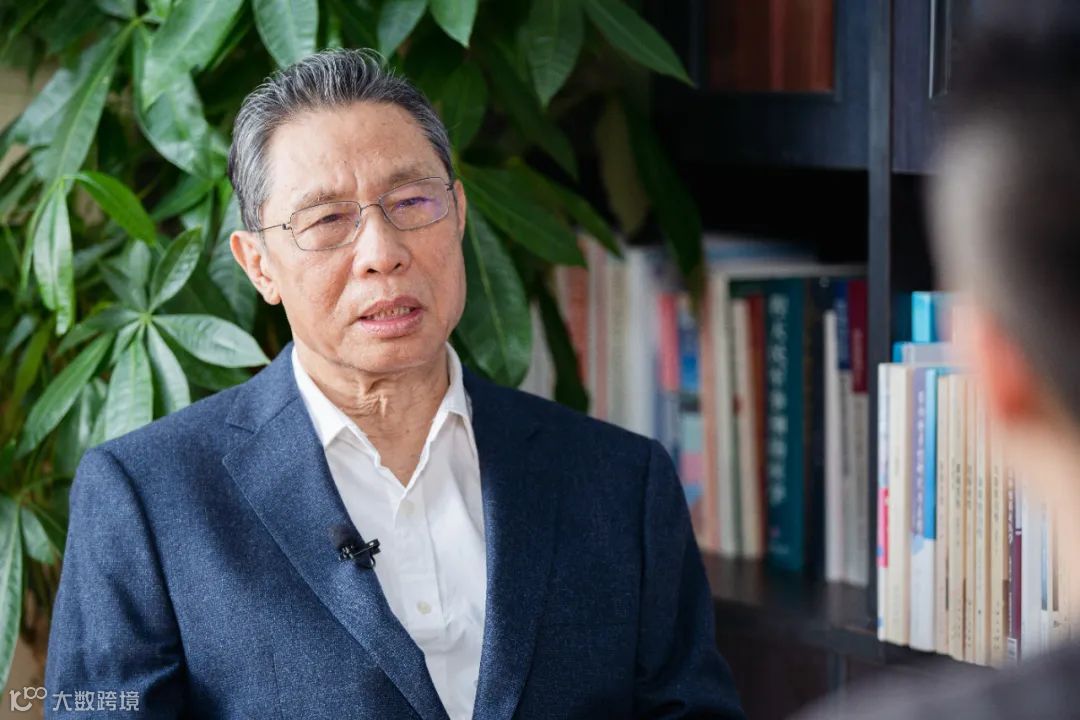
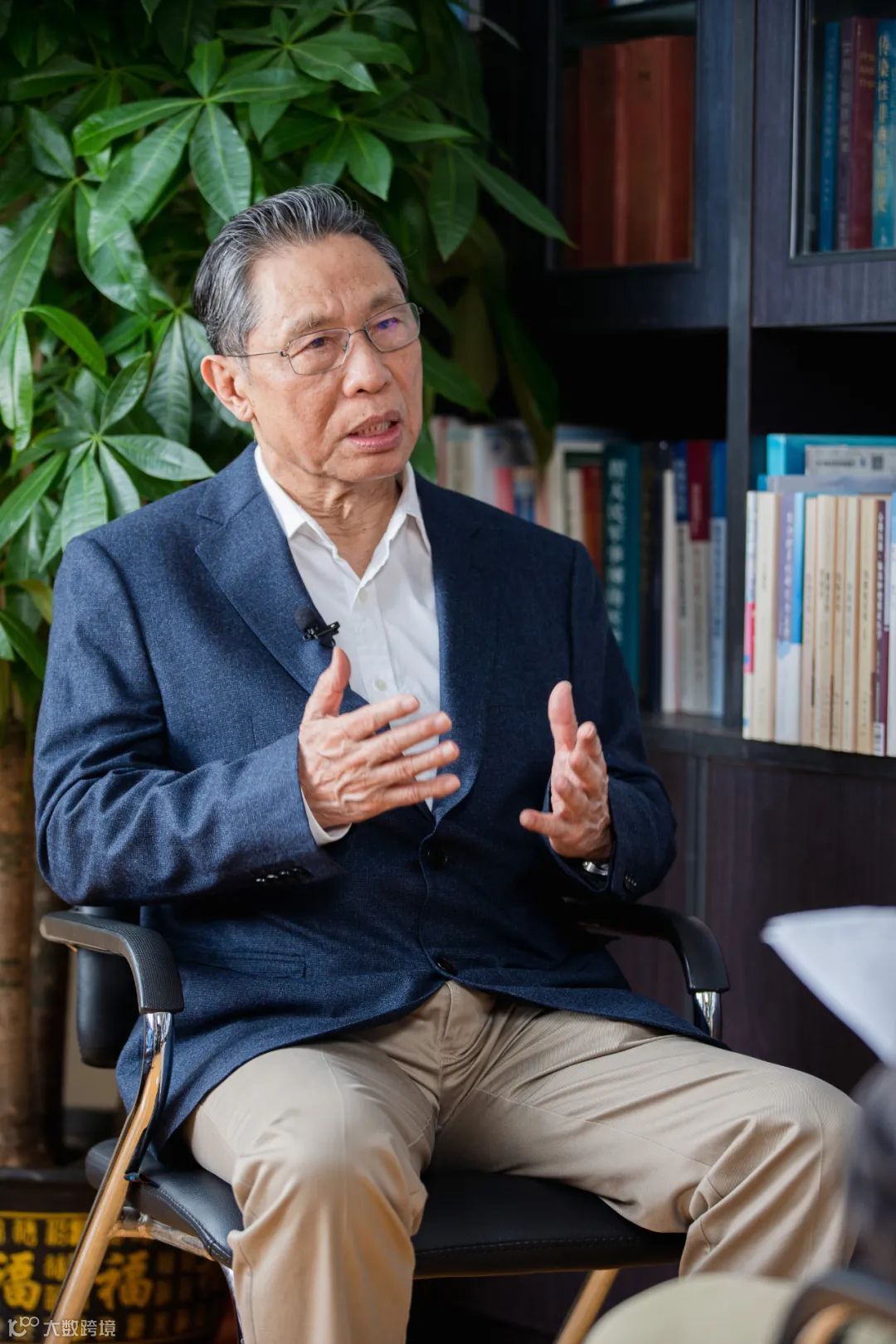
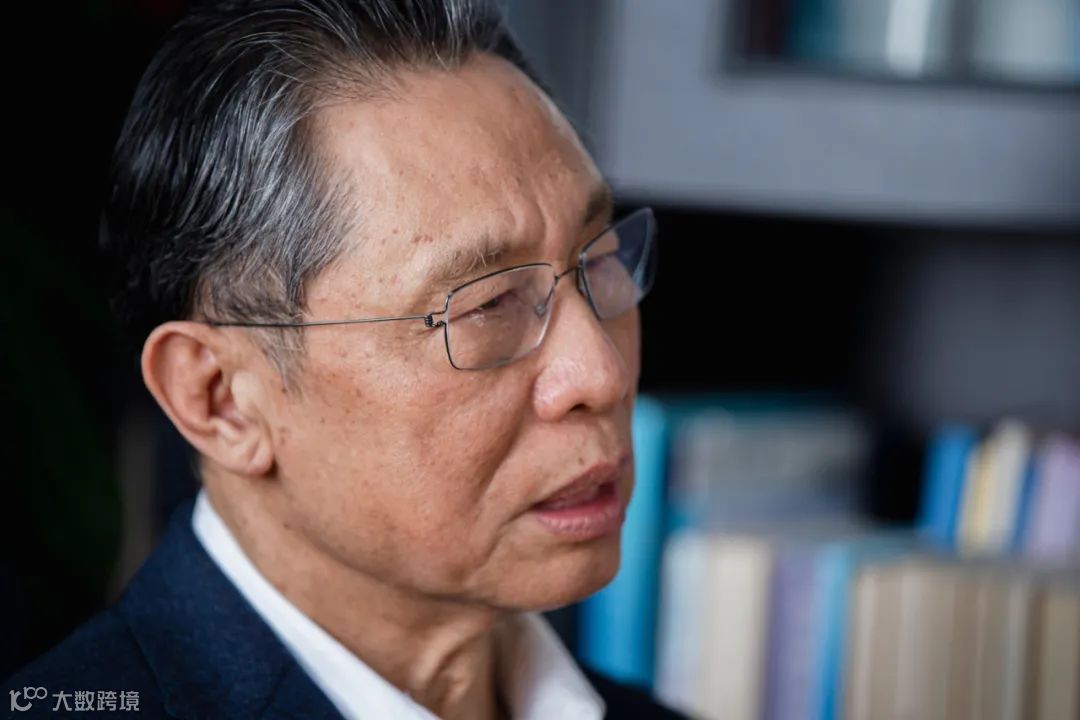
近日,中国工程院院士、呼吸病学专家钟南山在接受人民日报采访时回答了近期民众关心的问题。
After China took decisive measures, the epidemic in the country has now entered its second phase, said Zhong Nanshan, China's renowned respiratory expert, Academician of Chinese Academy of Engineering, in an interview with People's Daily.
However, he noted that some countries are still in the first phase of the outbreak and the situation continues to escalate, which also means there is a high possibility of human-to-human transmission with rapidly growing numbers of confirmed cases.
As foreign countries are still in the peak period of the outbreak, some of Chinese cities with close connections overseas may see a rise in infection cases, Zhong said.
"It's not time to take off the masks, which is still an important measure for self-protection," he said.
Zhong noted that China now faces two major tests, the first being how to gradually resume production while maintaining prevention and control work, and the other is fending off risks of imported infections.
The risk of community transmission caused by imported cases certainly exists, but the possibility of outbreaks is relatively small, and given the enhanced public awareness of self-protection, a second wave of outbreak in China is unlikely, Zhong said.
"China's prevention and work has been deployed at communities. Residents now have a strong sense of self-protection. Once there are people with fevers, they can be rapidly reported, diagnosed and isolated," Zhong said, noting that the risks of community transmission definitely exist, but the chances of a second wave are very small.
It's too early to talk about an inflection point in the global coronavirus pandemic, and the biggest problem is the US, given its rapid growth in case numbers of 10,000 to 20,000 per day this week, Zhong said, noting that there are unpredictable factors in projecting this point now, and it might take two more weeks to start making that projection.

There are no specific medicines for coronavirus, although some have turned out to be effective in treating it.
Zhong said his team is testing the effectiveness of medicines such as chloroquine and traditional Chinese medicine (TCM) formulae such as Lianhuaqingwen and Xuebijing, which have been proved to be effective in treating critically ill patients.
Zhong believed that a vaccine will not be available in the near future and placing all hopes on a vaccine while disregarding other methods is a negative approach.
"I don't think the vaccine will be available in three or four months," he said. "After the vaccine comes out, you can't expect it to be perfect. Highly infective people can get vaccinated, but it is not necessary for everyone to be vaccinated," he said.
He also noted that it is important to identify the intermediate host of the coronavirus.
"Based on our experience of fighting SARS, removing the intermediate host can also curb the epidemic. At present, we do not know the whole chain of how the novel coronavirus spreads. It is also important to cut the intermediate host off after figuring it out," he said.

Regarding the "herd immunity" approach, Zhong said this is the most passive way of fighting the epidemic.
"This idea goes back a hundred years when humans had no choice but to let the virus infect them so that those who survived it naturally obtained antibodies. Now, there are many precautionary methods and there is no need to adopt 'herd immunity,'" he said.
Zhong believes the experience most worthy of sharing in China's success over coronavirus is its strong enforcement ability, especially in locking down the worst-affected areas to block the spread and popularizing precautionary measures among individuals.
"Some countries are more advanced than China in terms of medical treatment and technical strength. However, they were not well prepared and did not take immediate measures, which led to the infection of frontline medical staff. When this defense broke down, things quickly went out of control," he said.
编辑:陈月华
来源:人民日报客户端 环球时报


推 荐 阅 读


