


Have you ever had such an experience? When chatting on WeChat, you sent someone a voice message where you thought your voice was clear and moving, but when you heard your own recorded voice, you couldn't help wondering: Is this really my voice? Why is it so ugly!

It's not your fault. The discomfort we have over hearing our voices in audio recordings is probably due to a mix of physiology and psychology.

For one, the sound from an audio recording is transmitted differently to your brain than the sound generated when you speak.
When listening to a recording of your voice, the sound travels through the air and into your ears — what's referred to as "air conduction". The sound energy vibrates the ear drum and small ear bones. These bones then transmit the sound vibrations to the cochlea, which stimulates nerve axons that send the auditory signal to the brain.

However, when you speak, the sound from your voice reaches the inner ear in a different way. While some of the sound is transmitted through air conduction, much of the sound is internally conducted directly through your skull bones. When you hear your own voice when you speak, it's due to a blend of both external and internal conduction, and internal bone conduction appears to boost the lower frequencies.
For this reason, people generally perceive their voice as deeper and richer when they speak. The recorded voice, in comparison, can sound thinner and higher-pitched, which many find cringeworthy.
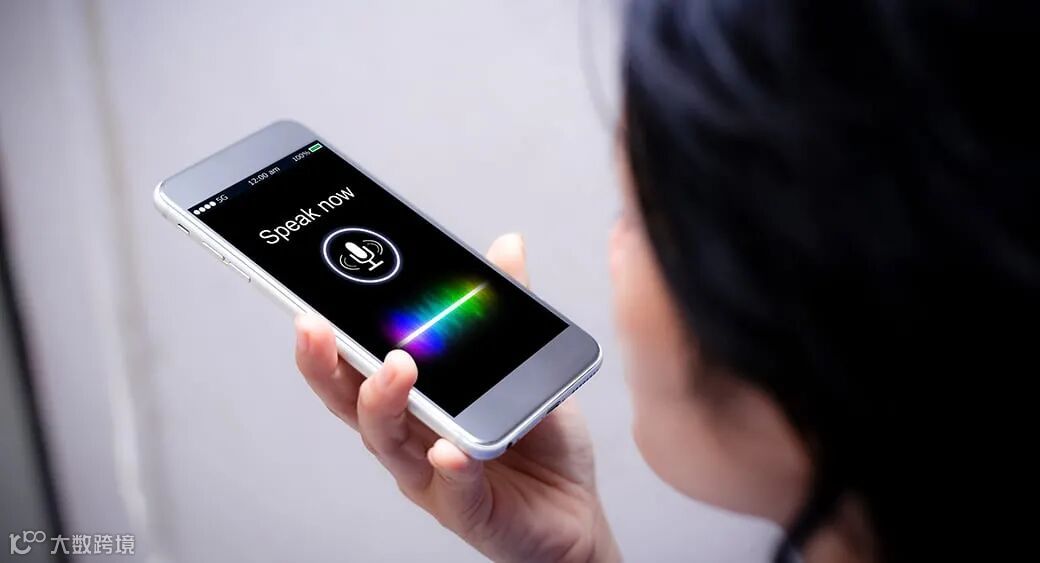
There's a second reason hearing a recording of your voice can be so disconcerting. It really is a new voice — one that exposes a difference between your self-perception and reality. Because your voice is unique and an important component of self-identity, this mismatch can be jarring. Suddenly you realize other people have been hearing something else all along.
Dr Silke Paulmann, a psychologist at the University of Essex, says, "I would speculate that the fact that we sound more high-pitched than what we think we should leads us to cringe as it doesn't meet our internal expectations; our voice plays a massive role in forming our identity and I guess no one likes to realize that you're not really who you think you are."
So if the voice in your head castigates the voice coming out of a recording device, it's probably your inner critic overreacting — and you're judging yourself a bit too harshly.
来源:The Guardian The Conversation

推 荐 阅 读
