




Israeli singer-songwriter Gilad Segev has dedicated himself to an ambitious project to present different perspectives of China via music, because of his love for the country.
以色列唱作人吉拉德·塞格夫十分热爱中国。他正致力于制作一个宏大的项目,用音乐展现中国的不同侧面。
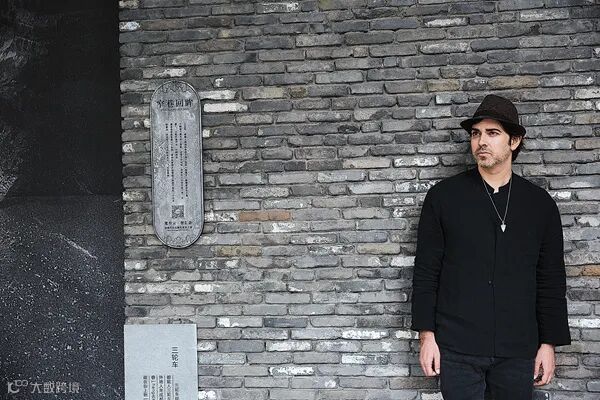
▲ Gilad Segev. Photo provided to China Daily
In June 2020, he launched Project 34, through which he will release a song for each of the 34 provincial-level regions in China every month, with every one encapsulating each place's characteristics. Combining Chinese music and global folk music, he has unveiled 17 videos online so far, including on YouTube and major Chinese social media platforms, gaining millions of views.
2020年6月,塞格夫推出了中国音乐采风集“和弦叁肆”,每月更新一首歌曲,共34首,代表中国34个省级行政区,每首歌都将展现当地特色。塞格夫的音乐将中国传统音乐和世界各民族音乐进行了巧妙融合。到目前为止,他已在YouTube和中国主要社交媒体平台上发布了17个视频,浏览量达上百万。
"My inspiration for the project was the great beauty I discovered in China's culture, landscapes, and more importantly, the hearts of Chinese people," says Segev, 47, who lives in Jerusalem, Israel.
47岁的塞格夫现居住在耶路撒冷。他说,“我做这个采风集的灵感来源于我所发现的中华文化之大美、河山之壮丽、人民之善良。”
He has nearly 1 million followers on Chinese micro-blogging platform Sina Weibo.
塞格夫的微博粉丝有近100万。

▲ Photo/Xinhua
"I want to tell the story of this beauty and express my love for it. As China is such a vast country, I need to express its richness by focusing on different places."
“我想讲好中国这个美丽国家的故事,表达我对她的热爱。中国幅员辽阔,我必须得聚焦各个地方才能展现出她的丰饶。”
He calls himself a "passerby" — a traveling artist who tells his stories from his encounters with people from various cultures, through music.
塞格夫称自己为“行者”,是行走的艺术家。他用音乐讲述自己与不同文化背景下的人们邂逅的故事。
Over the past decade, the award-winning musician has visited China over 20 times to perform across the country. He has traveled to most of the 34 provincial-level regions, and plans to go to the rest when travel is not restricted by the COVID-19 pandemic.
塞格夫曾多次获得音乐大奖。过去十年,他往返中国二十多次进行演出。他已经去过了中国大部分省份,也打算等疫情旅游限制解除后去没去过的省份看看。
"With creativity and the help of many people, we are able to continue the project, although now I can't travel to China due to the pandemic," he says.
“目前因为疫情我没办法去中国,但在许多人的启发和帮助下,我们还是能够将项目继续下去,”他说。

▲ Photo/Xinhua
For each music video, he cooperates with a Chinese vocalist or musician, to combine characteristics from their own home region. He and his team have listened extensively to various genres of Chinese music to figure out what suitable elements can be used in his works.
为了突出不同地区的特色,在制作每部音乐MV时塞格夫都会和一位当地歌手或音乐人合作。塞格夫和团队广泛地聆听各种类型的中国音乐,博采众长,以此找到适合自己作品的元素。
"Finding this combination is the foundation of the emotional bridge I want to build in Project 34, a bridge to all provincial-level regions in China, and also among all people of our world," he says.
“我想通过‘和弦叁肆’搭建一座情感桥梁,这座桥不仅仅连接着中国34个省级行政区,也连接着全世界各族人民。我们彼此间的共同点就是这座桥的基底。”
The first is to find the key elements — the beauty of local culture, landscape and people's character that represent a place best-via in-depth research. After that he decides on the main musical elements and finds a suitable artist from the area to collaborate with. When he writes the lyrics, he tries to find the words that go best with the landscape and feelings he has about the place.
首先要通过深入研究找到关键元素,也就是最能代表某个地方的文化之美、风土之美和人情之美。之后,定下音乐元素主基调,并在当地寻找合适的艺术家合作。写歌词的时候,塞格夫会尝试使用最契合当地特色和最能表达他对当地感受的字眼。

▲ Israeli singer Gilad Segev performs with Chinese singer Ha Hui in Shanghai in June 2019. Photo provided to China Daily
"I try to be true to my own feelings and perspective," he says.
“我会尽量忠实于自己的感受和判断,”他说。
In the song about Hubei province, a Chinese musician plays guqin (Chinese zither), together with Segev's piano playing.
在献给湖北的那首《我的朋友》中,中国艺术家的古琴和塞格夫的钢琴碰撞出了一种和谐。
The use of guqin is inspired by a legend in Hubei about the friendship between musician Yu Boya and woodcutter Zhong Ziqi, during the Spring and Autumn (770-476 BC) and Warring States (475-221 BC) periods. Zhong understood Yu's music exactly as Yu wanted to express himself. Later, when Yu learned about Zhong's death, he broke his guqin and never played the instrument again.
使用古琴的灵感来源于春秋战国时期琴师俞伯牙和樵夫钟子期高山流水遇知音的故事。唯钟子期能领会到俞伯牙琴声中的“弦外之音”。后来俞伯牙听闻钟子期病故噩耗,破琴绝弦,不复抚琴。
Segev is amazed by Fuqi Shuangshuang Bajiahuan ("husband and wife come back home together"), a classic aria of Huangmei Opera, originating in Anhui province. It connects him to the times when he has to leave home for trips. Appreciating the beauty of Chinese language via the art form, he decided to sing the song about Anhui in Mandarin.
塞格夫也惊叹于《夫妻双双把家还》(安徽黄梅戏的经典曲目)之妙。这一曲目让他联想到了自己离家远行的不舍时刻。领略到黄梅戏展现出的汉语之美,他决定用中文唱出这首献给安徽的歌。
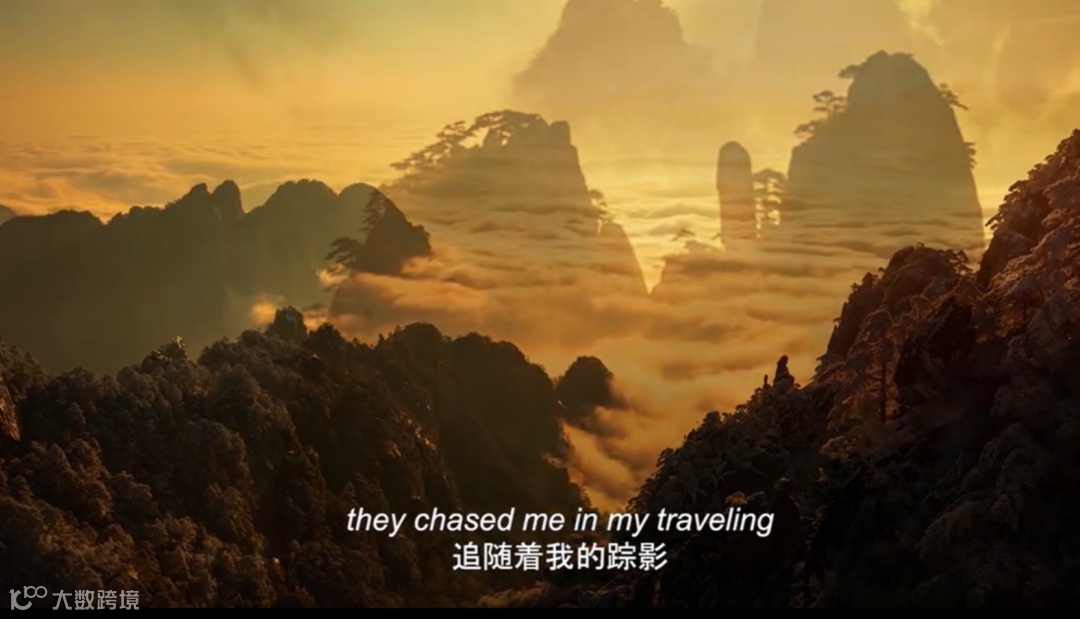
▲ I'll Be Coming Back for Anhui province
Most of his songs in the project are in English because he wants to present them to a larger audience.
由于想要呈现给更多的观众,采风集中的大部分歌曲还是英文歌。
"My impression of China only gets better the more I travel there. The reason is that I enjoy China's variety of beauty, but still see its identity as a whole country. It shows that people all over the world can keep their diversity and still feel as one."
“来中国的次数越多,我就越喜欢中国。我想是因为我在欣赏中国多元化之美的同时,也把中国看作了一个不可分割的整体来欣赏。她证明了世界各地的人们也都可以在保持独特性、多元化的同时,团结在一起。”
He says he sees commonalities between Jewish and Chinese people. Both have thousands of years of heritage and attach great importance to family values and education. Many Chinese social media users comment on his posts that they are moved by the songs and want to visit these places themselves.
塞格夫还说,中国人与犹太人很相似,两个民族都有着几千年的历史,文化底蕴深厚,家庭观念很重,也重视教育。在塞格夫社交平台的评论区里,许多网友称他们深受感动,想要亲自去音乐里描述的地方看看。
He says that he finds audiences in China, and other countries, have discovered a side of the nation that they didn't know before.
塞格夫说他发现中国和其他国家的听众都从音乐里领略到了他们之前未曾了解过的中国。
"I hope the project will inspire people from outside China to love it like I do, and for people in China to get to know it better. Most of all, by connecting each part of China to the world using folk music as a bridge, I hope it will inspire people to enjoy the beauty."
“我希望这个采风集可以让中国以外的人像我一样热爱中国,也让在中国的人更懂中国。最重要的是,我希望通过民族音乐连接起中国的各个地方和这个世界,启发人们去欣赏中国的美。”
He says people learn about other countries via news, which is mostly political.
他还说到,大家总是通过新闻了解其他国家,但新闻大部分都带有政治性。
"No one talks about the beauty of Sichuan province, the futuristic scenery of Shanghai, or the oasis in the Ningxia Hui autonomous region," he says. "Therefore, Project 34 is a big surprise to many people... China's beauty creates the best impression for all to see."
“没有新闻会谈论天府之国四川的美丽、魔都上海的未来感、宁夏回族自治区的沙海绿洲。所以,‘和弦叁肆’带给了很多人惊喜。中国的美真的让人印象深刻,大家都值得来感受一下。”
One of his Chinese fans once translated a Hebrew song of his into Chinese and posted it online. He contacted her and filmed her singing in Chengdu, Sichuan province. He puts her video on a big screen while he sings the song onstage.
塞格夫的一个中国粉丝曾把他的一首希伯来语歌翻译成中文,并发布到了网上。塞格夫后来联系了这位粉丝,并拍摄了这位粉丝在成都演唱这首歌的视频。后来,塞格夫每每演唱这个作品时,都会把这位粉丝的视频放在大屏幕上播放。
"I am so happy that such amazing, talented people can use my platform to let their voices be heard. When all of our voices are heard together, true harmony can happen," Segev says.
“我很开心能有这么棒的人可以用我的平台把自己的声音传递出去。当我们每个人的声音都能被听到的时候,世界或许就真的和谐了。”

编辑:商桢 陈月华 周婵
记者:许琳
录音:Stephanie Stone
实习生:申乐 李蕤

推 荐 阅 读


