


本人转载自“21世纪英文报”,已获授权
今年92岁的郑振香是新中国第一代女考古学家,1976年,她曾主持挖掘出中国有史记载的第一位女将军墓穴:妇好墓。
妇好的丈夫是商王武丁,开创殷商盛世,她也被称为是“传奇王后”,在郑振香的努力下,大女主的故事终于被后人所知晓。
近日,一档央视挖掘式纪实采访节目把这段北大考古人和殷商大女主的时空“对话”搬上了荧幕,让更多观众知道了这段沉睡三千年的历史故事。
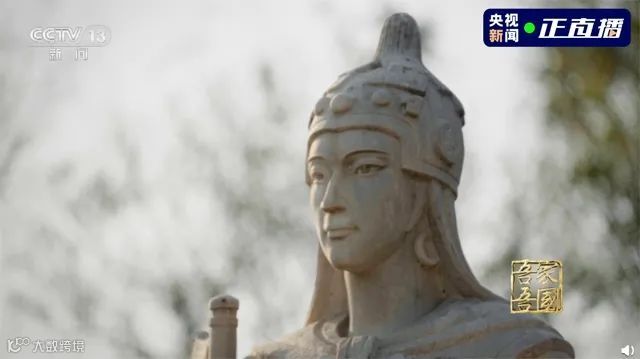
Without Zheng Zhenxiang, the tomb dating back to the Shang Dynasty would not have been unearthed in 1976 in the city of Anyang in central China's Henan province.
The occupant of the tomb uncovered in 1976 was Fu Hao, one of the queens of the Shang Dynasty, regarded as the first female general in Chinese history. With a high position, she often presided over sacrificial ceremonies and directed military actions, according to the inscriptions on the bones and tortoise shells discovered in Anyang.
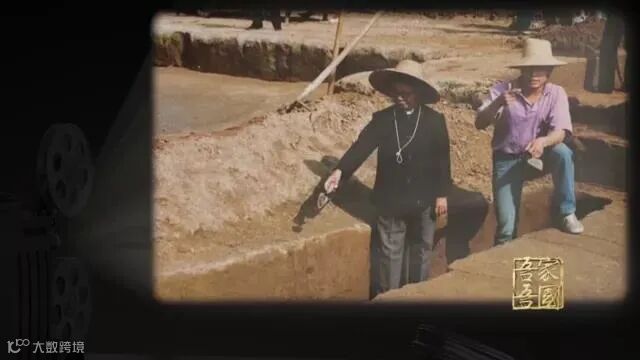
1976年5月16日,这是中国考古史上值得记录的一天。郑振香带领的考古队,在安阳小屯村西北角的一片高岗地进行挖掘工作。
图源:央视新闻
当考古队在挖掘到五米多深时,发现全是硬土,再挖下去地下水就要渗出来。大部分人都准备放弃了,专家们也认为宫殿宗庙区不会有墓葬。而郑振香却坚持继续,她认为显露出来的夯土,不符常理,必须弄个水落石出。
探到八米深时,铲子终于带出了令人惊喜的红色漆皮。就是这关键性的一铲,一座沉睡3000多年的殷商大墓,露出真颜。

图源:央视新闻
In 1976, Zheng organized an excavation of a palace site in the Yin Ruins, only to find that the bottom of the foundation of the palace couldn't be reached, even after they had dug five meters deep, and nothing was found over the next month.
Many experts advised her to stop, because according to the traditional theory, there would not be a tomb in the area of a palace.
However, Zheng Zhenxiang didn't think so. She sensed that there must be a tomb beneath the palace. She then challenged the traditional theory by innovative technology and hard work.
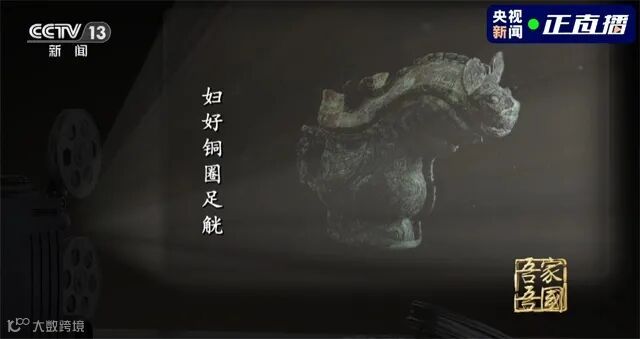
这是中国最早的女将军妇好的墓葬,出土了不同质料的随葬品1928件。其中最能体现殷墟文化发展水平的青铜器共有468件,如三联甗、偶方彝、大铜钺等。
图源:央视新闻
珍贵文物相继现世,过去只停留在甲骨文中的商朝王室生活,突然变得真切起来。
Thus a treasure trove was opened by Zheng. About 2,000 articles buried with the queen, including 400 bronzeware and 700 jade articles, were found. One piece of bronzeware inscribed with the words "Fu Hao" proved Zheng was correct.
1952年,郑振香进入北大考古系,她是那届考古系里的唯一女生。

当时,曾有人问她:“你一个姑娘学考古,看到那些骨头不害怕吗?”她回答说:“不怕,在我看来,这些骨头就跟陶罐一样,没什么。”
毕业后,郑振香怀着对田野考古的一腔热忱,离开繁华的首都北京,来到她向往已久的中国考古圣地——安阳殷墟,从此在安阳埋头考古四十多年。
Zheng entered Beijing University in 1950. "The country gave me the chance to go to university. That was the greatest luck for me, " she said. In 1962, leaving the university as China's first postgraduate in archeology, Zheng came to the Yin Ruins as a research archeologist.
“学考古就是要做好吃苦,和牺牲优越生活条件的准备,必须系统地做田野工作。考古人不下田野,好比唱戏的不上舞台,不可能做出成绩。”这是郑老恪守一生的信念。
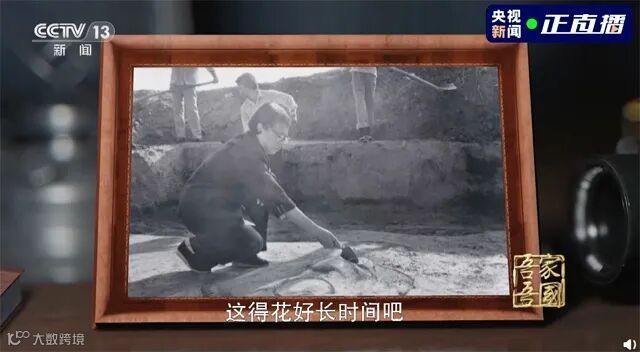
在安阳的几十年里,她几乎跑遍了殷墟的每一寸土地,对那里的遗址布局了然于胸,也是这份扎实的经验储备,让她在妇好墓的机遇面前,自信、专业、果断,收获了事业上的高光时刻。
今年92岁高龄的郑振香,独自居住在北京一个老旧的公寓里,这间房子郑老已经住了快30年。她说,搬进来的时候什么样子,到现在还是什么样子,家具从未换过。也许在考古人心目中,“古旧”并不是什么遗憾的事情。

这个不大的单元房里,到处都堆积着倾注了她毕生心血的书籍和考古资料。因为记忆力不如从前,郑老特意把商朝人物关系谱系图贴在了她卧室的柜子上。

她还有很多日记本,面对来访的客人,会不厌其烦地叮嘱“只能看不能拿”,神情像个守护珍宝的小孩。在某个日记本扉页,郑老摘抄了这样一句话:不要等待运气降临,要去努力掌握知识。她还写了这样一句名言:
在泥土下面黑暗的地方,才能发现金刚钻,在深入缜密的思想中,才能发现真理。
来源:央视新闻 人民网

推 荐 阅 读

