


导读
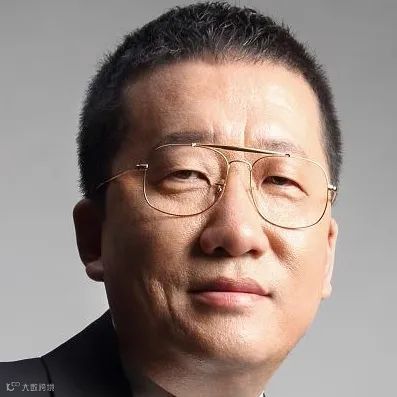
作者:张建宇
“一带一路”绿色发展国际研究院执行院长

China immediately embraced the still nascent concept of environmental protection and inaugurated a half-century sustainability journey that no one could have envisioned back then. Although a latecomer that is still going through its uniquely fast and condensed industrialization process, China has demonstrated remarkable willingness not only to learn, but also to cooperate with the international community on finding solutions to all daunting environmental threats.

The year 2050 has emerged as the critical milestone year for the global community beyond the 2030 target year for realizing the 17 Sustainable Development Goals of the UN. The year 2050 is significant, because it is an international scientific consensus that, in order to prevent the worst climate damages, global net human-caused emissions of carbon dioxide need to reach net zero around 2050. By that year, signatories of the Paris Agreement are required to plan their mid-century carbon control strategies.
Coincidentally, 2049 is the 100th anniversary of the founding of the People's Republic of China, which is the year set for the country to have achieved its goal of becoming a modern prosperous country with a harmonious relationship between man and nature. One of the most important aspects of this goal is building an ecological civilization, the concept that China has been pioneering and has included in its Constitution. With a strong central planning mechanism and a track record of achieving its environmental targets during its five-year plans, China has the unique experience and capabilities to achieve this necessary balance domestically, demonstrating to the world how important it is to equip ambitions with step-by-step actions.

Despite all the turbulence and chaos, the 21st century will undoubtedly be recorded in modern history as the "green century", not only because environmental awareness planted in the last century has now come to fruition, but also because the health and well-being of people are more keenly threatened by the "triple planetary crises" of climate change, nature and biodiversity loss, and pollution. The situation has been made even worse in recent years by the devastating COVID-19 pandemic and by geopolitical tensions that are slowing global cooperation. Deep decarbonization goals can only be achieved through the sharing of resources, knowledge and experiences and can only be achieved when a broader constellation of countries, cities and companies are engaged.

As a good participant and contributor to the global sustainability agenda, it is now the time for China to be more active and become a torchbearer in the global green agenda. With a production capacity of 80 percent of global solar PVs and 70 percent of the global battery production, China should no doubt uphold the global drive toward green and low carbon energy.


推 荐 阅 读
