


On June 30, police officers in Beijing's Haidian district detained seven people suspected of defrauding seniors by setting up a fake auction house and charging high service fees. The suspects are still in detention and investigations are ongoing.
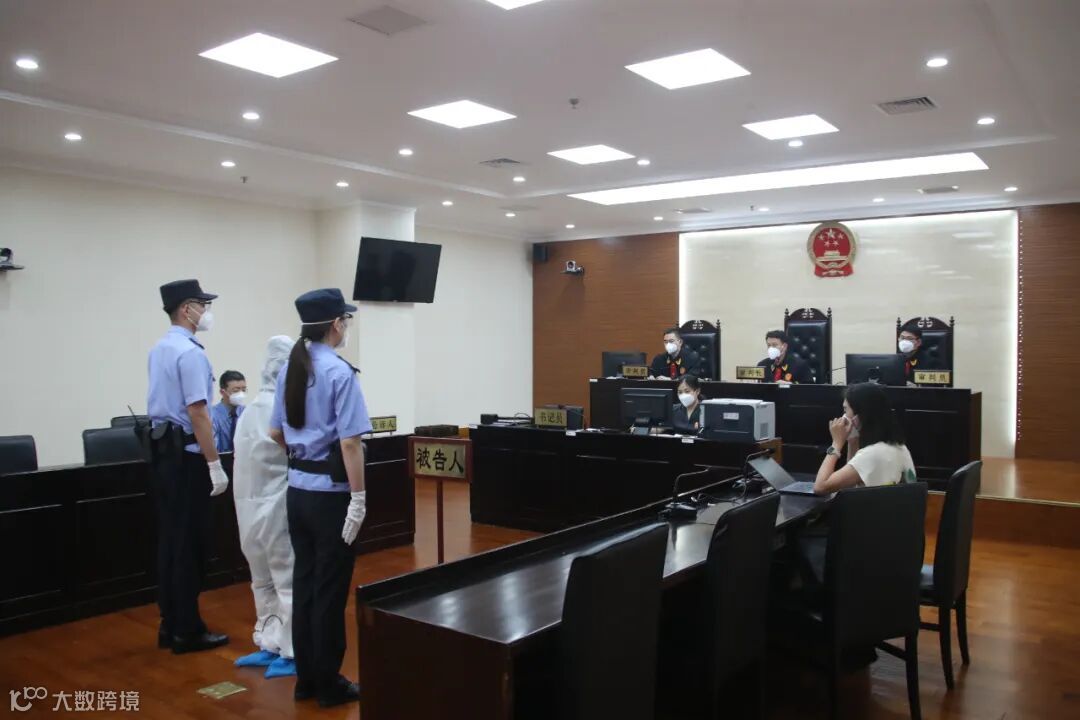
A recent case Shang Dengyu dealt with saw 14 defendants receive prison sentences ranging from 30 months to 12-and-a-half years after they were convicted of cheating 160 people out of about 24 million yuan between January 2016 and April 2019 by untruthfully claiming that they could sell works of art.

考虑到老年人有收藏字画、纪念币、邮票等爱好,且愿以此赚取收益,此类骗局的主要目标集中在60岁以上人群。
Many scammers prefer to commit fraud in the field of art and antiques because they know that a lot of older residents are interested in collecting stamps, commemorative coins or currencies, and paintings and calligraphy, and they want to make more money through the appreciation of their collection.

The scammers had a clear division of work. Some were responsible for stealing the seniors' personal information while others pretended to be auction house employees so they could visit or call the seniors to ask if they had any works of art to sell.
Many of the scammers didn't talk directly about auctions or money with the seniors. Instead, they invited the seniors to attend an antique or art exhibition, telling them they would get free gifts if they came. When accompanying the seniors to the exhibitions, some scammers asked them if they had seen auction-related television programs, and claimed that some artworks sold on the programs had been provided by their company. All this was designed to relax the seniors' vigilance and strengthen the bonds of trust, even though the preparations might sometimes take a lot of time.

If a senior expressed interest, the swindlers would claim they could help to sell art collections at high prices, earning large sums of money by charging the collectors service fees.
法官说法

推 荐 阅 读

