



In the late 1950s, China was hit by many severe natural disasters, causing a great famine in cities and regions such as Shanghai. More than 3,000 children were abandoned at southern orphanages and sent to the grasslands of the Inner Mongolia autonomous region, where there were comparatively more offerings of nutrients. Many local herders adopted those children and became their foster parents.

The movie is based on this historical chapter. Before being invited to helm the project, Derek Yee Tung-sing had little knowledge of it. With an attempt to realistically recreate the history, Yee said he studied all the available information, from articles and papers to video clips. He also watched previous similarly-themed TV programs, including National Children and The Tranquil Yimin River.
在这样详尽的准备之后,尔冬升发现筹备这个项目的难度比他想象得还要大。“它的难度在于整个事情的时间其实是很长的,我们看的资料也不完全准确。‘三千孤儿’只是一个名词,我们看到的数字是最后有接近三到五万的人。很多省都有接收小孩的,知道了之后就比较震撼。”
Despite his exhaustive preparation, Yee found that the project proved to be more difficult than he had estimated. Noting that the main challenge was the lack of accurate records chronicling the overall number of such children and the size of the foster project. Yee said they later discovered the rough amount of the children might be 30,000 to 50,000. "Aside from Inner Mongolia, some provinces also took in such children. I felt very thrilled when hearing about that," recalled Yee.
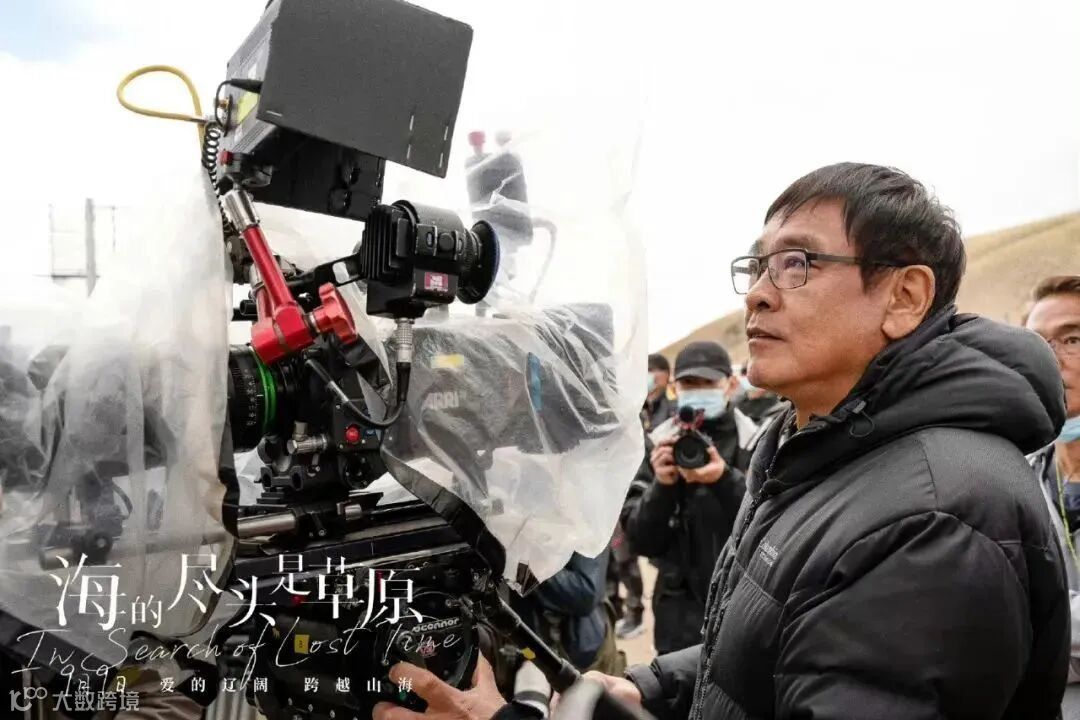
After discovering more archival materials, Yee said the script had to be adjusted many times up until the end of shooting.

内蒙古大草原上瞬息万变的天气,也让尔冬升印象深刻。他曾回忆说:“(在拍摄过程中)没有哪一天是全天的蓝天,或是全天的阴天或全天都在下雨。每天的天气都在变化,所以站在草原上望向天空,是我在香港或北京看不到的景色。”
The ever-changing weather of Inner Mongolia's prairies also impressed Yee. "(During the entire shooting process) none of the days were sunny with a clear sky all throughout the day. It frequently turned cloudy or rained. The weather was constantly changing. When you stand on the grassland and look at the sky, you obtain an epic sight that you will never get in metropolises like Beijing and Shanghai," he said.
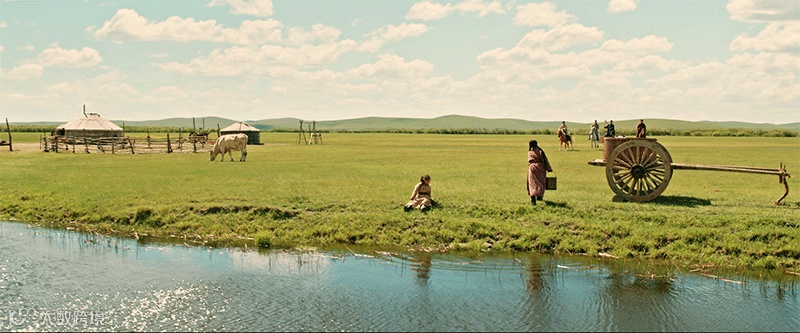
因为亲生母亲在灾荒时期无力抚养一对儿女,女孩杜思珩被遗弃在一家上海保育院。她随着大批同样命运的儿童一起北上内蒙后,被“额吉”萨仁娜收养,在草原中融入新的环境和家庭。
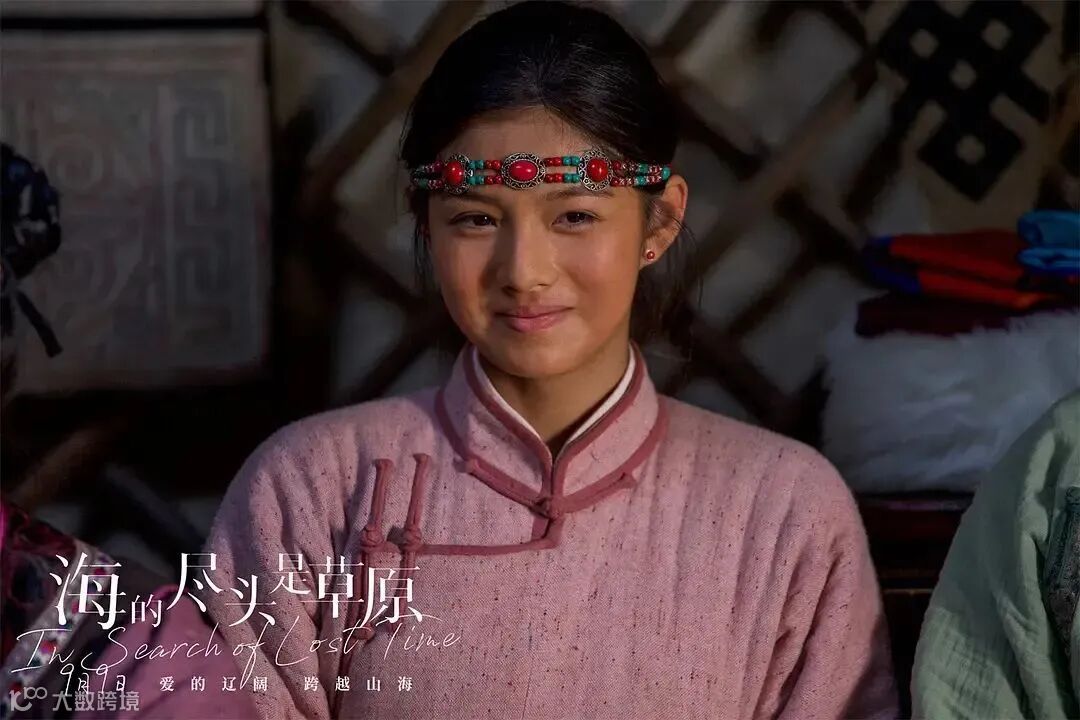
A fictional story inspired from true history, the movie unfolds in two parallel lines, one story is about Du Siheng, a young girl abandoned by her mother, getting settled in with her new family in Inner Mongolia between the late 1950s and 1960s. The other story is about Du's elder brother embarking on a journey to find his sister that he has not seen in decades, in an attempt to remedy their mother’s lifelong regret.

在中国传统文化中,中秋历来是“人月两团圆”的佳日。这部在中秋档上映的影片,也在大银幕上演绎了一对隔着千山万水和数十年光阴,终于久别重逢的兄妹。同时,影片也将内蒙古丰富多彩的文化,表现得妙趣盎然又摇曳多姿。另外,这部片也是近年来少见的蒙古语电影作品,感觉蒙古语台词说起来也很是好听。
双语君为读者们准备了特别的福利
在留言区说说
你希望拍成电影的历史瞬间
或是电影中你喜欢的历史故事
点赞排名前3的读者
将每人赢得两张《海的尽头是草原》的电影通兑券
截止时间:9月16日11点

推 荐 阅 读

