



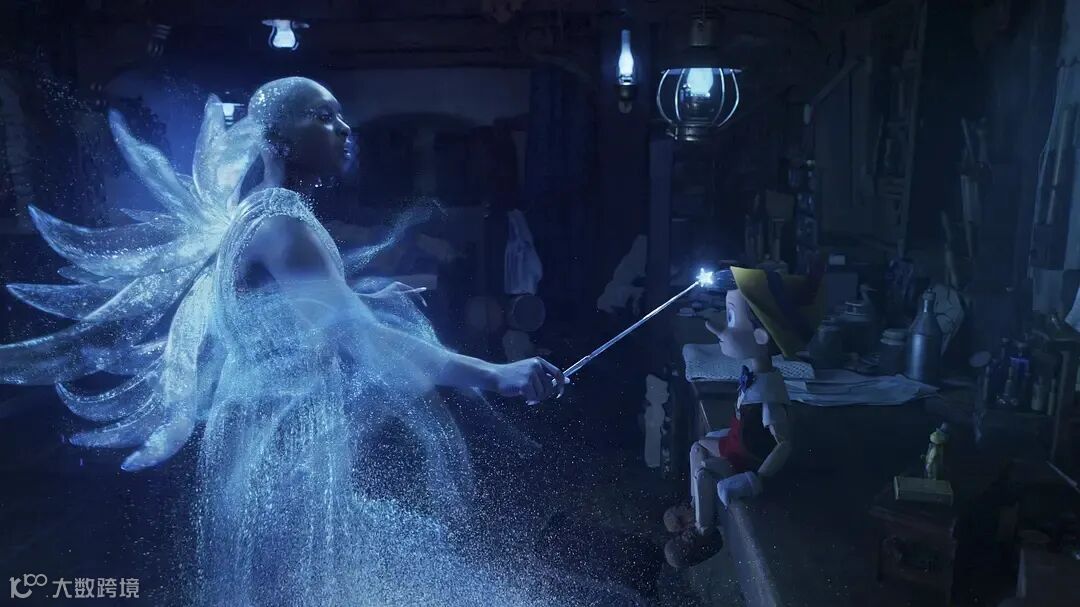
Pinocchio returns once again to audiences everywhere with a new film adaptation, which premiered on the online streaming service Disney+ on Sept 8.

With a mix of 3D animation and live-action actors (including big names such as US actor Tom Hanks), the film breathes new life into a timeless classic.

For those unfamiliar with the basic story, Pinocchio is about an old woodcarver named Geppetto who creates a wooden puppet resembling a boy named Pinocchio. But, after the puppet is brought to life by a magical fairy, Pinocchio is then guided by Jiminy Cricket on his journey toward becoming a real boy, encountering multiple moral dilemmas along the way.
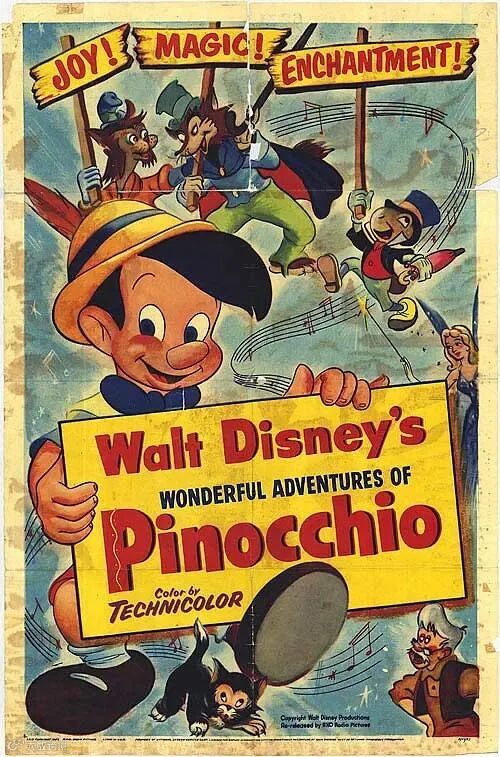
图源:豆瓣
The Pinocchio fable itself is long-lived, originating from a serial children’s novel titled The Adventures of Pinocchio, written for a magazine in 1881 by Italian author Carlo Collodi. The most famous adaptation of the story was a 2D-animated film by Disney released in 1940, but Pinocchio has seen dozens of other film, TV and written adaptations over the decades.
But what is it about Pinocchio that makes it such a timeless story? In many ways, Pinocchio is a highly allegorical story. Pinocchio himself is a symbol of youth, ignorance and free will, often struggling to do the right thing and giving in to the temptations for easy success.

Despite Jiminy Cricket – a symbol of one’s conscience – urging Pinocchio to make the right choice, Pinocchio willfully pushes him away and ignores him at times, for example choosing to lie instead of telling the truth, resulting in Pinocchio famously growing his long nose as evidence of his dishonesty.

It is only when Pinocchio finally chooses to be selfless and rescue his father figure, Geppetto, from a whale that he can finally become a real boy and rise above his fundamental urges and temptations. But it is ultimately this journey of encountering moral challenges, failure and redemption that makes the story of Pinocchio so relatable to the human experience and still resonate with audiences to this day.

推 荐 阅 读
