


11月30日,侵华日军南京大屠杀遇难同胞纪念馆举行2022年新征文物史料新闻发布会,共计453件(套)重要文物史料入藏纪念馆。其中,日本友人大东仁先生再次于日本搜集了51件(套)珍贵文物史料,包括侵华日军士兵的《阵中日志》、侵华日军荣第1644部队相关照片、“‘南京陷落’儿童教育戏剧卡片”等。
The Memorial Hall for the Victims of the Nanjing Massacre by Japanese Invaders in Jiangsu province announced on Wednesday that it had collected 453 sets of historical relics so far this year, including evidence of "comfort stations", biological weapons and the militaristic education of Nanjing children by the Japanese Imperial Army during the War of Resistance Against Japanese Aggression (1931-45).
According to the memorial hall, one of its Japanese friends, Hitoshi Oto, helped it collect 51 of the historical relics in Japan.

One of the relics — the original diary of Japanese soldier Jun Arai — recorded in detail how he set off from Japan for China by ship with other troops and was stationed in several Chinese cities from Oct 12, 1937 to Sept 23, 1938.
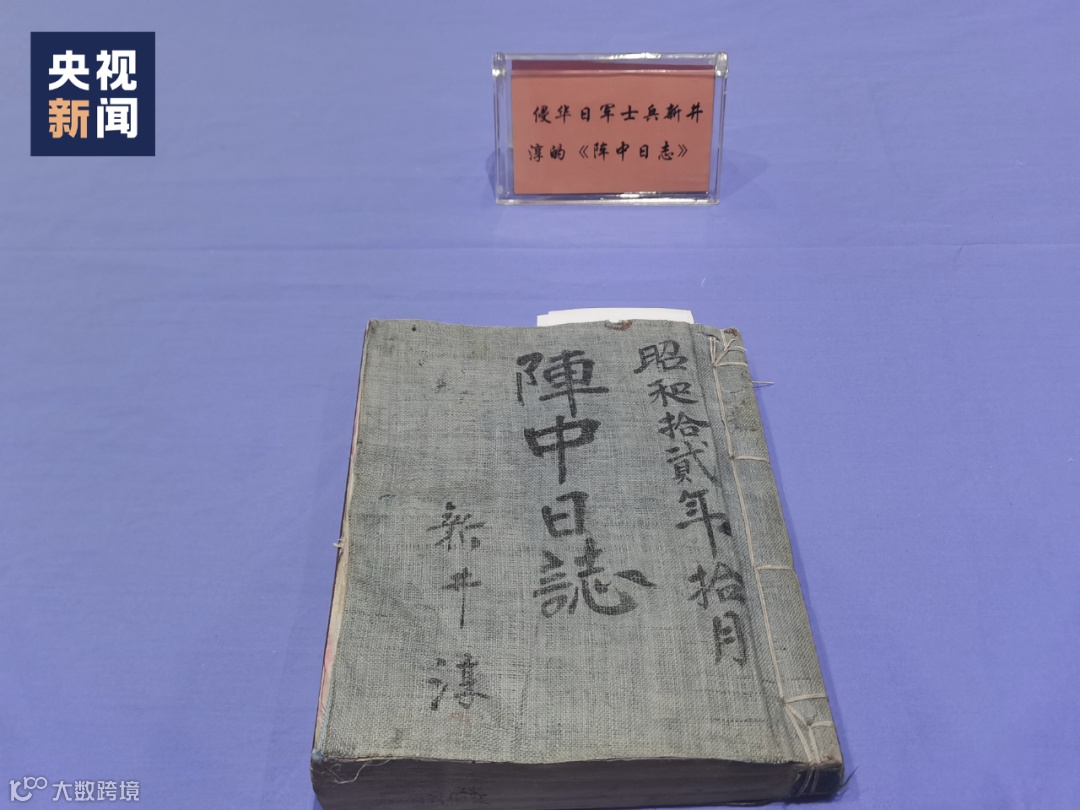
It was also the earliest record of so-called comfort stations, established for sexual activity by the Japanese army in Nanjing after the comfort women system was officially established.
In his diary, the soldier recorded how the Japanese army treated wounded soldiers, robbed civilians, established "comfort stations" and fought the Chinese army, particularly how the Japanese army set up a "comfort station" in Nanjing on Jan 1, 1938.


Oto also helped the museum collect more than 60 photos of the Japanese army's Unit 1644, which was as notorious as Unit 731, which committed heinous crimes and performed biological experiments on people in China.
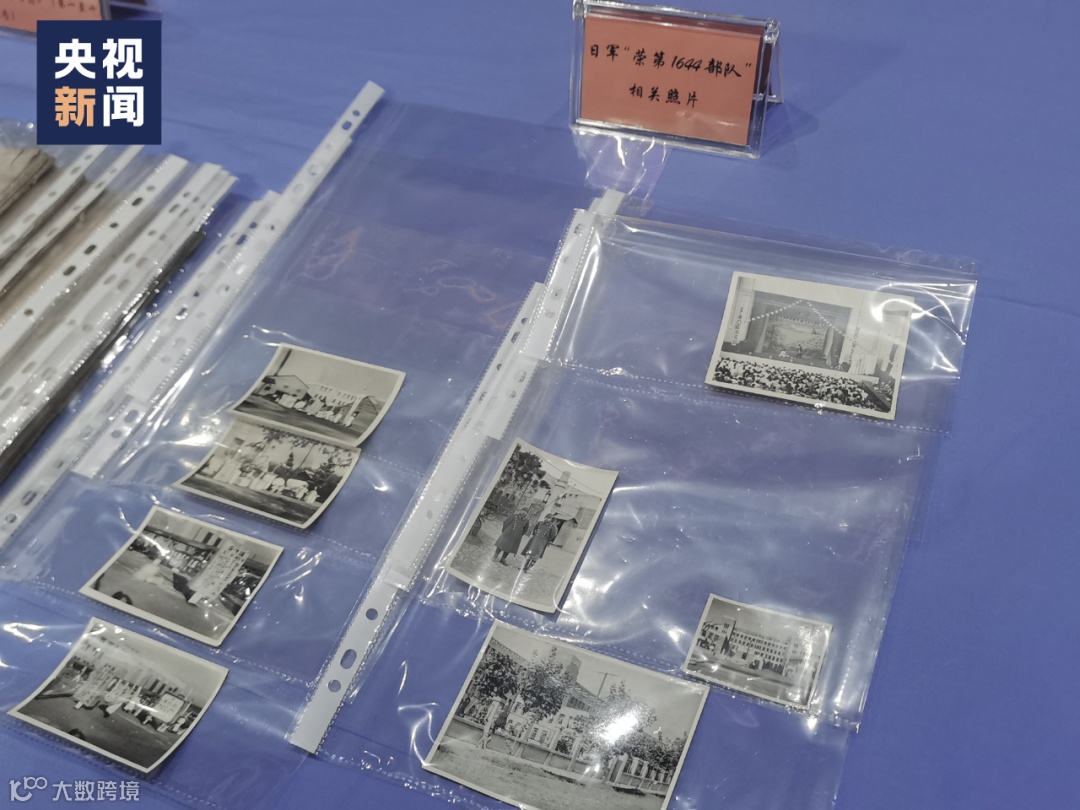
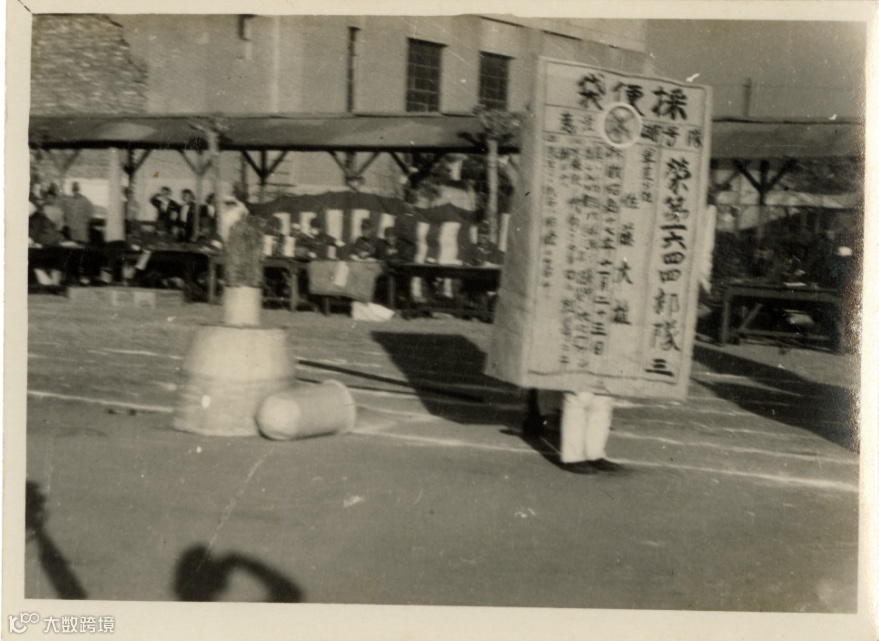
According to Meng Guoxiang, a professor from Nanjing Medical University and an expert on the history of Japanese aggression against China, disguised as the "Central China Epidemic Prevention and Water Supply Department", the unit was actually engaged in large-scale research and experiments on biological warfare and the use of poison gas.
In December 1998, 41 skulls were unearthed near the site and were later confirmed as belonging to victims of the unit's experiments.


推 荐 阅 读


