


北京时间8月29日凌晨,第17届夏季残奥会开幕式在法国巴黎举行。
这个夏季的巴黎奥运会和残奥会,给我们带来了体育的盛会,也唤起了对古希腊文明的回忆。本文将带领读者深入探索古希腊文物背后蕴含的奥林匹克历史,揭示“奥林匹克休战”传统的来源,并一同感受古代智慧与现代体育精神的交融。
在雅典国家考古博物馆收藏的数量惊人的古希腊艺术品种,有一类被称为“krater”的双耳喷口杯,这是闻名世界的古希腊陶器的基本类型之一,通常用于将酒与水混合供饮用。
最近,它们中的一件“长途跋涉”从希腊来到了中国,现身于南京博物院正在举行的古希腊文明大展中。
Within the enviable collection of ancient Greek art held by the National Archaeological Museum in Athens, there's a red-on-black container known as krater, an ancient Greek clay vase and one typically used for mixing wine and water, as the ancient Greeks would do.
Yet, of the thousands if not tens of thousands kraters held by the museum, this one, dating to the early 4th century BC, has traveled the long distance between Greece and China to show up at an exhibition focusing on ancient Greek civilization for a distinct reason.
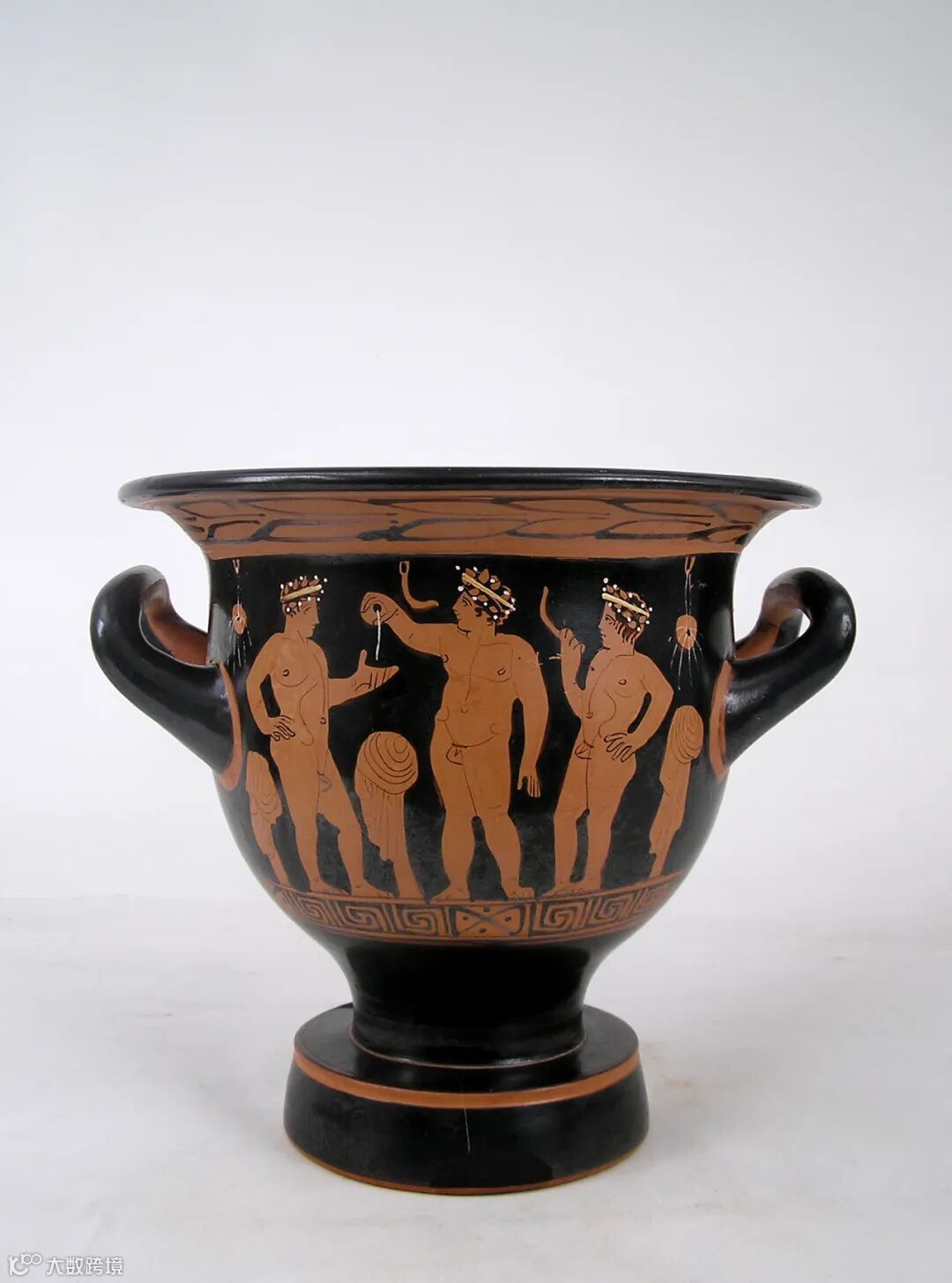
绘有三个运动后护理身体的裸体男青年的古希腊陶器
这件可以追溯到公元前4世纪早期的器物,通过生动的图绘,展现了一个体育场内的特殊场景:红黑比对强烈的画面中,三位刚刚结束锻炼的裸体青年正在进行“身体护理”。中间的一位手持油瓶,为左侧的同伴倾倒护理油,而右侧的青年则拿着刮汗器。三位青年的长衫悬挂在身后,高处则挂着刮汗器和油瓶。
“The piece itself, by capturing on one side a specific moment inside the gymnasium, tells a story about the building of the body, which, together with the exercising of the mind, constituted the Grecian ideal of a man,” says Guan Lin, curator of the exhibition at the Nanjing Museum in Nanjing city, eastern China's Jiangsu province.
With natural red color of the clay accentuated by the black background, the picture shows three nude youths preparing to treat their bodies after physical exercise. The one in the middle is shown holding up an aryballos — a small round or oval-shaped oil container — from which oil drips into the hands of his companion who stands on his left. The athlete on the right holds a a bronze strigil. Made up of a handle and a curved blade designed to conform to the contours of the body, a strigil was used, after exercise, to scrape off oil as well as dirt and sweat, the latter two tend to accumulate on the oil-covered young bodies.
这种小型油瓶被称为“aryballos”,通常呈圆形或者椭圆形且装饰精美,专门用于盛放涂身的橄榄油。至于古希腊的运动员为什么如此热衷于使用橄榄油,有几种说法。一是出于美观考虑:涂油可以最大程度地展现年轻的身体通过锻炼所获得的肌肉线条;二是出于实用考虑:橄榄油可以帮助运动员保持体温,并为皮肤提供一层保护膜。在摔跤比赛中,涂满油的身体会变得非常滑,让对手难以抓住,更不用说将其摔翻在地了。
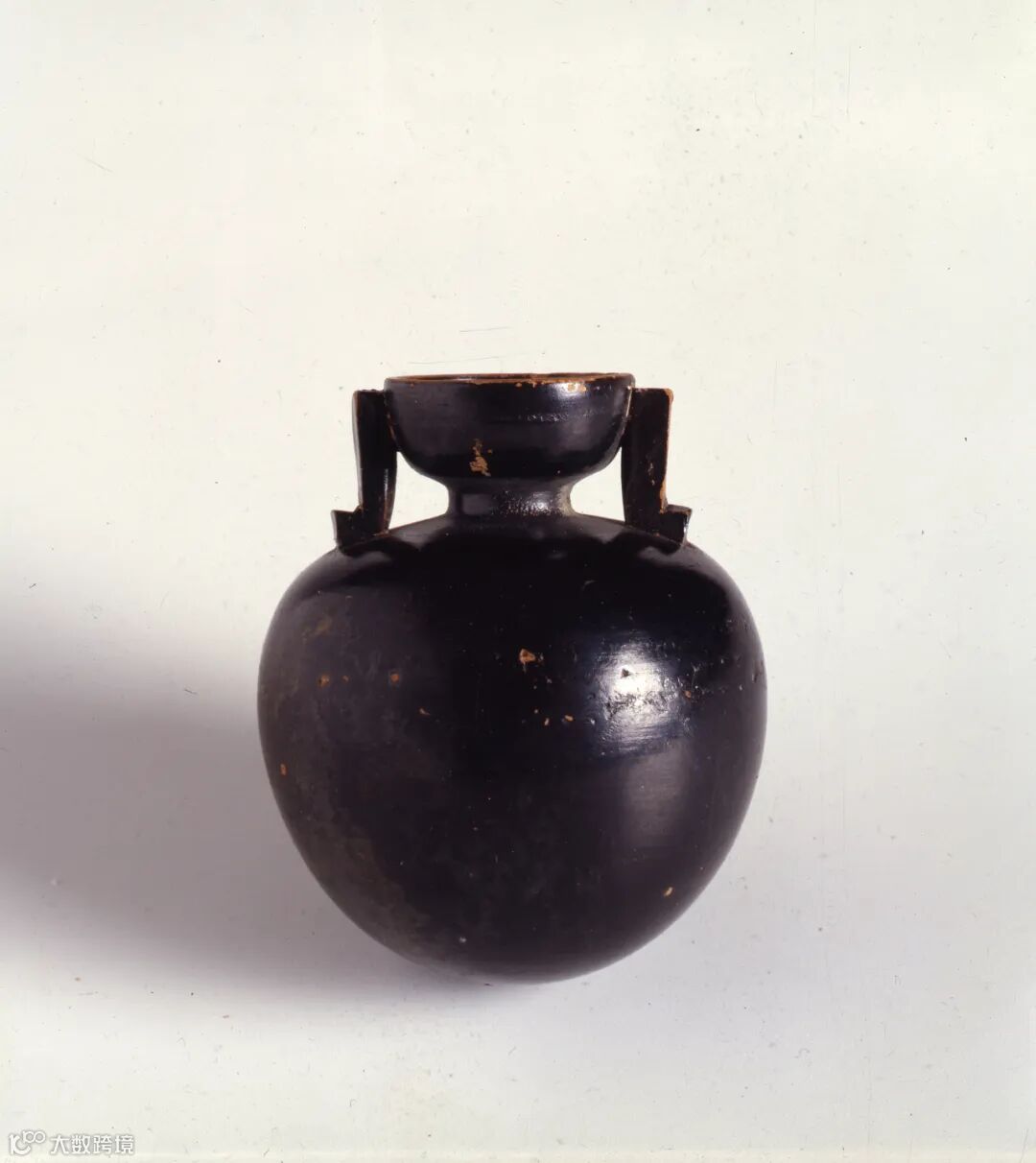
被称为aryballos的用于盛装身体护理油的短颈球形瓶
至于青铜刮汗器(strigil),则更是古希腊人的创新。涂了油的身体在运动后沾满了污垢和汗水,由手柄和符合人体曲线的弯曲刃片组成的刮汗器正是用来刮除这些附着在皮肤表面的污物的。
Examples of both the aryballos and the strigil, also from the National Archaeological Museum in Athens, are on view at the exhibition, which continues until Oct 20.
As to the applying of oil, it was done for both aesthetic and practical reasons. While emphasizing well-worked muscles, the oil also helps to warm up muscles and provides a protective layer to the skin. During wrestling, a well-oiled body would be very slippery, and therefore hard for the opponent to grasp, let alone to throw to the ground.
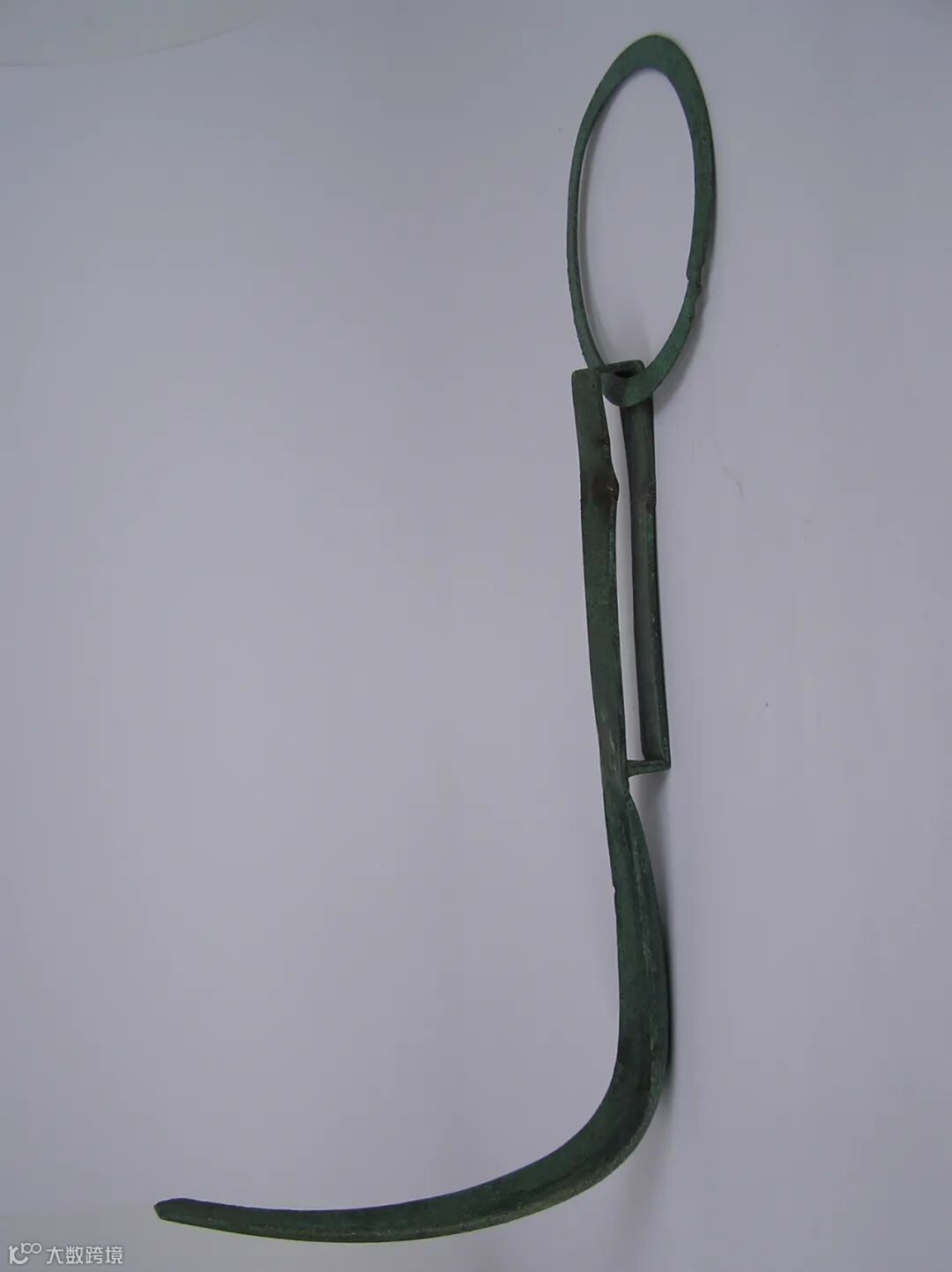
被称为strigil的刮汗器
“对古希腊人来说,健康的体魄与智慧的头脑同样重要,同时拥有二者的人在古希腊人心目中才是完美的。”策展人管琳说。
在其著作《理想国》(The Republic)中,柏拉图提出摔跤中的一种 (古希腊的摔跤比赛大致分为两种),在他看来,是非常适宜于作为培养年轻人体魄和意志的手段的。
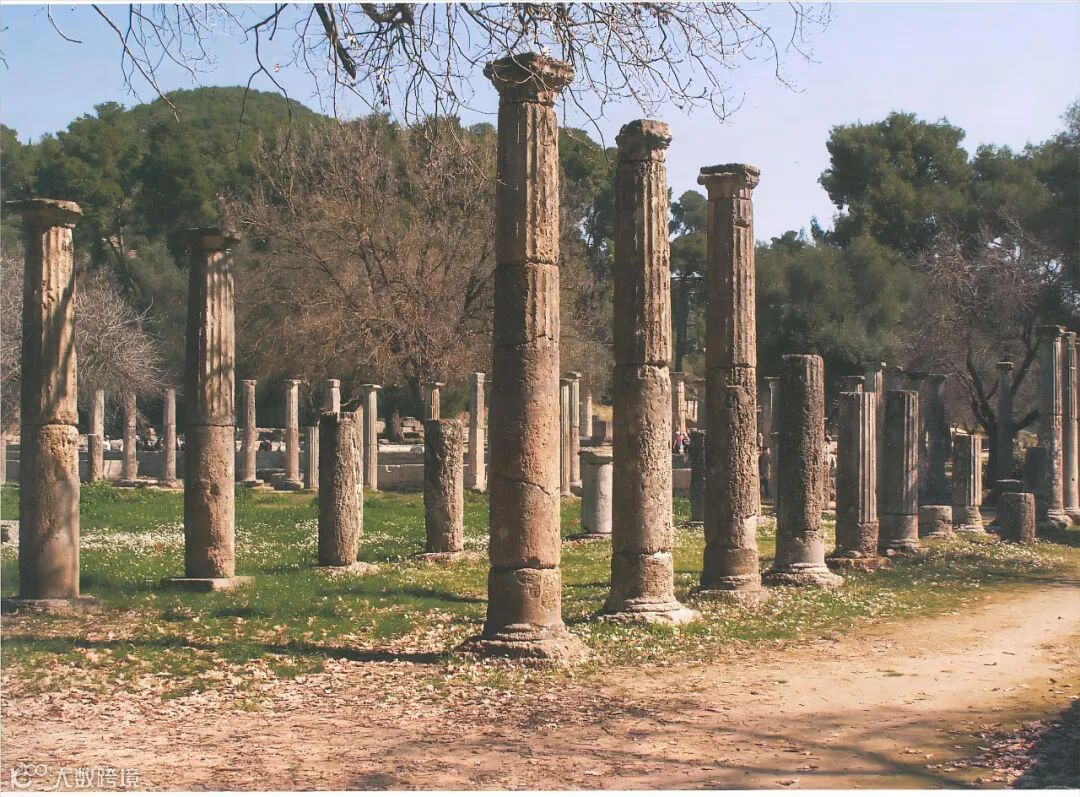
奥林匹克角力场遗址
摔跤(也称角力)是古代奥林匹克运动会的比赛项目之一。从公元前776年至公元后393年,古代奥林匹克运动会每四年在希腊伯罗奔尼撒半岛上的奥林匹亚举行。除摔跤外,比赛还包括跳远,投掷铁饼和标枪,以及马术和战车比赛。其中赛跑、跳远、掷铁饼、标枪、摔跤还构成了“五项全能”。
Considered by Plato as a sport for the education of the youth in the “Ideal State” he envisioned, wrestling was among the competitions of the ancient Olympic Games, held every four years between the 8th century BC and AD 4th century in Olympia, a small town on the Peloponnese peninsula in Greece. The games also included competitions for jumping, discus and javelin throwing, horse and chariot racing, and most importantly racing on foot, which was the only event for the first 13 Olympics.

奥林匹克赛马场遗址
作为五项全能的经典项目之一,掷铁饼这项运动最初使用石头,后来演变成铜质。铁饼的直径介于0.17至0.32米之间,重量为4至5公斤。这个重量是远远超过现代掷铁饼项目的。(在现代项目中,男子铁饼为2公斤,女子铁饼为1公斤。)
The discuses as used in disc throw were originally made of stone, before bronze ones were adopted for the Games. With a diameter ranging from 0.17 to 0.32 meters, the discs weighed between 4 to 5 kilograms, far exceeding that of the modern discus. (In modern events, the men's discus weighs 2 kilograms, and the women's, 1 kilogram.)
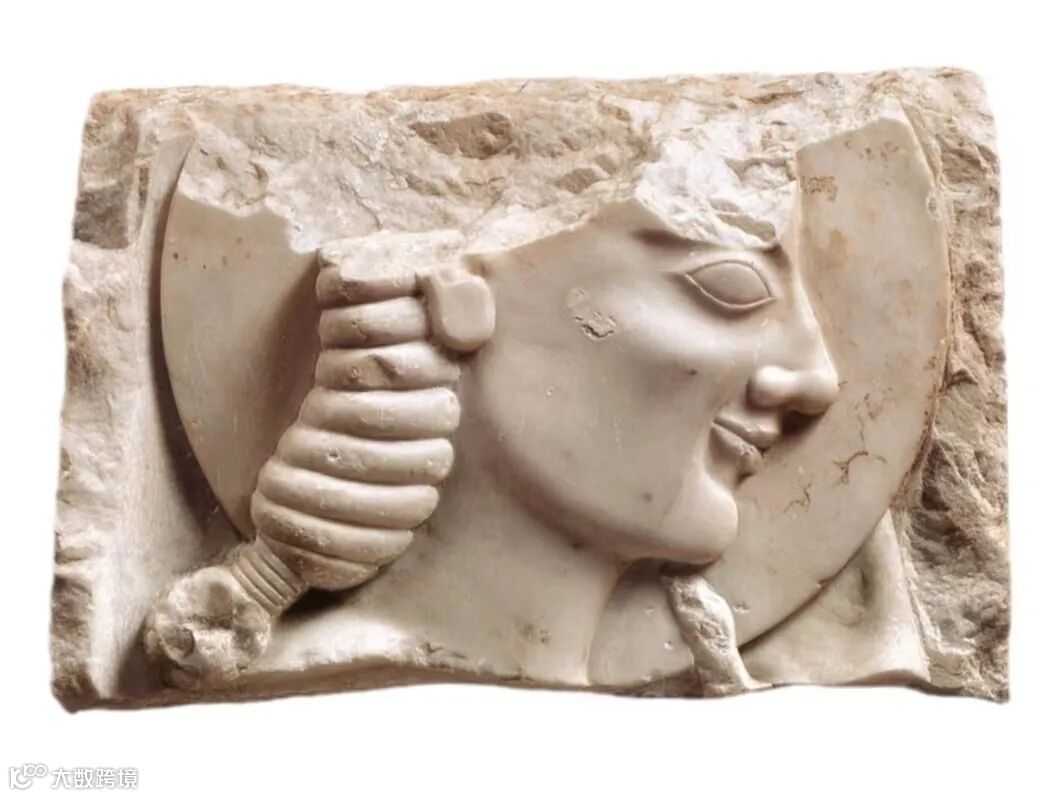
墓碑石上掷铁饼的运动员形象
而马车赛则是古代奥运会中最为惊险刺激的项目。勇士一手持马鞭,一手握缰,驱着由四匹或是两匹马拉着战车驰骋飞奔,气势如虹。这一形象,也常常出现在纪念石碑或是广泛流通于古希腊和地中海地区的金银标币上。
The most glorious event of the Ancient Olympics was the chariot race. At the Nanjing Museum exhibition, the head of Apollo wearing a laurel wreath appears on one side of a gold Greek coin dated to early 4th century BC. On the other side, the legendary Macedonian king Philip II, with goad in one hand and reins in the other, was driving his two horse-pulled chariot to victory during the Olympic Games of 356 BC.
南京博物院的展览中,就展出了数枚这样的金银币。其中有几枚的正面是宙斯或是阿波罗侧面头像,背面是以赫赫武功统一了希腊诸城邦国家的腓力二世。
The king also appeared as a chariot driver on a silver coin dated to around the same time that is on view at the exhibition. For this one, it is the head of Zeus that appears on the reverse side.
Known as Staters, the coins, widely circulated throughout the Mediterraneans both for large economic transactions and as a store of wealth, had contributed to the spread of Greek culture and influence, something that the Macedonian king was highly aware of.
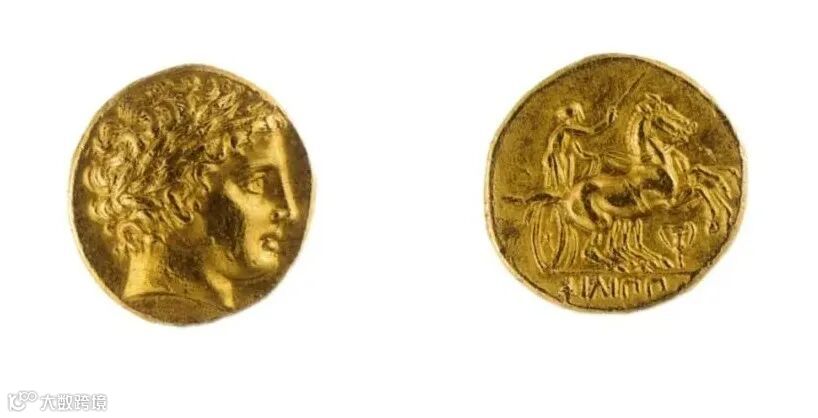
古希腊金币:一面是头戴桂冠的阿波罗,另一面是参加奥运会战车比赛的腓力二世
事实上,奥运会的起源与古希腊的社会情况有着密切的关系。公元前9-8世纪,希腊氏族社会逐步瓦解,城邦制的奴隶社会逐渐形成,建立了200多个城邦。城邦各自为政,无统一君主,城邦之间战争不断。为了应付战争,各城邦都积极训练士兵。斯巴达城邦儿童从7岁起就由国家抚养,并从事体育、军事训练,过着军事生活。战争需要士兵,士兵需要强壮身体,而体育是培养能征善战士兵的有力手段。战争促进了希腊体育运动的开展,古奥运会的比赛项目也带有明显的军事烙印。
The origins of the Olympic Games are closely tied to the social conditions of ancient Greece, with over 200 Greek city-states emerging in between the 9th to 8th centuries BC. Operating independently, the city states were engaged in frequent warfare, for which tough soldiers were needed. Physical training began to be seen as essential for the building of an invincible, battle-ready force. The need for military preparedness spurred the development of sports in Greece, and many events in the ancient Olympic Games reflected that military influence.

古希腊陶器上参加标枪比赛的运动员形象
在所有项目中,最古老也是最重要的当属赛跑,这是古代奥林匹克运动会初创后13年中唯一的比赛项目。赛跑的距离为192.27米。在第一届比赛中,来自伊利斯城邦的面包师科莱巴取得了胜利,他获得一项由橄榄枝编织而成的花环,这是古希腊文明中最神圣也是历史最悠久的奖励方式。
从公元前472年第77届奥运会开始,因为比赛项目的增多,会期也从一天延长到了五天,参与的城邦也从希腊半岛拓展到爱琴海诸邦。
"Participants were required to complete a length of 192.27 meters in a Game that lasted only for a day," says Guan. "It was eventually extended to a five-day event starting from its 77th edition in 472 BC."
赛跑在古希腊语中被称为“stade race”或“stadion race”,“stadion”是古希腊语中“体育场(stadium)”的意思。而另一个用于体育场地的词“gymnasium”在古希腊的语境下本身就包含了体育训练与教育之间不可分割的联系。
Foot racing was known in ancient Greek as stade or stadion race, stadion being the ancient Greek word for stadium. Another term for sporting venues — gymnasium — contained in itself the inextricable link between physical training and education, according to Guan.
“今天我们提到gymnasium这个词,往往只是单纯意义上的体育场,但是在古希腊,它即是运动场所,同时也是一个学术空间。”策展人管琳说。“可能很少有人知道,亚里士多德曾在雅典著名的吕克昂体育馆(Lykeion)的场地上创立了他的雅典学园。”
"Few people might know this, but Aristotle founded his philosophical school on the grounds of the Lykeion, a prominent gymnasium in Athens, Greece," she says.
同样值得一提的是,英文中“运动员(athlete)”一词源自古希腊语中的“athlos”,意为“比赛”或“斗争”。古希腊运动员为之奋斗的目标不仅仅是比赛场上的胜利,同时也是一种身心的共同发展,而这一概念,对古代中国的哲学家们来说也并不陌生。
The word athlete derives from the ancient Greek word athlos, meaning contest or struggle. It seems that what the ancient Greek athletes were arming for, with their struggle, was not mere victory, but a balance of the body and the mind, a deeply philosophical concept not entirely unfamiliar to ancient Chinese philosophers.
从奥林匹克运动会开始前一周到结束后一周,希腊城邦会遵守一项被称为“奥林匹克休战” (The Olympic Truce)的休战协议。在此期间,参加比赛的运动员和观众的安全,包括旅行途中的安全,会得到各方的保证。这一传统有力的促成了一种统一的身份认同感在希腊城邦之间形成,而这种认同感对希腊的统一是至关重要的。
The immense popularity and cultural significance of the ancient Olympic Games can be testified by the fact that during the Games, Greek city-states observed a truce known simply as the Olympic Truce, which generally covered the period from one week before the Games to one week after. Safe passage and participation by athletes who took part in the Games was guaranteed, forging among the warring Greek city-states a shared sense of identity that ultimately proved essential to the nation-building of Greece.
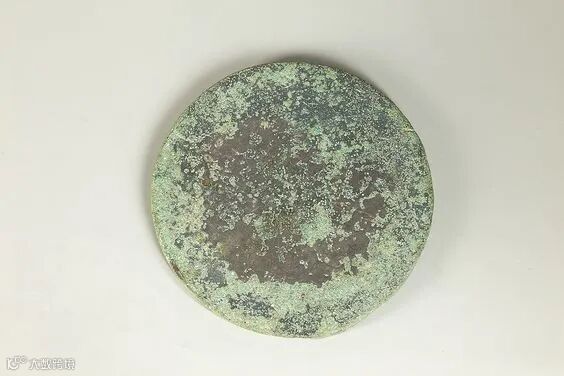
古希腊运动会中使用的铁饼
关于“奥林匹克休战”的最著名的例子之一是斯巴达军队在伯罗奔尼撒战争(公元前431-公元前404)中被指控违反了休战协议。尽管不认可这项指控并拒付罚款,斯巴达还是被禁止参加那一年(公元前420年)的奥运会。考虑到斯巴达在当时被公认为希腊最强大和最具军事实力的城邦之一,失去这个在运动场上扬威的机会影响是巨大的。
One example of the implementation of the Olympic Truce, as documented by the 5th century Athenian historian Thucydides, involved its possible breaching by the Spartan forces during the prolonged and brutal conflict known today as the Peloponnesian War (431-404 BC).
Having allegedly launched attacks during the truce period, the Spartans were not only fined by the Olympic authorities but also banned from participating the Games that year, in 420 BC. The Spartans refused to pay the penalty, claiming that their maneuver had been completed before the Olympic Truce was officially announced.
Whatever had happened in reality, the Spartans' participation in the Olympic Games that year was prohibited. And the decision was significant given Sparta's reputation as one of the most powerful and militaristic city-states of Greece.
然而正因为休战协议的执行,古代奥林匹克运动会成为了和平的象征,而这一象征意义自1896年皮埃尔·德·顾拜旦领导的国际奥林匹克委员会复兴奥运会以来延续至今。
"The Olympics became symbolic of peace thanks to the truce, and the symbolism has continued to date ever since the game's revival in 1896 by the International Olympic Committee led by Pierre de Coubertin," says Guan.
战争总是伴随着死亡,有时甚至是不计其数的死亡。在古希腊,每年都会为战场上阵亡的士兵组织葬礼和与之相关的运动会(funerary games)。公元前490年的马拉松战役中,192名雅典阵亡者就被以这样的形式安葬。
Whenever there was a war, there were deaths, sometimes countless ones. In ancient Greece, annual funerary games were organized for those fallen on the battlefield, as for example in the case of the 192 Athenian dead in the Battle of Marathon in 490 BC.
古代奥林匹克运动会的举办地奥林匹亚是希腊众神之王宙斯的圣域,而根据古希腊传说,这项体育赛事是宙斯的儿子、“大力神”赫拉克勒斯为庆祝自他在十二年中完成了十二件英勇事迹 (包括剥下尼密阿巨狮的兽皮、杀死九头蛇许德拉、摘取赫斯珀里得斯的金苹果等),也为纪念父亲宙斯而设立。而有些学者则认为,奥林匹克的起源,很可能和古希腊的“葬礼运动会”有着某种关联。
In fact, some scholars believe that although the ancient Olympic Games had been held in Olympia the sanctuary dedicated to Zeus, the king of the Greek gods, it was these funerary games that are at the core of its origin. And that had added another human dimension to a game closely associated today with the celebration of humanity.
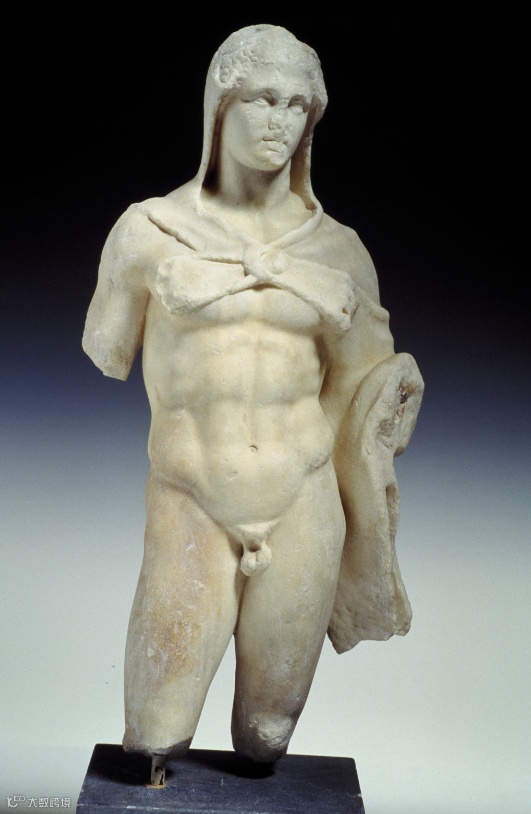
大力神雕像
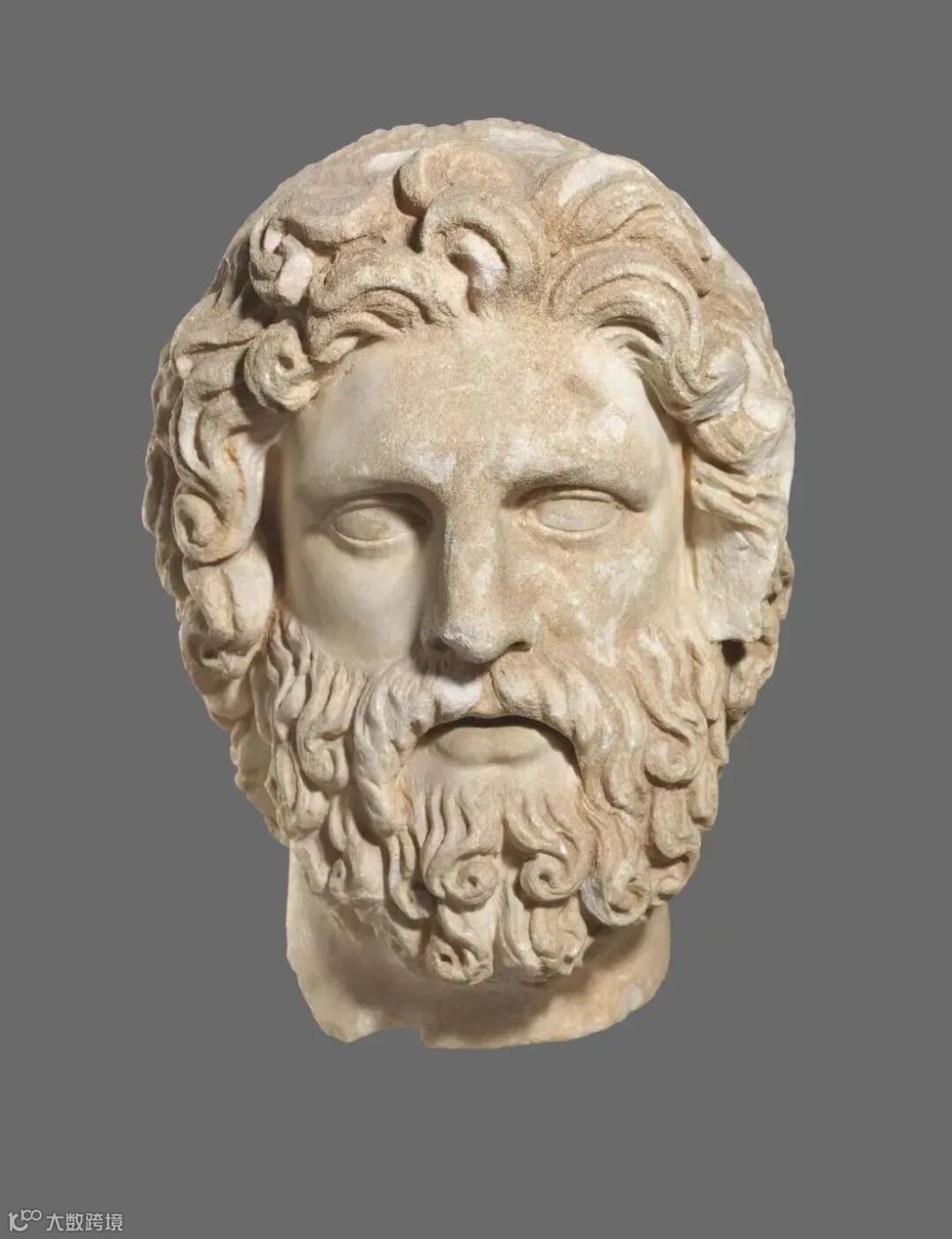
众神之王宙斯头像
南京博物院展览中展示了一块古希腊的墓碑,年代约为公元前400年至公元前375年。碑上的浮雕刻画了一个裸体的青年在试图将一个球平衡在右侧的大腿上,他的同样裸体的仆人拿着装有橄榄油的小瓶子和刮汗器站于一旁。在古希腊,亡者通常在自己的墓碑上被描绘为年轻的运动员,这是一种丧葬传统,深刻地反照出古希腊人的精神世界。
On display at the Nanjing Museum exhibition is an ancient Greek grave stele dated to a time period between 400 BC and 375 BC. Depicted on the stele's preserved relief are a naked youth trying to balance a ball on his right thigh, and his naked servant boy holding a strigil and aryballos.
According to Guan, it was a Grecian funerary tradition for the deceased to be represented young as an athletes. And it resonated deeply with the Grecian psyche.
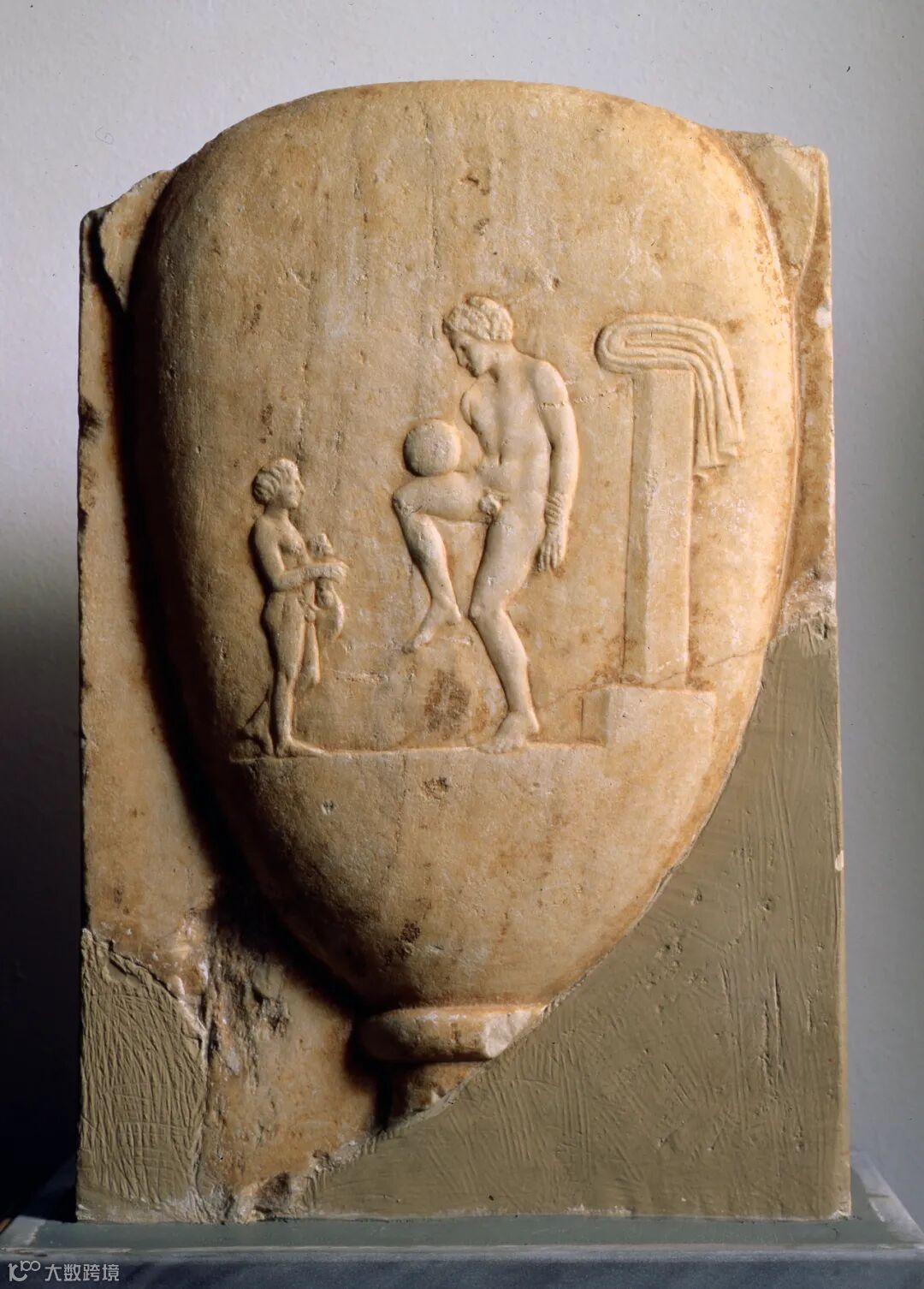
踢球场景墓碑石
在荷马的长篇史诗《伊利亚特》中,特洛伊战争中希腊最伟大战士阿基琉斯(Achilles)面临两个选择:一是长久而平淡地生活,二是享受无上荣耀却生命短暂。
阿基琉斯选择了后者。
In Homer's Iliad, Achilles, the greatest of the Greek warriors in the Trojan War, was given a choice between a long, uneventful life and a short, glorious one.
Achilles chooses the latter.
记者:赵旭

推 荐 阅 读
