


国产游戏《黑神话:悟空》发售以来,
其热度在海内外依旧不减。
除游戏本身外,游戏中每章节末
制作精良的动画短片也大放异彩。
其中,作为游戏通关结局出现的
动画短片《未尽》惊艳出圈。
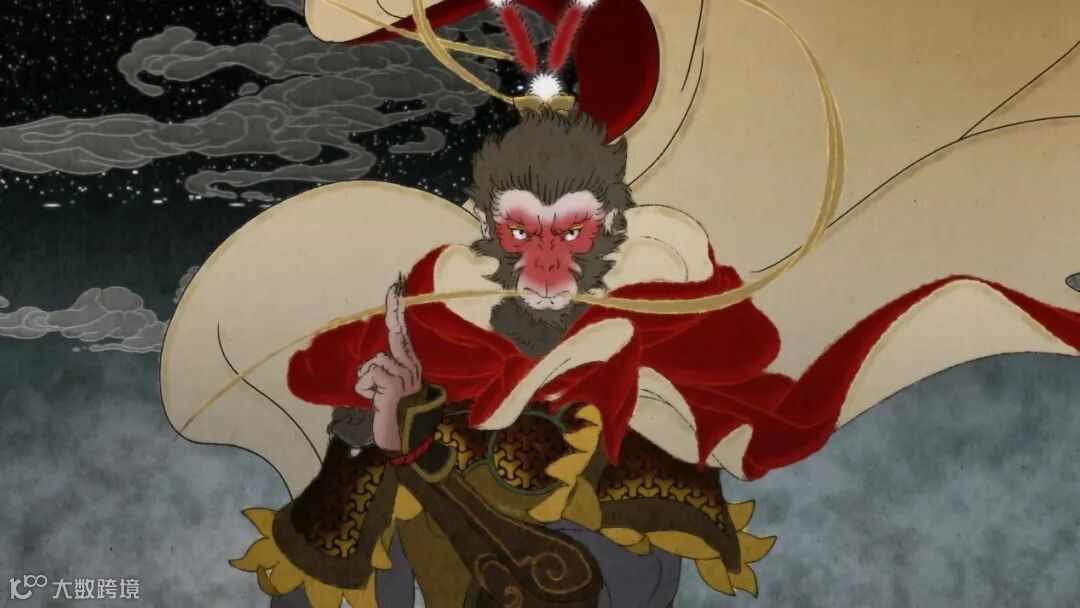
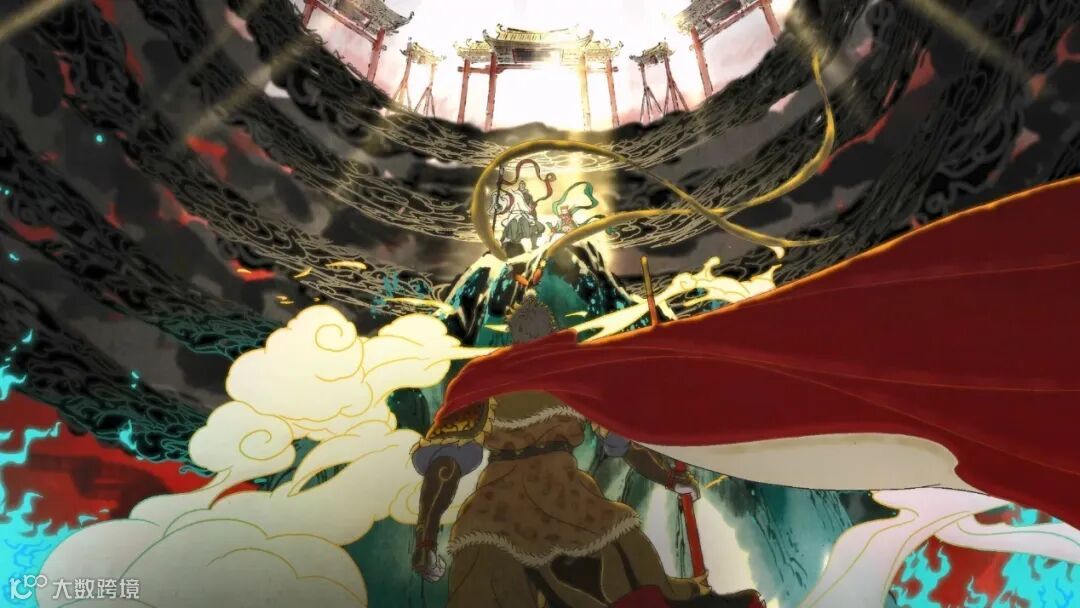
《黑神话:悟空》第六章章节动画《未尽》截图
Since its release two months ago, Black Myth: Wukong has captivated global audiences worldwide. Beyond the gameplay, the game's beautifully animated shorts, shown at the end of each chapter, have received widespread acclaim. Most notably, the hidden ending short Unfinished has amazed viewers with its unique style.


“这就是艺术,没有其他词汇可以形容。”

“绝美!”

“我看哭了……”

“我的天啊这简直太惊艳了!”

“绝对的电影艺术!”

“我的年度游戏!一周目通关看到这个结局,不骗你,我哭了。”

“求你了游戏科学,请出一部动画剧集!这个短片的艺术风格太棒了,堪称杰作!”


“我每次看这部动画都要哭一遍。我虽然不是中国人,但作为亚洲人,看到古老的文化和故事即使在现代化的今天也能依旧存在,并且以如此美丽的形式呈现,我真的很感动。”
For many Chinese viewers, Unfinished represents a potential new chapter for Chinese animation, with some even envisioning a full Journey to the West series in this style. International fans have also praised this film, describing it as both tear-jerking and awe-inspiring.
虽然《未尽》只有5分钟,
戳视频看精彩内容
几位Z世代原画师进行了快问快答~
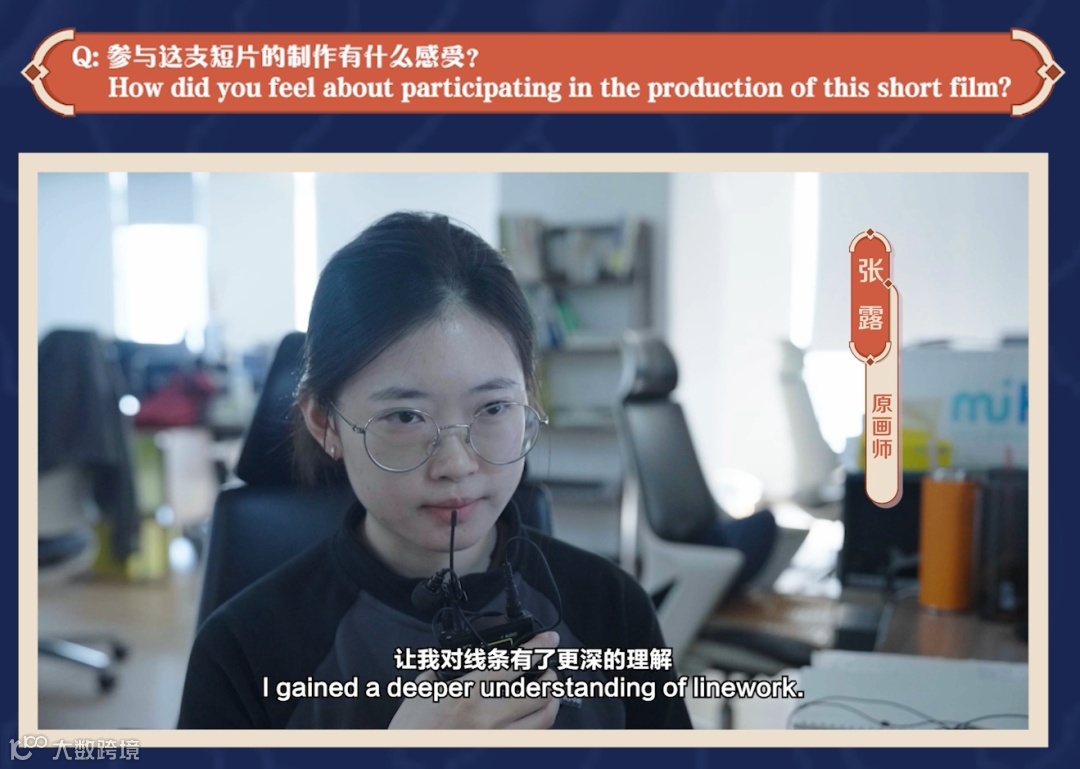
At just five minutes long, Unfinished showcases the artistry and dedication of some of China's finest animators. Recently, we sat down with the director and animation supervisor, Yang Tingmu-founder and CEO of Fantasier Animation, the studio behind the film’s mid-to-late production. In our interview, Yang reflects on the creative process and inspirations that shaped the film's distinctive style.

Yang graduated from Renmin University of China with a degree in Land Resource Management, later earning a second degree from the Beijing Film Academy. Over his 20-year animation career, he has worked in both China and Japan as an illustrator, storyboard artist, scene designer, and director on projects such as Mojospy, Mole, Big Fish & Begonia, and Japan’s Attack on Titan, where he contributed to key scenes.
In 2018, Yang returned to China to establish Fantasier Animation, a studio focused on producing high-quality animation and developing new animation talent.

Unfinished was created after Game Science invited Yang to serve as both director and supervising animator. Fantasier Animation led the mid-to-late production, a process Yang says took about six months. "The animation drawing phase was the most time-consuming and required the most work," he recalls. "A couple of weeks before the deadline, we were still working on the auspicious cloud animations because there were so many to draw."
When asked why Unfinished resonates with such a powerful "Chinese feel," Yang explained that Journey to the West is an IP with a rich legacy. With Unfinished, "we're carrying on that tradition in a way that's layered and multifaceted."

"For example, it includes lines spoken by the Buddha, taken directly from the original Journey to the West novel. The music is from the 1986 Journey to the West TV series. The visual style is inspired by lianhuanhua (palm-sized comic books), while Sun Wukong's design draws from Peking Opera aesthetics," Yang elaborated.


This distinctive lianhuanhua style that impressed so many viewers emerged from Yang's creative vision. Game Science and Wolf Smoke Studios (responsible for early storyboards and character design) initially envisioned a "realistic style," but Yang felt a departure from realism would be more effective, especially since the game itself already used a realistic approach. He believed that a visually contrasting ending would leave a more profound impact.
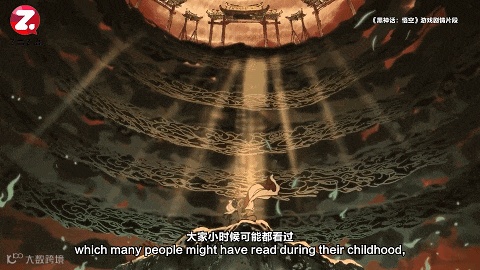
Yang continued, "Secondly, as the first AAA game developed domestically, it needed to have distinct Chinese characteristics. Usually, when people think of a 'Chinese aesthetic,' they immediately envision ink painting, but I felt that would be too cliche. So, I decided to use lianhuanhua, a distinctly Chinese yet relatively uncommon style in animation. Many people have seen this style in books as children, but they've never seen it animated."

Yang also employed historically inspired techniques to evoke the classic atmosphere of Journey to the West. He drew from traditional Chinese baimiao line art, influenced by Northern Song painter Li Gonglin, as well as mural techniques from Dunhuang to illustrate clothing folds. Additionally, he referenced works by renowned lianhuanhua artist Dai Dunbang.


However, creating animation in this style presented challenges. Many animation techniques rely on established motion patterns, such as walking sequences. In Unfinished, however, many scenes lacked these templates. Yang explained, "Without previous animated works to reference, we essentially had to start from scratch."

即便探索和制作过程困难重重,羊廷牧仍觉得,从《未尽》这支项目中,有了许多新的收获。

Despite the countless challenges, Yang gained invaluable experience from working on Unfinished.
"My biggest takeaway is a deeper appreciation for the artistry of our predecessors," Yang shared. "While working on this project, I revisited many classic lianhuanhua artists' works, and I discovered so many untapped treasures within them. Also, for instance, during the 1980s, China had a period where decorative painting styles flourished, and I believe there's still hidden potential in those techniques."
"It's a shame that our predecessors created such groundbreaking work, yet today's creators seem to have forgotten about it. Japanese and American styles dominate the mainstream now, causing many to overlook the various visual directions China has experimented with in the past decades."

Through hard work, Unfinished has received high praise from both domestic and international fans. Many streamers who played Black Myth: Wukong have been moved to tears by this ending animation. Yang attributes this success to the strong foundation laid by the game itself, explaining, "It's because the game is so well-made as a whole that players can feel the emotional impact."

Yang emphasized that his primary focus during production was to strengthen the Chinese elements.
"But when I saw how moved they were, I realized that as long as you stay true to your culture and pour genuine emotions into your work, foreign audiences can feel that sincerity," Yang said. "Even if they're unfamiliar with Journey to the West or this visual style, they sense that it's a cohesive, self-contained work, making it easier for them to be moved."

According to Yang, making Chinese culture accessible to global audiences depends on adapting traditional stories through modern techniques. Game Science used a AAA game format to retell Journey to the West in a way that resonates with contemporary audiences. Similarly, Unfinished utilizes modern animation techniques to make traditional culture more relatable.
"We're continuing the legacy of our predecessors, but we must always give it a contemporary twist."


推 荐 阅 读
