


每逢春节,家家户户都会贴上春联(Spring Festival couplets),以寄托对于节日的喜悦和新年的期盼。而近年来,贴春联这一传统习俗也玩出了新花样。
 图源:视觉中国
Pasting Spring Festival couplets on doors is one of the oldest Chinese New Year traditions to express people’s delight in the festival and invite good luck for the upcoming year.


上联:发啦发啦发发啦 下联:都发都发都都发 横批:发啦都发

上联:一帆风顺吉星到(一帆风顺鸡心稻) 下联:万事如意福临门 (碗柿乳椅福柠门) 横批:金蛇贺岁(金蛇鹤睡)
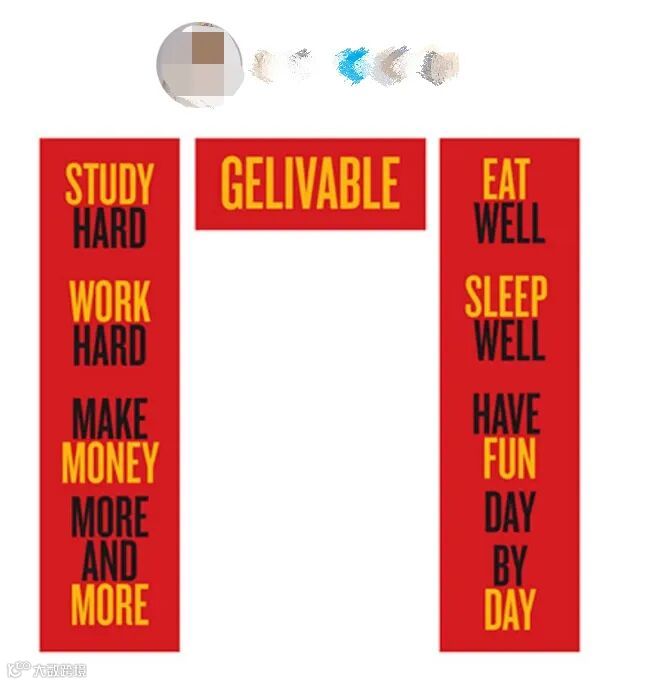
上联:Study Hard Work Hard Make Money More And More(努力学习 努力工作 钱越挣越多) 下联:Eat Well Sleep Well Have Fun Day By Day(吃得好 睡得好 天天都开心) 横批:Gelivable(给力)
上联:Lucky Lucky So Lucky(幸运幸运真幸运) 下联:Money Money More Money(金钱金钱更多钱) 横批:Happiness(幸福满满)
上联:Everything goes well as you expect(迎新春事事如意) 下联:Career rises steadily as you want(接鸿福步步高升) 横批:Luck Knocks on the Door(好事临门)
— 春联的起源 —
The tradition finds its roots in the Taoist ritual of hanging portraits of two big, bearded and bushy-browed men on the eve of the Chinese New Year. The peachwood charms were representations of door gods who could prevent ghosts from entering houses, according to Chinese folklore.
— 什么时间最宜贴春联?—

— 家里的春联贴对了吗?—
-
贴横批
In ancient times, Chinese people used to write from the right side of a piece of paper but that was replaced later on with writing from the left. And the direction in which you write the horizontal phrase will dictate how the vertical verses are placed.
-
区分上下联
-
确定上下联位置
而目前,上下联的左右一般取决于横批。横批从哪侧开始读,哪侧就是上联。如果无横批,则上联在右,下联在左。
When a horizontal line is written from right to left, the first vertical line should be put on the right side too, and the second one on the left. When a horizontal line is written from left to right, the first vertical line should be put on the left side and the second one on the right.

推 荐 阅 读
