


清明节过去一周了。但你知道吗,在马来西亚的“中国山”,我们仍然可以见到当地华人的祭祀扫墓活动,而他们的墓碑上,也用汉字镌刻着故乡……
和中国日报记者焦洁,一起在马来西亚感受海外华人们的文化根脉。
心中惦念遥远故土
在马来西亚马六甲市东南面,有座被称为中国本土以外最古老且最大的华人墓群:三宝山。
三宝山是两座连绵的矮丘,山上遍布的一万两千余座中国式坟茔,专属马六甲华人。
相传郑和下西洋时,在此设仓库囤放粮食货物,并作为维修船只的根据地,由此得名。
Bukit China in Malacca, Malaysia, is home to the largest and oldest Chinese cemetery outside of the Chinese mainland. People often call it "Chinese Hill". Bukit China got its name from Admiral Zheng He, who made frequent stops here during his voyages south. Scattered across the hill are over 12,000 Chinese-style graves.
马来西亚华人认同自己的华夏根脉,虽然已扎根当地,但语言、信仰、文化还完整地保留了下来。他们漂洋过海而来,心中一直都惦念着遥远的故土。

据了解,当地华人通常在清明节和前后10天左右的时间里祭祖扫墓。在拍摄当天,我们也正巧遇到一家前来祭祖扫墓的第三代华人。
慎终追远是马来西亚华人的共同传统,久居异乡的人,死后也选择与华人葬在一起。在葬后的墓碑上,仍会用汉字写着他故乡的名字,告诉后人他从哪里来。
Honoring ancestors and remembering your roots is a tradition among the Malaysian Chinese. Many of the tombstones here were carved with Chinese characters, detailing the hometowns of those who were buried.
在三宝山的山脚,耸立着一块醒目的抗日殉难义士碑。这座纪念碑由全体马来西亚华侨敬立,碑后安葬着遭日军残害的马来西亚华人烈士。
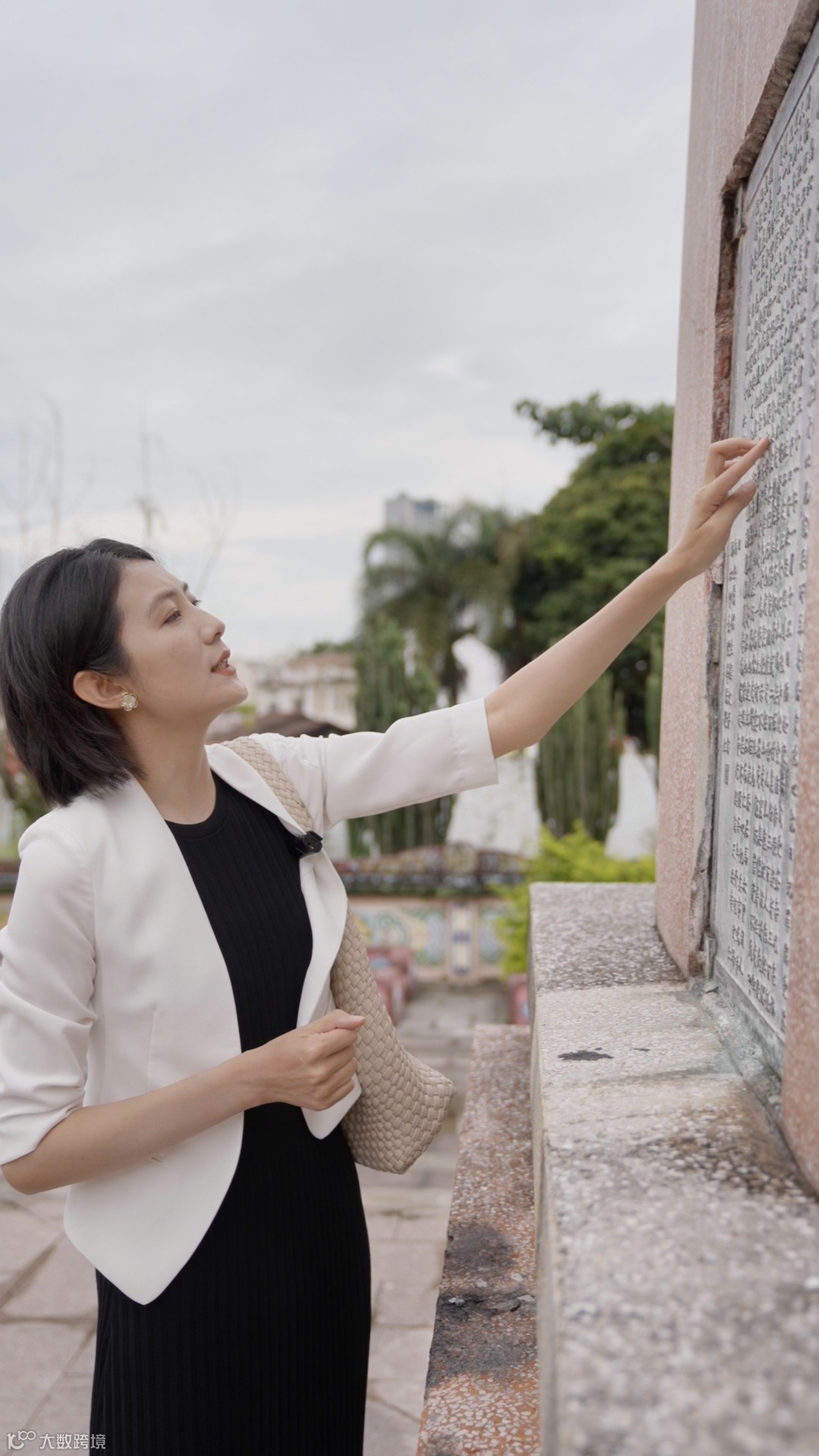
碑文中的“然其就死也,笑傲示不屈”,让我们倍感震撼。华人们为自己的民族尊严,为摆脱殖民压迫,奋勇抗争。
At the foot of the hill, there's also a solemn memorial dedicated to those who lost their lives resisting the Japanese occupation, erected by the local Malaysian Chinese community. One line from the inscription struck us deeply: "Even on the brink of death, they smiled with unyielding pride."
Behind the memorial are the remains of Chinese martyrs who were killed by the Japanese army. They stood up for the dignity of the Chinese nation, and fought bravely to resist colonial oppression.
马来西亚华人们认同自己的华夏根脉,心中一直都惦念着遥远的故土,有家国情怀的华人在民族大义面前也从不含糊。
山海难隔赤子报国
每一位华人,无论身处何种困境,依然坚守着家国的希望,这是华人团结的象征。
面对外辱,华人为自己的民族尊严、为摆脱殖民压迫,奋勇抗争。在历史危难时刻,身处海外异乡的华人在民族大义面前,也从不含糊。
抗日战争时期,南洋华人将多年攒下的血汗钱捐给祖国支持抗日。这其中,就有滇缅公路上感人至深的“南侨机工”的故事。
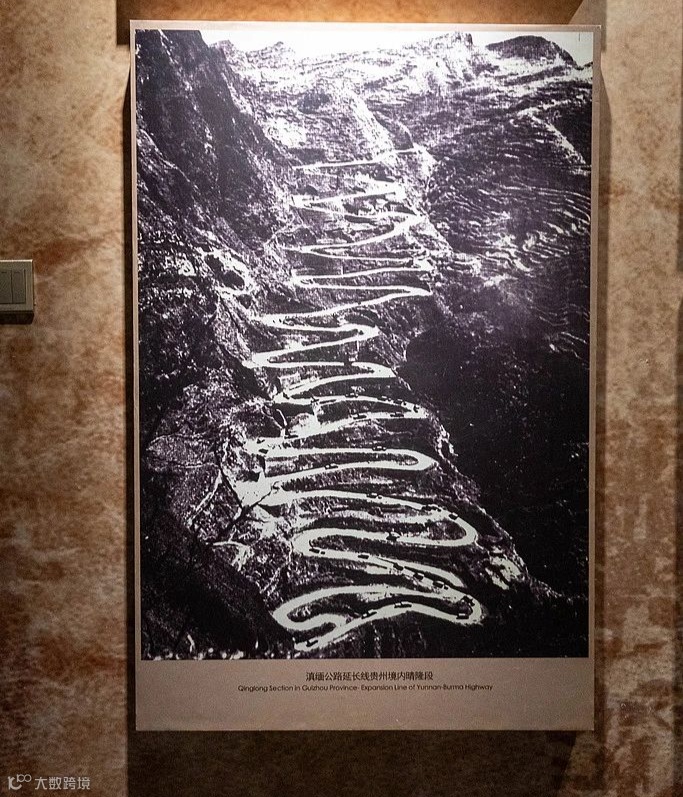
南洋华侨机工回国抗日纪念馆馆内展品史实老照片《滇缅公路延长线贵州境内晴隆段》图源:VCG
南洋侨胞放弃优裕的海外生活,回国日夜不停修公路、修车、运物资,滇缅公路的每一公里背后,几乎都有一位华工的牺牲。
许多无畏的英勇者都没有机会回家与亲人团聚,甚至未曾见证战争的胜利,但他们向世界展现了华人风骨。
During the War of Resistance against Japanese Aggression (1931-45), Malaysian Chinese sent their hard-earned savings back to China to support the fight against Japanese forces. Mechanics and drivers from Southeast Asia risked their lives transporting critical supplies along the Burma Road. They gave up chances for family reunions, putting their lives on the line — some never lived to see the victorious end of the war. However, their courage and sacrifice showed the world the strength and resilience of the Chinese people.
千百年以来,无数的中国人就这样漂洋过海,来到这里落地生根,顽强生长。这是属于南洋华人的精神,也是中华文化的强大生命力。

推 荐 阅 读
