


On the morning of May 11, the management office of Yangzhou Zhuyuwan Zoo in Jiangsu province posted a reward notice on its official WeChat account. The notice expained that Doubao, a capybara from the scenic area's zoo, had escaped and has been evading recapture for 40 days.

公告称,嫌疑犯豆包于2025年4月3日凌晨,伙同家庭成员集体越狱,霸总、躲躲已“依法逮捕归案”。目前豆包仍在逃。
经查,疑犯身上无危险武器,亦无攻击性,敬请广大市民和游客放心。但越狱犯罪性质恶劣,须依法严惩,以震慑其他蓄意逃笼的毛孩子。茱萸湾动物园特别悬赏:凡提供豆包出逃有效信息者均可获赠茱萸湾门票一张。
According to the notice, Doubao, the "fugitive" capybara, escaped with two companions during a late night "jailbreak" on April 3, 2025.

From surveillance video checked by caregivers, the escape appears to have been spearheaded by Bazong, who headbutted a wooden window to flee, bring his two accomplices with him. While Bazong and Duoduo have both been recaptured, Doubao remains at large.
卡皮巴拉的名字有什么来头
卡皮巴拉其实是英文单词capybara(/ˌkæpɪˈbɑːrə/)的音译,源自南美洲原住民语言图皮语(Tupi)中的ka'apiûara,意为“水的领主”或“草地的主人”,生动体现了其半水栖的生活习性。
"Kǎpíbalā" is a phonetic adaptation of the English word capybara (/ˌkæpɪˈbɑːrə/), which traces its etymology back to the Tupi language of South America. Derived from "ka'apiûara", meaning "lord of the water" or "master of the grasses", the name reflects the animal's semi-aquatic lifestyle.
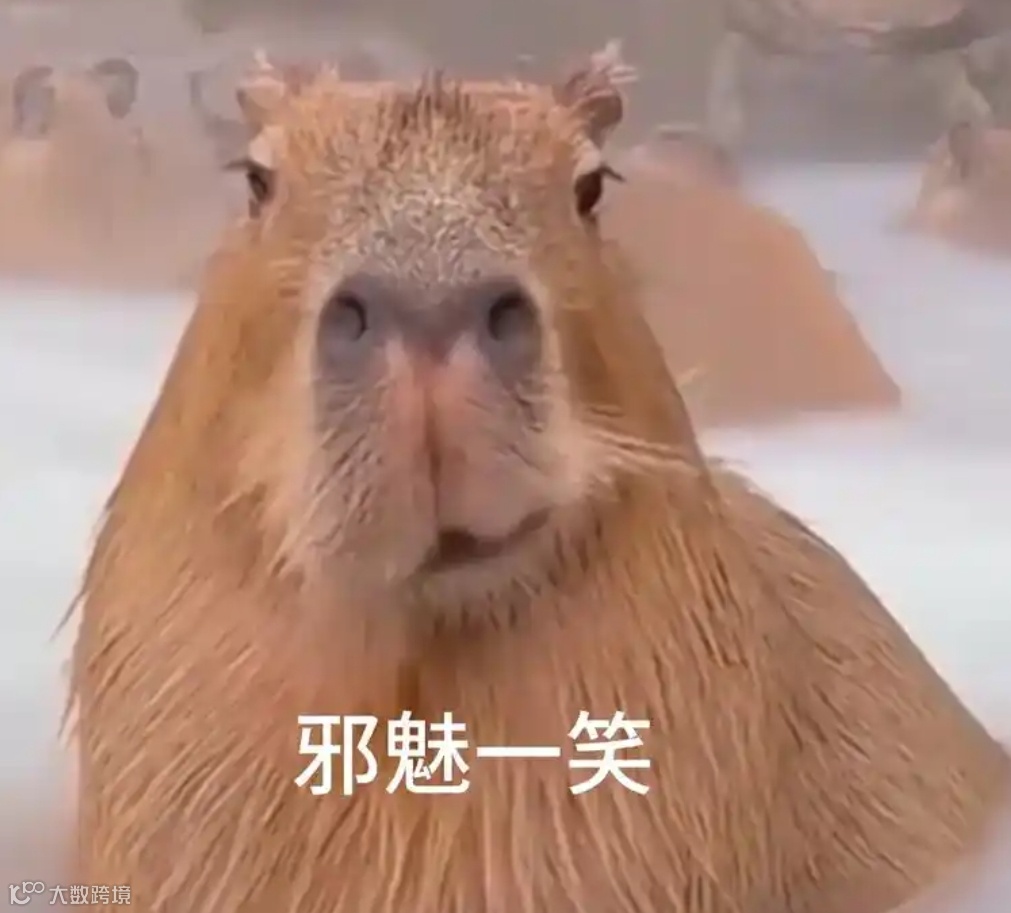
作为现存最大的啮齿类动物,水豚原产于南美洲湿地。它们性情温和,以情绪稳定闻名,甚至能淡定地与鳄鱼、鸟类共享栖息地,赢得了广大游客和网友的喜爱。
As the world's largest rodent, capybaras are native to South American wetlands. Known for their gentle and notably calm demeanor, they have earned widespread admiration from visitors and netizens.
编辑:焦洁
实习生:张庆微
来源:扬州市茱萸湾风景区管理处官微 现代快报

推 荐 阅 读
