




|
|

|
|


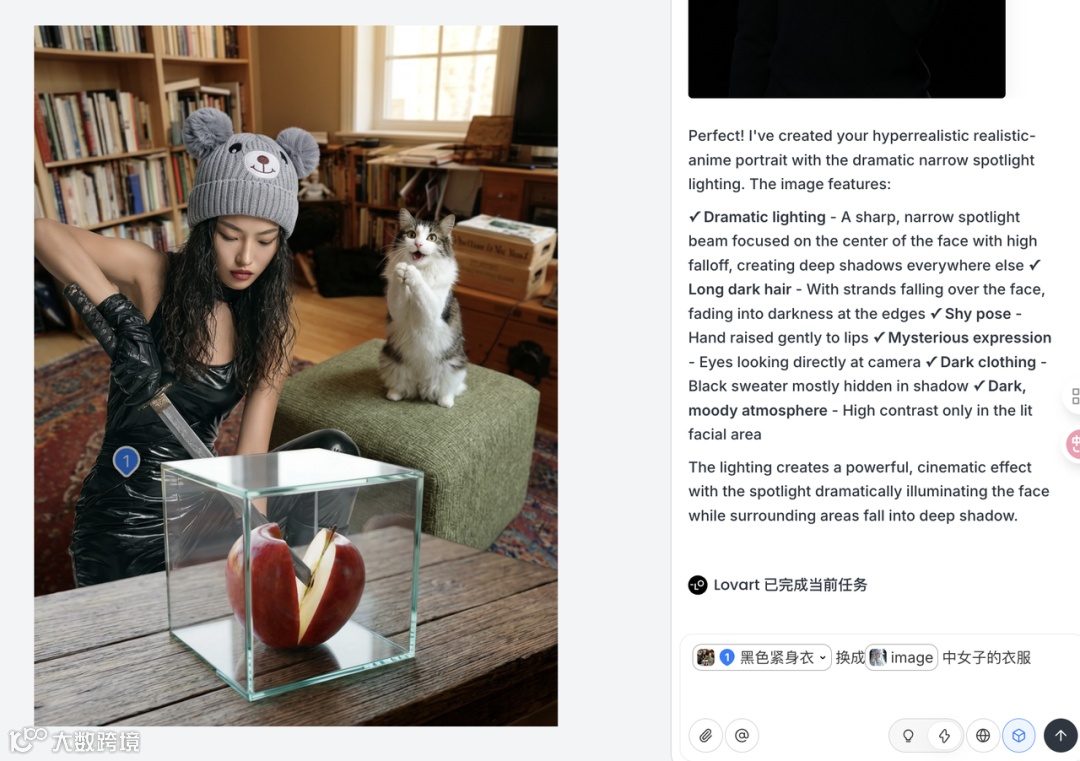
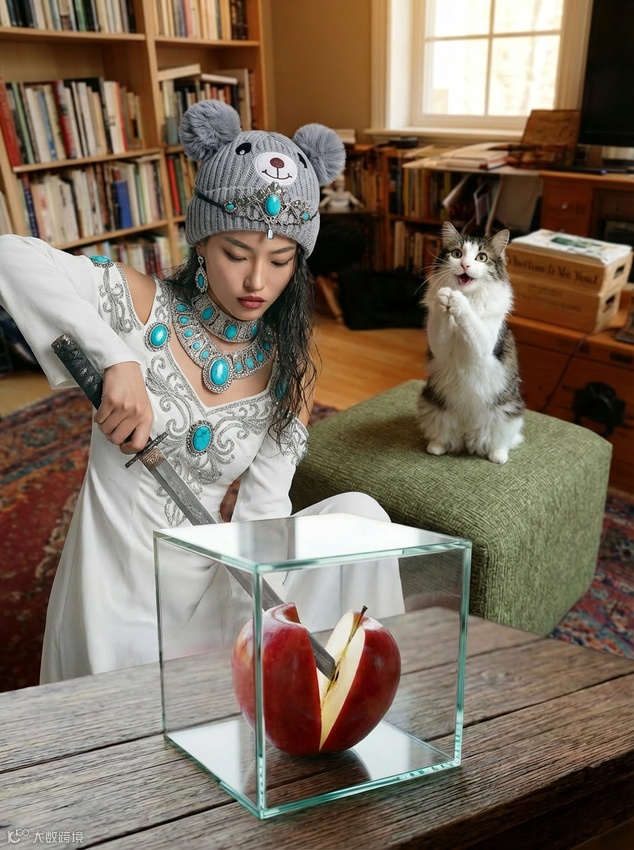
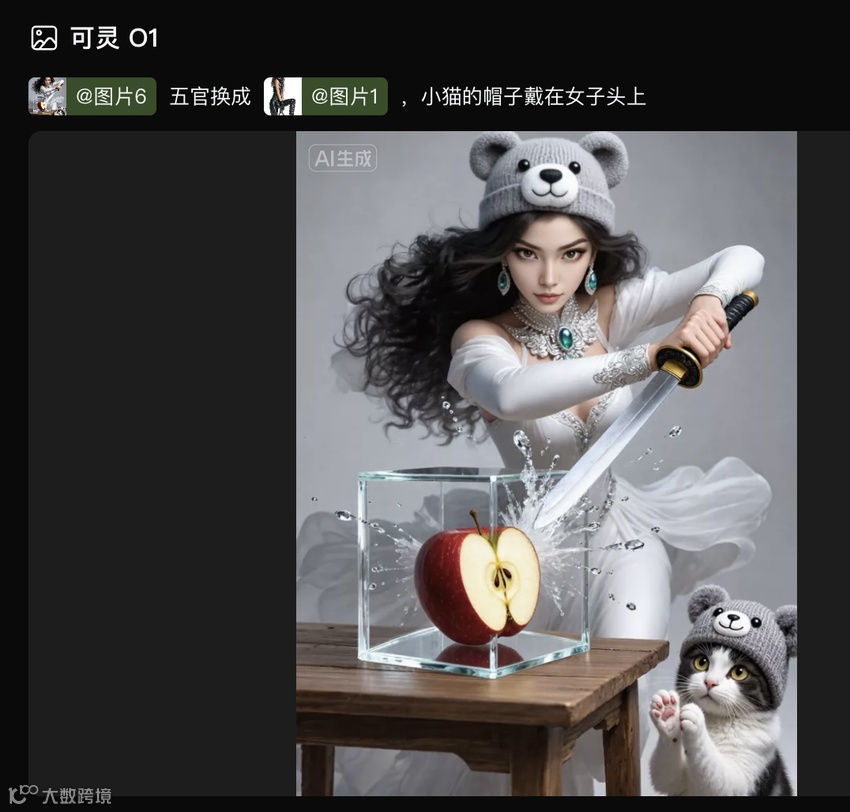
-
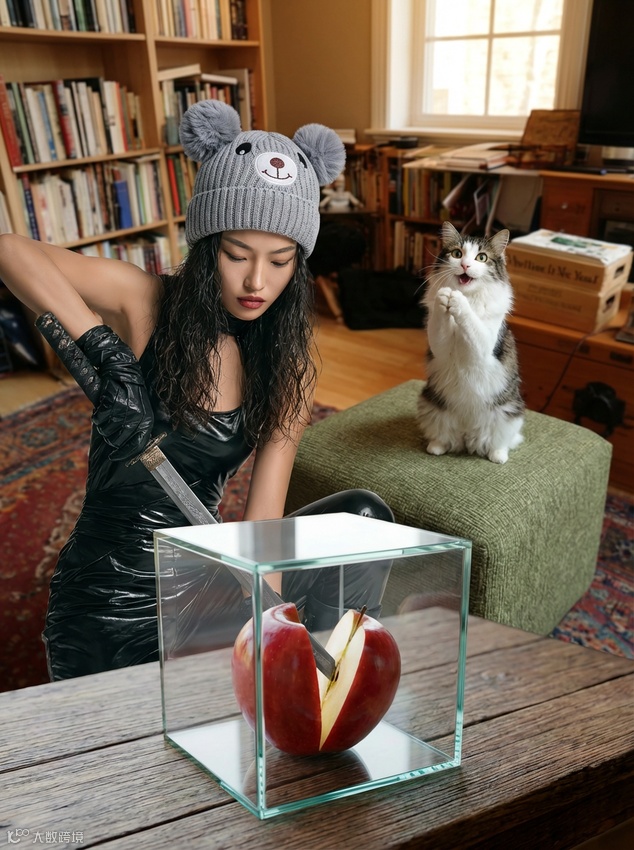
First, analyze the full composition: identify ALL key subjects (person/group/vehicle/object/animal/props/environment elements) and describe spatial relationships and interactions (left/right/foreground/background, facing direction, what each is doing). -
Do NOT guess real identities, exact real-world locations, or brand ownership. Stick to visible facts. Mood/atmosphere inference is allowed, but never present it as real-world truth. -
Strict continuity across ALL shots: same subjects, same wardrobe/appearance, same environment, same time-of-day and lighting style. Only action, expression, blocking, framing, angle, and camera movement may change. -
Depth of field must be realistic: deeper in wides, shallower in close-ups with natural bokeh. Keep ONE consistent cinematic color grade across the entire sequence. -
Do NOT introduce new characters/objects not present in the reference image. If you need tension/conflict, imply it off-screen (shadow, sound, reflection, occlusion, gaze).
-
Subjects: list each key subject (A/B/C…), describe visible traits (wardrobe/material/form), relative positions, facing direction, action/state, and any interaction. -
Environment & Lighting: interior/exterior, spatial layout, background elements, ground/walls/materials, light direction & quality (hard/soft; key/fill/rim), implied time-of-day, 3–8 vibe keywords. -
Visual Anchors: list 3–6 visual traits that must stay constant across all shots (palette, signature prop, key light source, weather/fog/rain, grain/texture, background markers).
-
Theme: one sentence. -
Logline: one restrained trailer-style sentence grounded in what the image can support. -
Emotional Arc: 4 beats (setup/build/turn/payoff), one line each.
-
Shot progression strategy: how you move from wide to close (or reverse) to serve the beats -
Camera movement plan: push/pull/pan/dolly/track/orbit/handheld micro-shake/gimbal—and WHY -
Lens & exposure suggestions: focal length range (18/24/35/50/85mm etc.), DoF tendency (shallow/medium/deep), shutter “feel” (cinematic vs documentary) -
Light & color: contrast, key tones, material rendering priorities, optional grain (must match the reference style)
-
Composition: subject placement, foreground/mid/background, leading lines, gaze direction -
Action/beat: what visibly happens (simple, executable) -
Camera: height, angle, movement (e.g., slow 5% push-in / 1m lateral move / subtle handheld) -
Lens/DoF: focal length (mm), DoF (shallow/medium/deep), focus target -
Lighting & grade: keep consistent; call out highlight/shadow emphasis -
Sound/atmos (optional): one line (wind, city hum, footsteps, metal creak) to support editing rhythm
-
Must include: 1 environment-establishing wide, 1 intimate close-up, 1 extreme detail ECU, and 1 power-angle shot (low or high). -
Ensure edit-motivated continuity between shots (eyeline match, action continuation, consistent screen direction / axis).
-
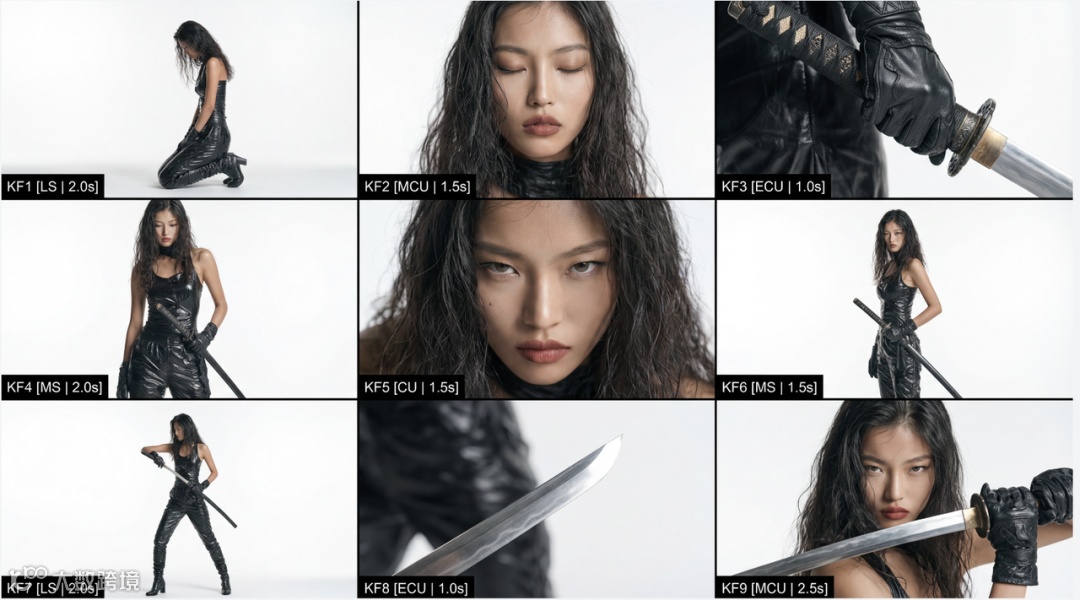
Default grid: 3x3. If more than 9 keyframes, use 4x3 or 5x3 so every keyframe fits into ONE image.
-
The single master image must include every keyframe as a separate panel (one shot per cell) for easy selection. -
Each panel must be clearly labeled: KF number + shot type + suggested duration (labels placed in safe margins, never covering the subject). -
Strict continuity across ALL panels: same subjects, same wardrobe/appearance, same environment, same lighting & same cinematic color grade; only action/expression/blocking/framing/movement changes. -
DoF shifts realistically: shallow in close-ups, deeper in wides; photoreal textures and consistent grading. -
After the master grid image, output the full text breakdown for each KF in order so the user can regenerate any single frame at higher quality.


创作不易,如果对你有帮助,请三连,我们下期见!
我是刀哥,大厂工作过几年,现在是出海创业者,深入研究AI工具和AI编程。关注我,了解更多AI知识!我们下期再见!